

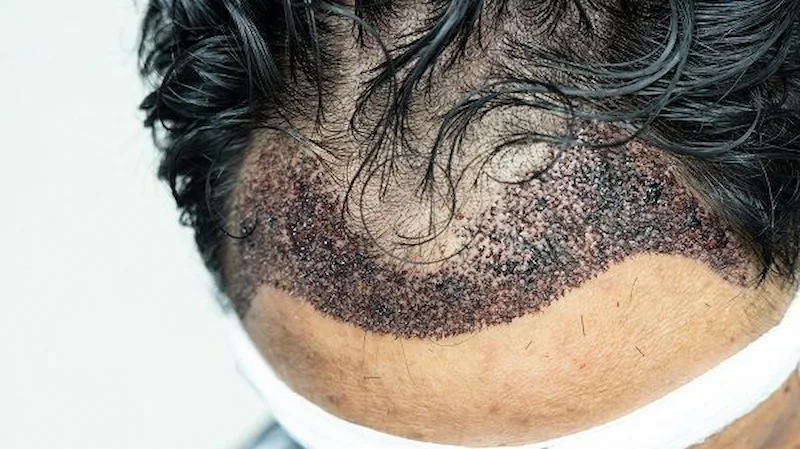
A hair transplant infection is a rare complication that can occur after hair restoration surgery when bacteria enter the small wounds created during the procedure. Most infections are mild and treatable, and doctors usually manage them with antibiotics and proper scalp care. Many people choose this treatment to manage hair loss, and most patients heal well when doctors follow sterile medical standards.
Hair transplant infection symptoms may include redness, swelling, pain, or fluid around graft sites. Trichogenics, founded by Dr. Asi Peretz and Dr. Eric Peretz, operates in Greece and Israel and follows doctor-led surgical care and regular follow-up visits.
Key Takeaways
- Hair transplant infection is rare when surgery is performed according to proper medical standards, but bacteria can still enter graft sites during surgery or during healing.
- An infected hair transplant may cause redness, swelling, pain, or pus near the treated area.
- Doctors usually treat infections with antibiotics and follow-up care. Early treatment helps protect transplanted follicles.
- Good aftercare and scalp cleanliness help reduce the risk of infection.
- Most patients recover well after hair restoration surgery when they follow medical advice.
Can A Hair Transplant Get Infected?
Yes, but this complication is uncommon. During hair restoration surgery, doctors make very small openings in the scalp to place hair follicles. These small sites heal quickly but may briefly expose the scalp to bacteria.
If bacteria enter these sites, inflammation may occur. Early treatment usually helps the scalp heal without long-term problems.
Hair transplant procedures help people with hair loss restore hair growth, and this hair transplant process guide explains the main steps involved before, during, and after surgery.
Modern techniques reduce scalp trauma and support faster healing.
Hair Transplant Techniques Used
Hair transplant surgery moves healthy follicles from a donor area to areas with hair loss. Doctors choose the method based on the patient’s scalp condition and hair pattern.
Common techniques include:
- Follicular Unit Extraction (FUE), where doctors remove single hair follicles from the donor area
- Follicular Unit Transplant (FUT), where doctors remove a strip of skin from the donor area and divide it into grafts
Both methods are widely used in hair restoration surgery, and this key guide on FUT vs FUE hair transplants explains how each method works and when doctors may choose one over the other.
During the procedure, a trained surgical team prepares and places grafts carefully to support healing.
Hair Transplant Infection Symptoms
Infected hair transplant symptoms often appear in the first days after surgery. Most signs affect the treated part of the scalp. Early care helps prevent problems from getting worse.
Patients should watch their scalp during recovery. Mild redness and swelling are common side effects after surgery. Symptoms that worsen may indicate a developing infection.
However, strong swelling, spreading redness, or pain may signal infection. A doctor should be consulted for symptoms that do not improve.
Pus, Discharge, And Scalp Warmth
Fluid or pus near graft sites may show infection. The scalp may also feel warm or tender.
These signs may mean bacteria are growing in the area. A doctor can decide if treatment is needed.
Infected Hair Transplant Follicle Signs
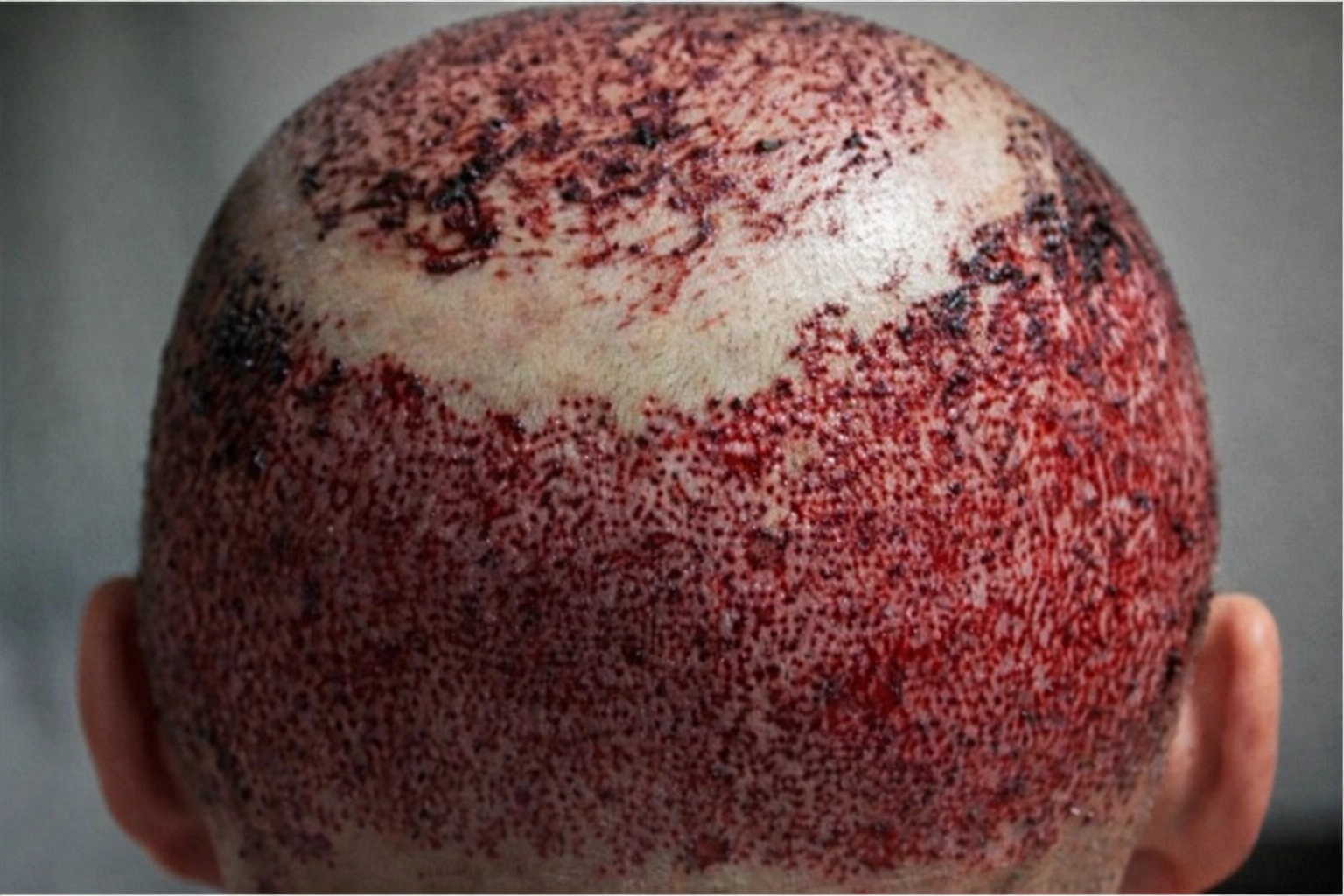
An infected follicle may look like a small, painful bump near a graft. This condition may resemble bacterial folliculitis, which inflames hair follicles.
Doctors may treat this with antibiotics or medicated cleansers. In some cases, using a warm compress can help reduce swelling.
What Causes Hair Transplant Infection
Hair transplant infection happens when bacteria enter the small wounds created during surgery. Several factors can increase the risk of infection during healing.
Good surgical technique and proper aftercare help reduce this risk.
Bacterial Infection After Hair Transplant
Most infections are caused by bacteria that normally live on the skin. These bacteria usually do not cause problems.
If they enter graft sites during healing, they can cause redness and swelling. Doctors often treat this with antibiotics.
Poor Surgical Hygiene
Clean surgical conditions are very important in hair restoration surgery. Clinics that do not follow strict hygiene standards may increase the risk of infection.
Some patients travel abroad for cheaper procedures in places with weaker medical regulation. In some cases, surgery may occur without full doctor supervision.
Improper Aftercare
Following aftercare instructions helps the scalp heal safely. Skipping medication or washing the scalp incorrectly may increase the risk of infection.
Doctors often tell patients to keep the scalp clean during recovery. Follow-up visits also help prevent the development of an infection.
How Often Do Hair Transplants Get Infected?
Hair transplant infection is rare in modern hair restoration surgery. Studies often report infection rates below one percent when doctors follow sterile surgical methods.
Procedures such as FUE and FUT create small wounds that heal quickly. When a trained surgical team performs the procedure, the chance of infection remains low.
Clinics in regulated medical systems, such as those in Greece and Israel, typically follow strict safety protocols.
Hair Transplant Infection Treatment
Treatment depends on how severe the infection is. Many cases improve with medication and monitoring.
Doctors usually follow a simple treatment plan, and proper post-hair transplant care also plays an important role in reducing irritation and supporting healing:
- Examine the scalp
- Prescribe antibiotics
- Monitor healing during follow-up visits
This process helps control infection and protect transplanted follicles.
Antibiotics And Medical Treatment
Doctors often prescribe oral or topical antibiotics to treat an infection. These medicines fight the bacteria that cause swelling.
Following the treatment plan helps the scalp heal and protects the grafts.
Managing Folliculitis
Some patients develop folliculitis after surgery. This may appear as small bumps around transplanted follicles.
Two forms may occur:
- Sterile folliculitis, which often improves on its own
- Bacterial folliculitis, which involves bacterial inflammation
Doctors may treat these problems with medication or a warm compress.
How To Prevent Hair Transplant Infection
Preventing infection starts with safe medical care and proper aftercare. Both doctors and patients help protect grafts during recovery.
Helpful prevention steps include:
- Avoiding strenuous exercise during early recovery
- Avoiding scratching or touching graft sites
- Waiting before wearing tight hats or helmets
- Washing the scalp as instructed to keep it clean
These steps help reduce the risk of infection.
Choosing An Experienced Doctor
Hair transplantation requires medical training and experience. A doctor-led surgical team helps ensure safe graft placement and careful handling of hair follicles.
Dr. Asi Peretz has explained the importance of physician involvement in hair restoration surgery. Medical supervision helps improve patient safety.
Hair Transplant Recovery
Most patients recover within a few weeks after surgery. Mild swelling and redness usually improve during the first week. Small scabs often fall off after about two weeks.
If infection occurs, recovery may take longer. Early treatment usually improves symptoms within a few days.
Follow-up visits help doctors confirm that grafts remain healthy and healing continues normally, and patients can also review hair transplant results to better understand how recovery and growth progress over time.
If you have signs of a hair transplant infection or questions about your recovery, you can schedule a consultation with Trichogenics to speak with a doctor and get clear guidance based on your scalp and healing progress.
If you have signs of a hair transplant infection or questions about your recovery, you can schedule a consultation with Trichogenics to speak with a doctor and get clear guidance based on your scalp and healing progress.

