

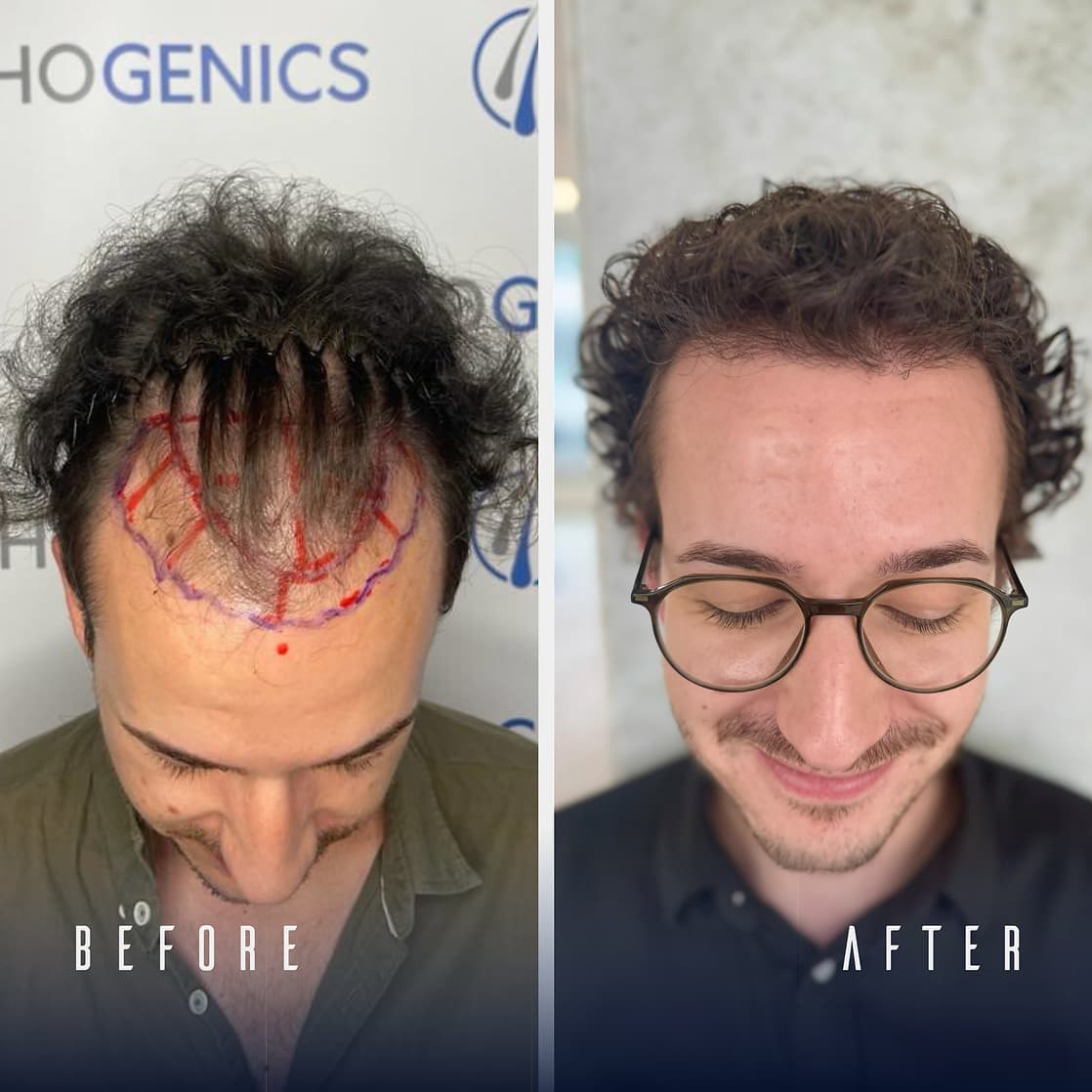
Hair transplant costs are highest in the United States, where large sessions of 4,000 to 5,000 grafts can exceed USD 30,000 to 40,000 in physician-led clinics.
The most expensive hair transplant in the world is usually performed in regulated medical settings where the surgeon completes the entire procedure and charges USD 8 to 10 per graft.
The price includes the operating room, medical staff, surgical planning, and follow-up visits. Greece and Israel also offer doctor-performed procedures at lower total costs while maintaining licensed medical standards.
Key Takeaways
- The most expensive hair transplant procedures are typically found in the United States, where large physician-performed sessions can exceed USD 30,000 due to high cost per graft and direct surgeon involvement.
- Hair transplant pricing varies depending on country, surgical model, and who performs the procedure, with Turkey often offering lower package prices and Greece or Israel providing regulated physician-led care at moderate costs.
- Cost alone does not determine quality, as long term results depend on graft survival, donor area management, and the experience of the hair transplant surgeon.
- Hair transplant surgery is often the most expensive hair loss treatment upfront, but it may provide long term value compared to ongoing medical therapies.
What Is the Highest Cost of a Hair Transplant?
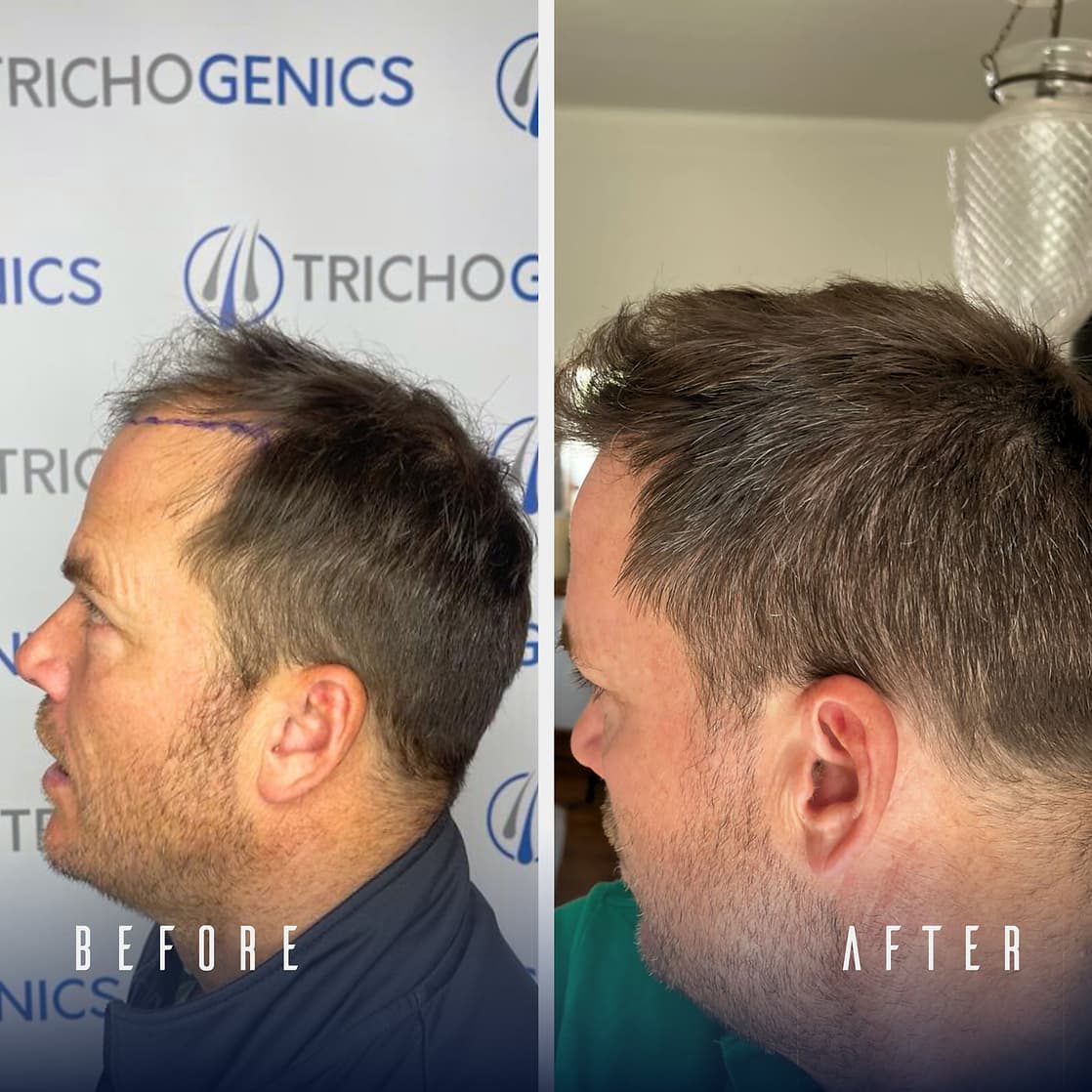
The highest cost of a hair transplant usually occurs in physician-performed procedures involving 3,000 to 5,000 grafts in regulated countries. In the United States, premium clinics may charge between USD 8 and 10 per graft.
A 4,000 graft case at USD 9 per graft results in a total cost of USD 36,000. This pricing includes surgical planning, anesthesia, graft extraction, implantation, and post-operative follow-up.
High cost often reflects the time allocated per patient. In physician-led settings, a single transplant procedure may take 6 to 8 hours.
The doctor performs follicular units extraction and supervises implantation angles to support natural looking results.
Cost increases when the surgeon performs every step of hair transplant surgery rather than delegating tasks.
Premium Price Range
Premium pricing typically exceeds USD 20,000 for large sessions in the USA. In New York or California, the most expensive hair transplant clinic may charge USD 25,000 to USD 35,000 for 4,000 to 5,000 grafts.
This range includes physician fees, certified operating rooms, and structured recovery protocols.
In contrast, Greece and Israel often range between USD 3,500 and USD 6,000 for a comparable physician-performed FUE hair transplant of 2,500 to 3,000 grafts.
The lower overall cost reflects regional healthcare economics rather than reduced medical oversight. These procedures are performed in licensed clinics with trained physicians and follow-up care.
Cost Per Graft Explained
@trichogenics How much does a hair transplant cost? And how much should you pay? Dr Asi Peretz explains. #trichogenics #hairtransplant #hairtransplantcost #hairtransplantgreece #hairtransplantturkey #hairtransplantcolombia #hairtransplantation #hairtransplantsurgery #hairloss #hairlosssolutions #hairtransformation #hairfall #hairfallsolution
♬ original sound - Trichogenics
Cost per graft is a standard pricing method in hair transplant procedures. A graft contains one to four follicular units. In the USA, cost per graft often ranges from USD 6 to USD 10. In Turkey, it may range from USD 1 to USD 2.50 in high-volume clinics.
Lower cost per graft often correlates with technician-driven extraction. In physician-led environments, the doctor evaluates the donor area to prevent overharvesting.
Proper graft spacing reduces long term thinning and protects future hair growth.
5000 Graft Procedure Cost
A 5,000 graft procedure represents an extensive transplant procedure usually reserved for advanced male pattern baldness. In the USA, this may cost USD 30,000 to 45,000. The session may be divided over two days to protect graft survival.
In Turkey, similar numbers may be advertised between USD 2,500 and 4,000 under a Turkey hair transplant package. These packages often include hotel stays and transportation but may involve limited direct physician time.
In Greece or Israel, a 5,000 graft physician-performed case may range between USD 7,000 and 10,000 depending on surgical complexity.
Most Expensive Hair Transplant by Country
Hair transplant cost varies depending on healthcare regulation, labor structure, and surgeon participation. Country comparison helps patients understand what is included in the final fee.
Most Expensive Hair Transplant in the USA
The most expensive hair transplant in the USA is driven by physician fees and overhead. Clinics often treat one patient per day. The surgeon performs follicular unit extraction FUE personally and supervises Choi pen implantation.
Typical features include:
- Certified operating room standards
- Direct physician extraction and implantation
- Post-operative follow-up visits
- Digital graft mapping
This structure increases cost but also increases surgical control. Patients researching regional pricing often compare figures such as hair transplant cost NYC or costs in other metropolitan areas.
Most Expensive Hair Transplant in Turkey
The most expensive hair transplant Turkey offers still remains lower than U.S. pricing. Even high-end Turkish clinics often price 4,000 graft sessions below USD 5,000.
Many centers operate high-volume models where multiple patients are treated daily.
Turkey hair transplant package pricing may include:
- Airport transfer
- Hotel accommodation
- Basic medications
- Limited follow-up
In some settings, technicians perform much of the extraction and implantation. Regulation standards vary depending on clinic licensing.
Hair Transplant Costs in Israel
In Israel, physician-performed hair transplant surgery typically ranges from USD 4,000 to 8,000 for 2,500 to 4,000 grafts.
Licensed clinics operate under structured medical oversight. Surgeons evaluate graft angle, density, and donor area stability before proceeding.
Procedures use recognized methods such as:
- FUE hair transplant
- DHI implantation
- Sapphire FUE blades
- Choi pen implantation
These methods aim to support controlled graft placement and stable long term hair growth.
What Makes a Hair Transplant Expensive?
@trichogenics How much does a hair transplant cost? And what is the right amount to pay for it? Dr Asi Peretz explains.#minoxidil #trichogenics #hairloss #hairlossremedy #hairlosssolutions #hairfall #hairfallsolution #hairtransplant #hairtransplantturkey #hairtransplantgreece #fyp #hairtransplantcost #hairtransplantsurgery
♬ original sound - Trichogenics
Several clinical elements influence price beyond location. Understanding these factors helps explain why the most expensive hair transplant surgeon may charge significantly more.
Clinic Infrastructure and Technology
Certified operating rooms increase safety. Licensed anesthesia protocols reduce complications. Digital planning systems help map follicular units for precise density.
High-standard clinics also limit the number of patients per day. This allocation improves graft handling and reduces dehydration risk.
Surgeon Experience and Reputation
A surgeon with formal training in dermatologic or plastic surgery may command higher fees.
Years of experience in treating men and women with male pattern baldness influence pricing. Reputation reflects documented outcomes rather than marketing claims.
Dr. Asi Peretz has published and lectured on hair restoration principles, emphasizing structured evaluation and donor preservation. Professional background contributes to fee structure but also reflects surgical oversight.
Doctor-Performed vs Technician Surgery
In some clinics, technicians perform graft extraction. In physician-led clinics, the doctor performs the extraction phase and supervises implantation. This distinction directly affects graft survival and reduces side effects such as uneven density.
Physician-performed extraction lowers the risk of donor area thinning. It also improves hairline design accuracy.
Advanced FUE and Graft Survival
Advanced follicular unit extraction FUE uses precision punches to minimize trauma. Proper storage of grafts in temperature-controlled solutions improves survival rate. Graft survival impacts long term density and overall hair growth.
Is Hair Transplant the Most Expensive Hair Loss Treatment?
Hair transplant surgery is often the most expensive hair loss treatment in a single-session cost comparison. However, long term costs differ when comparing ongoing medication use.
Hair Transplant vs Other Treatments
Other treatment for hair loss options include:
- Oral finasteride
- Topical minoxidil
- PRP injections
Some patients also explore regenerative approaches such as exosome therapy for hair restoration as adjunct treatments.
Long term medication use over 10 years may exceed USD 10,000. A single transplant procedure may provide permanent redistribution of existing hair.
Long-Term Cost Comparison
A patient undergoing 3,000 grafts in Greece at USD 5,000 may achieve stable coverage. In contrast, annual PRP sessions at USD 1,000 over 10 years total USD 10,000. Cost comparison must consider duration and maintenance.
@trichogenics 32 year old male 3200 grafts Average: 2.35 hairs/graft FUE 24 months after surgery #trichogenics #hairtransplant #hairtransplantturkey #hairloss #hairlosssolutions
♬ original sound - Trichogenics
Does Higher Cost Mean Better Results?
Higher cost does not automatically guarantee superior results. Surgical technique and physician involvement influence outcomes more than price alone.
Natural-Looking Results
Natural looking results depend on hairline design and graft angle. Improper angulation can create an artificial pattern. Skilled implantation aligns grafts with native hair direction.
Donor Area Protection
The donor area contains finite follicular units. Overharvesting leads to visible thinning. Structured extraction planning protects future surgical options.
Long-Term Outcomes
Long term stability depends on patient selection and realistic expectations. Hair transplant procedures redistribute existing hair rather than create new follicles. Results may vary depending on ongoing male pattern baldness progression.
Safety Standards and Medical Regulation
Hair transplant is a surgical intervention. Safety standards differ between countries. Regulation impacts training requirements and clinic oversight.
Complication Risks at Low-Cost Clinics
Potential side effects include infection, shock loss, and uneven density. In high-volume clinics treating multiple patients per day, time constraints may reduce individualized planning.
Reduced physician presence can affect graft precision. Patients researching poor outcomes often review cases of botched hair transplant results before committing to surgery.
Country-Level Regulation Differences
The USA, Greece, and Israel maintain structured medical licensing systems. Turkey also has licensed clinics, but regulatory enforcement varies across regions. Patients should verify physician credentials and facility accreditation.
Why Surgeon Oversight Matters
Direct surgeon oversight improves:
- Extraction accuracy
- Implantation angle control
- Donor area preservation
- Structured follow-up
Follow-up care identifies early complications and supports graft stability. Frequently asked questions often relate to swelling, shedding, and recovery timelines. Proper medical supervision reduces uncertainty during recovery.
Why Choose Trichogenics?
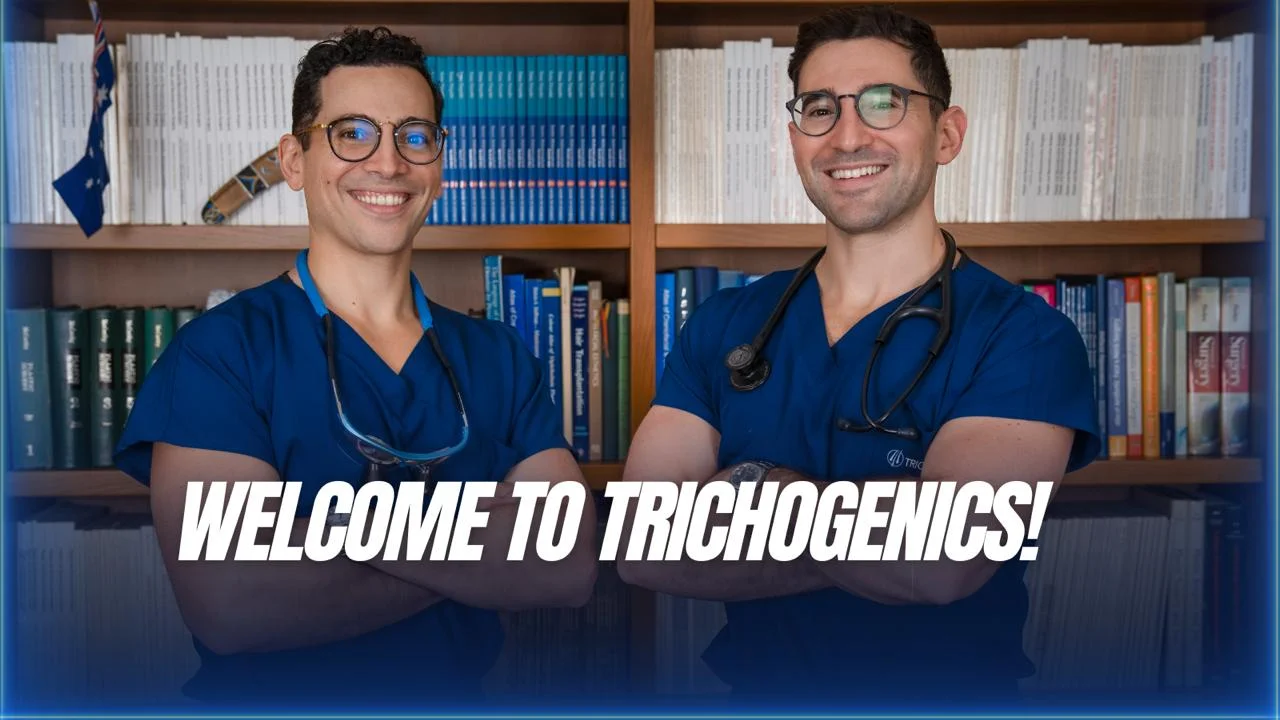
All procedures are performed only by doctors
The uniqueness of Trichogenics lies in its strict medical process; only certified doctors perform every transplant. No technicians or unqualified assistants are involved. Choosing a clinic with proven experience in hair transplants can make all the difference.
Meet Dr. Asi and Dr. Eric Peretz
The two doctors leading Trichogenics, Dr. Asi Peretz and Dr. Eric Peretz, are recognized leaders in the field. Their extensive experience, attention to detail, and focus on natural results make Trichogenics the best choice.
Contact Trichogenics today to schedule a personal consultation and get a clear, doctor-led plan for your hair restoration.


