

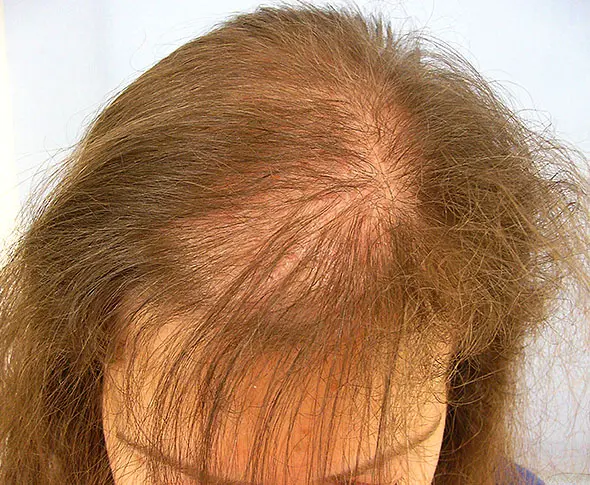
Thyroid hair loss is a common problem. It happens when thyroid hormone levels are not balanced, disrupting the normal hair growth cycle.
This often leads to diffuse thinning, increased shedding, and texture changes rather than isolated bald patches, a pattern similar to what is seen in diffuse thinning hair transplant evaluations, where density loss appears evenly across the scalp.
Both an underactive thyroid and an overactive thyroid can cause these changes. They often come with other symptoms like tiredness or weight changes.
Treatment focuses on correcting the underlying thyroid disorder through medical management, while hair regrowth follows gradually over time.
Results vary by individual, and improvement often takes several months after hormone levels stabilize.
Key Takeaways
- Thyroid hair loss most often causes diffuse thinning and increased shedding across the scalp rather than sudden bald patches, and it usually develops gradually over time.
- Both underactive and overactive thyroid conditions can disrupt the hair growth cycle, pushing hair follicles into a resting phase that leads to noticeable loss of hair weeks or months later.
- A proper diagnosis requires more than visible changes, since blood tests such as thyroid-stimulating hormone (TSH) are needed to confirm whether hair loss is linked to thyroid dysfunction.
- Treatment focuses on stabilizing thyroid hormone levels, and hair regrowth is possible in many cases but typically takes several months and varies based on individual health factors.
How to Tell If Hair Loss Is From Thyroid
Hair loss caused by thyroid disorders usually appears gradually and affects the entire scalp rather than specific areas. Many people first notice increased shedding during washing or brushing rather than sudden bald patches.
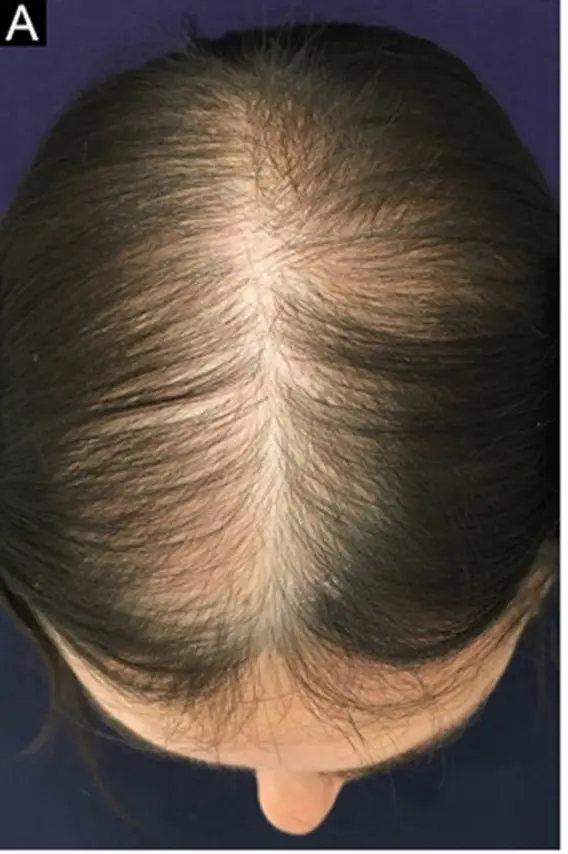
This pattern often points to thyroid dysfunction rather than primary scalp disease. Blood testing is required to confirm the cause.
Early warning signs of thyroid problems
Early signs often extend beyond hair changes. Many patients report fatigue, weight gain, cold sensitivity, or dry skin alongside brittle hair.
These signs reflect changes in thyroid hormone levels that affect multiple systems. Hair changes rarely appear alone.
When hair loss signals thyroid dysfunction
Hair loss becomes more suspicious when paired with abnormal lab results. Changes in the thyroid gland, a butterfly-shaped gland located in the neck, alter hormone output.
Disruption in thyroid hormone levels affects hair follicles over time. Shedding may continue for months even after treatment begins.
What Thyroid Hair Loss Looks Like
Thyroid hair thinning usually appears evenly across the scalp. The hairline often stays intact, unlike androgenetic loss. Volume loss tends to be more noticeable than visible bald spots. Eyebrows may also thin in some cases.
Diffuse thinning patterns
Diffuse thinning means hair density decreases everywhere. This pattern is common in thyroid diseases and autoimmune conditions. It differs from the patchy loss seen in alopecia areata. Many patients describe their ponytail becoming thinner.
Texture, volume, and density changes
Hair may feel dry, weak, or coarse. Brittle hair that breaks easily is common with thyroid conditions. Reduced shine and slower growth often follow. These changes reflect disruption of the hair growth cycle.
Thyroid Hair Loss Symptoms
Hair-related changes often appear alongside systemic symptoms. These signs help distinguish thyroid hair loss from other causes. Symptoms vary depending on whether the thyroid is underactive or overactive. Timing and progression matter.
Hair-related symptoms
Common hair symptoms include loss of hair volume, increased shedding, and slowed regrowth. Thyroid balding is rare, but thinning can become visible. Hair follicles enter resting phases too early. This leads to shedding weeks or months later.
Other thyroid-related symptoms
Non-hair symptoms help complete the picture. These may include weight gain, cold intolerance, mood changes, or heat sensitivity. Autoimmune thyroid conditions often involve fatigue and joint discomfort. These signs support a thyroid-based cause.
How Thyroid Conditions Cause Hair Loss
Hormones regulate how hair follicles grow and rest. Thyroid conditions disrupt this balance. Both hormone excess and deficiency affect scalp hair. The mechanism differs by condition.
Hypothyroidism hair loss
Hypothyroidism hair loss occurs when hormone levels drop. An underactive thyroid slows cell turnover. Thinning hair from hypothyroidism develops gradually. Regrowth often begins only after hormone correction.
Hyperthyroidism alopecia
Hyperthyroidism alopecia is linked to excess hormone levels. An overactive thyroid pushes follicles into a rapid cycle. Hair sheds faster than it can regrow. This form often improves once levels normalize.

Thyroid hair thinning vs balding
Thyroid hair thinning affects density, not pattern. True balding usually follows genetic pathways. Thyroid problems and thinning hair tend to spare the hairline. Differentiation guides treatment decisions.
How Thyroid Hormones Affect Hair Growth
Hair grows in phases regulated by hormones and nutrients. Thyroid hormone levels influence each stage. Disruption causes visible changes over time. Recovery depends on cycle timing.
Normal hair growth cycle
The hair growth cycle includes growth, transition, and rest phases. Hair follicles stay in growth for years under normal conditions. Thyroid disorders shorten this phase. More hairs enter shedding at once.
Hormone imbalance and shedding
Hormone imbalance shifts follicles into rest mode. Shedding may peak months after illness or diagnosis. Autoimmune thyroiditis diseases can prolong this effect. Patience is required during recovery.
Thyroid Hair Loss Treatment Options
Treatment focuses on restoring hormonal balance. Hair regrowth follows medical stabilization rather than cosmetic intervention. Surgical options are not the first-line treatment for thyroid hair loss. Clinical oversight is essential.
Medical treatment and hormone control
Doctors manage thyroid disorders with medication and monitoring. Thyroid-stimulating hormone (TSH) guides dose adjustment. Structured follow-up ensures stable levels over time. Hair improvement often lags behind lab correction.
Vitamins for thyroid hair loss
Vitamins support hair health only when deficiencies exist. Common nutrients discussed include iron, vitamin D, and zinc. Supplements do not replace hormone treatment. Use should follow medical advice.
@trichogenics What vitamin deficiencies cause hairloss? #vitaminhair #hairloss #hairlossremedy #hairlosssolutions #hairfall #biotin #biotinhair #vitaminb12 #vitamind #vitamins #hairtransplant #hairtransplantturkey
♬ original sound - Trichogenics
List – When medical evaluation is essential:
- Sudden diffuse hair shedding
- Hair loss with fatigue or weight changes
- Known thyroid diseases
Can Thyroid Hair Loss Be Reversed?
Many patients recover hair density after treatment. The outcome depends on duration and severity. Early diagnosis improves recovery odds. Expectations should remain realistic.
Can hair loss due to thyroid grow back?
Yes, in many cases, hair regrows once hormones stabilize. The hair growth cycle must restart naturally. This process takes months. Regrowth varies by individual.
Regrowth timeline and limits
Visible improvement often begins after three to six months. Full recovery may take up to a year. Autoimmune thyroid conditions can slow progress. Persistent loss may need further evaluation.
List – Factors affecting regrowth:
- Duration of thyroid dysfunction
- Age and overall health
- Presence of autoimmune conditions
Clinical Context on Hair Restoration
In cases where hair loss persists despite medical control, surgical consultation may be discussed. Doctor-led evaluation, physician training, and structured follow-up are essential elements of safe care.
Techniques such as FUE and DHI are used only when appropriate, following standards similar to those outlined in how successful are hair transplants, where patient selection and medical stability are central.
Patients are often advised to avoid countries with limited regulation, such as Turkey, and consider regulated environments like Israel or Greece, where medical oversight standards are clearly defined.
List – Key clinical considerations before surgery:
- Hormone stability
- Diagnosis confirmation
- Long-term follow-up planning
Why Choose Trichogenics?
All procedures are performed only by doctors
The uniqueness of Trichogenics lies in its strict medical process; only certified doctors perform every transplant. No technicians or unqualified assistants are involved. Choosing a clinic with proven experience in hair transplants can make all the difference.
Meet Dr. Asi and Dr. Eric Peretz
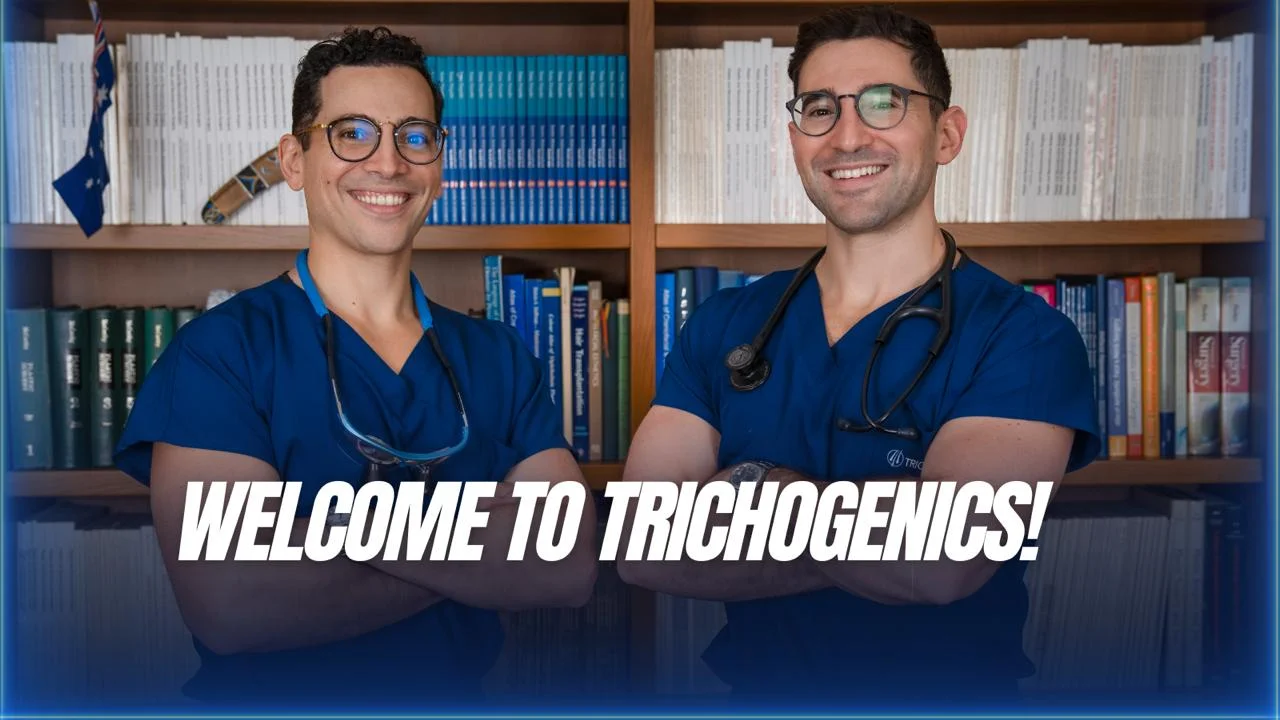
The two doctors leading Trichogenics, Dr. Asi Peretz and Dr. Eric Peretz, are recognized leaders in the field. Their extensive experience, attention to detail, and focus on natural results make Trichogenics the best choice.
Contact Trichogenics today to schedule a personal consultation and get a clear, doctor-led plan for your hair restoration.


