
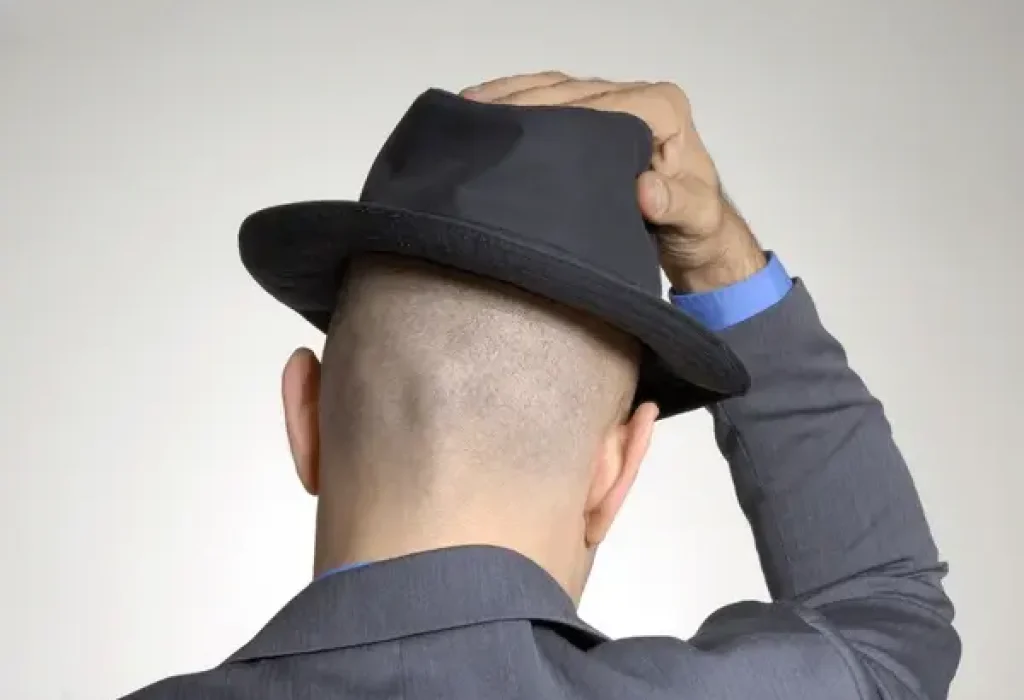
No, wearing a hat does not cause hair loss or baldness in most people. Concerns about whether wearing a hat causes hair loss usually arise when natural thinning becomes more noticeable, not because hats damage hair follicles.
Hair loss is typically driven by genetics, medical conditions, or temporary shedding cycles rather than headwear. In some cases, very tight or dirty hats may irritate the scalp, but this does not lead to permanent hair loss. Understanding the true causes helps separate common myths from medical facts.
Key Takeaways
- Wearing a hat does not cause hair loss or baldness; genetics and medical factors explain most cases of thinning and pattern hair loss.
- Very tight, dirty, or poorly fitting hats may irritate the scalp, but they do not damage hair follicles or cause permanent hair loss.
- Changes in the hairline or shedding are often related to androgenetic alopecia or to temporary conditions like telogen effluvium, not to headwear.
- Persistent thinning or shedding should be evaluated by a qualified hair restoration doctor to identify the cause and discuss appropriate treatment options.
Do Hats Actually Cause Hair Loss or Baldness?
Most medical sources agree that hats do not directly cause hair loss or baldness. Questions like ‘Does wearing a hat cause baldness?’ or ‘Can hats cause hair loss?’ usually stem from visible thinning that would have happened anyway.
Typical forms of hair loss develop beneath the scalp and are not triggered by fabric covering the head. In everyday use, hats do not damage follicles or stop hair growth.
That said, hats are often blamed when hair loss becomes noticeable. This timing creates confusion, especially for people already experiencing thinning hair.
In reality, hair loss tends to progress gradually, and hats simply draw attention to changes already underway. Understanding this difference helps separate myths from medical facts.
@trichogenics For common misconceptions people have about hair transplants. #trichogenics #hairloss #hairtransplant #hairtransplantturkey #hairtransplantgreece #hairfall #hairfallsolutions #hairlosssolutions #hairlossshampoo
♬ original sound - Trichogenics
Is It Bad to Wear a Hat Every Day?
Wearing a hat every day is generally safe for most people. Daily use of a hat does not block oxygen or blood flow to the scalp in a way that would lead to hair loss.
Hair follicles receive oxygen and nutrients through the bloodstream, not from the air. As a result, everyday hat use does not interfere with follicle function.
Issues only arise when hats are uncomfortable, unclean, or trap excess sweat. These situations may irritate the scalp but relate to hygiene and comfort rather than actual hair loss.
Similar confusion happens with lifestyle habits, which is why topics like does vaping cause hair loss are often discussed alongside hair loss myths.
Can Hats Cause a Receding Hairline or Thinning Hair?
Concerns about a receding hairline often overlap with questions like, ‘Do hats cause hair thinning?’ or ‘Can hats make you bald?’
In most cases, hairline changes are linked to male or female pattern baldness, both of which are driven by genetics.
This genetic condition affects both men and women and follows predictable patterns. Hats do not influence hormonal activity or follicle sensitivity.
Some people experiencing diffuse thinning hair may notice increased shedding and mistakenly attribute it to hat use.
While hats may press against the forehead, they do not change how hair follicles function beneath the skin.
Do Certain Hats Increase Hair Loss Risk?
Specific habits related to hat use can affect scalp comfort, though they rarely cause actual hair loss. These situations are often misunderstood and grouped together under the umbrella of wearing hats and hair loss.
The risk is not the hat itself but how it is worn and maintained. Understanding these details helps reduce unnecessary concern.
Tight, dirty, or backward hats
- Very tight hats can cause tension on hair shafts, which may contribute to hair loss in rare cases
- Dirty hats can trap oil and bacteria, leading to scalp irritation
- Wearing a hat backward may increase friction along the hairline
These factors may stress the scalp or hair shafts but do not usually permanently damage the hair follicles. Choosing loose-fitting hats and keeping them clean reduces these minor risks.
When Can Wearing Hats Affect Hair Health?
Hats may affect comfort when combined with other stressors. Heat, sweat, and friction can irritate sensitive scalps, especially in people with skin conditions.
This irritation does not equal permanent hair loss, but it can worsen shedding in some cases. Good scalp hygiene and breathable materials help prevent these issues.
Environmental conditions also matter. Environmental factors such as heat, humidity, and pollution influence scalp balance more than hats themselves. Managing these factors supports overall scalp and hair condition.
Will Hair Grow Back If You Stop Wearing Hats?
Hair regrowth depends on the underlying cause, not on stopping hat use. If shedding relates to temporary stress or irritation, hair often returns once the trigger resolves.
This is common in telogen effluvium, a condition where hair enters a resting phase due to stress or illness. In these cases, stopping the trigger may allow regrowth over time.
If hair loss is caused by genetics, removing a hat will not reverse it. Pattern hair loss progresses regardless of headwear. Understanding the cause helps set realistic expectations.
What Causes Hair Loss?
Hair loss can result from several medical and lifestyle factors. Knowing the types of hair loss helps clarify why hats are rarely the issue. Common causes include genetics, stress, and health conditions. In many cases, multiple factors act together.
Genetics and pattern baldness
- Androgenetic alopecia affects both men and women
- It explains most cases of male pattern baldness and female pattern baldness
- Hair loss follows predictable patterns over time
This form of hair loss does not respond to changes in daily habits, such as hat use.
Stress and temporary shedding
- Physical or emotional stress can trigger telogen effluvium
- Illness, surgery, or hormonal shifts may cause sudden shedding
- Hair often regrows once the body recovers
Understanding whether hair loss includes genetic or temporary causes guides proper care.
@trichogenics Dr Eric briefly describes the 4 major causes of Hairloss. The good news is that there are ways to combat these that actually work!
♬ original sound - Trichogenics
When to See a Hair Restoration Doctor
A medical evaluation helps determine whether hair loss is temporary or progressive. Persistent thinning, widening parts, or visible scalp may signal a need for professional input.
Doctor-led care allows proper diagnosis and treatment planning. In some cases, surgical options are discussed. Understanding how hair transplants work helps patients evaluate whether surgery is appropriate for genetic hair loss.
Hair restoration care often involves doctor-led procedures and structured follow-up. In clinical practice, techniques such as FUE, DHI, and Choi pen implantation are discussed based on patient needs.
Clinics operating in regulated settings, such as Greece and Israel, follow clear medical standards. In contrast, some patients traveling abroad, such as to Turkey, may face risks due to limited oversight and inconsistent regulations.
Why Choose Trichogenics?
All procedures are performed only by doctors
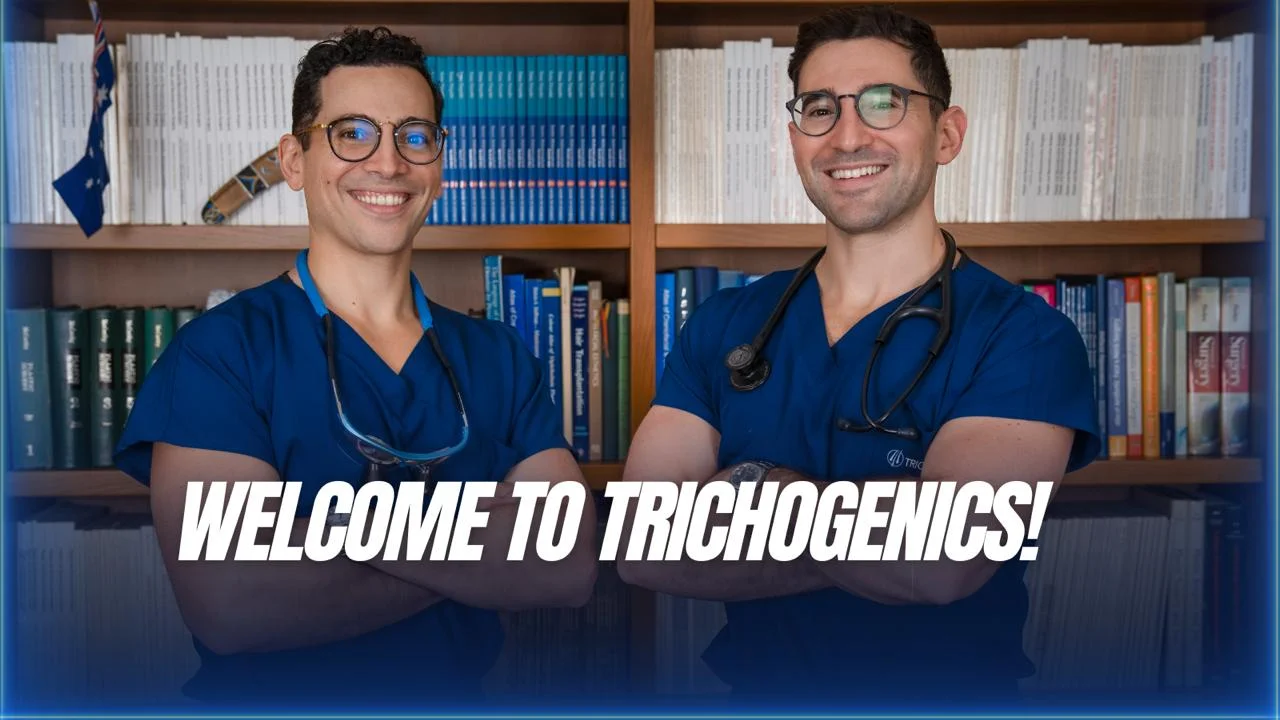
The uniqueness of Trichogenics lies in its strict medical process; only certified doctors perform every transplant. No technicians or unqualified assistants are involved. Choosing a clinic with proven experience in hair transplants can make all the difference.
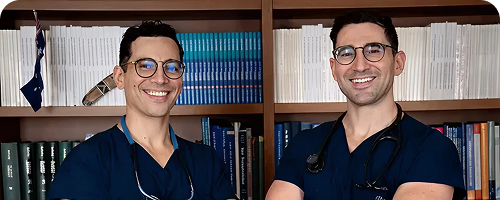
Meet Dr. Asi and Dr. Eric Peretz
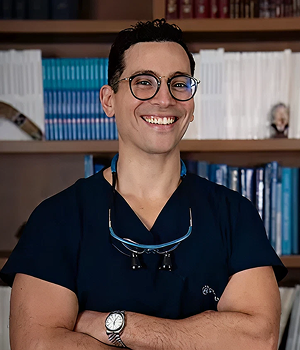
The two doctors leading Trichogenics, Dr. Asi Peretz and Dr. Eric Peretz, are recognized leaders in the field. Their extensive experience, attention to detail, and focus on natural results make Trichogenics the best choice.
Celebrity Hair Transplants
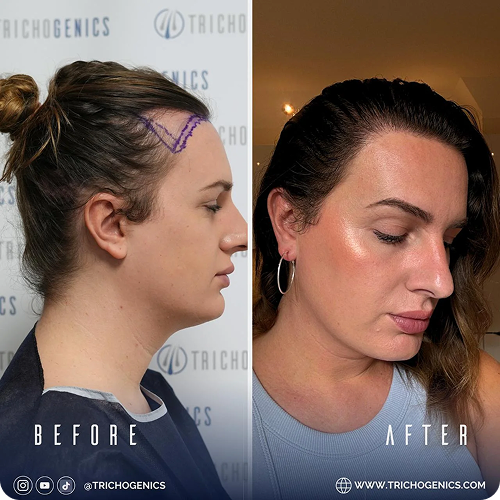
Who has undergone the procedure at Trichogenics? The answer is clear: a safe, professional clinic that delivers results that look great even under camera lights.
Contact Trichogenics today to schedule a personal consultation and get a clear, doctor-led plan for your hair restoration.