
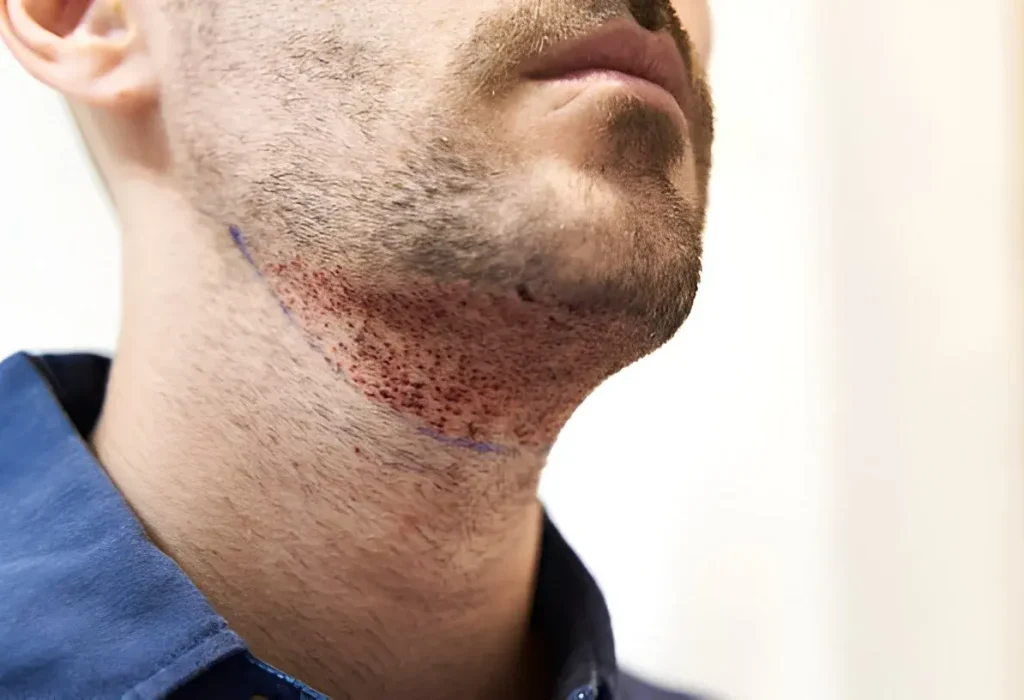
Beard hair can be used as a backup source for hair restoration when there is not enough scalp hair. The method called beard hair for hair transplant takes hair follicles from the beard. These follicles are then placed in specific areas on the scalp to improve coverage.
This method does not replace a regular scalp hair transplant. However, it can add density to specific bald areas if planned carefully. Outcomes depend on donor hair characteristics, placement strategy, and realistic expectations, which are explained in more detail below.
Key Takeaways
- Beard hair can be used as a secondary donor source for scalp restoration when scalp donor hair is limited, but it is typically used to support density rather than recreate a natural hairline.
- A beard to scalp transplant relies on follicular unit extraction and careful graft placement, as beard hair differs from scalp hair in thickness, growth cycle, and texture.
- Results vary based on donor quality, placement area, and blending with scalp grafts, making realistic expectations and proper planning essential.
- This approach is best suited for selected male patients with adequate beard density and should be performed by a qualified hair transplant surgeon within a regulated medical setting.
Can Beard Hair Be Used for Scalp Transplants?
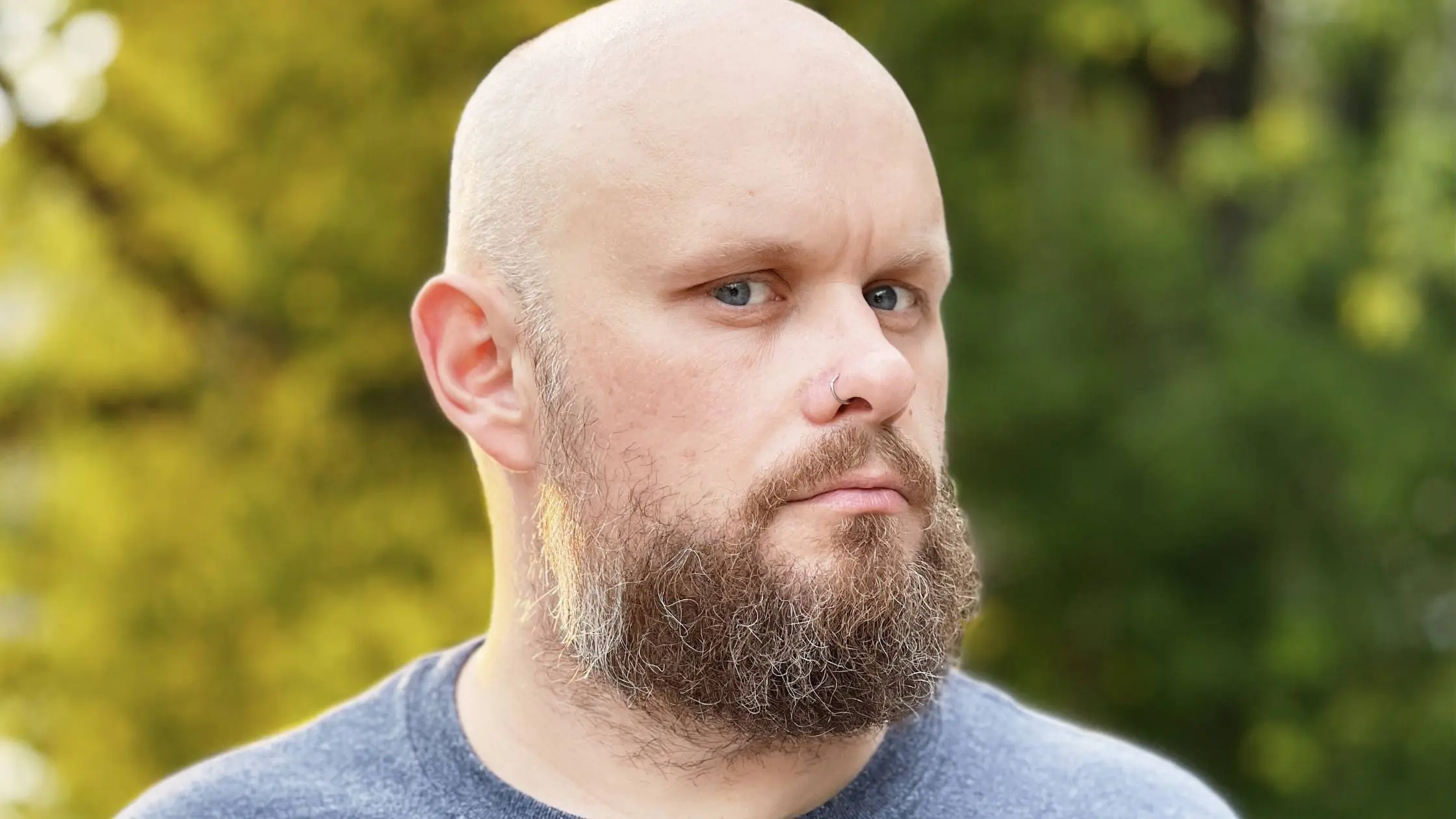
Yes, beard hair can be used in a beard to scalp transplant when scalp donor hair alone cannot meet coverage needs.
Surgeons evaluate all donor sources before recommending this option, including hair caliber, density, and recipient area requirements.
Beard follicles often have a thicker shaft, which can increase visual density in selected areas. This technique requires precise execution to avoid unnatural texture contrast.
For broader context on donor sources, surgeons often review options discussed in hair transplant from another person, which explains why only your own follicles are used.
Beard grafts are typically mixed with scalp grafts rather than used alone. Proper planning remains critical, and not every patient is a good candidate.
Beard Hair as Donor for Hair Transplant
When beard hair is recommended
Using beard hair for hair transplant procedures is usually considered when scalp donor hair is depleted due to advanced hair loss or prior surgeries. Men with dense, healthy beards tend to provide better donor quality.
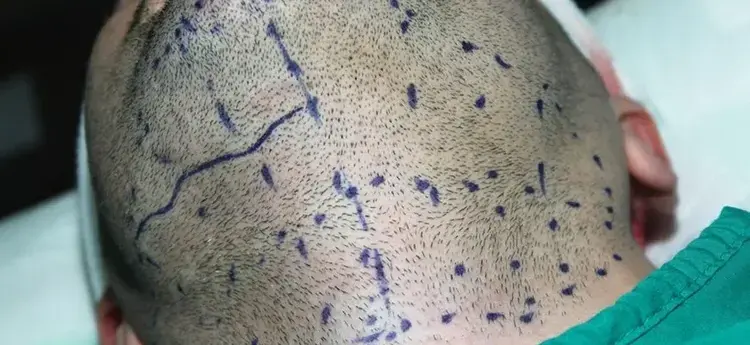
Beard hair is rarely used in frontal hairlines. Surgeons prefer it for mid-scalp or crown regions, where texture differences are less noticeable, as also discussed in crown hair transplant planning.
Hair quality and matching basics
Beard hair differs from scalp hair in growth cycle, curl pattern, and thickness. These differences affect how transplanted hairs behave once placed on the scalp.
Careful matching helps reduce visible contrast. Mixing harvested hair from the beard with scalp donor hair often improves visual consistency.
Key matching considerations include:
- Hair shaft diameter
- Curl and wave pattern
- Color contrast
- Growth direction
Ignoring these factors can lead to uneven texture or patchy appearance.
Graft counts and mixing strategy
Beard grafts for hair transplant procedures are usually limited in number. Surgeons plan graft counts based on donor area safety and cosmetic goals.
Overharvesting the beard area increases the risk of visible scarring. A balanced mixing strategy supports safer outcomes.
Common planning principles include:
- Prioritizing scalp grafts first
- Adding beard grafts for density support
- Avoiding high-visibility zones
- Preserving beard symmetry
Hair Transplant From Beard: How It’s Done
FUE extraction and graft handling
A hair transplant from a beard relies on follicular unit extraction FUE, which is a minimally invasive method. Individual follicles are removed from the donor site using small punches under local anesthesia.
This approach avoids linear scars and allows selective harvesting. The technique requires steady hand control and experience.
The harvested hair is carefully inspected before placement. Grafts damaged during extraction are not used. Proper hydration and handling protect graft survival. These steps directly influence final results.
Donor healing and scarring risk
Healing in the beard donor area is usually quick, but it varies by skin type and extraction density. Small white dots may remain, though visible scarring is uncommon when performed correctly.
Patients must follow post-procedure care instructions closely. Poor aftercare increases risks.
Factors affecting donor healing include:
- Skin tone and thickness
- Number of grafts removed
- Shaving and grooming habits
- Structured patient follow-up
Beard to Scalp Transplant Placement
Best scalp areas for beard grafts
Beard grafts perform best in mid-scalp and crown recipient areas. These regions tolerate thicker hair shafts better than the frontal hairline.
Proper angulation and spacing help reduce contrast. Surgeons plan recipient sites to match surrounding scalp hair flow.
Typical placement zones include:
- Central scalp
- Posterior scalp
- Crown reinforcement
This strategy supports more natural blending.
Areas surgeons avoid
Most hair transplant surgeons avoid placing beard grafts in the hairline or temples. These areas demand finer hair and precise softness.
Using beard hair there can create an unnatural look. Careful selection of recipient sites protects cosmetic outcomes.
Beard to Scalp Hair Transplant Results
Before and after expectations
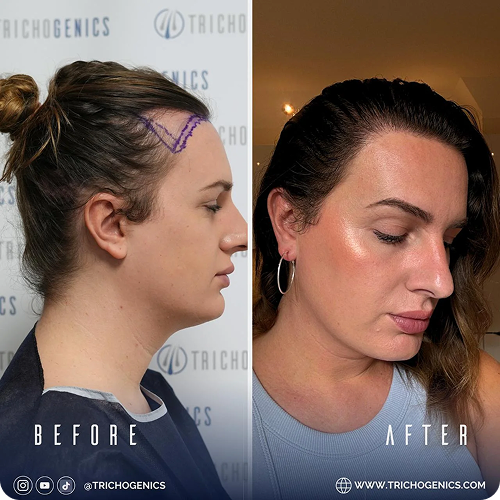
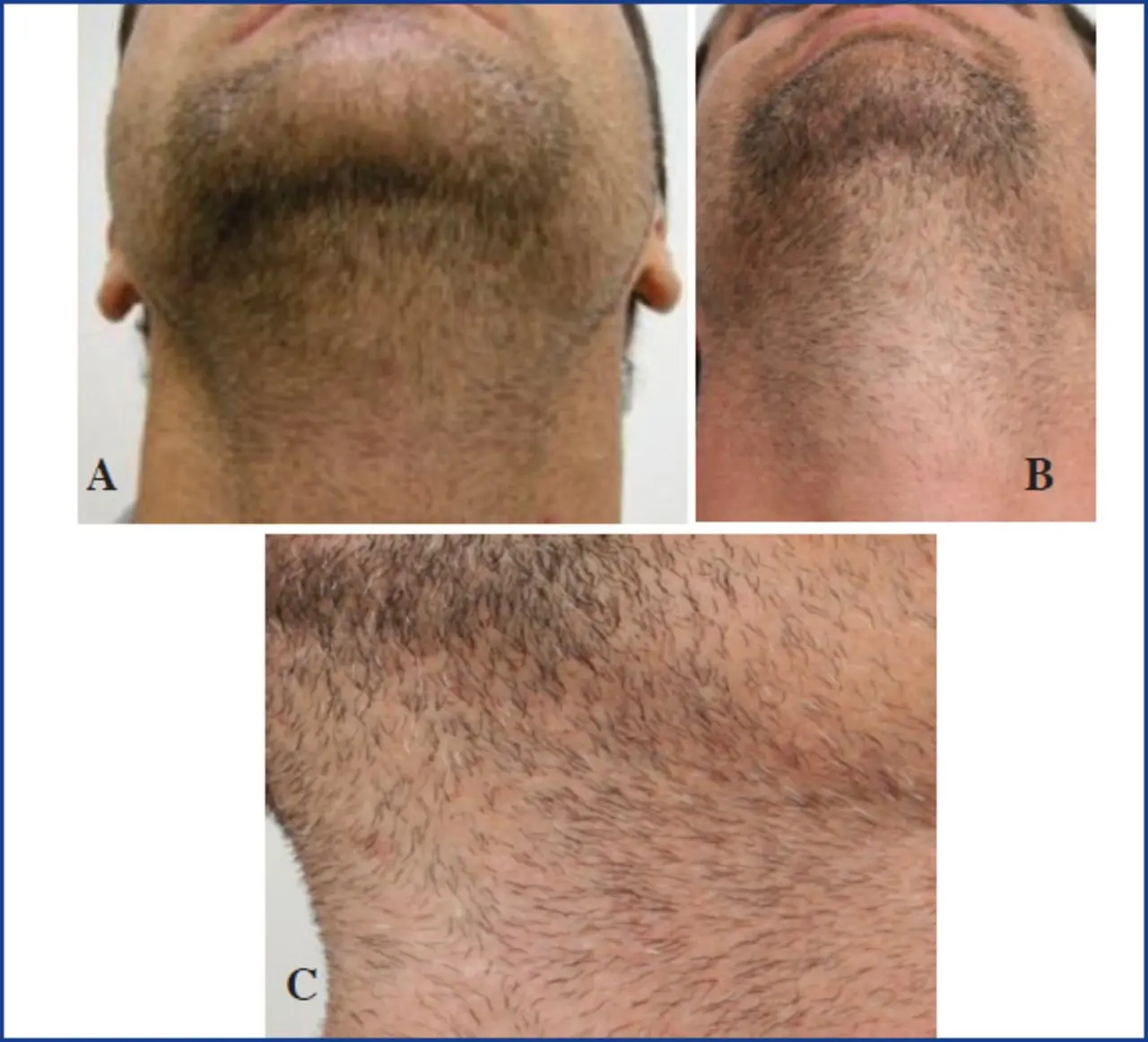
Beard to scalp transplant results vary based on donor quality and placement technique. Before and after comparisons often show improved coverage rather than full density restoration.
Beard hair adds visual thickness but does not replicate scalp hair behavior exactly. Patients should expect gradual improvement over several months.
Growth follows a typical cycle:
- Initial shedding phase
- Dormant period
- Gradual regrowth
- Final maturation
This timeline mirrors general expectations outlined in the hair transplant recovery timeline.
What “permanent” really means
Permanent beard hair for hair transplant refers to follicle survival, not immunity to future hair loss. Transplanted hairs retain donor characteristics after placement. Surrounding native hair may continue to thin. Long-term planning remains essential.
Risks, Side Effects, and Limitations
Beard transplant side effects
Side effects may include swelling, redness, and temporary numbness in the donor area. Ingrown hairs can occur during healing. Infection risk remains low with proper hygiene. Monitoring during follow-up visits helps detect issues early.
Potential side effects include:
- Local irritation
- Temporary sensitivity
- Minor pigment changes
Texture mismatch and density limits
Texture mismatch remains a key limitation of beard grafts for hair transplant use. Beard hair may appear coarser under certain lighting. Density limits also apply due to donor site safety. These constraints should be discussed clearly before surgery.
Who Is a Good Candidate?
Ideal candidates for beard-based procedures have strong beard density and limited scalp donor hair. Skin quality and healing capacity also matter.
Patients must accept realistic goals and variability in outcomes. A thorough evaluation by a qualified hair transplant surgeon supports safer decisions.
Patients may not be suitable if they have:
- Sparse beard growth
- High keloid risk
- Unrealistic expectations
- Active skin conditions
Is There a Hair Transplant for a Beard?
Yes, there is a hair transplant for a beard when patients seek fuller facial hair. In this case, follicles are usually taken from the scalp donor hair rather than the beard itself.
The transplant area focuses on shaping and density. As with an eyebrow transplant, precision is critical to align each graft with the natural growth direction.
Where do they get the hair for beard transplants?
For beard restoration, surgeons typically harvest follicles from the scalp donor site. The beard area serves as the recipient site in this scenario.
This differs from using beard hair for hair transplant on the scalp. Each approach serves a different clinical goal.
For men considering fuller or more defined facial hair, a beard transplant can provide a targeted approach to improving beard density and shape. Unlike using beard follicles as a donor source for scalp restoration, this procedure places hair follicles into areas of the beard that may be sparse or uneven, with careful attention to natural growth direction and facial proportions.
Geographic and safety context
Some patients consider traveling abroad for lower-cost surgery, including destinations like Turkey. In many cases, these regions lack consistent regulation, standardized physician training, and structured patient follow-up.
Greece and Israel maintain regulated medical frameworks that emphasize doctor-led procedures, documented techniques like fue hair transplant and DHI, and postoperative care.
These factors support patient safety rather than outcome guarantees.
Why Choose Trichogenics?
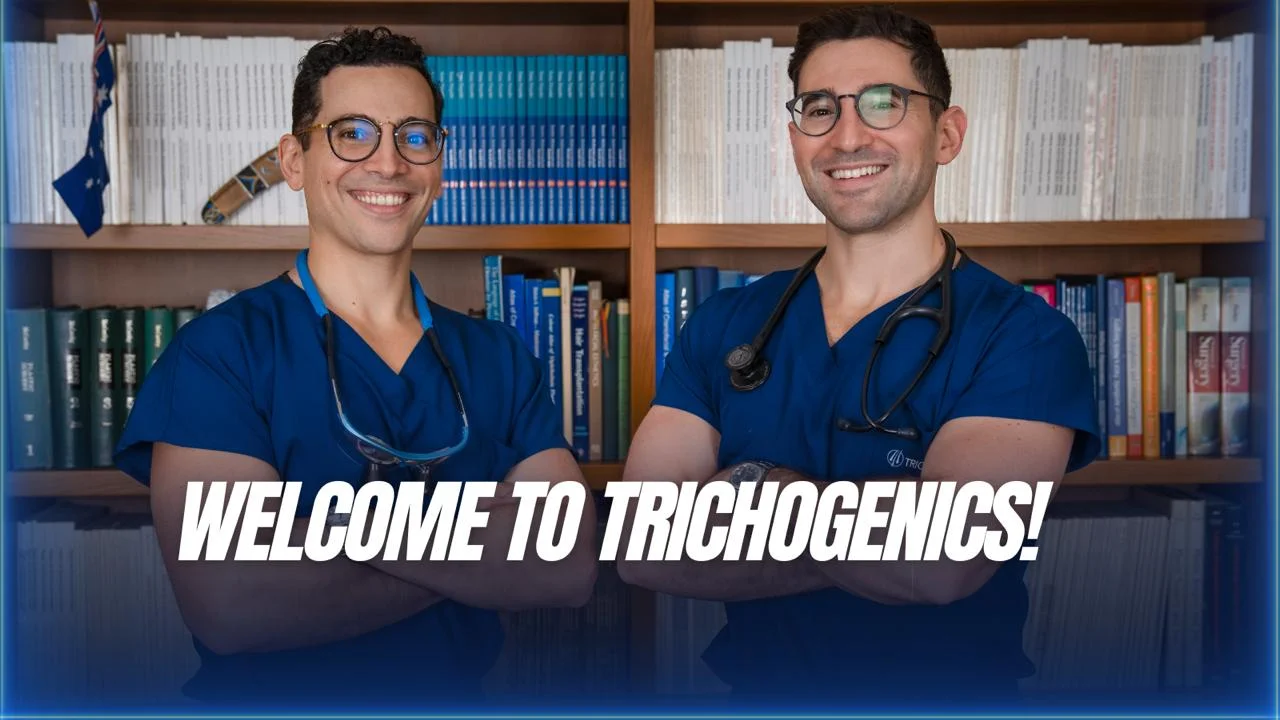
All procedures are performed only by doctors
The uniqueness of Trichogenics lies in its strict medical process; only certified doctors perform every transplant. No technicians or unqualified assistants are involved. Choosing a clinic with proven experience in hair transplants can make all the difference.
Meet Dr. Asi and Dr. Eric Peretz
The two doctors leading Trichogenics Dr. Asi Peretz and Dr. Eric Peretz are recognized leaders in the field. Their extensive experience, attention to detail, and focus on natural results make Trichogenics the best choice.
Celebrity Hair Transplants
Who has undergone the procedure at Trichogenics? The answer is clear: a safe, professional clinic that delivers results that look great even under camera lights.
Contact Trichogenics today to schedule a personal consultation and get a clear, doctor-led plan for your hair restoration.