
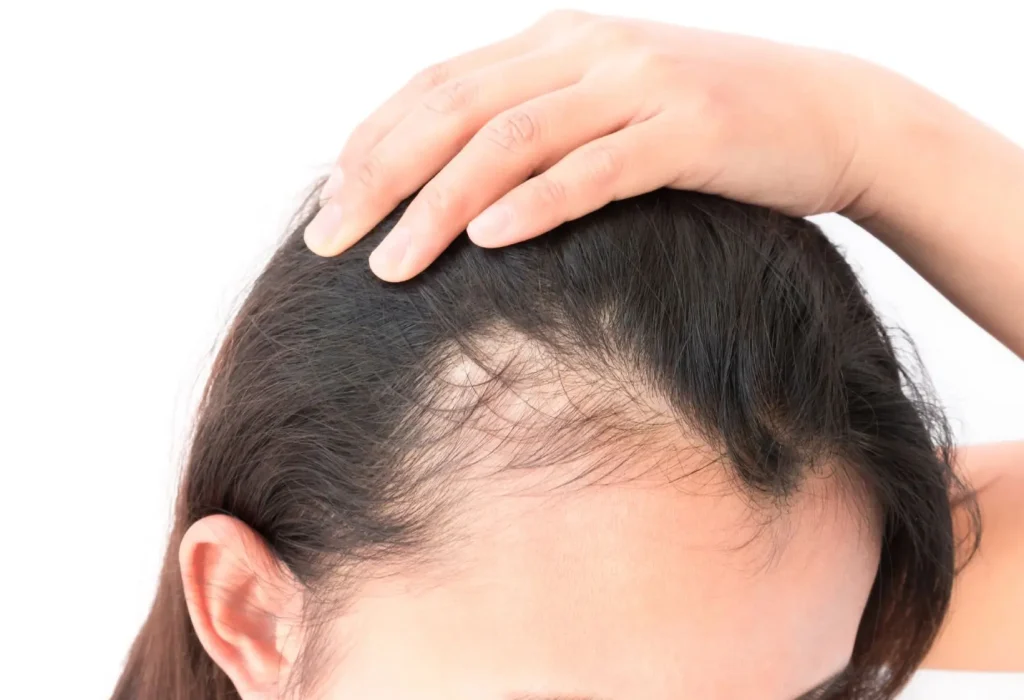
Yes, estrogen can cause hair loss, but the effect depends on timing, hormone balance, and individual sensitivity. Changes in estrogen levels can cause hair follicles to shift into a resting phase, resulting in increased hair shedding rather than immediate or permanent baldness.
This is why many people ask if estrogen causes hair loss during menopause, after pregnancy, or when starting or stopping hormone therapy. In most cases, the follicles remain healthy, and hair growth can return once hormone levels stabilize.
This pattern is commonly seen in postpartum hair loss, where hormonal shifts temporarily disrupt the growth cycle.
Key Takeaways
- Estrogen can influence hair loss by shifting follicles into a resting phase, which increases hair shedding rather than causing permanent baldness, and this change is often a temporary side effect of hormonal fluctuation.
- Most estrogen-related hair loss occurs during periods of hormonal change, such as menopause, postpartum recovery, or adjustments to hormone replacement therapy, and follicles often remain capable of regrowth.
- Hair loss linked to estrogen usually appears as diffuse thinning across the scalp, which differs from androgenetic alopecia and requires a different clinical evaluation.
- Accurate diagnosis depends on assessing hormone levels and identifying the specific type of hair loss, as effective treatment options vary based on whether the cause is hormonal, genetic, or a combination of both.
Can Estrogen Cause Hair Loss?
Estrogen and hair loss are linked through the hair growth cycle, which includes growth, transition, and rest phases. Estrogen usually supports longer growth phases, but sudden changes can push more hairs into rest.
When this shift happens, people notice hair shedding rather than bald patches. This explains why many ask if estrogen can cause hair loss during hormonal changes.
Common situations where estrogen changes may lead to shedding include:
- Menopause or postpartum hormone shifts
- Starting or stopping hormone replacement therapy HRT
- Sudden hormone imbalance from illness or medication
Hormone-related shedding is often confused with other causes, which is why differential diagnosis is important. In some cases, hormone-driven shedding can coexist with genetic thinning, such as diffuse thinning, which requires a different clinical approach.
What Estrogen-Related Hair Loss Looks Like
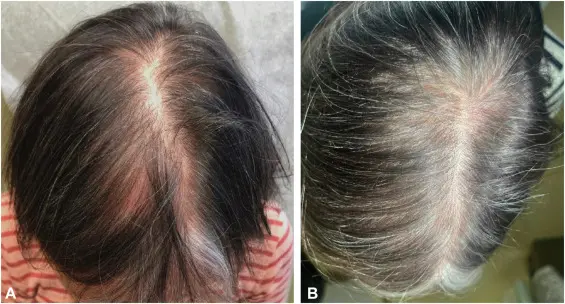
Estrogen-related hair loss usually appears as diffuse thinning across the scalp. The hairline stays intact, and density decreases evenly. This pattern often differs from male pattern baldness or female pattern hair loss, which follow predictable areas.
Key visual signs include:
- Increased hair shedding during washing or brushing
- Reduced volume without clear bald spots
- Slow regrowth that improves once hormones stabilize
This type of hair loss is often linked to telogen effluvium, a temporary shift in the growth cycle.
Estrogen and Hair Loss in Men
Estrogen affects men and women differently, but men also experience hormonal hair changes. In men, estrogen interacts with testosterone and its byproduct DHT. This balance helps explain why some ask why estrogen causes hair loss in men.
Men exploring hormone-related hair loss often overlap this concern with testosterone therapy. Questions around estrogen and testosterone balance commonly arise alongside concerns like TRT-related hair loss.
Estrogen and Hair Growth
Estrogen and hair growth are closely connected during stable hormone phases. Estrogen supports follicle activity and can slow age-related thinning. This leads to common questions such as does estrogen help hair growth and can estrogen help with hair loss.
Situations where estrogen may support growth include:
- Stable hormone levels during early adulthood
- Balanced estrogen and progesterone during the menstrual cycle
- Controlled hormone therapy under medical supervision
High levels or sudden drops, rather than normal ranges, are more likely to disrupt growth.
Facial Hair vs Scalp Hair Effects
Many people ask if estrogen causes hair growth on the face while scalp hair thins. Facial and scalp follicles respond differently to hormones. Facial hair is more sensitive to androgens, while scalp hair depends on overall hormone balance.
When estrogen drops, androgen effects may become more visible on the face. This does not mean estrogen directly causes facial hair growth. It reflects how hormone interaction varies by body area.
Will Hair Grow Back After Stopping Estrogen?
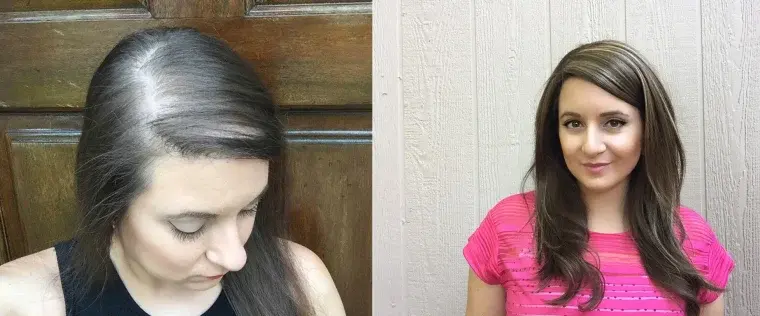
Hair regrowth depends on the type of hair loss and follicle health. In many cases, hair shedding linked to estrogen changes improves once hormone levels stabilize.
This is common after stopping hormone replacement therapy HRT or completing postpartum recovery.
Typical regrowth timelines include:
- 3 to 6 months for reduced shedding
- 6 to 12 months for visible density improvement
- Longer timelines if other hormones contribute to hair loss
Permanent loss is less likely unless androgenetic alopecia is also present.
Other Hormones That Cause Hair Loss
When asking what hormones cause hair loss, estrogen is only one factor. DHT plays a major role in androgenetic alopecia. Thyroid hormones and stress hormones also affect follicle cycling.
Hormonal factors that may lead to hair loss include:
- DHT sensitivity in male pattern baldness
- Thyroid imbalance affecting growth rate
- Cortisol spikes during chronic stress
Evaluating hormone levels helps identify the primary cause.
Diagnosis and Treatment Options
Diagnosis starts with reviewing medical history, symptoms, and lab testing. Blood tests often assess hormone levels to confirm hormone imbalance or rule out thyroid disease. Identifying the type of hair loss guides appropriate care.
Hair loss treatments may include:
- Medical therapy for hormonal hair regulation
- Monitoring and follow-up to track hair regrowth
- Surgical options when loss is permanent
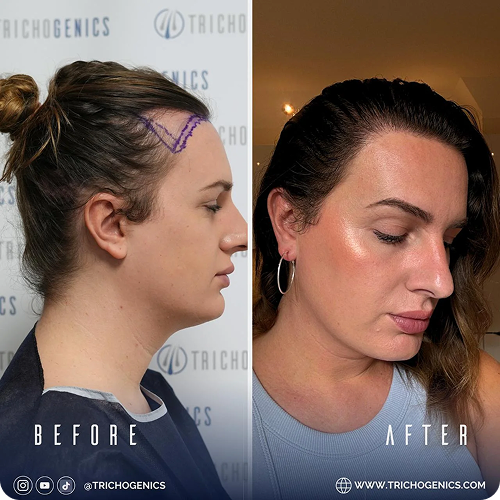
In surgical contexts, modern hair restoration emphasizes doctor-led procedures, structured follow-up, and advanced techniques such as FUE and DHI.
Understanding whether hair transplants truly work and what they cost helps patients make informed decisions.
Clinics operating in regulated environments like Greece and Israel follow established medical standards, while some countries abroad, including Turkey, have fewer consistent regulations, which raises safety concerns for patients considering travel.
A Balanced Clinical Outlook
Hormonal hair changes can feel alarming, but they often reflect temporary shifts rather than permanent damage. Understanding how estrogen interacts with the hair cycle helps set realistic expectations and prevents unnecessary concern.
Proper evaluation allows clinicians to identify the cause and select appropriate care. For patients with permanent loss, long-term solutions focus on durability and predictability, including understanding whether hair transplants are permanent.
Why Choose Trichogenics?
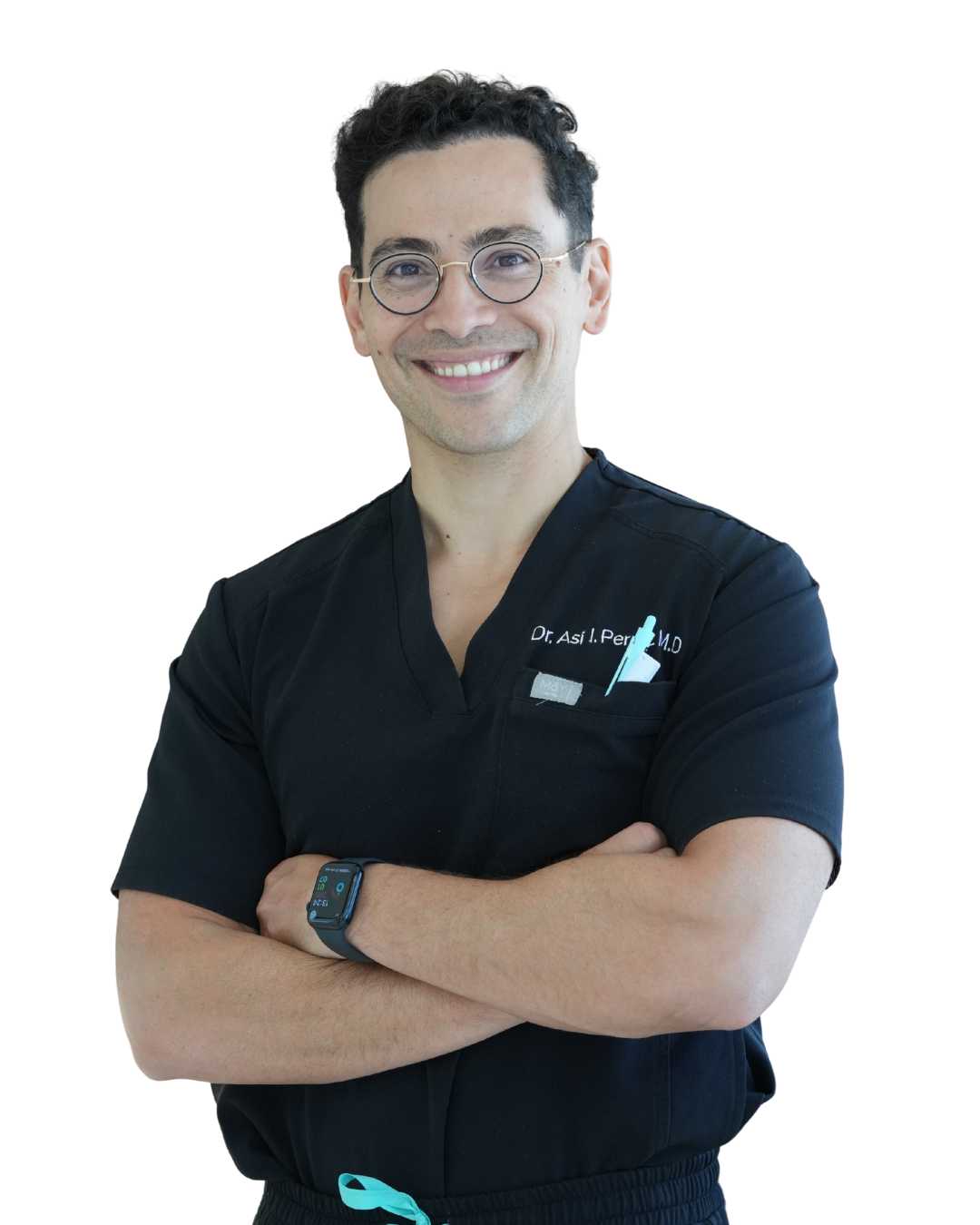
All procedures are performed only by doctors
The uniqueness of Trichogenics lies in its strict medical process; only certified doctors perform every transplant. No technicians or unqualified assistants are involved. Choosing a clinic with proven experience in hair transplants can make all the difference.
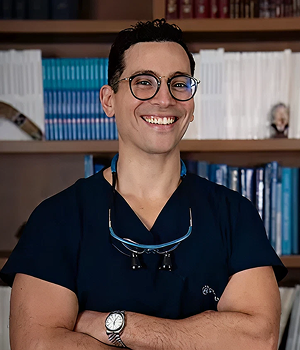
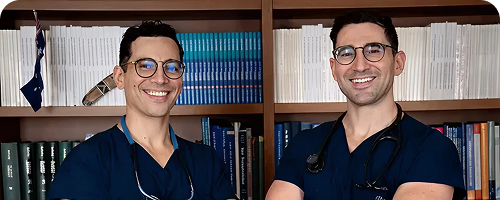
Meet Dr. Asi and Dr. Eric Peretz
The two doctors leading Trichogenics, Dr. Asi Peretz and Dr. Eric Peretz, are recognized leaders in the field. Their extensive experience, attention to detail, and focus on natural results make Trichogenics the best choice.
Contact Trichogenics today to schedule a personal consultation and get a clear, doctor-led plan for your hair restoration.