
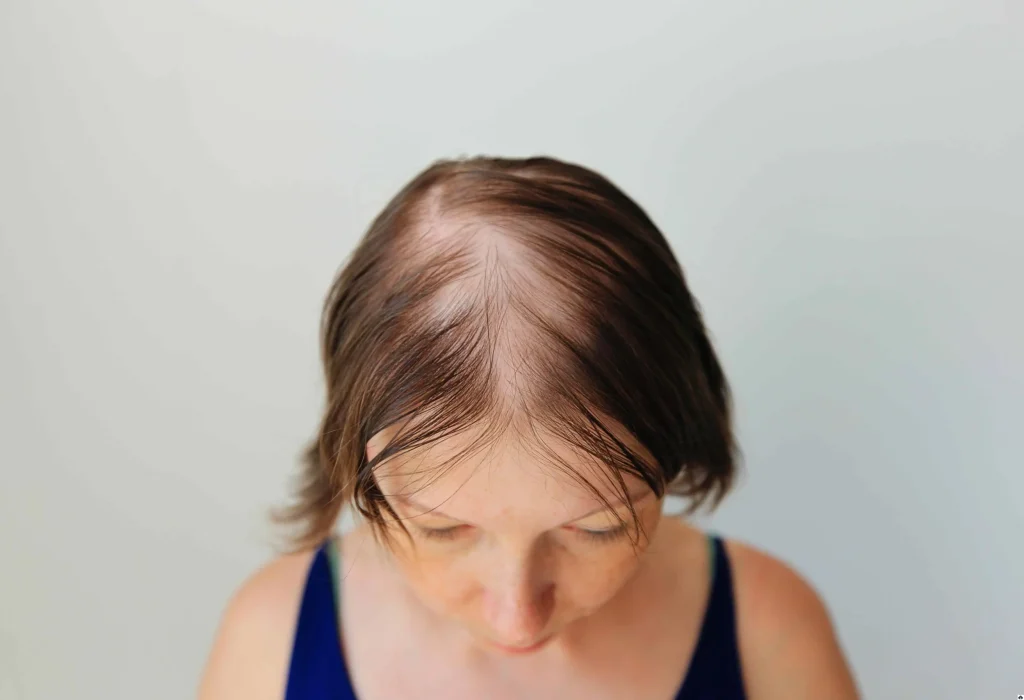
Diffuse thinning can be reversible. The outcome depends on the cause, how early it is found, and if the hair follicles stay active. In many cases, stress, illness, hormonal changes, or other temporary triggers can affect hair density. Hair density can improve once the main issue is treated and the hair growth cycle returns to normal.
When diffuse thinning occurs with chronic conditions like androgenetic alopecia, recovery may be limited. The focus is on stabilization instead of full regrowth.
This is why the question ” diffuse thinning reversible” does not have a single yes or no answer. Understanding the causes, stages, and treatment options helps clarify what level of recovery is realistic in each situation.
Key Takeaways
- Diffuse thinning can be reversible when it is identified early and linked to temporary triggers such as stress, illness, or hormonal changes, but outcomes depend on follicle health and timing.
- Diffuse thinning early stages often show subtle signs like reduced volume, increased shedding, and greater scalp visibility, especially when hair is wet.
- Permanent or long-term thinning is more likely when diffuse thinning overlaps with androgenetic alopecia or other chronic forms of hair loss.
- Accurate diagnosis and cause-based treatment guide recovery, with timelines often measured in months rather than weeks.
How Reversible Is Diffuse Thinning?
Diffuse thinning can be reversible when the underlying cause is temporary and the hair follicles remain active. Conditions such as stress-related excessive hair shedding or nutritional imbalance often improve once the trigger resolves.
In these cases, hairs fall during a resting phase of the hair growth cycle but later regrow. Reversibility depends on how long the follicles have been affected.
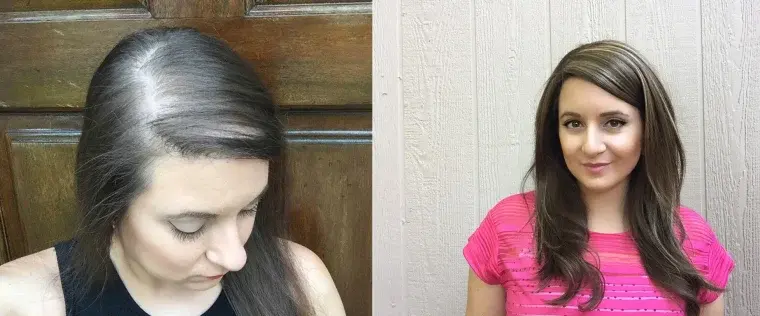
Can hair grow back after diffuse thinning?
Hair can grow back when diffuse thinning results from a short-term medical condition, medication effect, or hormonal shift. Follicles that re-enter the active phase of the hair growth cycle can produce new hair strands over time.
This process is gradual and may take several months. Early regrowth often appears fine and uneven.
Is diffuse thinning permanent?
Diffuse thinning may become permanent when it overlaps with androgenetic alopecia. In these cases, follicles shrink over time and lose the ability to produce thick hair.
Early evaluation helps clarify long-term risk. This overlap is discussed in more detail in diffuse thinning hair transplant
What Is Diffuse Thinning?
Diffuse thinning is a form of hair loss marked by reduced density across the scalp. Instead of losing hair in a defined area, patients notice overall thinning and more scalp visibility. Many people first notice it during washing or styling.
Understanding what diffuse thinning is helps separate it from other types of hair loss.
Diffuse balding vs pattern loss
Diffuse balding affects the entire scalp, while pattern loss follows predictable areas such as a receding hairline or crown.
Pattern loss is commonly linked to androgenetic alopecia. Understanding this distinction becomes important when evaluating whether are hair transplants permanent
Diffuse Thinning Stages and Early Signs
Diffuse thinning develops gradually and often goes unnoticed at first. Early signs are subtle and easy to miss. Recognizing changes early improves the chance of stabilizing hair loss.
Common early signs include:
- Reduced volume when styling
- More hairs fall during brushing or washing
- Thinner-looking hair strands
- Increased scalp visibility under light
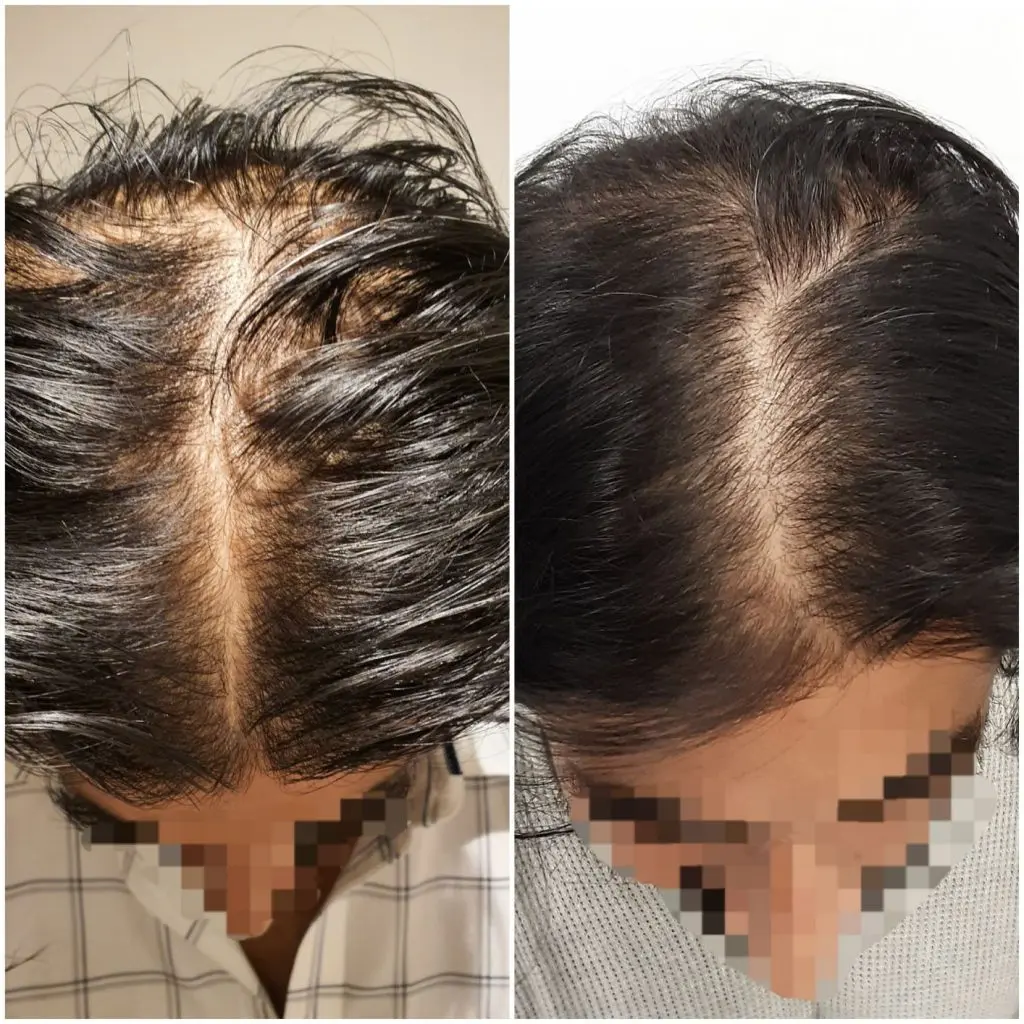
Diffuse thinning wet hair changes
Diffuse thinning wet hair often looks worse because water causes hair strands to clump together. This makes scalp exposure more noticeable.
Many patients first become concerned after seeing their scalp through wet hair. This visual change alone does not confirm severity.
Diffuse Thinning Causes
Diffuse thinning has multiple possible causes, and more than one may be present at the same time. Identifying the cause guides clinical decisions. A proper medical review is essential.
Common causes include:
- Physical or emotional stress
- Illness, surgery, or infection
- Hormonal shifts or thyroid disorders
- Nutritional deficiencies
- Medication side effects
Stress, illness, and shedding triggers can disrupt the hair growth cycle and push hairs into a resting phase.
Hormonal triggers are a frequent cause. Temporary shedding related to pregnancy and recovery is a well-known example, commonly referred to as postpartum hair loss
Male Diffuse Thinning
Diffuse thinning also affects men and can be misinterpreted as standard pattern hair loss. Diffuse thinning men often notice even density loss rather than a clear bald spot. This can delay diagnosis.
Male diffuse thinning vs MPB
Male pattern baldness usually affects the temples and crown first. Diffuse thinning spreads evenly across the scalp. This distinction matters when patients consider procedural options such as FUE hair transplant
Is Hair Thinning Reversible Naturally?
Some people ask whether hair thinning improves without medical treatments. Natural measures may help in limited situations. They do not address all causes.
Supportive natural measures include:
- Balanced nutrition with adequate protein and iron
- Managing sleep and stress
- Gentle scalp and hair care
When “natural” isn’t enough
Natural approaches cannot reverse follicle shrinkage linked to androgenetic alopecia. They also cannot correct hormonal disorders alone. Medical treatments may be needed when shedding persists or worsens.
Diffuse Thinning Treatment
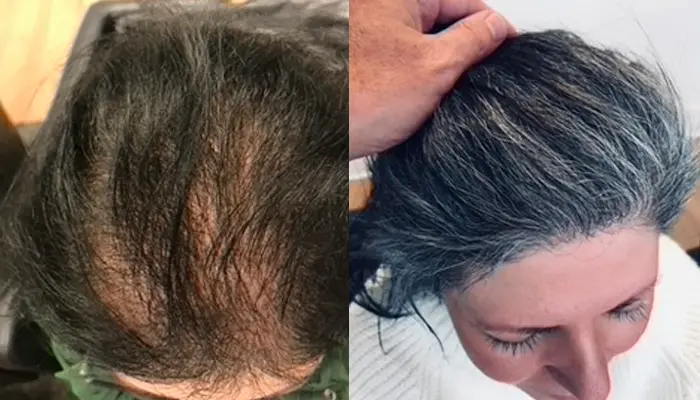
Treatment depends on cause, stage, and patient factors. There is no single effective treatment for every case. A tailored approach is required.
Diffuse thinning treatment options may include:
- Addressing thyroid disorders or deficiencies
- Adjusting medications linked to hair loss
- Topical or oral medical treatments
- Monitoring hair growth cycle response
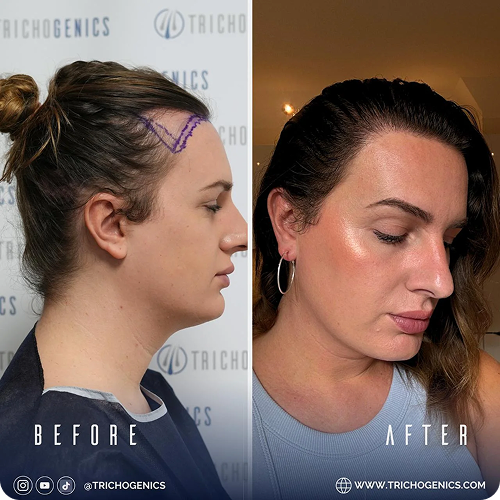
Medical treatments often require follow-up to track progress. In selected cases, hair transplantation may be discussed after stabilization. Techniques such as FUE, DHI, and Choi pen implantation are recognized methods when surgery is appropriate.
How Long Does Recovery Take?
Recovery timelines vary based on cause and follicle health. Hair growth is slow, and changes take time. Setting realistic expectations is essential.
Typical timelines include:
- 3 to 6 months for reduced shedding
- 6 to 12 months for visible density change
- Longer periods for full assessment
Early regrowth may appear as fine hair strands that thicken gradually. Consistent follow-up helps confirm progress.
Diagnosis and When to See a Doctor
Professional evaluation is important when hair loss persists or accelerates. Early diagnosis improves outcomes. Self-assessment alone may miss treatable conditions.
Doctors typically evaluate:
- Medical history and symptoms
- Scalp and hair density patterns
- Blood tests when indicated
- The current phase of the hair
Seek care if hair loss is rapid, patchy, or associated with other symptoms. Bald patches, scalp discomfort, or sudden density loss require evaluation.
Results and Expectations
Outcomes vary between individuals. Results depend on diagnosis, timing, and adherence to treatment. No approach guarantees full restoration.
Signs of improvement include:
- Reduced excessive hair shedding
- Improved texture and strength
- Gradual increase in visible density
Limits exist when follicle damage is advanced or long standing. In these cases, goals focus on stabilization rather than full regrowth.
Why Choose Trichogenics?
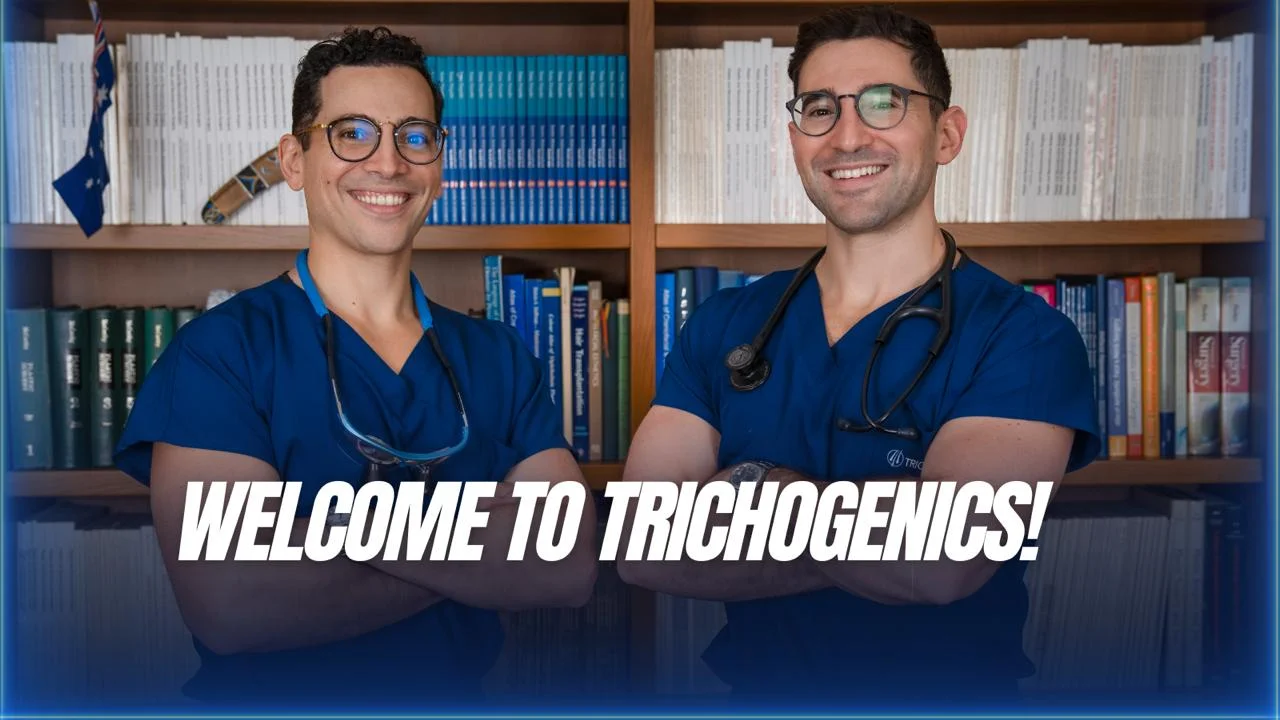
All procedures are performed only by doctors
The uniqueness of Trichogenics lies in its strict medical process; only certified doctors perform every transplant. No technicians or unqualified assistants are involved. Choosing a clinic with proven experience in hair transplants can make all the difference.
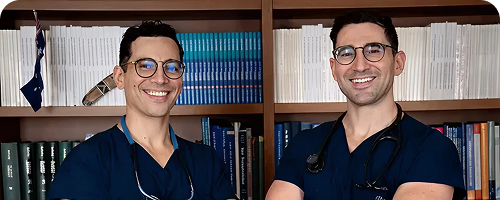
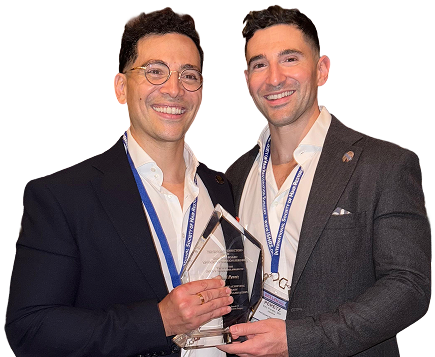
Meet Dr. Asi and Dr. Eric Peretz
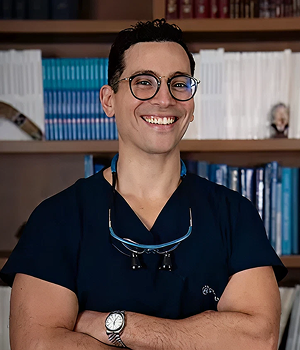
The two doctors leading Trichogenics Dr. Asi Peretz and Dr. Eric Peretz are recognized leaders in the field. Their extensive experience, attention to detail, and focus on natural results make Trichogenics the best choice.
Contact Trichogenics today to schedule a personal consultation and get a clear, doctor-led plan for your hair restoration.