
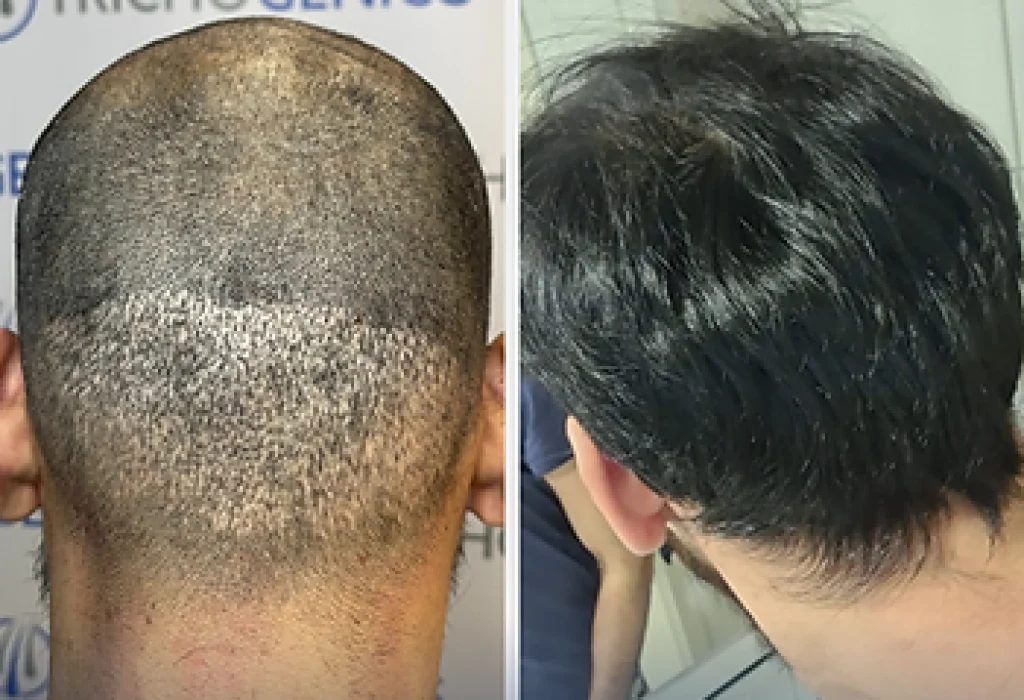
After a hair transplant, the donor area heals from small wounds where follicles were taken. The surrounding hair continues to grow and provides coverage.
For most people, redness and scabbing typically subside within a few days. The skin looks mostly normal in about two weeks. It continues to improve in the weeks after that.
When people ask about the donor area after a hair transplant, the key point is that the removed follicles do not grow back. However, the nearby hair stays active and helps keep a natural look. Final appearance depends on technique, spacing, and aftercare, which are explained in more detail below.
Key Takeaways
- After a hair transplant, the donor area heals through small extraction sites, with redness and scabbing fading within about two weeks while surrounding hair continues to grow and provide coverage.
- Hair follicles removed from the donor area do not grow back in the same spot, but careful spacing allows remaining hair to maintain a natural and even appearance.
- Recovery time and final donor area appearance depend on the technique used, the number of grafts taken, and proper aftercare during the healing process.
- Long-term results are usually stable by one year, and well-planned procedures help minimize visible thinning or scarring in the donor area.
What Happens to the Donor Area After Hair Transplant
Right after hair transplant surgery, small extraction marks appear on the scalp. These marks show where hair grafts were removed during the hair transplant procedure.
The area may look red, swollen, or slightly raised. This response is normal and part of the healing process.
In the back of the head after a hair transplant, some people feel tightness or mild pain. This usually improves within a few days. The hair in the donor continues to grow around the extraction points. Early changes do not represent the outcome.
During the first days and weeks, patients often notice:
- Small scabs are forming over the extraction sites
- Mild redness that fades gradually
- Temporary sensitivity or itching
- Continued growth of the surrounding hair
These early changes are normal and do not represent the final result. Similar recovery patterns are detailed in the hair transplant recovery timeline.
@trichogenics What happens to the hair In your donor area after a hair transplant. Dr Eric Peretz explains. #trichogenics #hairtransplant #hairtransplantturkey #hairtransplantgreece #hairtransplantation #hairtransplantsurgery #hairloss #hairlosssolutions #hairlossremedy #hairtransformation #hairfall #fyp
♬ original sound - Trichogenics
Donor Area Healing and Recovery
Hair transplant donor area recovery follows a predictable timeline. Small scabs form within the first few days and protect the skin while it heals. These scabs fall off on their own without treatment.
Typical donor area recovery timeline:
- Days 1–3: Redness, scabs, mild soreness
- Days 4–7: Scabs begin to fall off
- Days 8–14: Skin tone evens out, sensitivity drops
- After 14 days: The area often looks close to normal
By two weeks, visible healing is usually complete, though deeper healing continues. Post-surgical care guidance is also covered in the hair transplant aftercare guide.
Is it okay to touch the donor area after a hair transplant
Light touching during gentle washing is usually allowed after a few days, based on medical guidance. Scratching or rubbing should be avoided while scabs are present. Excess pressure can damage healing hair shafts and slow the healing process.
Common recovery signs include:
- Mild redness during the first week
- Scabs that fall off naturally
- Reduced sensitivity after two weeks
- Gradual return of normal skin texture
Donor Area Before and After Transplant
Before surgery, the donor area is examined to measure hair density, scalp health, and hair strength. This evaluation helps decide the safe number of grafts that can be removed. Good planning protects the donor area from visible thinning later.
After surgery, the donor area may look thinner temporarily. As surrounding hair grows, coverage improves. This before-and-after process is commonly reviewed in donor area recovery time discussions, like hair transplant aftercare.
When comparing the donor area before and after transplant, patients often notice:
- Temporary redness or scabbing
- Short-term thinning due to healing
- Gradual improvement as hair grows
- Better blending with nearby hair over time
Does the Donor Area Grow Back After a Hair Transplant
A common question is, does the donor area grow back after a hair transplant? Hair follicles removed during follicular unit extraction FUE do not grow back in the same spot. Once removed, these follicles are placed into balding areas of the scalp.
When people ask if the donor hair grows back, they usually mean how the area looks. Hair transplant donor area regrowth refers to the continued growth of nearby follicles that were not removed.
These follicles keep producing hair shafts, which helps preserve a natural appearance.
Key points to understand:
- Removed follicles do not return
- Surrounding follicles remain active
- Even spacing protects long-term hair density
This concept is often misunderstood in online discussions about whether hair transplants are permanent.
Donor Sites and Extraction Impact
Donor sites for hair transplant are usually located at the back and sides of the head. These areas resist hair loss better than other parts of the scalp. This makes them reliable for many hair restoration surgeries.
In FUE hair transplantation, follicles are removed one by one. Each extraction creates a very small opening that heals on its own. The FUE procedure leaves small dot marks that fade with time and are often hard to see once hair grows.
In follicular unit transplantation FUT, a strip of scalp is removed. This results in a linear scar that may be visible if hair is worn short. Both are accepted hair transplant techniques, but they affect the donor area in different ways.
Extraction differences include:
- FUE leaves small, round scars
- FUT leaves one linear scar
- Technique choice affects healing and appearance
Who Is a Good Candidate for Donor Hair Extraction
Not every patient has the same donor capacity. Hair density, hair thickness, and scalp condition all affect how many grafts can be taken safely. These factors are reviewed before any hair transplant procedure begins.
Patients with strong donor hair often have more flexibility. Those with weaker donor areas may need a more conservative plan. Careful evaluation helps protect donor hair for possible future hair restoration procedures.
Is My Donor Area Overharvested
Over-harvesting happens when too many hair grafts are taken from one area. This can lead to thinning that does not improve over time. Planning the number of grafts carefully helps prevent this problem.
Signs include uneven density and visible gaps. Proper planning and surgeon experience help prevent this issue. Severe cases may appear in discussions of botched hair transplants.
What Is Normal vs Not Normal in the Donor Area
@trichogenics Hair transplant basics. The concept of coverage value for proper donor area management. #hairtransplant #hairtransplantgreece #hairtransplantturkey #hairlosssolutions #hairloss #hairfall #finasteride #trichogenics #minoxidil #finastride #coveragevalue #fue #fyp
♬ original sound - Trichogenics
Many donor area changes during recovery are normal. Redness, mild soreness, and short-term thinning often improve as healing continues. These changes usually resolve as hair grows and the skin settles.
Some signs may need medical review. Ongoing pain, patchy bald spots, or delayed healing can point to a problem. Knowing the difference helps patients respond appropriately.
Normal changes include:
- Redness that fades with time
- Temporary thinning from short hair
- Mild itching during healing
Changes that may need evaluation include:
- Persistent patchy thinning
- Worsening pain
- Skin that does not heal properly
FUE Donor Area After 1 Year
After one year, the donor area reaches a stable appearance. Skin texture feels normal, and most extraction marks are difficult to see. This is typical for well-planned FUE cases.
Hair density at this stage reflects how evenly follicles were removed. When spacing is done correctly, the donor area blends naturally with the rest of the scalp. Long-term results depend on planning and care.
Why Donor Area Planning Matters for Future Hair Loss
Hair loss can continue over time, even after surgery. This means donor hair should be preserved for future needs. Removing too many grafts early can limit later options.
Good planning balances current goals with long-term changes. Surgeons consider how hair loss may progress and protect donor hair accordingly. This approach supports safer hair restoration procedures over time.
How to Improve the Hair Donor Area
Good aftercare supports healthy healing. Gentle washing keeps the scalp clean without irritation. Avoiding friction and sun exposure helps protect healing skin.
Hair length can help with coverage during the early months. Keeping hair slightly longer may hide temporary thinning. Most patients return to normal grooming habits over time.
Helpful care habits include:
- Using mild shampoo
- Avoiding scratching and heat
- Protecting the scalp from sun exposure
Head After Hair Transplant: Final Outcome
The head after a hair transplant includes both the donor and transplanted area healing together. The transplanted area follows a longer growth cycle, while the donor area settles earlier. This difference is normal.
Final results depend on hair transplant techniques, planning, and follow-up care. Some patients travel abroad for treatment, but countries with limited regulation, including parts of Turkey, may lack consistent medical oversight.
Greece and Israel operate under clearer medical standards, which support safer donor area management and structured follow-up.
Why Choose Trichogenics?
All procedures are performed only by doctors
The uniqueness of Trichogenics lies in its strict medical process; only certified doctors perform every transplant. No technicians or unqualified assistants are involved. Choosing a clinic with proven experience in hair transplants can make all the difference.
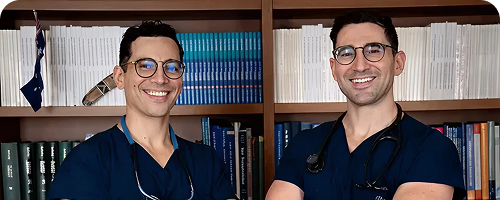
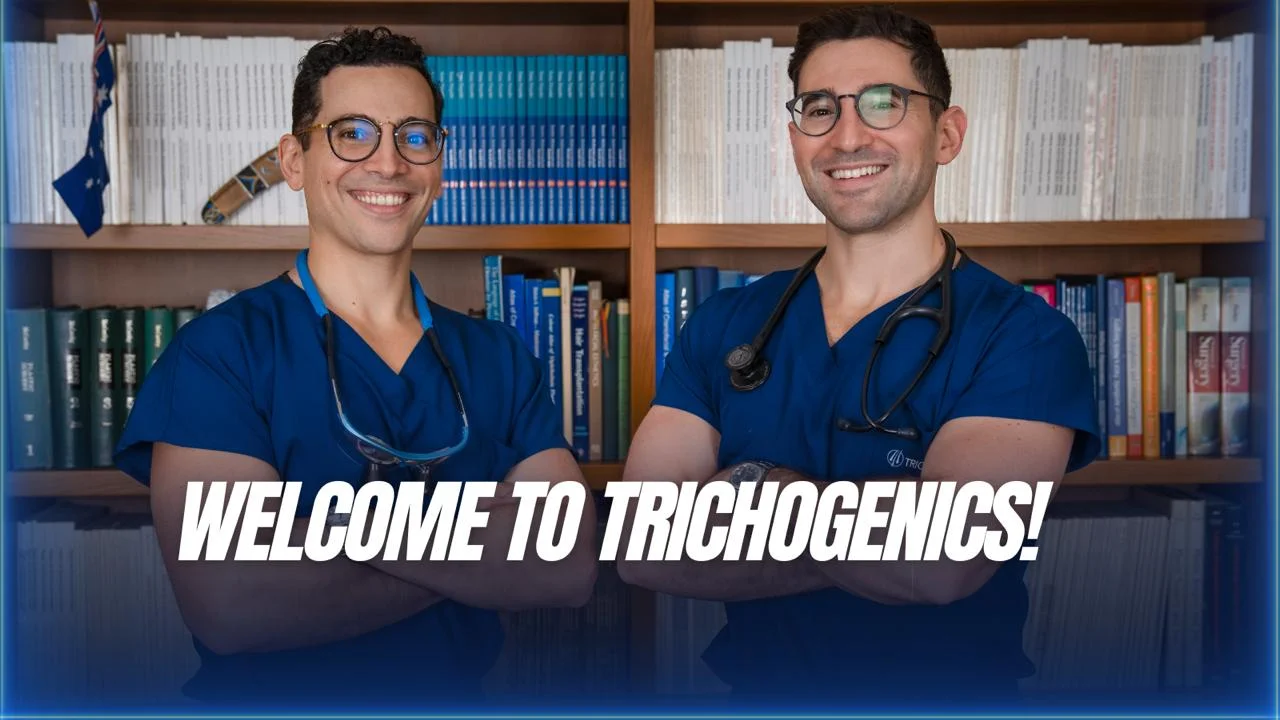
Meet Dr. Asi and Dr. Eric Peretz
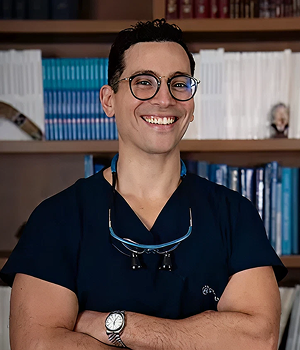
The two doctors leading Trichogenics Dr. Asi Peretz and Dr. Eric Peretz are recognized leaders in the field. Their extensive experience, attention to detail, and focus on natural results make Trichogenics the best choice.
Contact Trichogenics today to schedule a personal consultation and get a clear, doctor-led plan for your hair restoration.