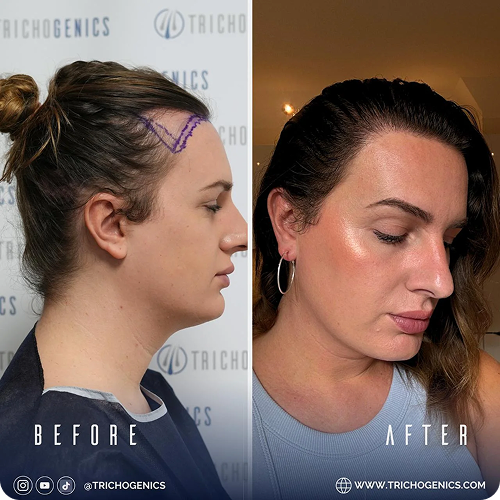

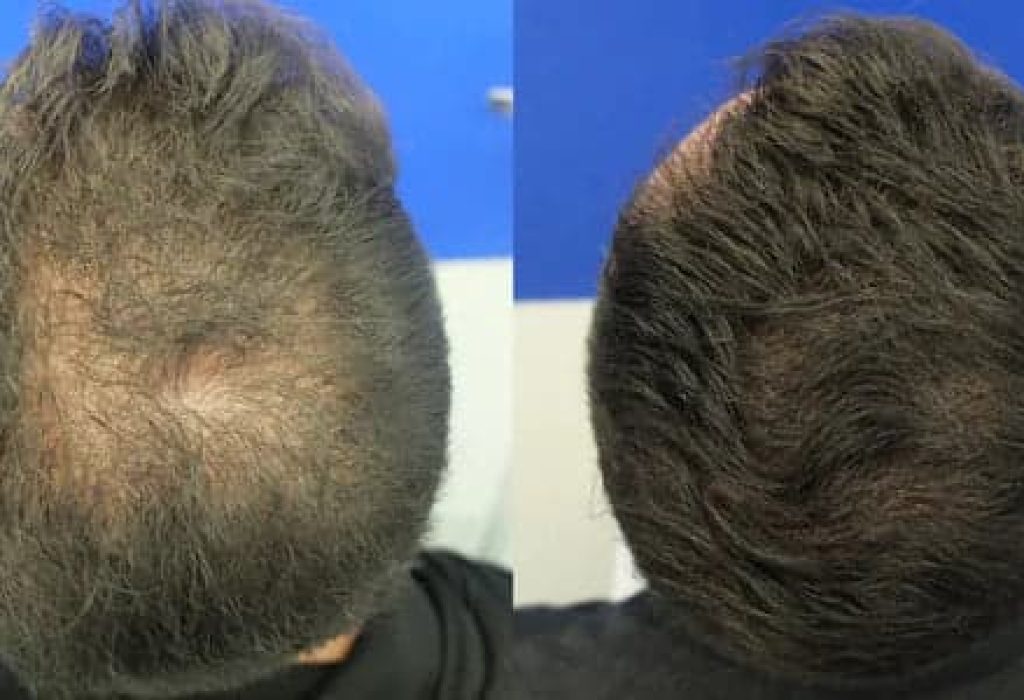
Hair loss affects millions of men and women worldwide. Many people search for dutasteride before and after results to understand what changes they can expect. Dutasteride is a medication that lowers DHT, a hormone linked to androgenetic alopecia patterns such as Norwood 2 hair transplant cases.
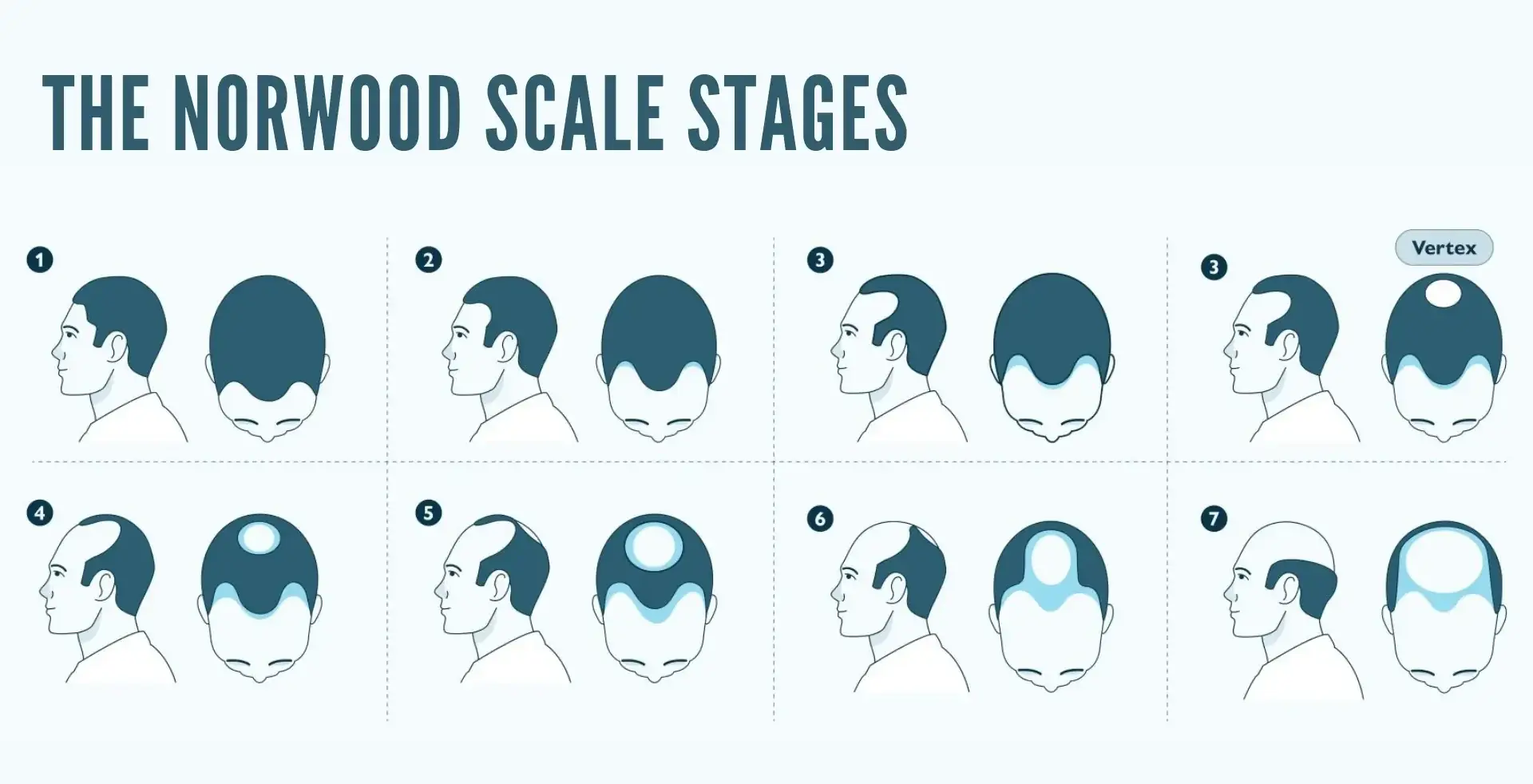
By reducing DHT levels, it may slow hair thinning and support regrowth in some patients. Trichogenics was founded by Dr. Asi Peretz and Dr. Eric Peretz. It operates in Greece and Israel. It evaluates patients who use medical therapy for long-term hair restoration plans.
Dutasteride was first developed to treat benign prostatic hyperplasia, also called benign prostatic hyperplasia BPH. It helps reduce prostate size by blocking hormone conversion. Doctors later observed that it also reduced hair loss in men. Today, it is widely discussed as one of several treatment options for treating hair loss.
Key Takeaways
- Dutasteride lowers DHT by blocking 5-alpha reductase enzymes, which can slow androgenetic alopecia and lead to gradual improvements in hair thickness over several months.
- Most patients notice reduced shedding within three to four months, while visible density changes typically require six to twelve months of consistent treatment.
- Results vary based on stage of hair thinning, genetics, and adherence, and medication cannot restore follicles that are no longer active.
- Dutasteride is not FDA-approved for hair loss and requires physician supervision due to potential side effects and reproductive safety considerations, especially in women.
Dutasteride Before and After Hair Loss Results
When people review dutasteride hair loss before and after images, they often look for thicker hair and a less visible scalp. Early changes usually include reduced shedding. Over time, some patients see thicker strands and better coverage.
It is important to measure progress correctly. Doctors use hair counts, scalp photos, and dermoscopy to track change. Lighting and hairstyle can affect how before and after images look. For that reason, standardized photography is essential.
Many patients want significant improvements in hair within a short time. In reality, hair growth is slow. Most visible change appears over months, not weeks. Consistent dosing and follow-up matter.
Dutasteride Before and After Hairline Changes
The hairline is often the first area where thinning becomes visible. Dutasteride before and after hairline results often show stabilization rather than dramatic regrowth. This means the hairline stops receding, but it may not fully return to its original shape.
In early androgenetic alopecia, some thickening may occur. In advanced cases, follicles may no longer be active.
Medication cannot revive dead follicles. In those cases, surgical hair restoration, such as crown hair transplant procedures, may be discussed.
For example, a patient needing 2,500 grafts for frontal loss may first stabilize shedding with medication. After stabilization, FUE or DHI can restore density.
What Drives Stronger or Weaker Dutasteride Results
Several factors affect dutasteride results:
- Duration of hair thinning
- Age at treatment start
- Genetic sensitivity to DHT
- Consistency of medication use
Patients who start early often respond better. Those with severe miniaturization may see slower change. Realistic expectations improve satisfaction.
How Dutasteride Works on DHT
Dutasteride works by blocking 5-alpha reductase inhibitors. It blocks both type I and type II enzymes. These enzymes control the conversion of testosterone into DHT.
Lower DHT levels reduce follicle shrinkage. Over time, this can improve hair thickness.
Dutasteride and finasteride belong to the same drug family. However, dutasteride blocks more DHT and may be more effective than finasteride in some clinical studies.
How Long Does Dutasteride Take to Work for Hair Loss?
Many patients ask, how long does dutasteride take to work for hair loss. The short answer is that it takes several months. Hair grows in cycles, and medication affects new growth, not existing strands. Because of this, visible change is gradual.
@trichogenics Topical Finasteride and Dutasteride, does it actually work? And which topical is the best? #trichogenics #hairloss #hairtransplant #hairtransplantturkey #hairtransplantgreece #hairfall #hairlosssolutions #hairlosssolutions #hairfallshampoo #finasteride #topicalfinasteride #dutasteride #xyon #topicaldutasteride
♬ original sound - Trichogenics
Dutasteride works by lowering DHT levels in the scalp. DHT drives androgenetic alopecia in genetically sensitive follicles. Once DHT drops, miniaturization slows. Thickening happens only when new hairs enter the growth phase.
Most patients do not see a major cosmetic change in the first 8 to 12 weeks. Early improvement often means reduced shedding, not visible regrowth. Shedding may even increase briefly as weak hairs fall out and stronger hairs replace them.
Typical Timeline of Dutasteride Results
Below is a realistic timeline based on clinical observation and published studies:
- Month 1 – 2: Hormone levels decline. Shedding may stay the same or increase slightly. Visible density usually does not change.
- Month 3: Many patients notice less hair in the shower or on the pillow. Hair counts may show stabilization.
- Month 4: Dutasteride results after 4 months often include subtle thickening. The scalp may look slightly fuller in strong lighting.
- Month 6: More visible density change appears in responsive patients. Crown areas often improve first.
- Month 9 – 12: Dutasteride before and after 1 year comparisons may show significant improvements in hair thickness and coverage in selected patients, similar to what is observed during the hair transplant shedding phase after surgery.
This timeline applies to most men with early to moderate androgenetic alopecia. Advanced cases may respond more slowly or show stabilization without strong regrowth.
What Affects How Fast Dutasteride Works
Several factors influence timing:
- Stage of hair thinning at treatment start
- Genetic sensitivity to DHT
- Consistency of daily dosing
- Combination with other treatments for hair loss
- Overall scalp health
Patients who begin therapy early often respond faster. Those with long-standing follicle miniaturization may see slower improvement.
What If You Stop Dutasteride?
Dutasteride suppresses DHT while you take it. If medication stops, DHT levels rise again. Hair thinning may resume within several months. For this reason, long-term treatment planning is important.
Can Topical Dutasteride Work Faster?
Topical dutasteride before and after data is still developing. Some small clinical studies suggest localized DHT reduction with lower systemic exposure. However, timeline expectations remain similar because hair growth cycles do not change.
In summary, dutasteride does not produce overnight results. It supports gradual improvement by reducing the hormonal cause of hair thinning.
Most patients need at least six months to judge progress. A full year provides a clearer view of true dutasteride results.
Dutasteride Before and After in Men and Women
Dutasteride before and after results differ between men and women because hormone patterns are not the same. Androgenetic alopecia follows different visual patterns in each group.
Men often lose hair at the temples and crown. Women usually develop diffuse thinning across the top of the scalp.
Dutasteride works by reducing DHT levels. DHT plays a central role in male pattern hair loss. In women, DHT may contribute, but other hormonal and genetic factors can also influence hair thinning. For this reason, evaluation must be individualized.
Dutasteride Before and After Men
In men, dutasteride before and after men often focus on the crown and frontal scalp. Clinical studies show that DHT reduction can slow miniaturization and increase hair shaft diameter.
Many men report less shedding within the first three months.
Visible thickening often appears between six and twelve months. Crown areas usually respond more strongly than deeply recessed hairlines. In early-stage cases, hair counts may show measurable improvement.
Common patterns seen in men include:
- Stabilization of hairline recession
- Increased density at the crown
- Thicker individual hair shafts
- Reduced daily shedding
Men with Norwood II to IV patterns often respond better than those with extensive bald areas. If follicles are no longer active, medication alone will not restore density.
Dutasteride Before and After Female Patients
Dutasteride before and after female cases require careful medical screening. Women of childbearing age must avoid this medication due to risk of fetal harm. Doctors evaluate hormone levels and medical history before prescribing.
Female pattern hair loss often appears as widening of the central part and overall thinning. Dutasteride may reduce ongoing thinning in selected patients. Results are usually more subtle than in men.
In women, expected outcomes may include:
- Slower progression of diffuse thinning
- Mild increase in hair thickness
- Improved coverage with styling
- Stabilization rather than full regrowth
Hormonal balance plays a larger role in female cases. Thyroid disorders, iron deficiency, and other medical issues should be ruled out before starting therapy.
Key Differences Between Men and Women
The biological context differs between sexes. These differences influence treatment planning.
- Men typically have higher baseline DHT levels.
- Women may have mixed hormonal causes for hair thinning.
- Safety considerations are stricter in women due to reproductive risks.
- Visible regrowth patterns differ between crown-focused and diffuse thinning.
For both men and women, realistic expectations are essential. Dutasteride supports stabilization and gradual thickening. It does not recreate a hairline if follicles are permanently lost.
When structural loss is present, medical therapy may be combined with surgical hair restoration. In Greece and Israel, physician-performed FUE or DHI procedures are often used after stabilization.
This combined approach can improve long-term outcomes while protecting native hair. Careful monitoring ensures safety and helps measure dutasteride results accurately over time.
Side Effects and Medical Considerations
Dutasteride is not FDA-approved for treating hair loss. It is FDA-approved to treat benign prostatic hyperplasia and enlarged prostate conditions. Off-label use for hair thinning requires physician oversight.

Potential side effects include:
- Reduced libido
- Erectile dysfunction
- Lower semen volume
- Breast tenderness
Some patients may experience an allergic reaction, though this is rare. Liver function should be considered before use.
Patients should discuss:
- Family history of prostate disease
- Current medications
- Plans for conception
Monitoring improves safety.
Who Should Avoid or Discuss First
Men trying to conceive may delay therapy. Women who are pregnant or planning a pregnancy should avoid it. Patients with liver disease need evaluation first.
Clear medical supervision reduces risk.
Dutasteride vs Other Hair Loss Treatments
There are several treatments for hair loss. These include minoxidil, platelet-rich plasma, laser therapy, and surgery. Medication often serves as a first step.
@trichogenics Topical Finasteride and Dutasteride, part 2 of my comprehensive review. Its kinda boring and if you made it this far, you are a nerd. #trichogenics #hairloss #hairtransplant #hairtransplantturkey #hairtransplantgreece #hairfall #hairlosssolutions #hairfallshampoo #finasteride #topicalfinasteride #dutasteride #xyon #topicaldutasteride #hairlossremedy
♬ original sound - Trichogenics
Dutasteride vs Finasteride
Dutasteride and finasteride both reduce DHT. Dutasteride blocks more DHT. Some studies suggest it may be more effective than finasteride for certain patients.
However, higher DHT suppression may increase potential side effects. A doctor helps determine the best choice.
Combination Therapy
Doctors may combine treatments for hair loss:
- Oral dutasteride
- Topical dutasteride before and after monitoring
- Minoxidil 5 percent solution
- Microneedling
Topical dutasteride before and after comparisons aim to reduce systemic exposure. Research is ongoing.
When Surgery Is Considered
If follicles are no longer active, surgery may be discussed. FUE hair transplant and DHI are widely accepted techniques. Choi pen implantation allows direct placement of grafts.
In Greece and Israel, physician-performed FUE procedures usually cost USD 3,500 to 6,000 for 2,000 to 3,000 grafts. This often includes anesthesia, operating room use, and structured follow-up visits.
In Turkey, high-volume clinics may charge USD 1,800 to 2,800. These prices may include hotel stays. However, some centers rely heavily on technicians instead of licensed physicians. Regulatory standards may vary between countries.
Lower cost often reflects:
- Higher patient volume per day
- Shorter time per case
- Less physician involvement
Patients should confirm who performs the extraction and implantation.
Doctor Review and Clinical Oversight
Hair restoration requires precision. Proper angle and density planning reduce unnatural results. Physician training and certification matter.
Structured follow-up often includes:
- 10-day wound check
- 3-month growth review
- 12-month final evaluation
Monitoring allows early management of shock loss or delayed growth.
Dr. Asi Peretz has emphasized the importance of individualized surgical planning in published discussions on hair restoration. Proper graft spacing helps avoid overharvesting.
Certified operating rooms reduce infection risk. Licensed physicians oversee anesthesia and sterile techniques.
Medication and Surgery Together
Many patients combine medication with surgery. For example, a 35-year-old man with Norwood III recession may start dutasteride to stabilize hair thinning.
After six months, he may undergo a 2,500-graft FUE procedure or plan a second hair transplant if density goals require staged restoration.
Post-operative continuation of medication protects native hair. This combination approach improves long-term stability.
Medical therapy supports existing follicles. Surgery restores areas where follicles no longer grow. Together, they form a structured treatment plan.
Final Perspective
Dutasteride before and after comparisons show that DHT suppression can slow androgenetic alopecia and improve density in selected patients.
Dutasteride works by blocking the conversion of testosterone into DHT through 5-alpha reductase inhibitors. Clinical studies support its role in reducing hair thinning, though it is not specifically FDA-approved for hair loss.
Results vary based on timing, genetics, and adherence. Some patients see significant improvements in hair within a year. Others achieve stabilization rather than regrowth.
Understanding treatment options, risks, and long-term planning is essential. Physician supervision improves safety and outcome assessment. Clear expectations lead to better decisions in treating hair loss and planning hair restoration.
Why Choose Trichogenics?

All procedures are performed only by doctors
The uniqueness of Trichogenics lies in its strict medical process; only certified doctors perform every transplant. No technicians or unqualified assistants are involved. Choosing a clinic with proven experience in hair transplants can make all the difference.
Meet Dr. Asi and Dr. Eric Peretz
The two doctors leading Trichogenics, Drs. Asi and Eric Peretz are recognized leaders in the field. Their extensive experience, attention to detail, and focus on natural results make Trichogenics the best choice.
Contact Trichogenics today to schedule a personal consultation and get a clear, doctor-led plan for your hair restoration.