
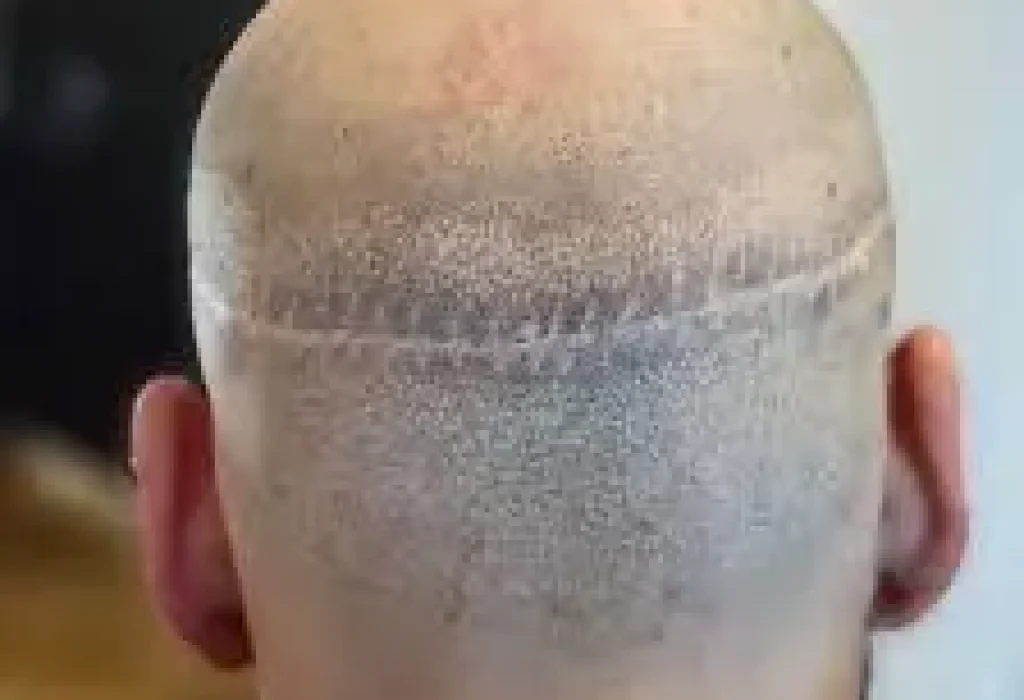
An FUT hair transplant scar is a permanent line in the donor area. It forms because the procedure removes a strip of scalp. The area must then be sutured closed. The final appearance depends on scalp elasticity, surgical technique, and wound healing over time.
In most patients, the FUT hair transplant scar is thin and concealed by surrounding hair, but it can widen in cases of tension or poor healing. It does not disappear completely, though it may fade and soften after one year.
Understanding these factors helps set realistic expectations before choosing this type of hair transplant surgery.
Key Takeaways
- FUT hair transplant surgery removes a strip of scalp from the donor area, which leaves a permanent linear scar that can vary in width depending on scalp tension and surgical technique.
- Most FUT scars fade and flatten over time, but they do not fully disappear, and their visibility depends on hair length, healing response, and long-term care, as explained in a hair transplant aftercare guide.
- Scar widening can occur due to donor laxity, high tension during closure, or early physical strain, making surgical technique and proper postoperative management important factors.
- Treatment options such as scar revision surgery, trichophytic closure, FUE graft placement into the scar, or scalp micropigmentation can reduce visibility but cannot completely eliminate scar tissue.
Does the FUT Procedure Leave a Visible Scar?
Yes, the FUT procedure leaves a scar in the donor area. The technique removes a strip of scalp tissue, and the wound is then sutured or stapled closed.
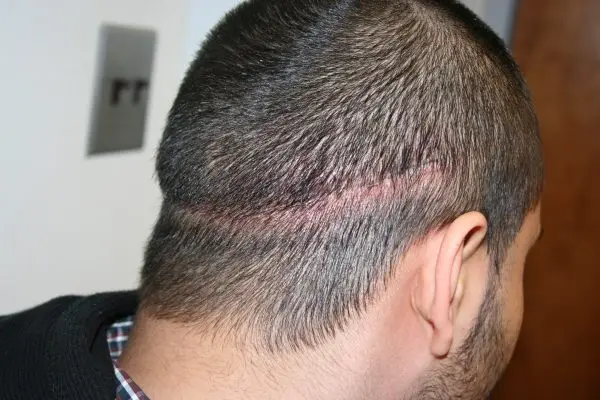
Because tissue is excised, the body heals by forming scar tissue. This is why FUT scarring is inherent to the method.
A hair transplantation procedure that removes a strip cannot avoid scar formation. The visibility of the scar depends on wound closure technique, donor laxity, and the number of grafts harvested.
In most cases, transplanted hairs grow normally at the recipient site, while the donor area heals with a line hidden by surrounding hair.
Patients who want to understand scarring across methods often review hair transplant scars, causes, prevention and treatment.
What a FUT Scar Looks Like
A FUT hair transplant scar typically appears as a thin horizontal line across the back of the scalp. It can measure several centimeters in length, depending on the number of grafts removed.
In procedures requiring 2,500 to 3,000 hair grafts, the strip may span from ear to ear within the safe donor zone.
When properly cared for, the scar may remain narrow and concealed by existing hair growth. If the patient wears very short hair, visible scars may become noticeable.
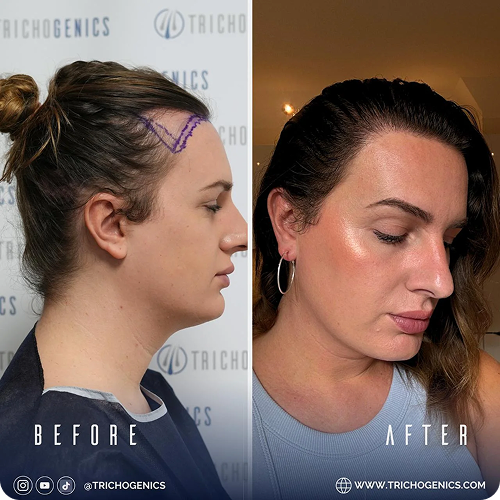
This is one reason many patients ask to see before-and-after images of the hair transplant scar during consultation.
Why Strip Removal Creates a Linear Scar
The FUT procedure removes a strip that contains individual follicular units. Each unit includes one to four individual hair follicles. After removal, technicians dissect the strip into individual grafts for implantation.
Because the surgeon removes tissue, the edges must be pulled together and sutured. This tension causes the wound to heal in a straight line. The biological process of collagen formation during healing is what leaves a linear scar.
Scar Width and Donor Area Tension
Scar width depends on the elasticity of the donor area and the closure technique. If the scalp has limited laxity, closing the incision under tension increases the risk of widening. Patients with tighter scalps may experience more noticeable hair transplant scars.
The number of grafts harvested also matters. Removing a larger strip to obtain more grafts increases wound length. Experienced surgeons assess donor laxity before surgery to reduce the risk of long-term stretching.
Patients who are worried about donor changes often ask about density shifts. This is covered in what happens to the donor area after a hair transplant.
FUT Scar Healing Timeline
Healing follows predictable biological phases. Understanding this timeline helps patients set realistic expectations about long term outcomes.
Early Healing Stages
During the first 7 to 14 days, the incision forms a crust. Sutures are typically removed around day 10 to 14. Mild redness and tightness are common in the donor area.
By 4 to 6 weeks, inflammation decreases. The scar becomes flatter and lighter in color. Hair growth around the incision usually resumes normally.
FUT Scar After 1 Year
At 12 months, most scars have matured. Collagen remodeling stabilizes, and color often blends with the surrounding hair-bearing scalp. In patients with good healing and low tension, the scar may appear thin and concealed.
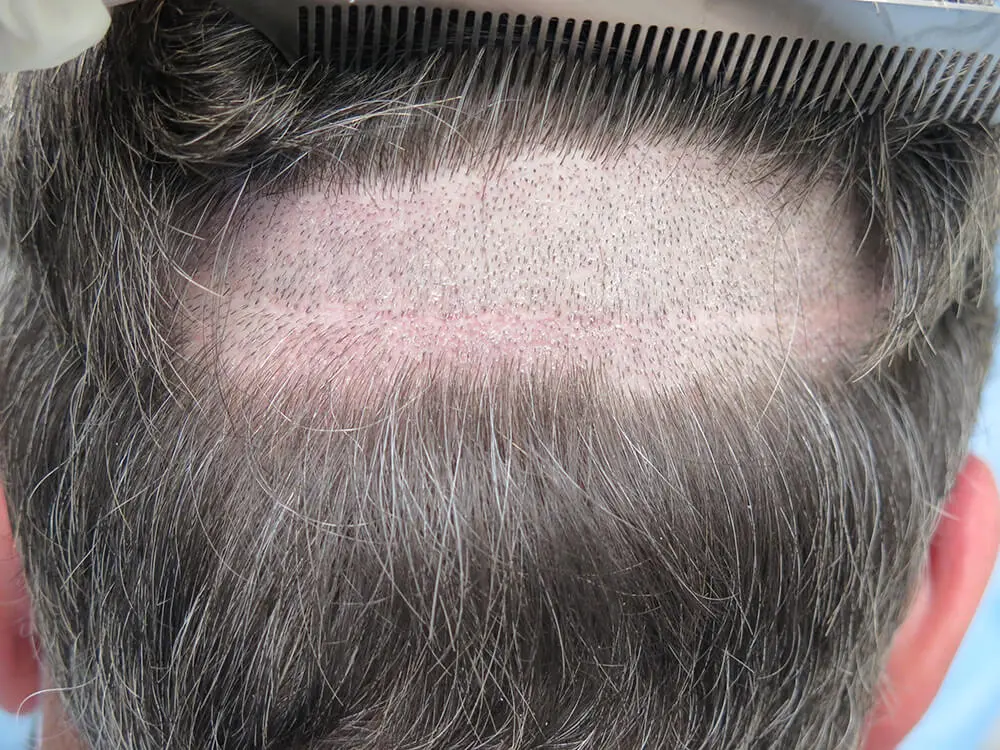
However, some patients experience scar stretching between months 3 and 9. This widening can result from physical tension, poor wound care, or interindividual variability in healing.
Long-Term Visibility and Risk Factors
Long-term visibility depends on biology, technique, and patient behavior. A FUT hair transplant scar does not disappear completely because tissue was removed.
Do FUT Scars Go Away?
No, FUT scars do not fully go away. They may fade, flatten, and lighten over time, but scar tissue remains permanent. The question is not whether a scar exists, but how visible it becomes.
When patients keep their hair at 1 to 2 centimeters in length, most linear scars remain concealed. Shaved styles expose the donor line more clearly.
Scar Stretching and Widening
Scar widening occurs when tension pulls the wound edges apart during healing. It may also happen in patients who resume heavy exercise too early. Genetics plays a role, as some individuals form thicker scar tissue.
Clinics that perform multiple strip procedures over time increase the risk of cumulative scarring. Each repeat fut procedure removes additional tissue and may reduce donor density.
Donor Laxity and Surgeon Technique
Surgeon technique strongly influences scar quality. Proper layered closure and trichophytic techniques can allow hair to grow through the scar line. Surgeon experience matters because accurate tension control reduces risk of wide scars.
In regulated environments such as licensed operating rooms in Greece and Israel, physician-performed procedures allow more control over incision depth and closure precision.
In contrast, some high-volume clinics in Turkey perform 10 to 20 procedures per day, often delegating parts of surgery to technicians, which may reduce individualized attention.
FUT Hair Transplant Scar Treatment
Patients with visible hair-transplant scar concerns may seek treatment. Several options exist depending on scar width and density.
Surgical Scar Revision
Scar revision involves excising the old scar and re-closing the area under reduced tension. This approach works best in patients with adequate donor laxity. It may reduce scar width but cannot eliminate scarring completely.
In cases requiring 500 to 800 grafts for camouflage, surgeons may combine revision with FUE extraction. This approach is discussed in scar revision hair, understanding hair transplant scars.
Trichophytic Closure
Trichophytic closure allows hair to grow through the scar. The surgeon bevels one wound edge so surrounding hair grows across the incision. This can reduce visibility, especially in patients who wear medium-length hair.
This technique requires precision and physician involvement. When properly cared for postoperatively, outcomes improve.
Non-Surgical Camouflage
Non-surgical options include:
- • FUE graft placement into the scar
- • Scalp micropigmentation
- • Maintaining longer surrounding hair
- These options do not remove scar tissue but reduce contrast between scar and surrounding hair.
Is FUT Good for Hair Transplant?
FUT remains a recognized hair transplantation procedure. It can yield a high number of grafts in a single session. However, it leaves a linear scar, which some patients find limiting.
@trichogenics FUT or the strip method vs FUE, which is better? Which method is best for you? #hairtransplant #hairloss #fue #fut #stripmethod #hairtransplantturkey
♬ 提示音 - unknown
Benefits and Limitations
Benefits include:
- • Ability to harvest 2,500 to 4,000 grafts in one session
- • Preservation of surrounding donor density
- • Potentially lower cost per graft
- Limitations include:
- • Permanent linear scar
- • Reduced flexibility for short hairstyles
- • Limited repeat procedures
In Greece, a physician-performed FUE or DHI session typically ranges from USD 3,500 to 6,000 for 2,500 grafts, including anesthesia and structured follow-up.
In Turkey, high-volume clinics may advertise packages for USD 1,800 to 2,800, often including hotel stays, but procedures may be technician-driven. Price differences reflect physician involvement, time per case, and post-operative monitoring.
FUT Scarring vs Modern Extraction
Modern FUE and DHI techniques extract individual follicular units without removing a strip. Instead of a single linear scar, they create small circular extraction sites that heal as tiny dots. These are usually less visible when hair is cut short.
Choi pen implantation, used in DHI, allows direct placement of transplanted hairs into the recipient site. This technique gives greater control over angle and direction. Physician-led clinics often emphasize controlled graft placement and structured follow-up to monitor hair growth.
Patients considering travel should evaluate regulatory standards. Some countries operate under strict medical licensing systems, while others have fewer oversight requirements.
In Israel and Greece, procedures are performed in certified medical facilities with physician supervision. In contrast, reports have documented technician-driven models in parts of Turkey, raising safety concerns.
Final Clinical Perspective
A fut hair transplant scar is a predictable result of strip harvesting. Its visibility depends on technique, donor characteristics, and long-term healing behavior.
Patients researching hair loss treatment should understand both benefits and trade-offs before selecting a method. Careful evaluation, physician involvement, and structured follow-up improve safety and clarity of expectations.
Understanding how each hair transplantation procedure works allows patients to make informed decisions based on medical facts rather than marketing claims.
Why Choose Trichogenics?
All procedures are performed only by doctors
The uniqueness of Trichogenics lies in its strict medical process; only certified doctors perform every transplant. No technicians or unqualified assistants are involved. Choosing a clinic with proven experience in hair transplants can make all the difference.
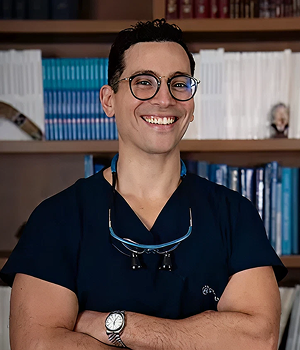
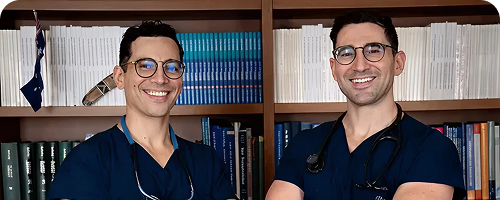
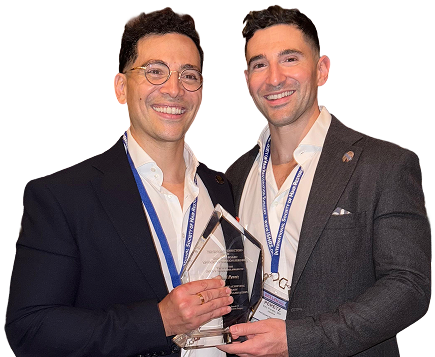
Meet Dr. Asi and Dr. Eric Peretz
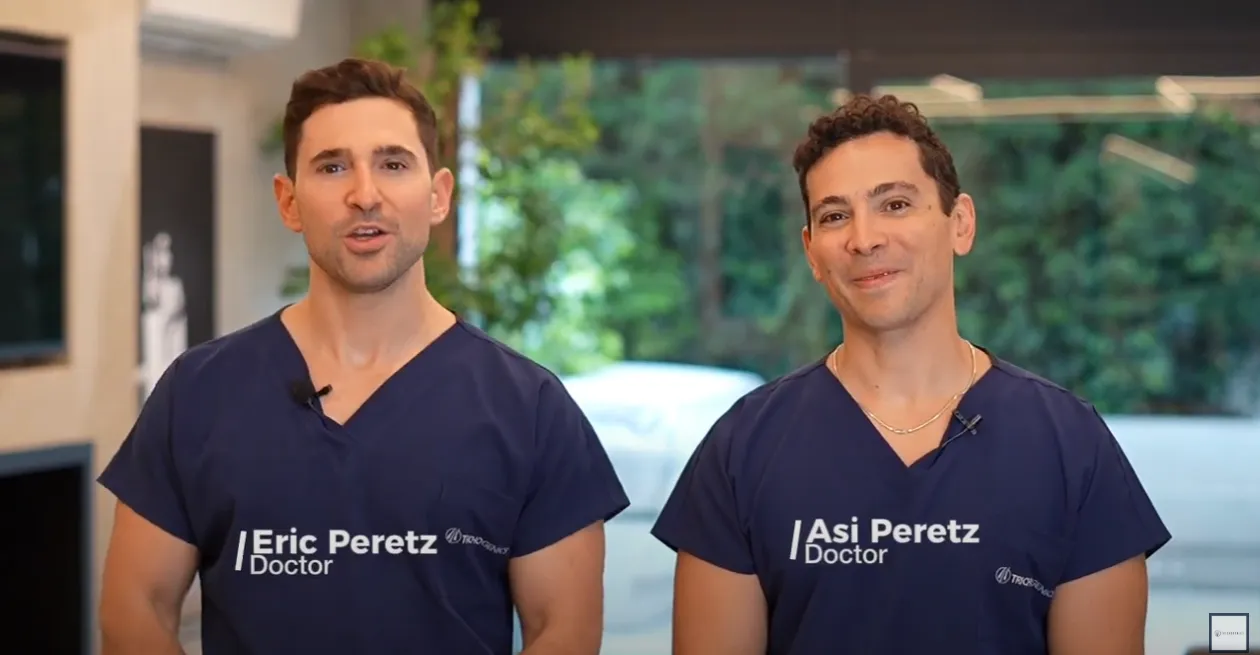
The two doctors leading Trichogenics, Drs. Asi and Eric Peretz are recognized leaders in the field. Their extensive experience, attention to detail, and focus on natural results make Trichogenics the best choice.
Contact Trichogenics today to schedule a personal consultation and get a clear, doctor-led plan for your hair restoration.