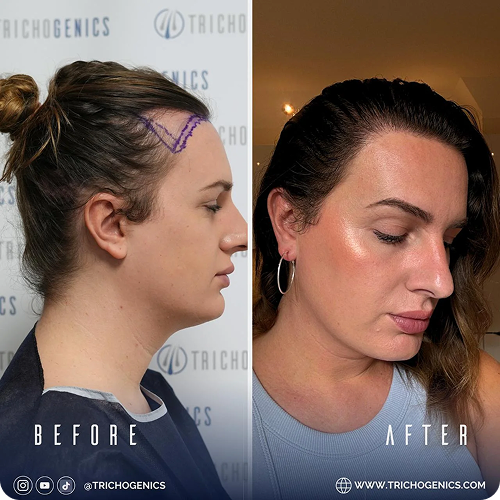

Hair transplant expenses usually range from $5,000 to $18,000, depending on the number of grafts, the technique used, and the clinic. In Israel and Greece, costs are often between €4,000 and €15,000, reflecting similar pricing ranges.
Many patients considering hair transplant costs expect a single fixed price, but the cost depends on each person’s hair loss and goals. This treatment is a cosmetic procedure, which affects pricing and insurance coverage. In clinical practice, Dr. Asi Peretz and Dr. Eric Peretz, founders of Trichogenics, review these factors before giving a cost estimate.
Key Takeaways
- Hair transplant expenses vary based on graft count, technique, and clinic standards, often ranging from several thousand to over $5,000.
- The total cost of hair restoration surgery depends on the level of hair loss, the number of sessions, and the doctor’s involvement.
- Knowing what is included in the price helps avoid extra costs later.
- Results take time, with full growth usually seen within 9 to 12 months.
- Hair transplants can last for a long time, but future hair loss may still occur.
How Much Is a Hair Transplant
In Israel and Greece, hair transplant costs typically range from €4,000 to €15,000, depending on the clinic and treatment plan. The final cost depends on the number of grafts and the type of procedure. Smaller areas cost less, while full coverage increases the price.
Many clinics calculate pricing based on graft count, though the exact structure can vary. Each graft contains small groups of hair follicles called follicular units. The total cost increases as more grafts are needed to achieve the desired coverage. A consultation is needed to confirm the exact cost.
The number of grafts depends on the extent of your hair loss. Early-stage hair loss requires fewer grafts, while advanced cases require more. The donor area is also important because it supplies the hair used for the transplant. This helps determine how many grafts can be safely taken.
What Happens Before Hair Transplant Surgery
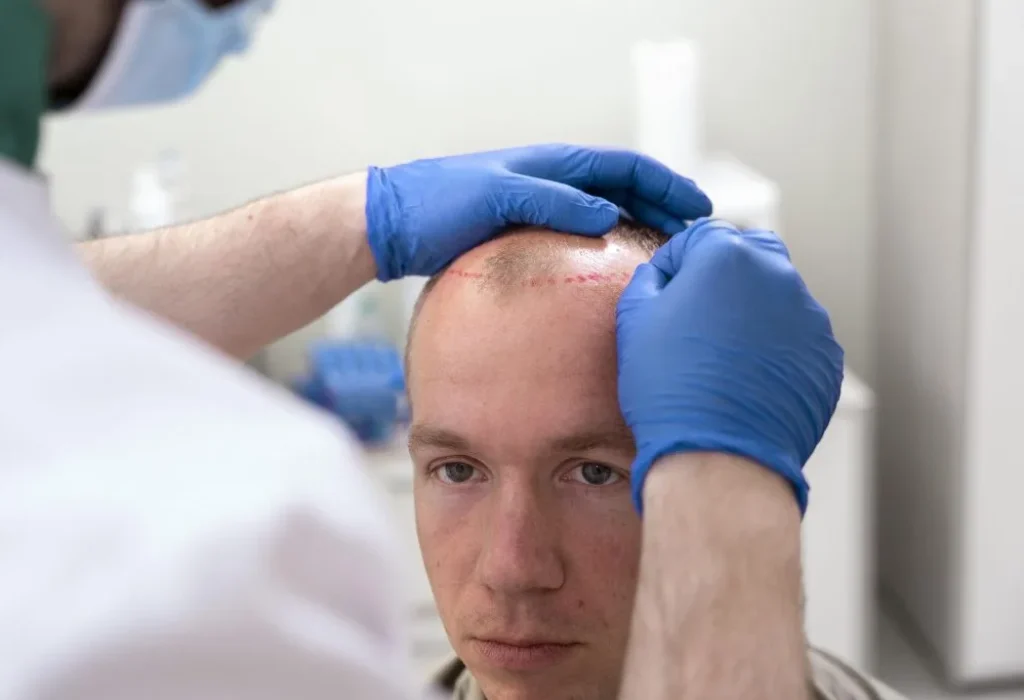
Before hair transplant surgery, patients go through a clinical evaluation. Doctors check hair loss patterns, scalp condition, and the donor area. They also decide the number of grafts needed and create a plan. This helps match results with expectations.
The consultation also reviews medical history and overall health. Patients get simple instructions for preparation before the procedure. Good planning helps reduce risks and improve results. This step is important for safe treatment.

What Affects Hair Transplant Expenses and Quality
Hair transplant costs depend on several factors, such as the degree of hair loss, the technique used, and the doctor’s involvement. Common hair transplant procedures include Follicular Unit Extraction (FUE) and Follicular Unit Transplantation (FUT). Different hair transplant techniques can affect both results and total cost.
A FUE hair transplant uses a fue procedure to remove each follicular unit one by one. This takes more time and increases cost.
Doctor-led procedures also affect pricing because they involve more expertise. Many clinics follow standards from the Society of Hair Restoration and the International Society of Hair Professionals. Lower-cost clinics may reduce medical oversight, which can affect safety. In some countries, including parts of Turkey, rules are less strict.
The donor area also affects cost and results. A strong donor area allows more grafts to be used. If the donor area is weak, results may be limited. This directly impacts the treatment plan and total cost.
How to Compare Clinics Based on Cost
Comparing clinics is not just about the cost of a hair transplant. Patients should check what is included in the price and who performs the procedure. Some lower prices may not include follow-up care or medications. This can increase the final cost later.
A simple way to compare clinics includes:
- Number of grafts included
- Doctor involvement during the procedure
- Use of follicular unit extraction FUE
- Follow-up care and support
This helps patients choose based on value, not just price.
Hair Restoration Surgery Cost by Location
Hair restoration surgery cost changes by country. The United States usually has higher prices due to strict medical regulations. Europe, including Greece, and Israel often offer lower costs with proper medical standards. These differences are based on systems, not just price.
Travel costs should also be considered. Flights, hotels, and follow-up visits can add to the total. These costs can reduce the savings from going abroad. Patients should look at the full cost before deciding.
Are Hair Transplant Expenses Worth It
Hair transplant expenses can provide long-term results. The procedure moves existing hair follicles to areas with hair loss. This creates a lasting change. However, results depend on planning and technique.
Hair growth takes time and usually appears over several months. Full results are often seen within 9 to 12 months. Transplanted hair is usually permanent, but other hair may still thin. Some patients may need future treatments.

Limitations of Hair Transplant Procedures
Hair transplant procedures can improve hair, but they have limits. The result depends on the donor area and the number of grafts available. Some patients may not have enough donor hair for full coverage. This is common in advanced hair loss.
Results also depend on hair type, thickness, and color. A hair transplant does not stop future hair loss. Some patients may need more sessions later. Knowing these limits helps set clear expectations.
If you are considering a hair transplant, a consultation can help you understand your options and expected results. A doctor can evaluate your hair loss, donor area, and the number of grafts needed. This allows for a clear and personalized treatment plan. Scheduling a consultation is the first step toward making an informed decision.
If you are considering a hair transplant, a consultation can help you understand your options and expected results. A doctor can evaluate your hair loss, donor area, and the number of grafts needed. This allows for a clear and personalized treatment plan. Scheduling a consultation is the first step toward making an informed decision.