
Coconut oil for hair loss is often used as a supportive hair-care approach rather than as a direct treatment for medical hair loss. It can help improve hair condition by reducing breakage and supporting the hair and scalp environment, but it does not typically reverse conditions that affect hair follicles.
Its main benefit comes from its ability to reduce protein loss and protect the hair shaft. At Trichogenics, founded by Dr. Asi Peretz and Dr. Eric Peretz, clinical evaluation focuses on identifying the underlying cause of hair loss before recommending any treatment.
Key Takeaways
- Coconut oil for hair loss can improve hair strength and reduce breakage, but it does not treat medical causes that affect hair follicles.
- Its lauric acid content helps it penetrate the hair shaft and support structure by reducing protein loss.
- Proper use involves applying a small amount of coconut oil, gently massaging it in, and leaving it on for about 30 minutes before washing.
- Results are cosmetic, with smoother hair creating the appearance of thickness rather than true regrowth.
- Persistent hair loss requires clinical evaluation and treatment options such as FUE or DHI.
Can Coconut Oil Help with Hair Growth?
The answer depends on the cause. Coconut oil does not directly promote hair growth, but it can improve hair condition by reducing damage and supporting the hair and scalp. Its composition allows it to penetrate the hair shaft and support structural integrity. This can make hair appear fuller and healthier over time.
How Coconut Oil Works on Hair Structure
Coconut oil contains lauric acid, which allows it to bind to hair proteins and reduce protein loss during washing and styling. This helps strengthen hair and reduce breakage, especially in fine hair. Research shows it penetrates the hair shaft more effectively than many oils. These benefits of coconut oil support appearance rather than true regrowth.

Does Coconut Oil Grow Hair or Prevent Damage?
Protein Loss and Hair Strength
The evidence shows that it mainly protects hair rather than regrows it. Its ability to reduce protein loss supports stronger strands and helps prevent hair damage. This effect can improve hair care results and overall appearance. It supports the condition of the hair and scalp but does not activate hair follicles.
Limits for Hair Regrowth
Coconut oil does not treat genetic or hormonal hair loss, including hair loss in women. It cannot restore inactive hair follicles or reverse thinning.
How to Use Coconut Oil for Hair Loss
Step-by-Step Application
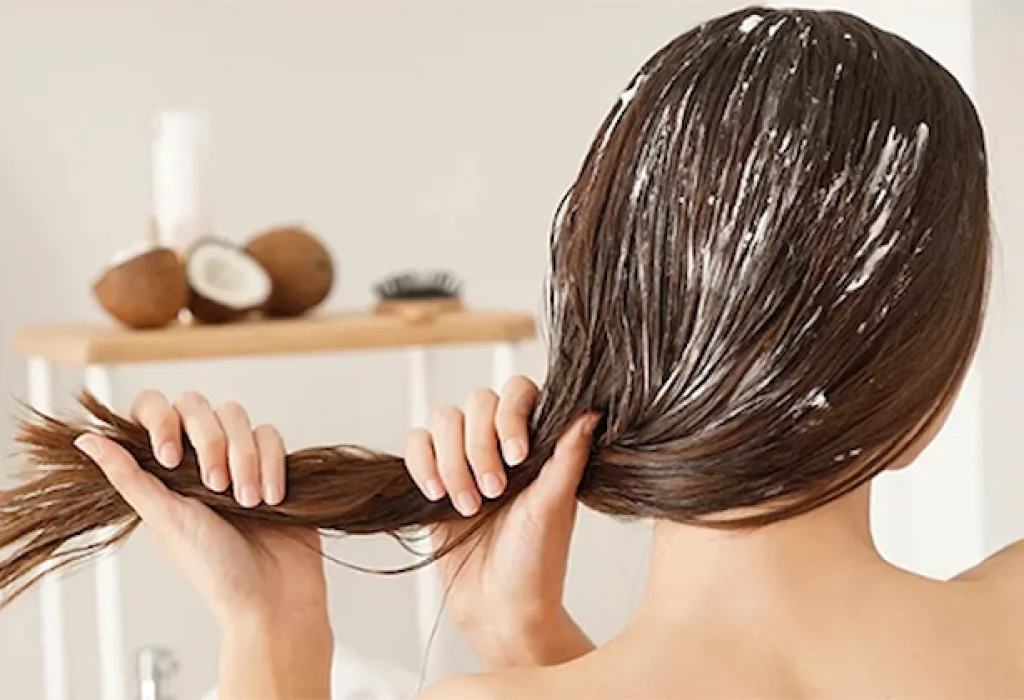
Use small amounts of coconut oil and apply it to dry or slightly damp hair. Gently massage it into the scalp and hair strands, then leave it for about 30 minutes. Wash thoroughly to avoid buildup and scalp irritation. This method supports moisture and helps reduce protein loss.
What to Mix with Coconut Oil for Hair Growth
Some ingredients can be combined with coconut oil to support hair care routines and improve scalp condition. These mixtures do not directly stimulate hair follicles but may help reduce dryness and support healthier hair over time. Choosing the right combination depends on hair types and sensitivity. Always test mixtures to avoid scalp irritation.
Common options include:
- Castor oil – often used to support thicker-looking hair
- Argan oil – helps with moisture and shine
- Aloe vera – supports scalp hydration and may reduce irritation
- Essential oils (small amounts) – such as rosemary oil, which is studied for hair care support
Use small amounts of coconut oil when mixing to avoid buildup. Adjust combinations based on how the hair and scalp respond.
Common Mistakes When Using Coconut Oil
Incorrect use can reduce effectiveness and cause buildup. Many issues come from applying too much or not washing properly. Understanding these mistakes helps maintain balance in the hair and scalp.
- Using excessive amounts that weigh hair down
- Not washing the oil out completely
- Applying oil to an oily scalp
Coconut Oil for Hair Loss Results and Reviews
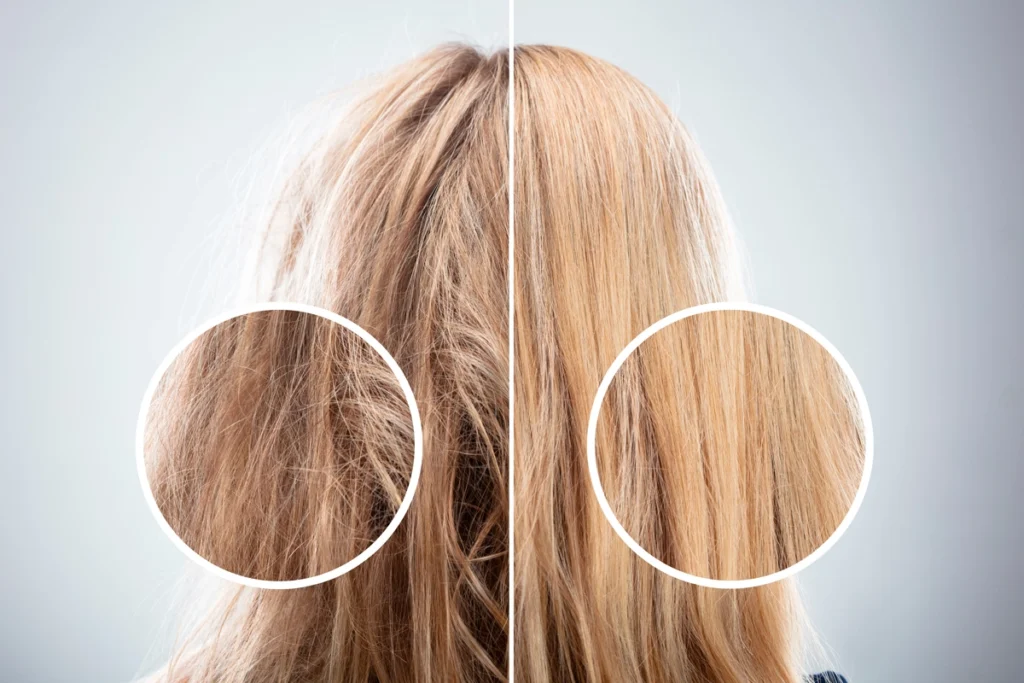
Coconut oil is widely used as a home remedy because it is simple and accessible. Results often show smoother texture and less breakage rather than new growth. Reviews of coconut oil for hair loss commonly mention improved shine and manageability. These changes come from reduced damage, not new hair follicles. This can create the appearance of thicker hair.
What Are the Disadvantages of Coconut Oil for Hair
When Coconut Oil Does Not Work
Coconut oil does not treat all types of hair loss. It is not effective for conditions that affect hair follicles. Relying only on it may delay proper care. Clinical evaluation helps identify the cause.
Potential Side Effects
Some users may experience scalp irritation or buildup. Excess oil can clog pores or make hair feel heavy. Using small amounts of coconut oil reduces these risks. Monitoring the scalp helps prevent issues.
When Coconut Oil Is Not Enough
Coconut oil cannot address underlying causes such as hormonal hair loss. Continued thinning or visible changes in the hairline require medical attention. Doctor-led approaches focus on the condition of hair follicles and on treatment planning, including options such as stem cell hair transplant treatments.
Techniques such as FUE (Follicular Unit Extraction) and DHI (Direct Hair Implantation) involve precise handling and structured follow-up care and may be complemented by approaches such as exosome therapy for hair restoration.
FAQ’s about Coconut Oil for Hair Loss
Coconut oil for hair loss cannot stop most forms of hair loss. It may help prevent hair damage and improve appearance by reducing breakage. Medical causes that affect hair follicles require targeted treatment.
Coconut oil is generally safe, but overuse can lead to buildup on the hair and scalp. This may affect balance and make hair feel heavy or greasy. Using small amounts of coconut oil helps avoid these effects.
Coconut oil for hair loss may improve appearance but not actual hair density. It supports hair care by strengthening strands, rather than activating hair follicles. A medical evaluation is needed when hair loss continues.
Most people leave coconut oil on the hair for about 30 minutes before washing. Some may use longer treatments, but shorter application times reduce the risk of buildup. Adjust based on hair types and scalp response.