
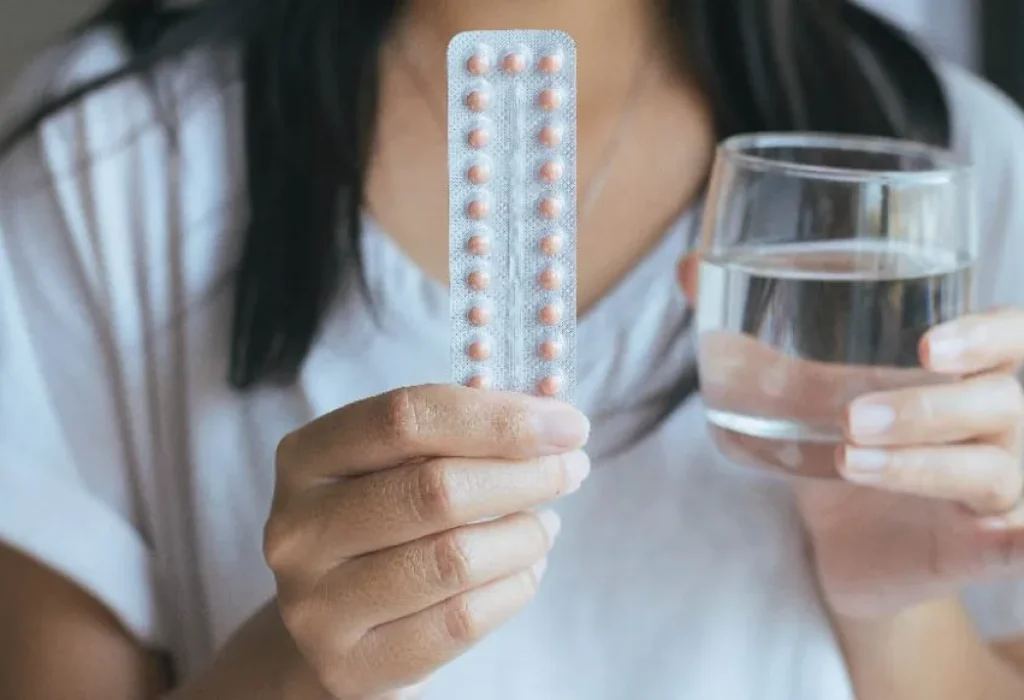
Birth control can cause hair loss in some individuals, but not everyone is affected. The answer to “Does birth control cause hair loss?” is yes in certain cases, especially with formulations that have higher androgenic activity or in people sensitive to hormonal changes. Some may experience hair shedding or hair thinning as a side effect, while others see no change.
These differences depend on hormone sensitivity, androgen index, and individual risk factors. At Trichogenics, founded by Dr. Asi Peretz and Dr. Eric Peretz, evaluation focuses on identifying the type of hair loss and its cause before any treatment.
Key Takeaways
- Birth control can cause hair loss or hair thinning in some individuals due to androgenic effects and hair follicle sensitivity to hormonal changes.
- Hair loss linked to hormonal contraceptives is often temporary, with shedding improving as hair grows and hormone levels stabilize.
- Different forms of birth control carry different risks, with higher androgen index pills more likely to contribute to hair thinning than low-androgen options.
- Early signs such as increased shedding or reduced volume can help guide timely evaluation and management.
- Persistent hair loss should be evaluated to rule out other causes and determine appropriate treatment.
Can Birth Control Cause Hair Loss?
Short Answer Explained
Yes, hormonal birth control can contribute to hair loss in some individuals. This occurs due to androgenic effects, in which certain hormones act like male hormones and affect hair follicles.
Does Birth Control Cause Hair Thinning?
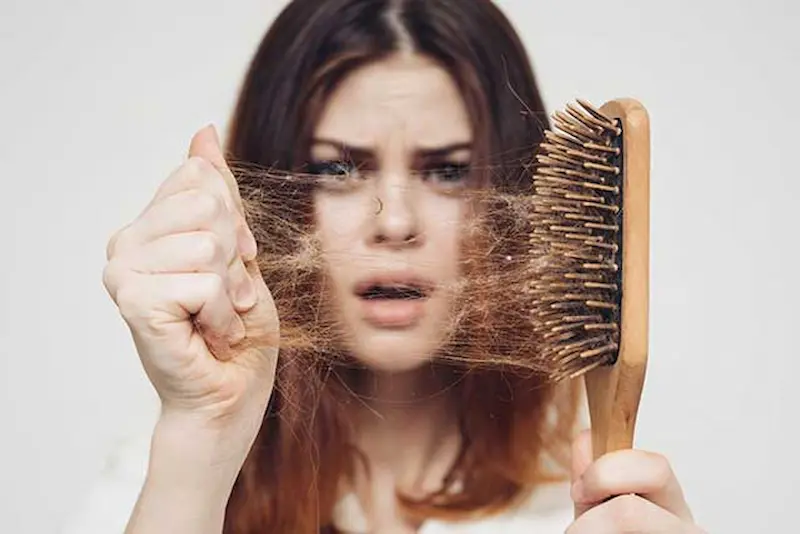
Yes, birth control can cause hair thinning in some individuals, especially with formulations that have higher androgenic activity or in those sensitive to hormonal changes. Low-androgen options are less likely to cause this effect, and not all users experience thinning.
Shedding Vs Thinning Differences
Hair shedding is usually temporary and linked to a disrupted hair growth cycle, while hair thinning reflects a gradual loss of density. Shedding often relates to telogen effluvium, while thinning may resemble female pattern hair loss. Identifying the type of hair loss helps guide treatment.
What You May Notice
Hair loss linked to hormonal contraceptives often develops gradually. Many individuals notice subtle changes before significant shedding appears. Recognizing these signs helps guide early evaluation.
Common signs may include:
- Increased hair shedding during washing
- A wider part line
- Reduced volume
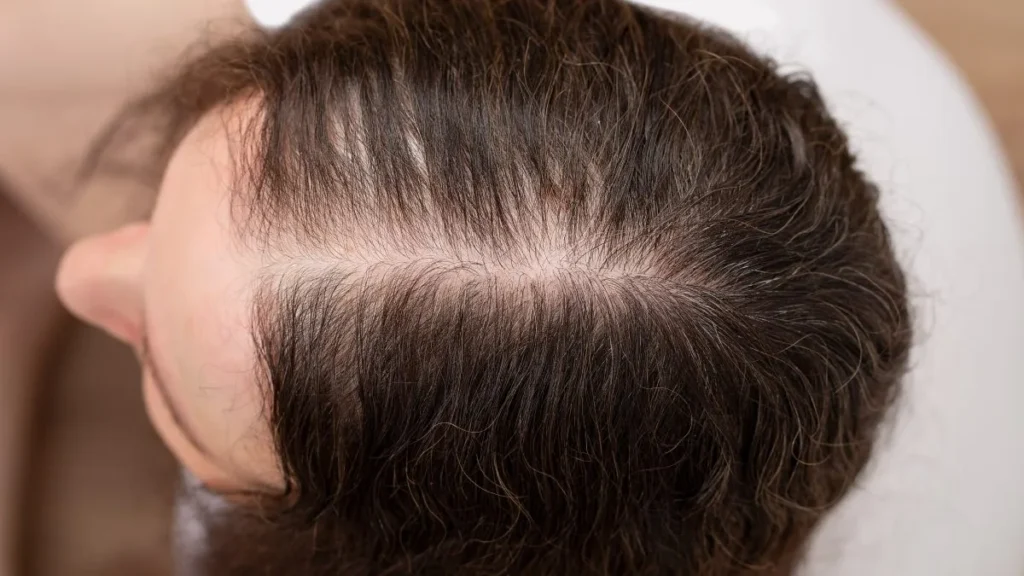
These changes reflect shifts in hair follicles rather than immediate permanent loss.
How Birth Control Affects Hair Growth
Hormones And Hair Growth Cycle
Hormonal birth control alters estrogen and progestin levels, which regulate how hair grows. The pill works by changing hormone balance, which can shift hair follicles into a resting phase. This is one of the main effects of birth control that can influence the hair cycle and lead to shedding.
Why Hormones Affect Hair Growth
Estrogen supports longer growth phases, while changes in hormonal contraceptives can disrupt this balance. Progestins with androgenic properties may increase androgen activity and shorten growth cycles. A higher androgen index increases the likelihood of hair thinning in sensitive individuals.
What Determines If Birth Control Causes Hair Loss
Hair loss does not occur in everyone using hormonal contraceptives. It depends on individual sensitivity to androgen activity and how the body responds to hormonal changes.
Key factors include:
- Genetic predisposition to female pattern hair loss
- The androgen index of the contraceptive
- Existing hormonal conditions
- The specific type of progestin used
How Doctors Evaluate Hair Loss From Birth Control
A clinical evaluation focuses on identifying the type of hair loss and whether hormonal contraceptives are the main trigger. This step helps guide appropriate treatment decisions.
The process usually includes reviewing the timeline, examining scalp density, and identifying signs of telogen effluvium or female pattern hair loss. Additional testing may be used when needed to rule out other causes.
Types Of Birth Control And Hair Loss
High Androgen Pills
Some oral contraceptives contain progestins with higher androgenic properties. These may increase the risk of hair thinning by affecting hair follicles.
How To Identify Higher Risk Formulations
Not all birth control pills work the same way, and their effects depend on the progestin type. Higher-androgen-index formulations may increase androgen activity and affect hair more significantly. Lower androgen options are less likely to contribute to hair changes.
Birth Control That Does Not Cause Hair Loss
Low-androgen birth control methods are less likely to trigger hair loss. These may be considered for individuals sensitive to hormonal changes.
IUDs And Non-Pill Options
Other birth control methods, such as IUDs, may affect hormones differently. A progestin-only pill is another option that may have different androgenic properties depending on the formulation. Non-hormonal methods avoid androgenic effects entirely but may not suit all individuals.
Hair Loss Recovery After Birth Control
Does Hair Loss After Birth Control Grow Back?
Hair loss after stopping hormonal contraceptives is often temporary. Hair grows back once hormone levels stabilize, though timing varies.
What To Expect During Recovery
Recovery is gradual and may take several months as hair grows through its cycle. Reduced shedding is often followed by regrowth over time. Persistent symptoms may require further evaluation.
Clinical Perspective On Recovery
Clinical observations show most cases improve once hormone levels stabilize. However, prolonged androgenic effects or genetic factors may lead to continued thinning. Identifying the underlying mechanism is essential for management.
How To Prevent And Treat Hair Loss
How To Prevent Hair Loss While On Birth Control
Preventive steps include selecting appropriate birth control methods and monitoring early signs. Choosing options with lower androgenic properties may reduce risk.
How To Treat Hair Loss From Birth Control
Treatment depends on the identified cause and may include medical or supportive approaches. According to Dr. Asi Peretz, understanding the mechanism behind hair loss is essential before selecting treatment.
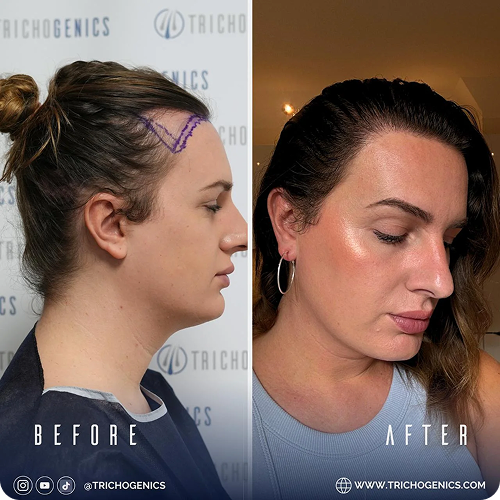
Hair restoration may be considered when loss stabilizes. Techniques such as FUE (Follicular Unit Extraction) and DHI (Direct Hair Implantation), including the Choi pen, are used in modern practice, with different hair transplant techniques applied based on individual needs.
Patients should be aware that standards vary across regions, and that physician involvement and follow-up play a role in the quality of care.
When To See A Specialist
Warning Signs To Watch
Medical evaluation is recommended when hair loss is persistent or worsening. Early assessment helps identify the correct type of hair loss.
Other Causes To Rule Out
Hair loss may also be linked to other factors, including hormonal changes, such as those explained in “Does menopause cause hair loss?“
Common causes include:
- Thyroid imbalance
- Iron deficiency
- Stress
A full evaluation helps determine the underlying cause.
FAQs About Birth Control And Hair Loss
Yes, hormonal contraceptives can affect how hair grows by altering the hair cycle.
Most cases are temporary, but underlying conditions may influence long-term outcomes.
Hair loss duration varies, but many cases improve within a few months as hair grows and stabilizes.