

Safety depends on the medication, dose, and the cause of shedding. Hair fall out, including telogen effluvium, alopecia areata, vitamin deficiency, or other medical conditions, may need a different plan. Some oral drugs can cause sexual side effects, swelling, blood pressure changes, or pregnancy risks such as birth defects.
A doctor can help determine whether tablets, topical minoxidil, or other hair-shedding treatments make more sense. A doctor can help determine whether tablets, topical minoxidil, or other treatment options for thinning hair make more sense.
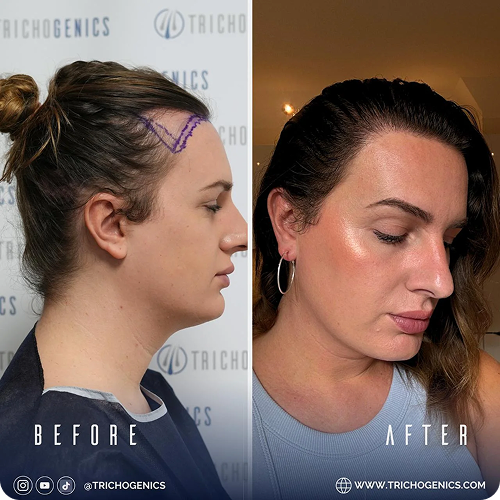
At clinics such as Trichogenics, where Dr. Asi Peretz and Dr. Eric Peretz practice hair restoration in Greece and Israel, oral treatment is typically considered as part of a broader medical evaluation rather than a stand-alone solution.
Key Takeaways
- Hair loss tablets can help, but results depend on the cause of thinning and consistent use.
- Finasteride and oral minoxidil are the main prescription options for pattern thinning.
- Not all shedding responds to tablets, especially when an underlying health issue is involved.
- Side effects and pregnancy risks should be reviewed before starting treatment.
- Some people need a broader plan that includes topical care or a hair transplant.
How Hair Loss Is Diagnosed
The best way to treat shedding is to identify the cause first. A scalp exam, medical history, and sometimes blood tests can help show whether thinning is linked to female pattern hair loss, androgenetic alopecia, stress, inflammation, or another trigger. This step helps avoid wasting time on the wrong treatment. It also helps doctors choose safer medical treatments.
What Is the Best Tablet for Hair Loss?
There is no single best tablet for hair loss because treatment depends on the cause of shedding, the extent of thinning, and your overall health. The most suitable option depends on the diagnosis, safety profile, and long-term plan.
Common options include:
- Finasteride/Propecia is often used for pattern thinning to help reduce DHT and slow follicle miniaturization.
- Low-dose oral minoxidil, which may support hair regrowth by extending the growth phase.
- Spironolactone, in some women, when hormones contribute to shedding.
- Vitamin or iron correction, if blood work shows a deficiency.
The best option is the one that matches the cause of thinning and can be used safely over time.
How Long Results Take
Hair cycles are slow, so tablets do not work right away. Most people need three to six months before they notice less shedding or early thickening. Visible hair regrowth can take longer, especially in areas where follicles have been weakened for years. Stopping too early is a common reason people think treatment failed.
Hair Loss Tablets for Men and Women
Men and women can both use oral treatments, but the best option depends on the cause of shedding and overall health. Finasteride and low-dose oral minoxidil are common options for pattern thinning, though treatment plans often differ by sex.
Female pattern hair loss may also be linked to iron deficiency, hormonal imbalances, thyroid issues, or other common triggers of thinning, which should be reviewed first.
Some tablets are not safe during pregnancy because of the risk of birth defects, and some prescriptions or supplements can also contribute to shedding in certain cases, especially if you are already taking medications linked to shedding.
Types of Hair Loss Tablets
These tablets are only one part of the treatment. Their goal is to reduce shedding, support scalp health, and protect existing hair follicles. The most common options each have different benefits and risks. Understanding the differences helps people make informed decisions.
Finasteride
Finasteride lowers DHT, which can help slow progression and preserve density in pattern thinning. It is mainly used in men, though some women may be considered in select cases under medical supervision. Some users report sexual side effects, and a small number may have symptoms that persist after stopping. Follow-up matters to balance benefits and risks.
Minoxidil
Oral minoxidil may stimulate hair and keep more strands in the growth phase. Some people respond better to oral minoxidil than topical minoxidil, while others do well with topical treatment alone.
Some also combine medical care with supportive scalp routines, such as using Nizoral shampoo to support the scalp when dandruff or inflammation is present.
The best option depends on tolerance, health history, and the pattern of loss. A doctor should guide dosing and follow-up.
Biotin
Biotin is widely marketed, but it does not treat all types of thinning. It may help if there is a true deficiency, but evidence for routine use is limited. Testing first is often more useful than guessing.
Some people also ask about home remedies, but options such as coconut oil for dry or irritated scalps may support comfort rather than address the root cause. Supplements alone rarely solve ongoing shedding.
When Tablets May Not Help
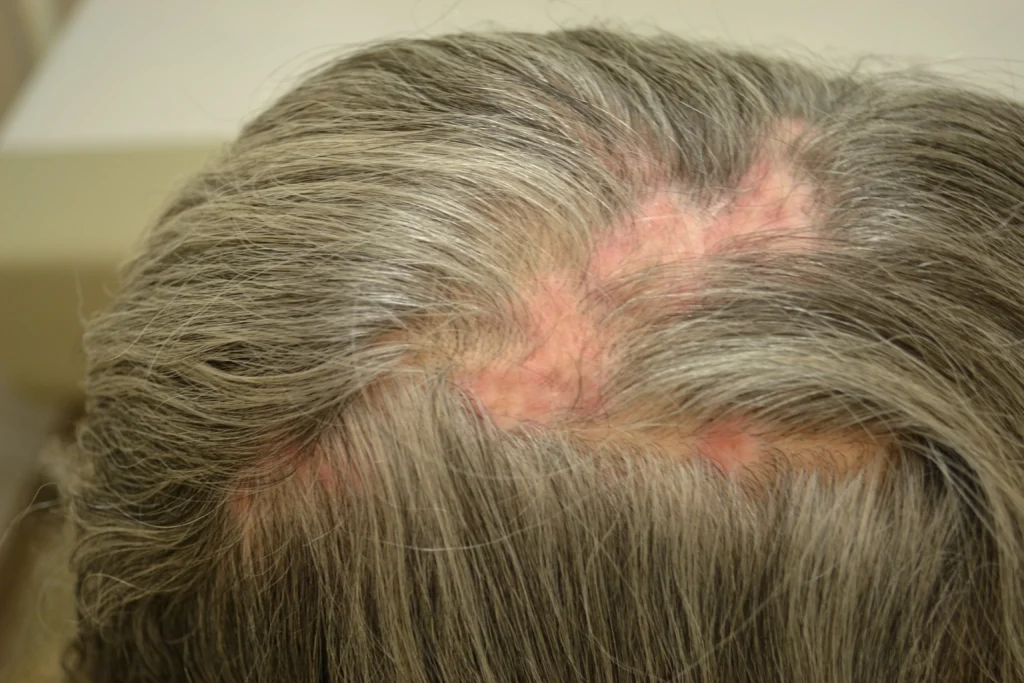
Hair loss pills do not work equally well for every cause. People with scarring alopecia, untreated nutritional deficiencies, active inflammation, or chronic scalp conditions may need a different plan first. Tablets may also be less useful if follicles have been inactive for a long time. A targeted diagnosis helps avoid months of ineffective treatment.
Benefits and Risks of Hair Loss Tablets
Hair shedding pills can help reduce shedding, slow follicle miniaturization, and support fuller coverage over time. These benefits depend on the correct diagnosis, realistic expectations, and consistent use.
Risks vary by medication. Finasteride may cause sexual side effects, while oral minoxidil can affect blood pressure or cause swelling. Some tablets are not safe during pregnancy because of the risk of birth defects, so treatment should be medically reviewed first.
Key Safety Checks Before Starting
Before starting oral treatment, doctors usually review your medical history, blood pressure, current medications, and, if relevant, pregnancy plans. This matters because some pills can interact with other drugs, including medicines used to treat high blood pressure, or affect people with heart or hormonal conditions.
In some cases, underlying circulatory issues or the drugs used to manage them can also contribute to shedding, especially when considering blood pressure-related causes of thinning.
A safe plan depends on understanding the full health picture first. This step can prevent avoidable side effects.
When Surgery May Be the Best Option
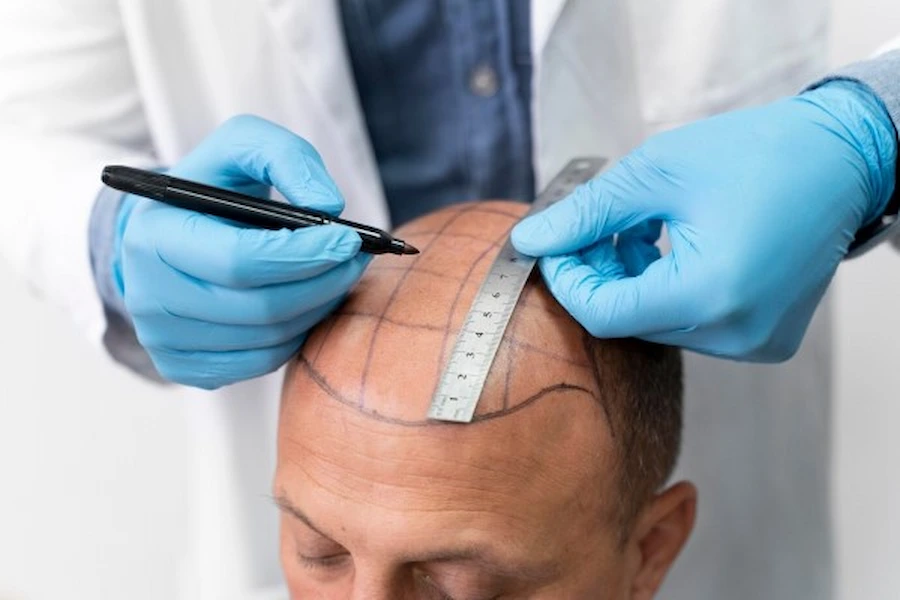
If hair follicles have stopped producing visible hair for a long time, tablets may not restore enough density. In those cases, a hair transplant may be part of the discussion. Modern methods such as FUE (Follicular Unit Extraction) and DHI (Direct Hair Implantation), including Choi pen implantation, are used in doctor-led surgical settings. Surgical planning also depends on donor hair, pattern stability, and follow-up.
When to See a Specialist
You should see a specialist if thinning is sudden, patchy, painful, or getting worse quickly. Sudden, diffuse shedding, round bald spots, or scalp symptoms can indicate alopecia areata, telogen effluvium, or another medical condition.
Early care can help treat loss of hair more effectively and protect long-term density. A tailored plan is usually safer than self-treating. If you have ongoing shedding or want a clearer diagnosis, scheduling a consultation can help you understand your options and next steps.