
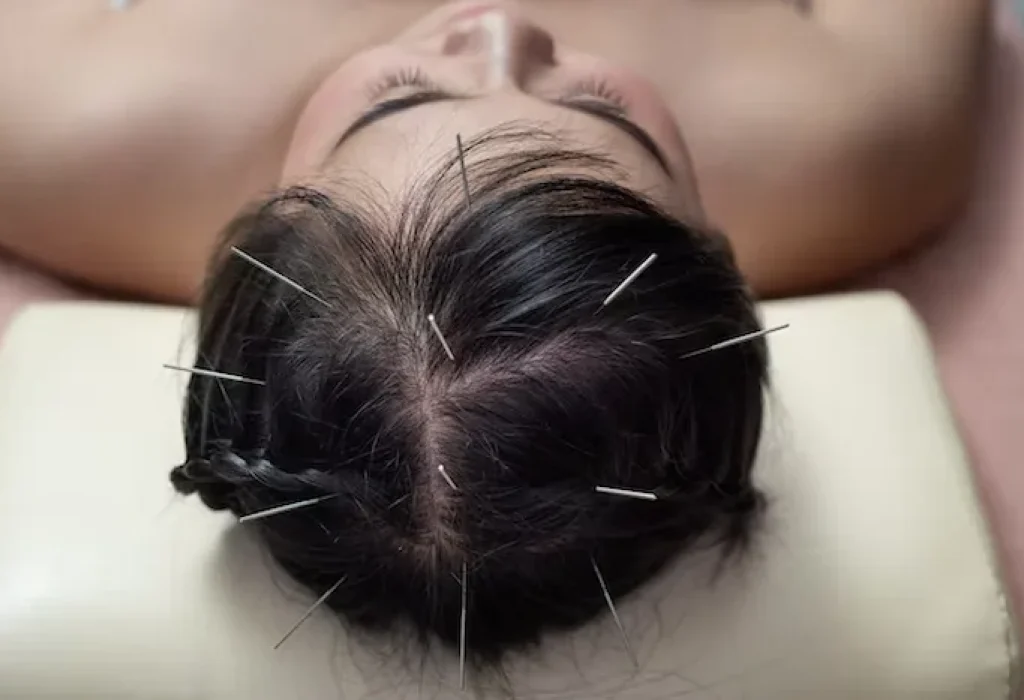
Acupuncture may help with hair loss in some cases, but it is not a main or guaranteed treatment for most people. In the context of acupuncture and hair loss, this method is considered a supportive option that may promote hair regrowth by improving scalp blood flow, reducing inflammation, and lowering stress levels.
Some patients may benefit more than others. This includes people with early hair thinning or short-term hair loss linked to stress or illness. Results can vary, and most people need several acupuncture sessions over time. Even then, results are often limited to less shedding or mild regrowth.
At Trichogenics, founded by Dr. Asi Peretz and Dr. Eric Peretz, this topic is reviewed clinically to help patients understand when this type of care may be useful. It may be more helpful in cases like alopecia areata or telogen effluvium, but it does not treat hormone-related causes such as dihydrotestosterone.
Key Takeaways
- Acupuncture may support hair regrowth in certain conditions, especially when inflammation or stress affects the hair growth cycle, but results are variable and not guaranteed.
- It does not directly target hormonal causes like dihydrotestosterone (DHT), so its effectiveness is limited for androgenetic alopecia compared to medical treatments.
- Most evidence comes from small studies and case reports, meaning outcomes should be interpreted cautiously and not considered definitive.
- Patients typically require multiple acupuncture sessions over several weeks, and any improvement often needs ongoing treatment to maintain results.
- For accurate diagnosis and effective treatment planning, medical evaluation is essential, as acupuncture is best used as a complementary approach rather than a primary solution.
Does Acupuncture Help With Hair Loss?
Acupuncture for hair regrowth is rooted in traditional Chinese medicine, where bodily balance is linked to hair health. Some studies show that acupuncture sessions may help stimulate hair follicle activity by increasing blood flow.
This process stimulates hair growth in some patients by improving nutrient delivery to the scalp. It may help promote hair growth in some people, especially when inflammation is involved.
Results are not the same for everyone. Acupuncture does not treat hormone-related causes like dihydrotestosterone (DHT), which drives common hair fall. Because of this, it is better used as a support rather than a primary treatment.
Can Acupuncture Reverse Hair Loss?
This needle therapy may improve hair thickness in some cases, but it rarely reverses long-term hair loss. People with early hair thinning or telogen effluvium may see small changes. Advanced hair shedding usually does not respond well.
What Controls Hair Growth and Loss?
Hair growth follows a cycle with three stages: anagen, catagen, and telogen. Hormones, genes, and inflammation affect this cycle. When the cycle is disrupted, hair may shed more or grow less.
How Acupuncture Affects Hair Growth
Blood Flow and Follicle Stimulation
Needles are placed in specific areas to improve blood flow. Better circulation can bring more oxygen and nutrients to hair follicles. This may help stimulate hair follicle activity in some cases and supports the idea that acupuncture promotes hair growth by improving scalp conditions.
Some people also consider nutritional support, such as biotin supplements for hair health, although results can vary among individuals.
Inflammation and Immune Response
Acupuncture may help with certain types of hair loss, but results are limited and depend on the underlying cause. It is not effective for hormone-related hair loss driven by dihydrotestosterone (DHT).
Some studies suggest that acupuncture can stimulate hair follicle activity by increasing blood flow and improving nutrient delivery to the scalp. This may support hair growth in some patients, particularly when inflammation is involved.
However, results vary, and acupuncture is generally better used as a complementary treatment rather than a primary solution.
Needle Therapy: What to Expect
How Many Sessions Are Needed?
Most people need several sessions to see if it helps. A common plan may include:
- 1 to 2 sessions per week
- 8 to 16 weeks of treatment
The exact number depends on the person and the cause of hair shedding.
How Long Until You See Results?
If results happen, they often take a few weeks. Hair grows slowly, so changes take time to show. Some people notice less shedding before they see new hair.
Are Results Temporary or Long Term?
Results may not last without ongoing care. Many people need continued therapy sessions to maintain results. Long-term regrowth without follow-up is not well supported by current evidence.
Types of Hair Loss Therapeutic Needling May Treat
Thinning Hair
Acupuncture for thinning hair may help when stress or poor circulation plays a role, and some people also explore natural options like coconut oil for hair support as part of their routine. People in the early stages may see small improvements.
Hair Loss in Females
Needle therapy is often linked to stress or hormone changes, which are also common factors discussed in female pattern hair changes and thinning. It may help with stress and blood flow. It does not directly fix hormone issues.
Alopecia Areata
Alopecia areata is linked to the immune system. Some reports show acupuncture needles may help reduce inflammation and support regrowth in small areas. Results are not always the same.
Androgenetic Alopecia
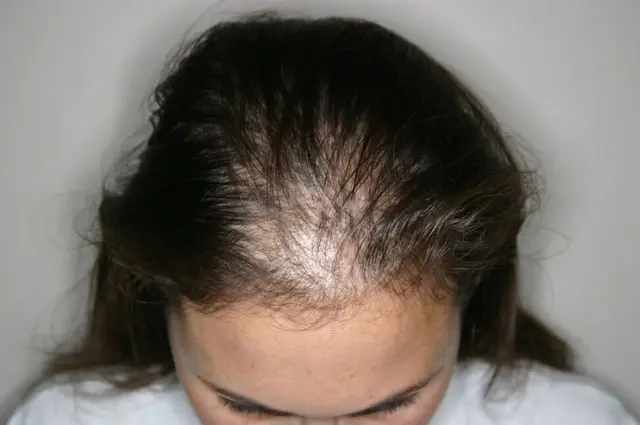
This is the most common type of hair loss and is linked to dihydrotestosterone (DHT). Needle therapy does not block this hormone, so its effect is limited. Medical treatments are usually needed.
Current evidence shows it does not reverse long-term follicle damage caused by DHT. It is not a main treatment for this type of hair shedding.
Evidence on Acupuncture and Hair Loss
Clinical Studies and Findings
Some studies show acupuncture may help hair growth in people with alopecia areata or telogen effluvium. Results often include less shedding or partial regrowth. These effects are more common in early or mild cases.
Some studies report response rates above 70% in people with alopecia areata after repeated acupuncture sessions. Case reports also show partial or full regrowth within 8 to 12 weeks in some patients. These results vary and should not be applied to all cases.
Treatment methods differ between practitioners. There is no standard plan for acupuncture sessions in treating hair shedding.
Limitations of Current Evidence
Most studies are small and do not follow patients long-term. There is limited data for androgenetic alopecia. This makes results harder to confirm.
Much of the data comes from small studies or case reports, not large trials. Because of this, results should be viewed with care. Overall, evidence suggests some benefit in select cases, but it is not strong or conclusive.
Side Effects and Safety
Common Reactions
This therapy is usually safe when done by trained professionals. Common side effects include:
- Mild pain at needle sites
- Redness
- Small bruises
When to Avoid Treatment
People with certain health conditions should speak with a doctor first. This includes those with bleeding disorders. Clean technique is important to avoid infection.
People using blood thinners or with weak immune systems need careful review before treatment. These factors may raise the risk of side effects.
Acupuncture vs Medical Hair Loss Treatments
Minoxidil and Finasteride
Minoxidil promotes hair growth by prolonging the growth phase. Finasteride lowers DHT, which slows hair loss. These treatments act on known causes, and some patients also use medicated shampoos like Nizoral for scalp care to support overall scalp health.
Therapeutic needling does not replace these treatments. It may be used as a support option.
Hair Transplant Options
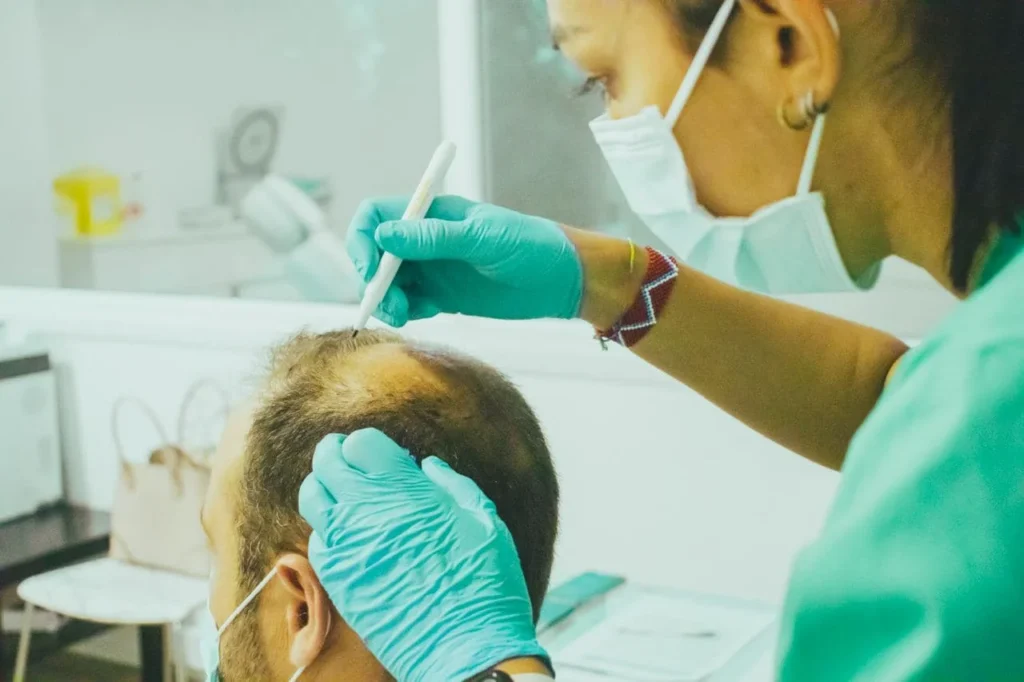
Hair transplant surgery moves healthy follicles to areas of thinning. Methods like FUE (Follicular Unit Extraction) and DHI (Direct Hair Implantation) are widely used today, and you can learn more about modern hair transplant techniques used in clinical practice. Choi pen implantation is one tool used in DHI procedures.
Doctor-led care and follow-up are important for safe results. Clinics in Greece and Israel, including Trichogenics, follow medical standards that support patient safety and recovery.
Who Is a Good Candidate and When to Seek Treatment?
When It May Help
This treatment may be useful for:
- Early hair thinning
- Stress-related hair loss
- Telogen effluvium
- Mild inflammatory conditions
When It May Not Work
People with advanced androgenetic alopecia may not see results. In these cases, follicles may not respond.
Signs You Need a Specialist
You should see a doctor if you notice:
- Sudden or heavy reduction in hair density
- Patchy loss of hair
- No improvement over time