
The benefits include better moisture retention and reduced damage, while side effects may involve scalp irritation or buildup in some users. Its effectiveness depends on the cause of hair loss and is limited in cases of hormonal or genetic conditions.
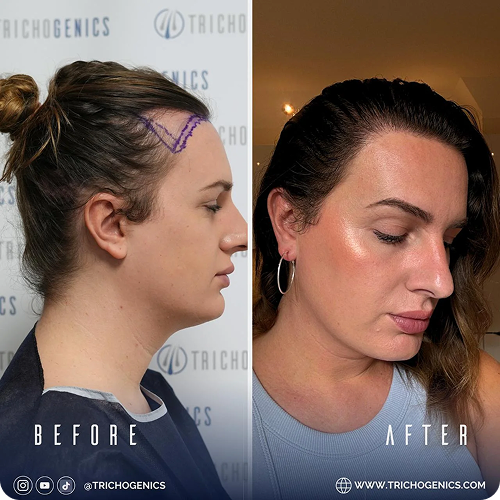
For persistent hair loss, evaluation at a clinic such as Trichogenics in Greece or Israel may be considered, where doctor-led care and structured follow-up are part of clinical practice.
Key Takeaways
- Batana oil for hair loss may improve hair texture and reduce breakage, but there is no strong clinical evidence that it regrows hair.
- Hair oils affect the hair shaft, not the follicle, so they improve appearance rather than true hair growth.
- Results are usually cosmetic, such as increased shine and reduced frizz, not new hair growth.
- The effectiveness depends on the cause of hair loss and is limited to hormonal or genetic conditions.
- A medical evaluation is often needed for persistent hair loss.
Does Batana Oil Help Hair Loss and What Science Says
There is no strong clinical evidence that batana oil promotes hair regrowth. American palm oil may improve hair condition, but it does not treat most causes of hair loss. In dermatology, oils are not considered treatments for hair loss conditions. This helps set realistic expectations.
Similar effects are seen with other oils discussed in coconut oil for scalp care. They reduce breakage and improve texture. Hair growth depends on the follicle under the skin. Because oils do not act on follicles, their effect on true regrowth is limited.
What Results Can You Expect
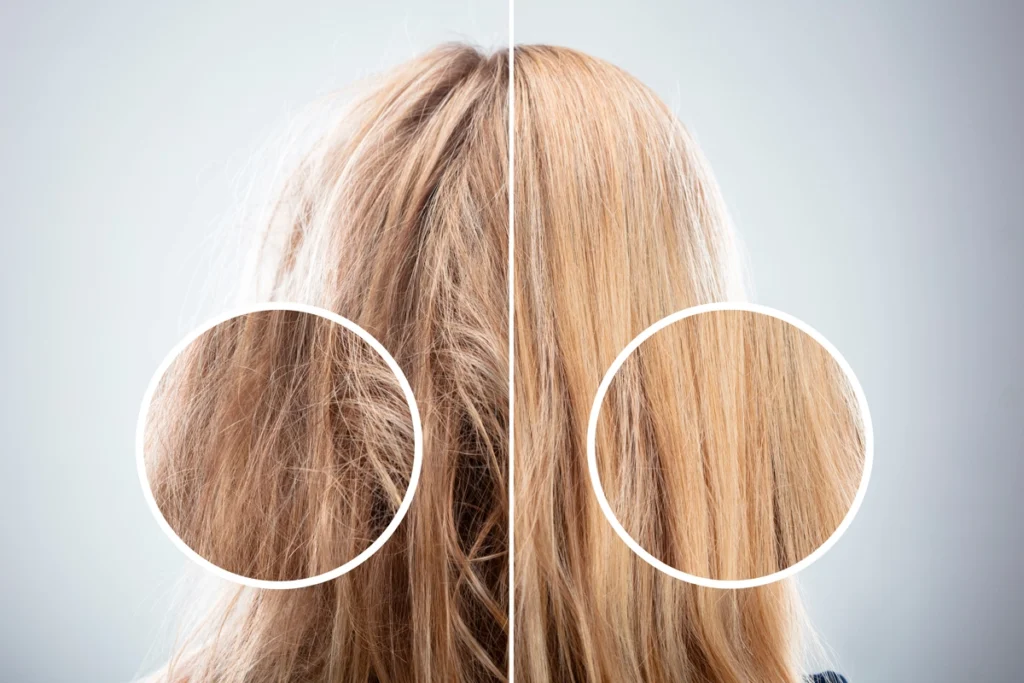
Hair growth with batana oil is linked to improved moisture and reduced breakage. Hair may appear fuller due to better condition. These results are cosmetic rather than structural.
Limits for Hair Regrowth
American palm oil cannot reverse conditions like androgenetic alopecia. It may support existing hair but will not reactivate follicles. This is important when comparing it with medical treatments.
Batana oil may be helpful or ineffective depending on the cause:
- May help with:
- Dry scalp and irritation
- Hair breakage
- Will not help with:
- Hormonal hair loss
- Genetic thinning
What Is Batana Oil and How It Works
Origin and Key Nutrients
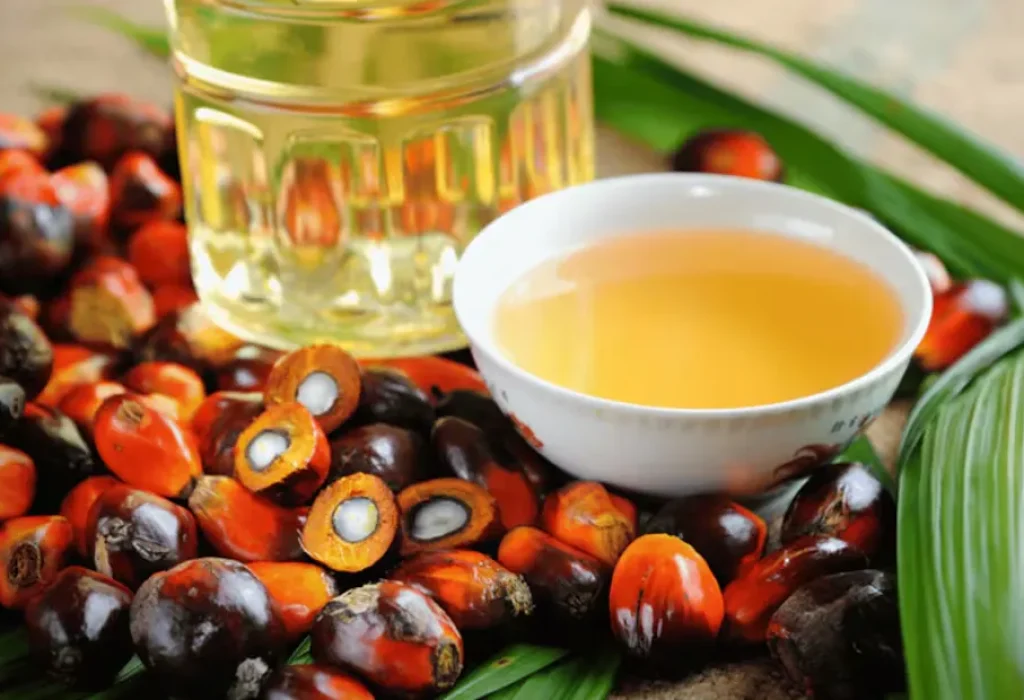
This plant-based hair oil comes from the American palm; it contains fatty acids such as oleic and linoleic acids that help reduce moisture loss and improve hair flexibility. It also includes vitamin E, which helps protect the hair from damage. These nutrients support the hair shaft and scalp, making it a conditioning hair oil.
Impact on Scalp and Hair
The oil forms a barrier that reduces dryness and irritation. This can improve scalp comfort and hair strength. However, it does not create new hair growth.
How to Use Batana Oil for Hair Loss
Step-by-Step Application
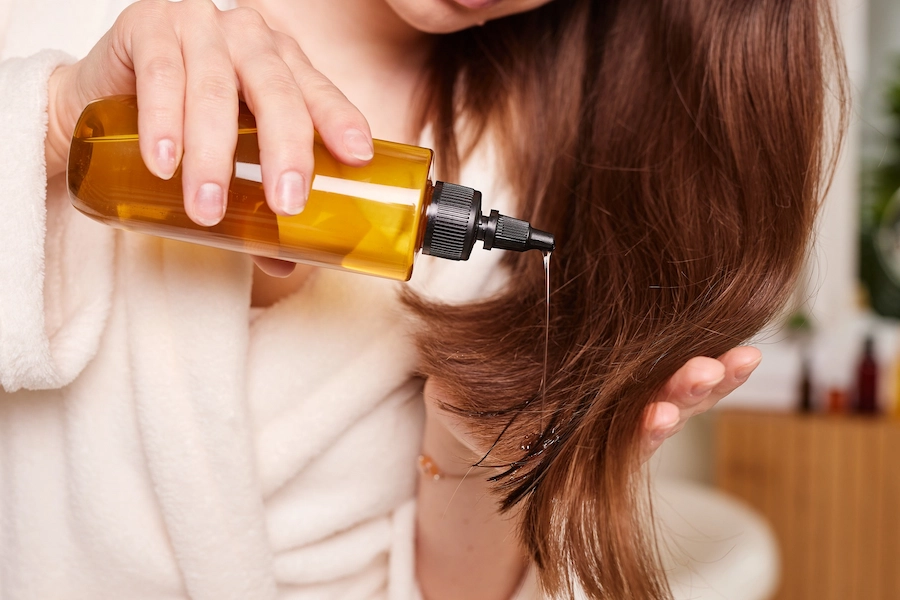
- Apply a small amount of batana oil directly to the scalp
- Massage gently using your fingertips
- Leave it on for 20 to 30 minutes
- Wash thoroughly with shampoo
- Repeat consistently to support visible results
How Often to Apply
Use two to three times per week. Overuse can lead to buildup and irritation. Adjust based on scalp response.
Side Effects and Disadvantages of Batana Oil
Common Scalp Reactions
Some users may experience itching or irritation. Allergic reactions are possible. Patch testing is recommended before use.
Buildup may occur with frequent use and can affect scalp balance. This may increase irritation in sensitive individuals. Monitoring scalp response is important.
Stop use if redness, itching, or increased shedding occurs. These signs may indicate sensitivity. Professional guidance may be needed.
When to See a Hair Specialist
Signs of Ongoing Hair Loss
Persistent shedding or thinning may indicate a deeper issue. Early evaluation helps identify the cause. Delaying care can limit treatment options.
Medical Treatment Options
Hair restoration may include medical therapy or surgical procedures. In some cases, topical treatments like those explained in Nizoral shampoo and scalp treatment are also considered as part of a broader care plan.
Techniques such as FUE (Follicular Unit Extraction) and DHI (Direct Hair Implantation) are performed by trained physicians, with structured follow-up. Countries such as Greece and Israel often emphasize doctor-led care, while some locations, like Turkey, may have variable regulation.
Scheduling a professional evaluation helps determine the most appropriate treatment approach based on individual needs.