
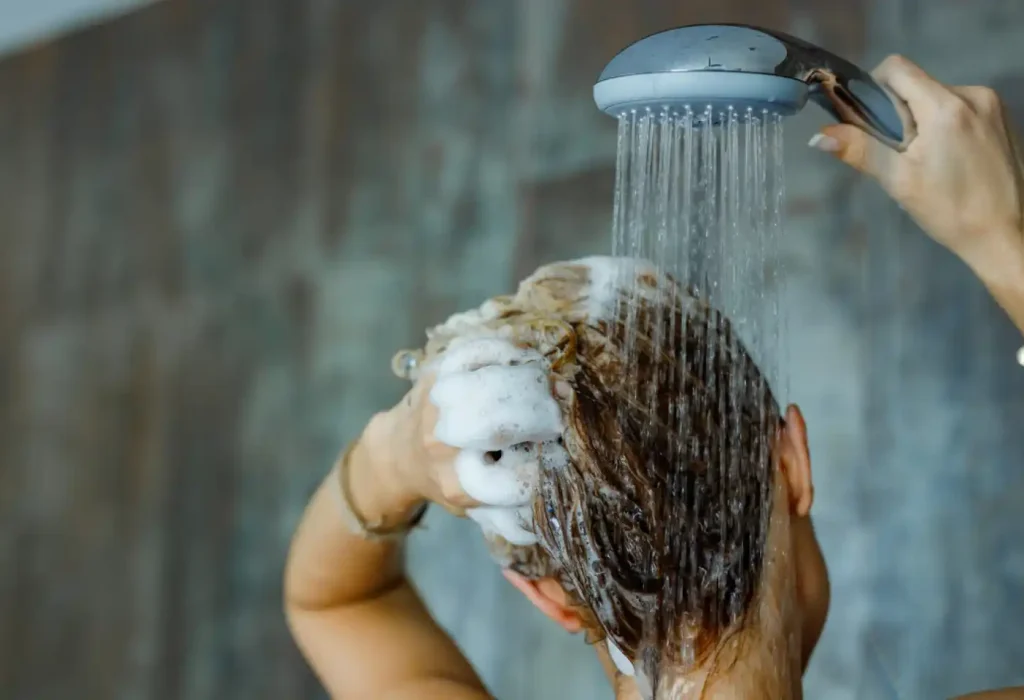
This often leads to dryness, dullness, and hair breakage, which can make hair appear thinner over time. The topic “Can Hard Water Cause Hair Loss? Causes, Signs, and Solutions” focuses on distinguishing between surface damage and true follicle-related conditions.
With continued exposure, buildup can reduce the effectiveness of shampoos and conditioners and affect scalp cleansing. This may cause hair to feel rough, stiff, and harder to manage, increasing breakage during washing your hair. At clinics like Trichogenics, founded by Dr. Asi Peretz and Dr. Eric Peretz, these factors are evaluated alongside medical causes to understand whether thinning is external or internal.
Key Takeaways
- Hard water does not usually cause permanent thinning, but it can lead to hair breakage and weaker strands due to mineral buildup on the hair shaft.
- Calcium and magnesium in mineral-rich water create a coating that blocks moisture and increases friction, making hair damaged and harder to manage.
- The effects of hard water are often reversible, and hair condition can improve once the buildup is removed and proper care is restored.
- Signs include dullness, rough texture, and increased breakage, especially in color-treated hair.
- Managing mineral-rich water includes using a clarifying shampoo and, when possible, installing a water softening system or switching to soft water.
What Does Hard Water Do to Your Hair?
The effects of hard water are mainly linked to minerals in hard water attaching to the hair shaft. This coating blocks moisture and changes how the hair responds to daily stress. As a result, the hair shaft becomes more rigid and prone to water damage.
Over time, this buildup can make hair look dull and reduce the performance of shampoos and conditioners. This is especially noticeable in color-treated hair, where fading may occur faster. In contrast, soft water allows products to rinse more easily and helps maintain a smoother texture.
From a structural perspective, buildup increases friction between strands. This leads to tangling and a higher risk of hair breakage during brushing or washing your hair. The result is hair that feels dry and less flexible.
How Hard Water Affects Hair and Scalp
Mineral-rich water can create a layer on both the scalp and hair that limits moisture absorption. This can lead to dryness and mild irritation. While it does not directly cause hair loss, it can affect overall hair quality.
Research shows that mineral content can reduce the effectiveness of shampoos and conditioners at cleaning the scalp. Residue may remain, which affects how the scalp feels and responds to products. Using soft water can help improve cleansing and reduce buildup over time.
Mineral Buildup, Texture, and Strength
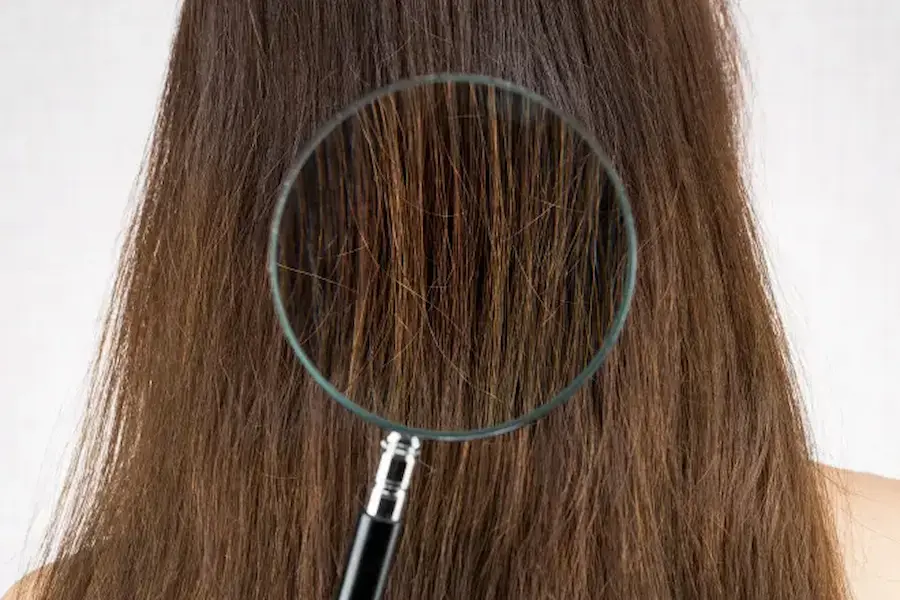
Minerals in hard water accumulate along the hair shaft, altering its texture. Hair may feel coarse and lose shine due to this coating. Over time, repeated exposure weakens the cuticle layer.
This buildup also increases friction between strands. Studies suggest this reduces flexibility and raises the risk of hair breakage. In some cases, the coating makes hair feel thicker, but it is structurally weaker.
Difference Between Hair Loss and Breakage
Hair loss refers to shedding from the root, while breakage occurs along the hair shaft. Mineral-rich water primarily affects the outer structure rather than the follicle. This means that most of the visible thinning is due to breakage.
Understanding this difference helps guide treatment. Addressing buildup can improve the appearance of density. Medical causes require a different approach.
Is Hair Loss From Hard Water Reversible?
Hair changes linked to mineral-rich water are usually reversible. Once mineral buildup is removed, the hair shaft can recover strength and flexibility. This improves how the hair looks and feels over time.
If damage is reduced, strands can grow longer without breaking. Studies suggest that when the cause is external, recovery is possible with consistent care. If thinning continues, other factors such as medications that affect hair growth may be involved.
Other contributing elements, including lifestyle and biological triggers, are explained in more detail in the common factors that influence hair thinning.
How Long Does It Take to Reverse Damage
Improvement timelines vary based on the degree of buildup and the extent of routine changes. Some notice results within weeks after using a clarifying shampoo or installing a water softening system. Others may take longer depending on hair condition.
Hair grows gradually, so visible results take time. Consistency is key when managing mineral buildup. Regular care supports recovery and reduces further damage.
Signs Hard Water Is Damaging Your Hair
Mineral-rich water damage often appears as changes in texture and manageability. Hair may feel heavier due to buildup and harder to style. These changes develop over time with repeated exposure.
Dryness, Dullness, and Rough Texture
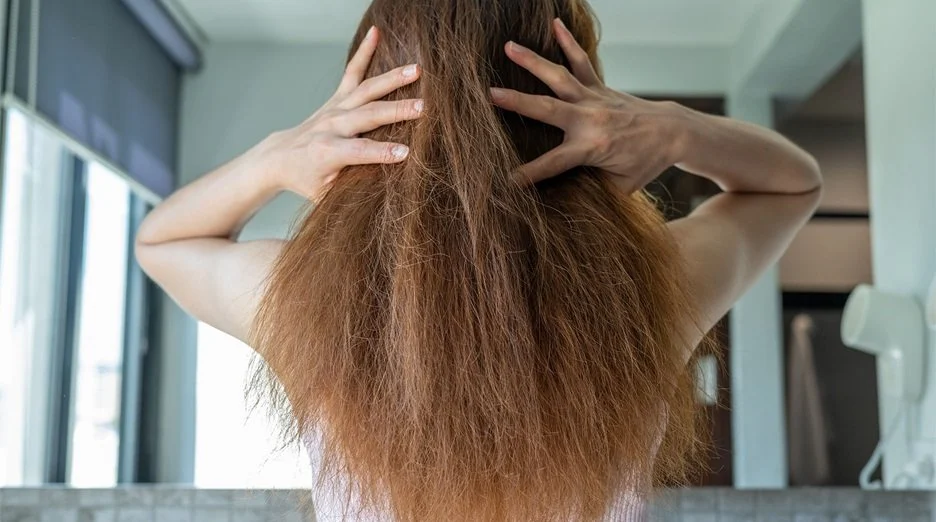
Hair damaged by minerals in hard water often looks dull and feels dry. The surface becomes rough, and the shine is reduced. This is common in color-treated hair.
Increased Shedding or Breakage
Hair breakage may increase when the hair shaft becomes weak. This can be mistaken for hair loss. Broken strands are usually shorter and uneven.
How to Fix and Protect Hair From Hard Water
Managing mineral-rich water effects involves removing buildup and preventing further exposure. A simple routine can help improve hair condition and reduce damage.
- Confirm mineral buildup through visible residue
- Use a clarifying shampoo regularly
- Apply treatments like apple cider vinegar or natural oils, such as batana oil for hair care support to help reduce buildup
- Consider installing a water softening system or switching to soft water
These steps help restore balance and protect the hair shaft. Consistency supports long-term results.
Shampoo for Hard Water
A clarifying shampoo helps remove buildup from the hair shaft, and some formulas like Nizoral shampoo for scalp care are often discussed in clinical routines. This improves how hair feels after washing and allows conditioners to work more effectively. It is often the first step in managing water hair damage.
Water Filters and Softening Solutions
Installing a water softening system reduces mineral content at the source. This limits exposure to calcium and magnesium. Over time, this helps prevent buildup and supports healthier hair.
If you’re noticing persistent thinning or want a clearer evaluation of your hair condition, a clinical assessment can help identify the underlying cause.
You can schedule a consultation with the medical team at Trichogenics to review your case and discuss appropriate options based on your hair and scalp profile.