

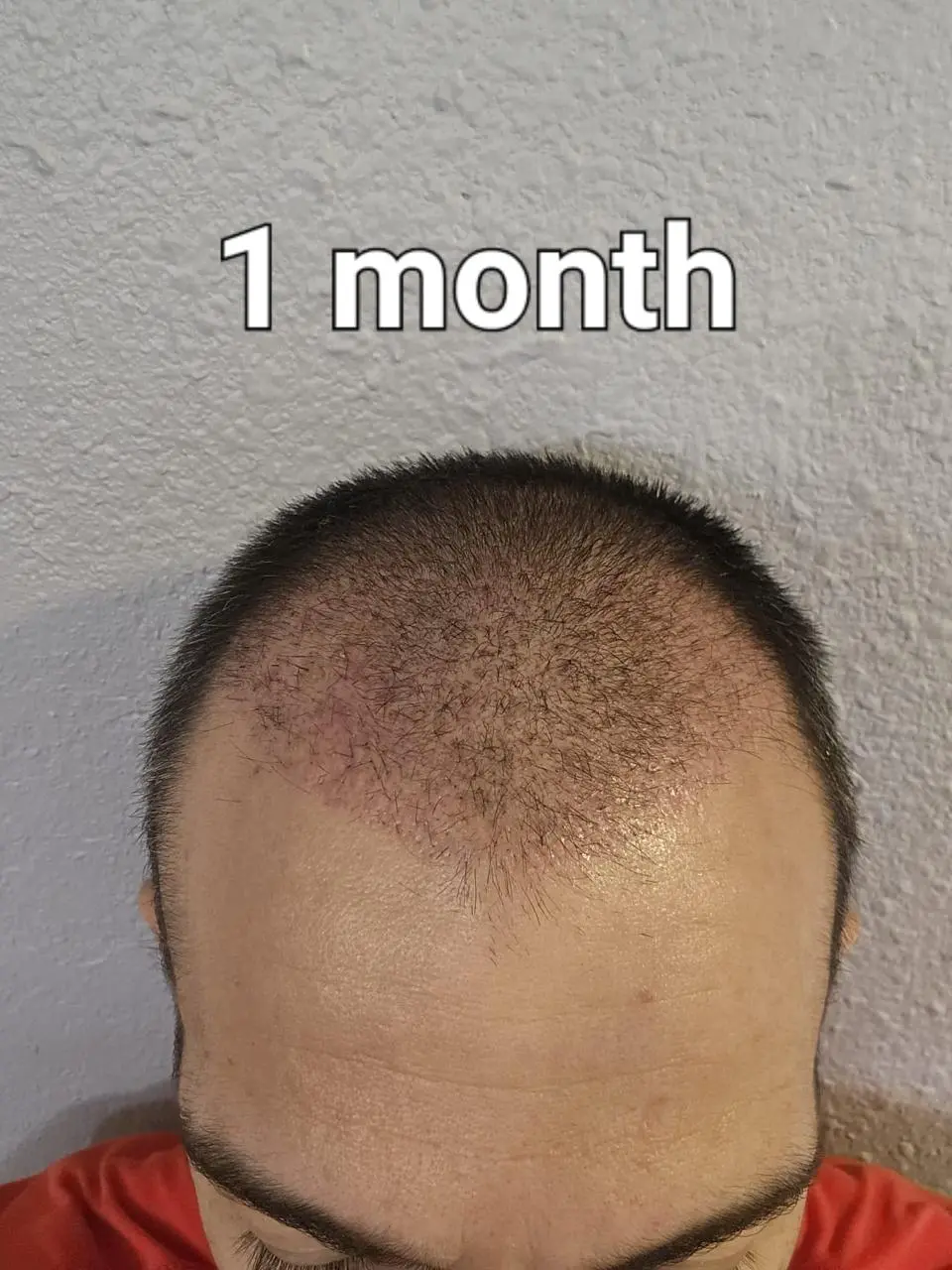
At 1 month post-hair transplant, most patients experience early healing, light shedding, and slow, visible growth as the follicles establish themselves beneath the skin. The scalp may still look slightly red or uneven, and density at this stage does not reflect the final result.
Many transplanted hairs fall out before they grow back, which is normal and part of the natural recovery cycle. With proper care and realistic expectations, this period prepares the scalp for more noticeable growth in the months ahead.
Key Takeaways
- 1 month after hair transplant, care involves gentle washing, mild shampoo use, and avoiding direct pressure or scratching to protect the grafts.
- Shedding is expected during the first month after a hair transplant, as transplanted hairs enter a resting phase before new growth begins.
- Donor and recipient areas continue to heal at this stage, and postoperative care helps reduce sensitivity, redness, and scabbing.
- Light physical activity may resume, but intense exercise should wait until approved by your surgeon to avoid stress on the scalp.
Appearance at 4 Weeks / 30 Days
At 4 weeks after a hair transplant, patients usually see gradual visual progress. Some redness may still be visible, especially on sensitive skin, and small scabs may appear or continue to flake.
This stage still shows early results, not final density or shape. Under the surface, follicles are securing themselves for long-term growth.
How Should My Hair Transplant Look After 1 Month?
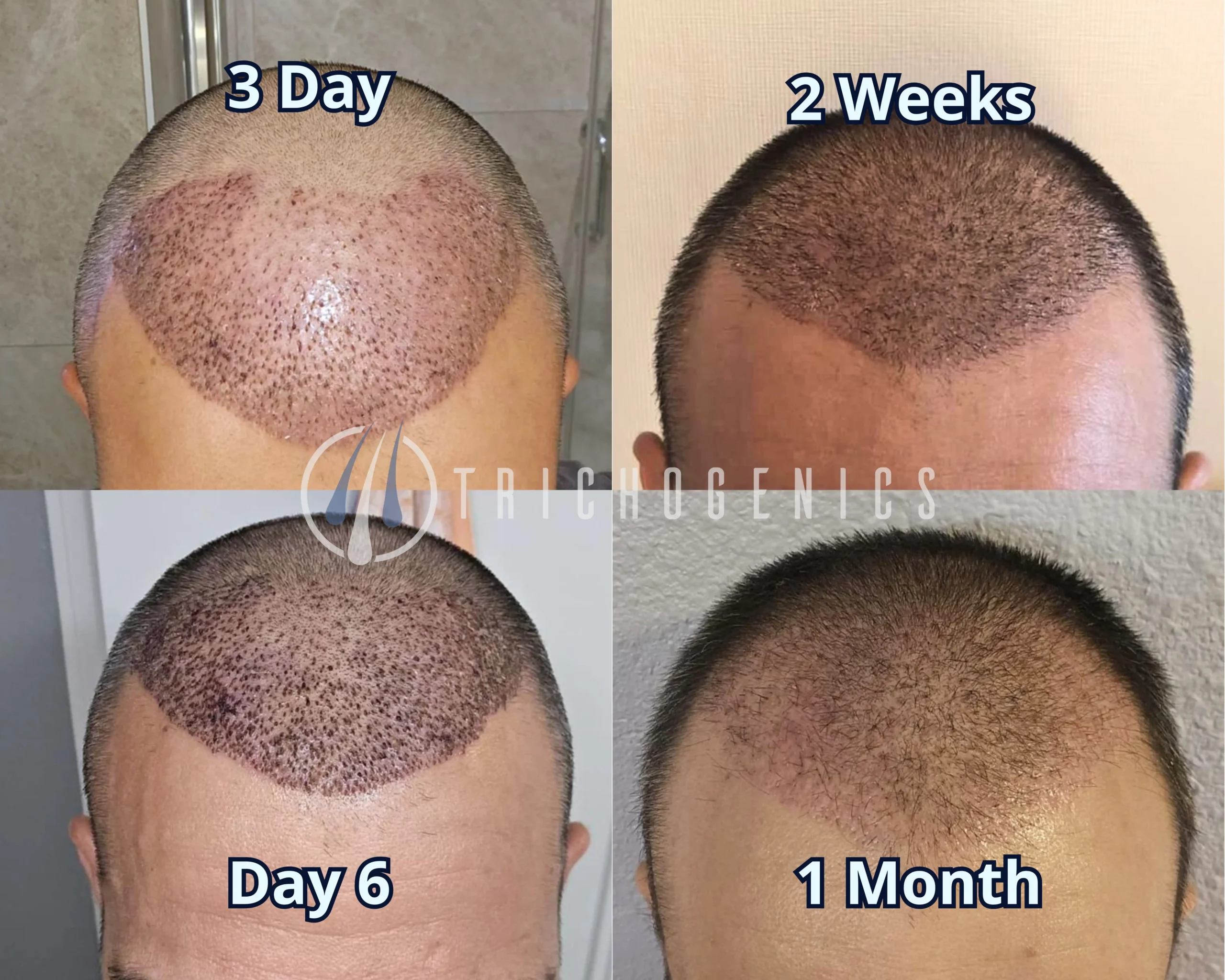
At one month post-hair transplant, the scalp may show mild redness, uneven density, and short, visible hairs. This is normal and does not indicate final coverage.
Newly transplanted hair often appears thin or patchy because most grafts are still in the early stabilization phase.
1 Month Post Hair Transplant Look: Redness, Shedding, Density
During this period, shedding of transplanted hairs increases. The scalp may look less dense as old hairs fall while new growth develops beneath the skin.
Color changes are common during the healing process, and most patients notice improvement by months 2 or 3.
What Happens 30 days after a Hair Transplant?
At 30 days after a hair transplant, transplanted hairs may shed and enter a resting phase.
This is normal and not a sign of loss. It often feels like a setback, but growth continues under the skin. Visible strands begin to return between months three and five.
Signs that appearance at month one is normal include:
- Light shedding or thinning in the recipient area
- Redness that fades slowly over time
- Uneven density across the transplanted area
- Short visible hairs with slower growth
Care Routine at 1 Month
A gentle care routine protects the transplanted area and supports new hair. Harsh treatment or pressure can irritate follicles still in recovery. The goal is soft maintenance with consistent scalp hygiene.
@trichogenics You got a hair transplant… now what? Here are some recommendations for your hair transplant recovery and aftercare. #hairtransplant #hairtransplantturkey #balding #malepatternbaldness #finasteride #minoxidil #hairtransplantresult #hairloss #trichogenics #hairtransplantmexico
♬ original sound - Trichogenics
How to Wash a Hair Transplant After 1 Month
When you wash your hair, use warm water and apply gentle fingertip pressure. Avoid aggressive rubbing or high-pressure streams directly on the scalp. Pat dry with a towel instead of rubbing. Do not scratch scabs or pull loose hairs.
Recommended Care Products & Shampoo at 1 Month
Choose a sulfate-free shampoo with a neutral fragrance and a low chemical load. Conditioners should be applied only to the hair, not directly to the scalp. Thick oils, alcohol-based products, and strong perfumes should be avoided.
Helpful care tips include:
- Keep scalp clean to prevent buildup.
- Avoid helmets or tight hats during the first month.
- Protect from direct sun exposure during early recovery.
Donor & Recipient Healing at One Month
The donor area often heals faster, while some sensitivity remains. The recipient site may feel tighter or drier as skin recovers. Both zones improve steadily with consistent care and hydration.
Donor Area Recovery: Crusts, Scabs, Sensitivity
Small scabs fall gradually, and pink skin shades return slowly. Itching may occur as nerves regenerate. Massage may be approved only after the surgeon’s clearance. The donor zone shows less visible trauma after week four.
Texture Changes & When They Improve
Some uneven skin texture is common at this stage. Tingling or numbness can appear during recovery. These sensations usually fade across months two and three.
Typical month-one recovery changes include:
- Less scalp sensitivity each week
- Gradual shedding of scabs or flakes
- Redness is reducing slowly over time
- Improved comfort with sleeping position
Shock Loss & New Growth Timeline
Shock loss is common and temporary. Although it may look like regression, it is part of the healing process. Patients at Trichogenics receive clear expectations so uncertainty is minimal.
Why Hair Sheds at One Month
Shock loss occurs when follicles enter the resting phase after surgery. The detached hairs fall while roots remain alive under the skin. This is a key part of the hair growth cycle.
When New Hair Starts to Grow Again
Hair starts reappearing gradually between months three and five. Full growth continues over a long period. Most final density appears 12–18 months after surgery.
@trichogenics How long does it take for the hair to grow after a hair transplant? Dr Asi Peretz explains. #hairtransplant #balding #hairloss #hairtransplantturkey #hairtransplantation #hairtransplantsurgery #hairfall #hairtransformation #trichogenics #hairlosssolutions #hairlossremedy #fyp
♬ original sound - Trichogenics
Expert Follow-Up & Aftercare Support
Follow-up protects long-term success. At Trichogenics in Israel and Greece, each patient meets directly with medical staff throughout their recovery. Both donor and recipient areas are monitored for growth and proper healing.
Turkey tourism clinics often lack regulated follow-up. Many operate without medical oversight or trained surgeons. Our doctors, including expert surgeon Dr. Asi Peretz, prioritize safety, controlled planning, and medical consistency.
This increases the long-term success rate and reduces complications from poorly supervised procedures.
When to Contact Your Surgeon
Contact a specialist if swelling worsens or extreme redness develops. Pain that does not improve should also be reported. If infection signs appear—such as pus or heat—professional assessment is required.
Patients should request medical review if they notice abnormal thinning or heavy loss beyond the expected shedding phase. Early guidance helps maintain recovery.
Progress at Month One and What Comes Next
One month post-hair transplant is a stage marked by shedding, mild redness, and gradual changes. Growth beneath the skin continues while density remains low. Gentle care supports progress, and regular follow-up enhances results.
Trichogenics in Israel and Greece offers medically supervised treatment with regulated safety, unlike many clinics in Turkey, where oversight and doctor involvement are limited.
With time, care, and guidance from experts like Dr. Asi and Eric Peretz, this early stage leads to stable, healthy progress and natural long-term growth.
Why Choose Trichogenics?
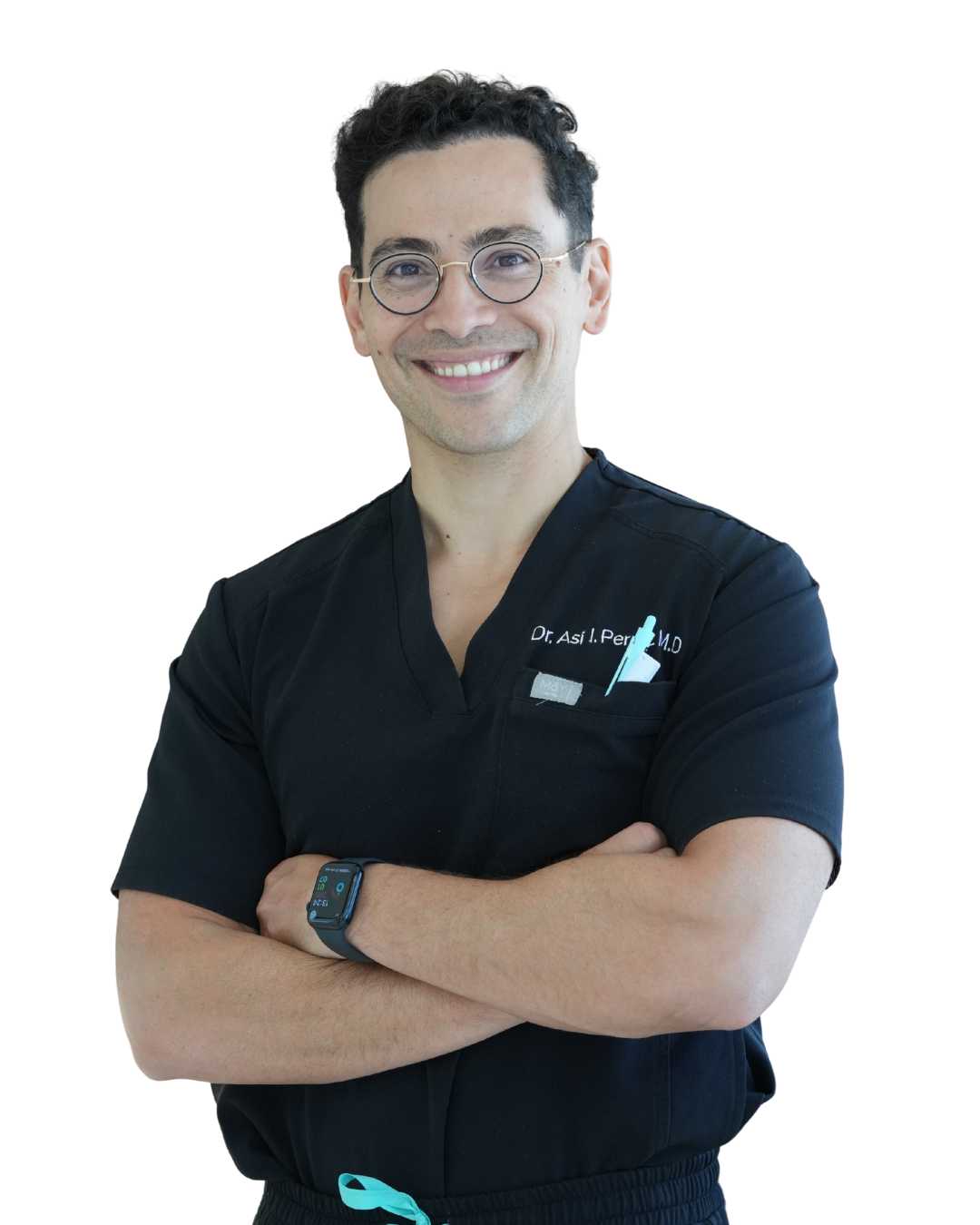
All procedures are performed only by doctors
The uniqueness of Trichogenics lies in its strict medical process—only certified doctors perform every transplant. No technicians or unqualified assistants are involved. Choosing a clinic with proven experience in hair transplants can make all the difference.
Meet Dr. Asi and Dr. Eric Peretz
The two doctors leading Trichogenics, Dr. Asi Peretz and Dr. Eric Peretz, are recognized leaders in the field. Their extensive experience, attention to detail, and focus on natural results make Trichogenics the best choice.
Contact Trichogenics today to schedule a personal consultation and get a clear, doctor-led plan for your hair restoration.


