
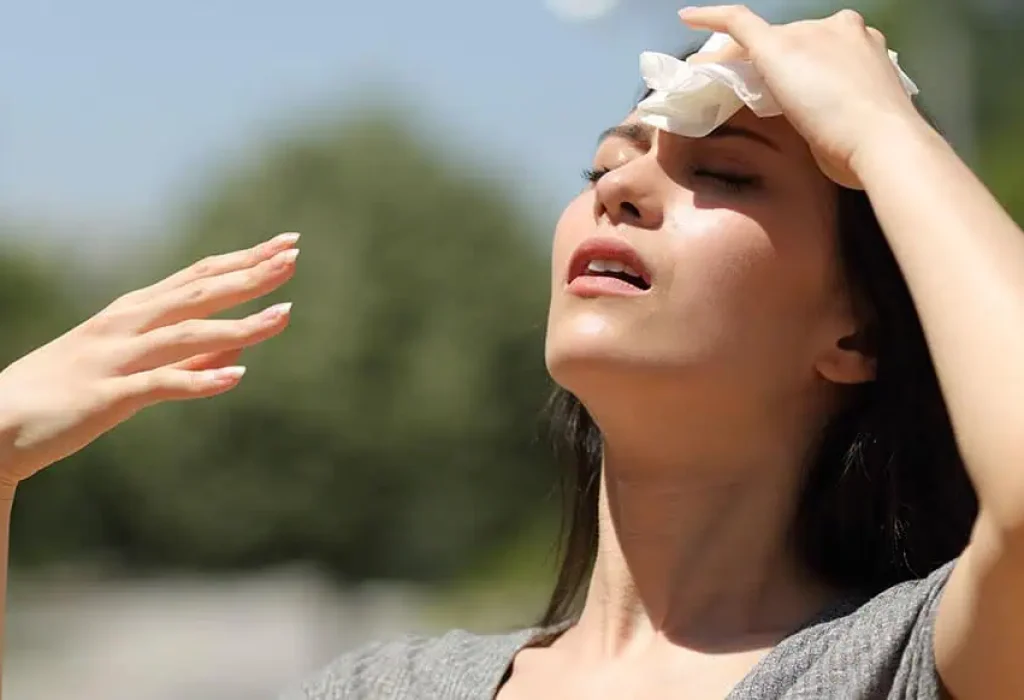
Dehydration can affect hair health, and the question of “can dehydration cause hair loss?” has a nuanced answer. Severe or chronic dehydration may contribute to increased shedding by disrupting the hair growth cycle, reducing nutrient delivery to hair follicles, and weakening hair shafts, leading to brittleness and breakage.
This type of hair loss is usually diffuse and temporary, rather than patterned, as in male pattern baldness or conditions such as alopecia areata. At Trichogenics, a clinic operating in Greece and Israel, these factors are considered alongside broader clinical evaluations of hair and scalp health.
Reversing dehydration-related hair shedding focuses on restoring proper hydration and supporting overall health. Drinking enough water, improving diet, and maintaining consistent hair care habits help reestablish normal follicle function and scalp balance.
As hydration improves, hair follicles typically return to the active growth phase, and shedding decreases over time. If hair shedding continues despite these changes, it may indicate another underlying condition that requires medical evaluation.
Key Takeaways
- Dehydration can affect hair health and increase shedding, but it is rarely the sole cause of long-term or permanent hair loss.
- The main impact of dehydration involves reduced nutrient delivery, weaker hair shafts, and scalp dryness, which can disrupt the hair growth cycle.
- Most dehydration-related hair changes are temporary and improve once proper hydration, nutrition, and overall health are restored.
- Drinking enough water supports scalp health and healthy hair, but it does not reverse genetic or medical causes such as male pattern baldness or alopecia areata.
- If hair loss persists despite adequate hydration, it is important to evaluate other underlying conditions and seek medical guidance.
Does Dehydration Lead to Hair Loss?
Dehydration can affect hair condition, but it does not typically cause long-term hair shedding. The impact of dehydration is more indirect, affecting scalp balance, nutrient delivery, and hair shaft strength. When the body is dehydrated, it prioritizes vital organs, which may reduce support for non-essential structures like hair.
Dehydration can affect hair condition, but it rarely leads to permanent hair fall on its own. In most cases, the changes are temporary and improve once proper hydration and overall health are restored. This means that while dehydration can weaken hair strands and affect scalp health, it is usually not the primary cause of long-term thinning. Understanding this early helps set realistic expectations and reduces unnecessary concern.
In cases of chronic dehydration, the body may shift more hair follicles into the resting phase of the hair growth cycle. This can increase shedding over time, especially if combined with stress or nutritional deficiencies. The effect is usually temporary and improves once hydration and overall health are restored.
Is Dehydration a Common Cause?
Dehydration alone is not a common primary cause of hair shedding. Conditions like male pattern baldness and alopecia areata have stronger genetic and immune-related mechanisms.
Dehydration may worsen existing conditions, but it rarely explains significant or patterned hair loss on its own. Other underlying causes are outlined in this overview of common factors behind hair thinning.
How Dehydration Affects Hair
Hydration is essential for maintaining the cellular processes that support healthy hair growth. Water helps regulate circulation and nutrient delivery to hair follicles, both of which are necessary for normal hair growth cycles.
When dehydration occurs, these processes can slow down, reducing the supply of oxygen and nutrients to the scalp. As a result, hair may become weaker, thinner, and more prone to shedding. Over time, this can affect overall hair quality and growth patterns.
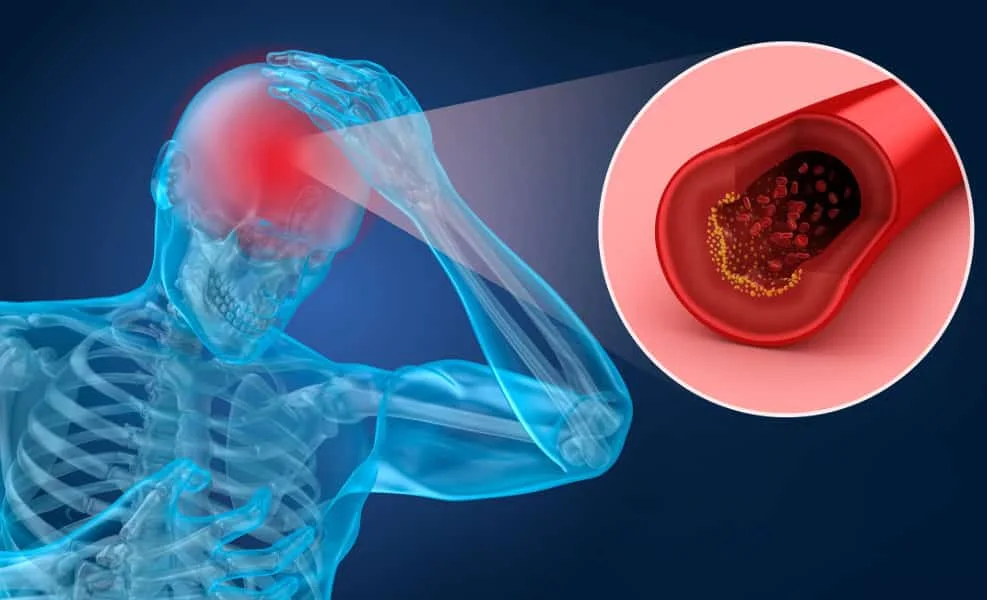
Reduced Blood Flow to Follicles
Reduced hydration can limit blood flow to hair follicles, decreasing oxygen and nutrient delivery. This can weaken hair strands and contribute to increased shedding.
Nutrient Delivery Disruption
Hair follicles rely on a steady supply of vitamins, minerals, and amino acids. Without proper hydration, the transport of these nutrients becomes less efficient, leading to weaker hair shafts over time.
Scalp Dryness and Weak Hair
Dehydration often affects the scalp first, leading to dryness and reduced elasticity. A dry scalp can make hair brittle and prone to breakage, affecting overall appearance.
Signs of Dehydration in Hair and Scalp
Most people first notice dehydration through visible changes in their hair. Hair may become dull, harder to manage, or more prone to breakage. Increased shedding during washing or brushing is also common.
What Dehydration Hair Loss Looks Like
Hair affected by dehydration may appear rough, less flexible, and thinner overall. Shedding is usually diffuse rather than concentrated in one area.
Signs of Dehydrated Hair
Common signs include:
- Dry hair strands
- Increased breakage
- Reduced shine
- Low moisture retention
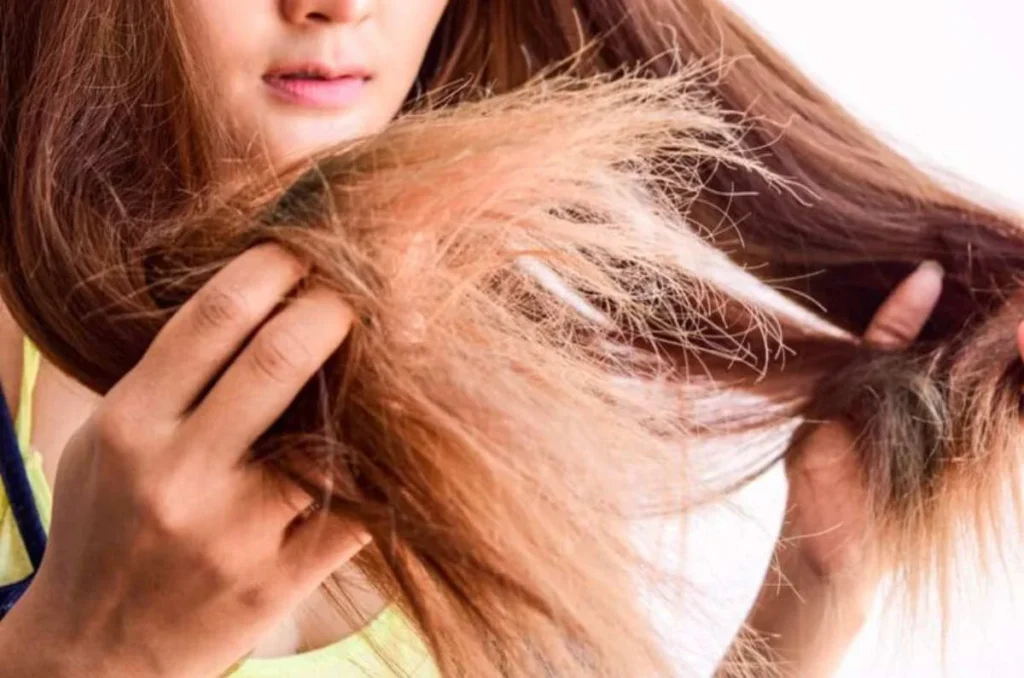
These changes reflect a reduction in water content within the hair structure.
Does Dehydration Cause Dandruff?
Dehydration can lead to a dry scalp, which may resemble dandruff. However, dandruff often involves other factors, so proper evaluation is important.
Hair Shedding and Recovery
Hair responds to internal changes over time. Dehydration can shift more follicles into the resting phase, increasing shedding.
Telogen Effluvium Explained
Telogen effluvium is a type of temporary reduced density that occurs when more hair follicles than usual enter the resting (telogen) phase of the hair growth cycle. This leads to increased, diffuse hair shedding across the scalp rather than patchy hair loss.
It is often triggered by physical or emotional stress, hormonal changes, illness, or nutritional imbalances. Dehydration may contribute in some cases, but it is rarely the only cause.
Will Hair Grow Back After Dehydration?
Hair affected by dehydration typically regrows once hydration and nutrition improve. The follicles remain active and return to the growth phase.
How Fast Hair Loss Reverses
Reduced hair density caused by dehydration can begin to improve within 2 to 3 months after proper hydration is restored. During this time, hair shedding typically decreases as more follicles return to the active growth (anagen) phase of the hair cycle.
Visible regrowth may take longer, often several additional months, depending on individual factors such as overall health and the duration of dehydration. In most cases, recovery is gradual, with improvements becoming more noticeable over time.
Does Drinking Water Help Hair Growth?
Water supports overall health, but is not a direct treatment for hair shedding. Many people assume that drinking more water will fix thinning hair. While staying hydrated improves scalp condition, it does not reverse genetic or medical causes.
Will Drinking Water Help Thinning Hair?
Drinking enough water can improve scalp condition and reduce dryness. This may improve appearance but does not treat conditions like alopecia areata.
Does Drinking Water Help Hair Grow Faster?
Hydration supports normal growth but does not increase growth speed beyond natural limits.
How to Treat Dehydration Hair Loss
Treatment focuses on restoring proper hydration and supporting overall balance. Consistent fluid intake and diet improvements are key.
Daily Hydration Guidelines
Practical steps include:
- Using water bottles to track intake
- Drinking water regularly
- Adjusting intake based on activity
Staying hydrated supports healthy hair.
Diet and Nutrient Support
A balanced diet provides nutrients needed for strong hair shafts and healthy hair. In some cases, people explore medical options such as oral treatments for hair thinning to support overall results. Hydration and nutrition work together to support hair health.
When Hair Loss Needs Medical Care
Not all hair shedding is related to dehydration. Persistent, severe, or sudden hair loss may require medical evaluation to rule out underlying conditions.
Signs of Underlying Conditions
Medical attention may be needed if hair loss is:
- Sudden or severe
- Patchy
- Linked to scalp inflammation
Treatment Options for Hair Shedding
Hair restoration approaches include FUE (Follicular Unit Extraction) and DHI (Direct Hair Implantation), often employing techniques such as Choi pen implantation, as explained in this guide on modern hair transplant techniques.
. These procedures are doctor-led and involve structured follow-up.
Clinics in Greece and Israel, including Trichogenics, operate within regulated medical systems with physician involvement at every stage.
If you are considering treatment or want a personalized evaluation, you can schedule a consultation to review your case and discuss appropriate options based on your condition.