
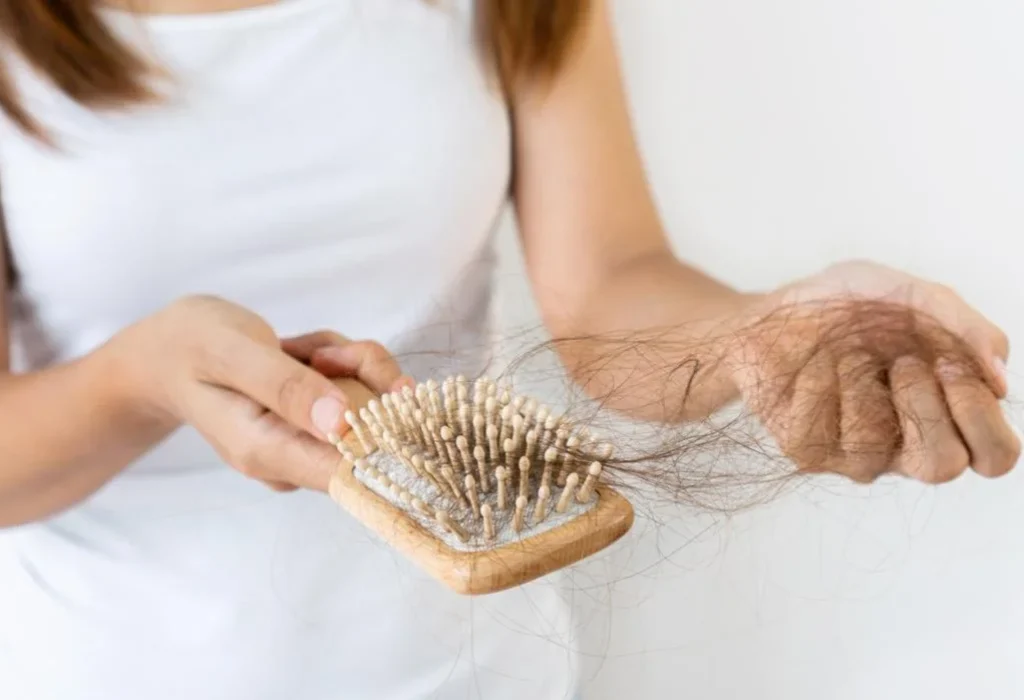
This means the answer to “can glucosamine cause hair loss?” is usually no. In most cases, hair changes are linked to stress, hormones, or diet, not the supplement.
Reports linking glucosamine to hair thinning are mostly anecdotal and have not been proven in clinical studies. Glucosamine is a naturally occurring compound used to help with joint pain and support cartilage. Its known side effects are usually mild and not related to hair.
A simple review of timing, dose, and health can help find the real cause, and seeking medical advice can help confirm the correct diagnosis.
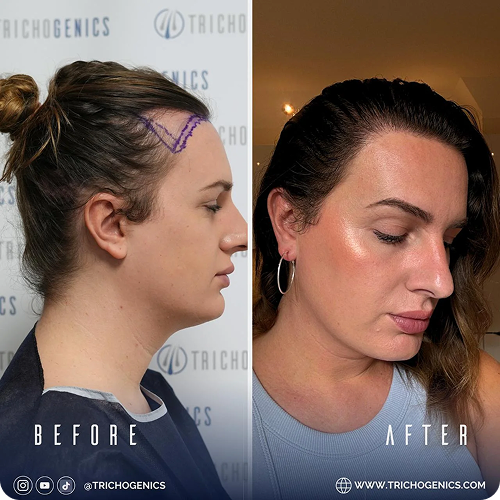
Trichogenics is a hair restoration clinic founded by Dr. Asi Peretz and Dr. Eric Peretz, with clinics in Greece and Israel. The clinic uses doctor-performed procedures, where physicians handle key steps such as extraction, incision, and implantation. The process also includes patient review, clear planning, and follow-up care to track long-term results.
Key Takeaways
- There is no strong clinical evidence that glucosamine causes hair loss, and most reports have not been supported by studies.
- Hair shedding after starting glucosamine supplementation is often coincidental and may be related to stress, illness, or diet.
- Glucosamine is used for joint pain and cartilage support, and its side effects are usually mild and not linked to hair.
- A clear review of timing, dosage, and other health factors helps find the true cause of reduced hair density.
- Ongoing or worsening hair loss should be evaluated by a doctor to determine the cause and guide treatment options or provide medical advice.
- Current clinical evidence does not list hair thinning as a known side effect of glucosamine. This helps separate concern from fact. If you notice shedding, changes in timing, or other health changes, track them before blaming the supplement.
Does Glucosamine Cause Hair Loss or Thinning?
There is no strong proof that glucosamine sulfate causes reduced hair density. Hair loss is a common issue and can be caused by genetics, hormones, stress, a poor diet, and other key factors that affect hair health. When someone starts glucosamine supplementation and sees shedding, the timing can be misleading.
Hair thinning can happen due to telogen effluvium. This is a short-term change in the hair growth cycle. It often follows stress, illness, or diet changes. In most cases, shedding during supplementation is not caused by glucosamine itself.

Does Glucosamine Cause Hair Growth?
There is no strong proof that glucosamine helps hair grow. While glucosamine is a naturally occurring substance that helps repair tissue, it does not act on hair follicles. Hair growth depends on blood flow, hormones, and follicle health.
Current evidence shows no link between glucosamine and hair growth. No known pathway connects it to follicle activity. This means other treatments, including targeted hair tablets used in treatment plans, are often needed for hair regrowth.
What Research Says About Glucosamine And Hair Loss
Clinical Evidence and Findings
Studies on glucosamine hydrochloride and N-acetylglucosamine focus on joint health. They show benefits for joint pain at doses like 1,500 mg, often used long-term. These studies do not list hair shedding as a side effect.
Most research looks at osteoarthritis and joint care. Hair changes are not part of these studies. Based on this, glucosamine and hair thinning are not directly linked.
Glucosamine and Chondroitin Side Effects
The side effects of glucosamine and chondroitin are usually mild. Glucosamine and chondroitin supplements may include chondroitin sulfate and glucosamine sulfate. These act as building blocks for cartilage.
Most side effects of glucosamine are mild and related to digestion. They do not usually affect hair.
- Nausea or bloating
- Headaches
- Mild skin issues
- Changes in blood sugar
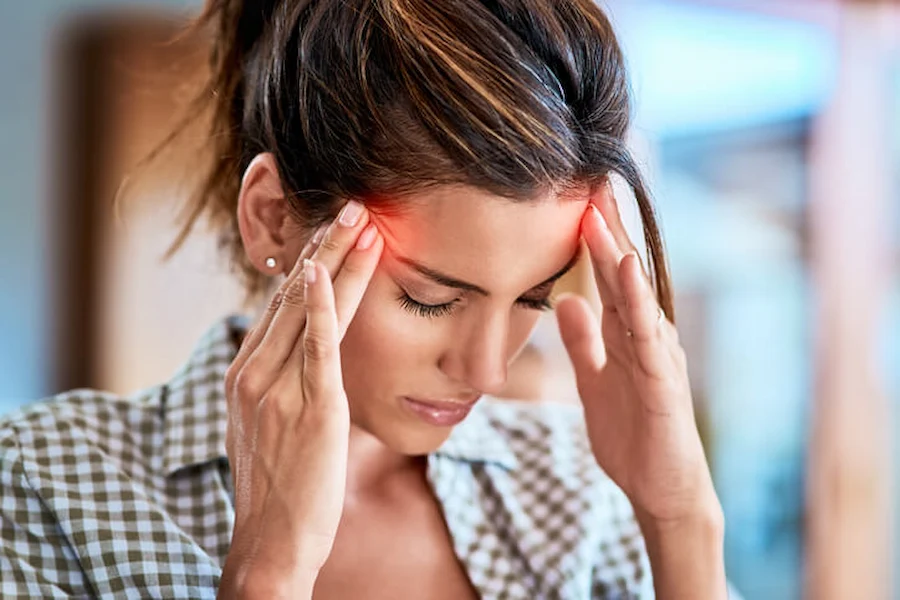
These effects are not linked to hair changes. Knowing this helps avoid confusion.
How Glucosamine Works in the Body
Effects on Joints
Glucosamine helps support cartilage by providing key building blocks that the body uses to maintain and repair joint tissue. Cartilage acts as a cushion between bones, so when it wears down, it can lead to joint pain and stiffness. By supporting this structure, glucosamine may help slow down this wear and reduce discomfort.
It may also help improve joint lubrication, allowing smoother movement and reducing friction. Over time, this can lead to better mobility and less pain during daily activities. These effects are limited to joint function and do not affect hair growth or hair follicles.
Impact on Hair Follicles
Hair follicles follow their own growth cycle. Glucosamine does not affect this process. There is no known link between glucosamine and hair thinning.
Current evidence shows that its effects remain in the connective tissue. It does not affect hair growth systems.
Why Hair Shedding May Occur While Taking It
Hair shedding can happen weeks after a trigger. This can make it seem as if it’s linked to a new supplement. A stressful event or illness may cause shedding later, even if glucosamine supplementation is started after.
What Supplements Can Cause Hair Shedding
Some supplements and medications that can affect hair shedding can impact hair when taken in high doses:
- Too much vitamin A
- Low or high zinc or iron
- Hormone-based supplements
These can change the hair cycle. Glucosamine and chondroitin supplements are not known to do this.
Coincidence vs Real Cause
To find the real cause, timing must be reviewed carefully. Hair shedding often starts weeks after a trigger, such as stress, illness, or a change in diet. If glucosamine supplementation begins during that same period, it may appear to be the cause even when it is not. This delay in the hair cycle is a key reason for the confusion.
At Trichogenics, Dr. Asi Peretz highlights the need to separate coincidence from cause using a structured approach. This includes reviewing when symptoms began, what changed prior to that, and whether other risk factors are present.
Looking at the full timeline makes it easier to identify the true trigger. This helps avoid wrong conclusions and supports better care decisions.
Should You Stop Taking Glucosamine?
You may stop taking glucosamine if you have strong side effects like digestive pain or allergic signs. Hair shedding alone is not proof that the supplement is the cause. It is best to review all factors first and seek medical advice when needed.
If hair thinning continues, see a doctor. A medical check can help find the real cause and guide the next steps. In some cases, hair treatments such as FUE (Follicular Unit Extraction) or DHI (Direct Hair Implantation), including the Choi pen and other modern hair restoration techniques, may be available at clinics in Greece and Israel.
If you want a structured evaluation and personalized plan, you can schedule a consultation with a qualified physician to review your case and discuss suitable options.