

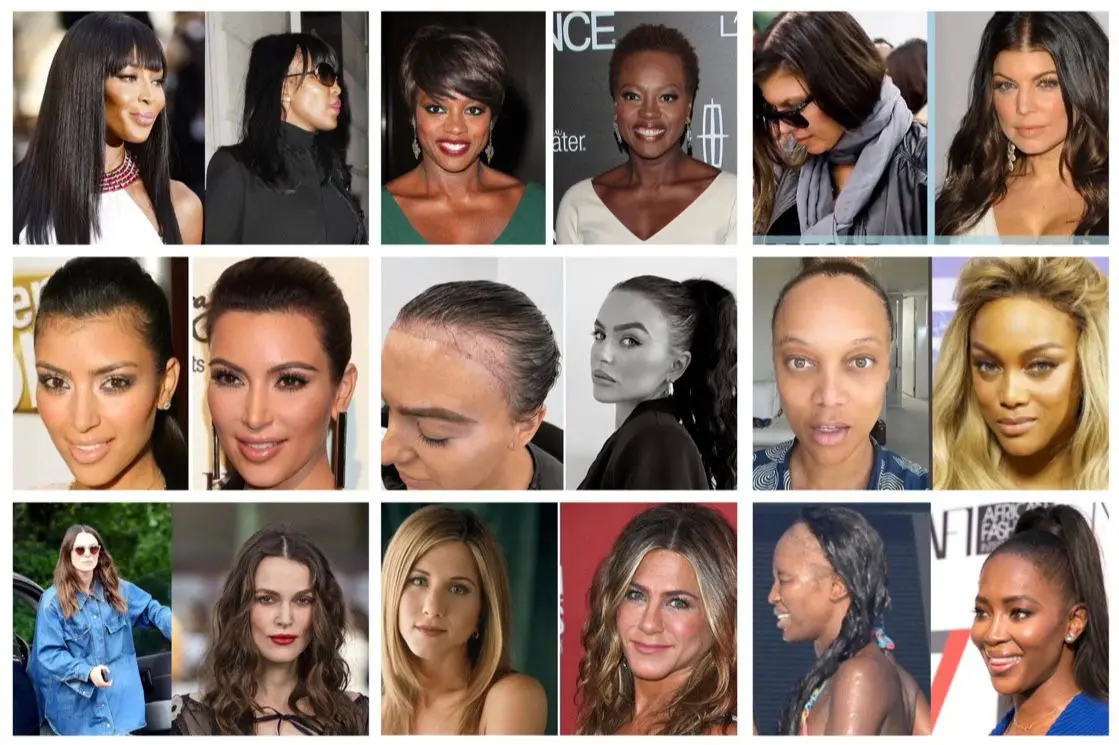
Hair loss is a common issue, even among public figures. A hair transplant for a female celebrity is a medical decision. It is used when thinning hair or bald spots can’t be fixed with styling alone. These procedures often address hair loss in women caused by genetics, traction, or hormonal changes.
Trichogenics works in Greece and Israel. It was founded by Drs. Asi and Eric Peretz. Both are doctors with experience in hair restoration. This article explains how hair transplants work for women and what factors shape results.
Key Takeaways
- Female celebrity hair transplants are medical procedures used to address thinning, bald spots, or damage when styling and non-surgical options no longer work.
- Results are usually subtle and develop over months, with success depending on scalp health, donor hair quality, and careful placement of hair follicles.
- Common causes of hair loss in women include traction alopecia, hormonal changes such as postpartum hair loss, and diffuse thinning rather than male pattern balding.
- Doctor-led procedures, proper diagnosis, and structured follow-up are critical for safe outcomes, especially when comparing regulated care in places like Israel and Greece to less regulated options abroad.
Do Female Celebrities Get Hair Transplants?
Yes, some female celebrities choose hair transplants when other options no longer help. Many first try styling tricks, hair extensions, or wearing wigs.
Over time, these methods may stop working. Repeated stress can weaken hair follicles and create bald patches.
Female celebrities usually choose minor, targeted procedures. Doctors focus on thin areas rather than full coverage. Each patient is evaluated based on donor hair and scalp health. Results depend on biology, not fame.
Which Female Celebrities Have Had Hair Transplants?
Several female celebrities who have undergone hair transplants are often discussed in public media. These include Tyra Banks, Jada Pinkett Smith, and Kristin Davis.
Most references are based on visible changes over time, not confirmed medical records. Public details are limited.
Each hair loss journey is different. Tyra Banks has spoken about stress-related hair loss. Jada Pinkett Smith has discussed shedding-related autoimmune symptoms and shaving her head. Kristin Davis is often mentioned in relation to aging and thin hair.
These examples show that causes vary.
Before and After Female Celebrity Hair Transplant Results
Before and after hair transplant, female celebrities’ results are usually subtle. Changes may include better coverage, smoother hairlines, and fewer visible bald spots.
Doctors place hair follicles to follow natural hair growth patterns. Results appear slowly.
Hair growth happens in stages. Some shedding is normal after surgery. Final results can take several months. Outcomes depend on scalp health and follow-up care.
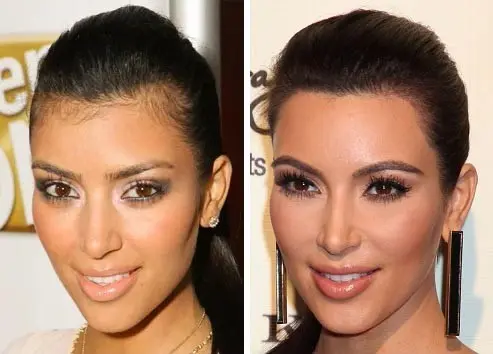
Hair Loss in Female Celebrities
Hair loss in female celebrities follows the same medical patterns seen in others. Female hair loss often presents as overall thinning, not a receding hairline.
Styling habits, hormones, and genetics all play a role. Public exposure makes changes more visible.
Hair loss in women differs from male pattern balding. Women often see thinning at the crown or part line. Early evaluation helps guide treatment—correct diagnosis matters.
Traction Alopecia and Styling Damage
Traction alopecia happens when hair is pulled too tightly over time. This can come from braids, ponytails, or hair extensions. The constant pull damages hair follicles. Celebrities face a higher risk due to frequent styling.
Early traction alopecia may improve if the tension is relieved. Advanced cases may not reverse. Transplants can help if the scalp is healthy. Prevention is important.
Hormonal and Postpartum Hair Loss
Hormones can affect hair growth. Postpartum hair loss often starts months after childbirth. Many women recover, but some continue to have thin hair. Medical review helps predict recovery.
Hormonal hair loss can also occur during menopause or illness. Surgery is considered only after stability. Doctors plan carefully to avoid poor outcomes.
What Is the Success Rate of Female Hair Transplant?
The female hair transplant success rate depends on planning, technique, and follow-up. Women with stable hair loss and good donor areas often do well.
Hair follicles usually survive when placed correctly. Method choice matters.
Common techniques include:
- FUE hair transplant to remove individual follicles
- DHI for direct placement
- Choi pen implantation to control the angle and depth
Doctor-led care supports safe results.
Is a Female Hair Transplant Worth It?
A transplant may help when other treatments fail. The choice depends on goals and hair loss patterns. Surgery does not stop future hair loss. It redistributes existing hair.
Doctors often review:
- Size of bald patches
- Stability of hair loss
- Donor hair quality
- Willingness to attend follow-ups
Clear advice helps patients decide.
@trichogenics This one’s for the ladies! Is it actually a good idea to get a hair transplant? #hairloss #femalehairloss #femalehairtransplant #rosemaryoil #foreheadreduction #trichogenics #hairstyle #cleangirlhair #balding #hairgrowth
♬ original sound - Trichogenics
Hair Transplants vs Wigs and Extensions
Wearing wigs and using hair extensions can hide hair loss. They do not fix the cause. Long-term use can increase traction alopecia. Maintenance is ongoing.
Key differences include:
- Transplants use real hair follicles
- Wigs offer short-term coverage
- Extensions may worsen thinning
Each option suits different needs.
Doctor-Performed Hair Transplants for Women
Doctor-led procedures focus on safety and planning. Medical training supports proper diagnosis. Follow-up visits track healing and hair growth. These steps matter.
Some patients travel abroad for low-cost surgery and later question whether hair transplants in Turkey are safe.
In contrast, regulated systems such as those in Israel and Greece emphasize medical oversight. Understanding these differences helps reduce risk.
Additional Clinical Factors Evaluated Before Surgery
Doctors often assess:
- Scalp health
- Donor hair density
- Pattern of female hair loss
- History of traction alopecia or postpartum hair loss
- Realistic expectations for hair growth
These steps guide treatment.
Situations Where Surgery May Not Be Recommended
In some cases, surgery is delayed or avoided:
- Ongoing diffuse shedding
- Autoimmune scalp disease
- Low donor supply
- Hair loss due to temporary causes
- Unstable hair loss patterns
These limits protect patients.
Why Choose Trichogenics?
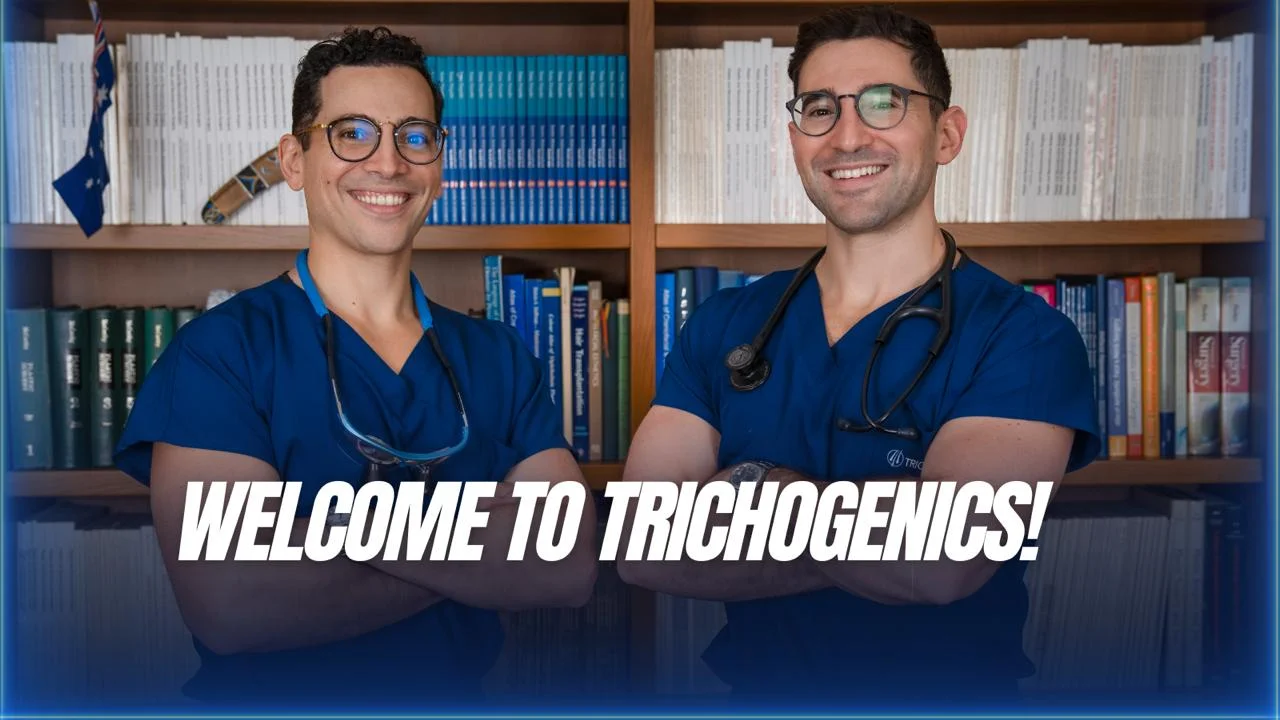
All procedures are performed only by doctors.
The uniqueness of Trichogenics lies in its strict medical process; only certified doctors perform every transplant. No technicians or unqualified assistants are involved. Choosing a clinic with proven experience in hair transplants can make all the difference.
Meet Dr. Asi and Dr. Eric Peretz
The two doctors leading Trichogenics, Dr. Asi Peretz and Dr. Eric Peretz, are recognized leaders in the field. Their extensive experience, attention to detail, and focus on natural results make Trichogenics the best choice.
Celebrity Hair Transplants
Who has undergone the procedure at Trichogenics? The answer is clear: a safe, professional clinic that delivers results that look great even under camera lights.
Contact Trichogenics today to schedule a personal consultation and get a clear, doctor-led plan for your hair restoration.


