

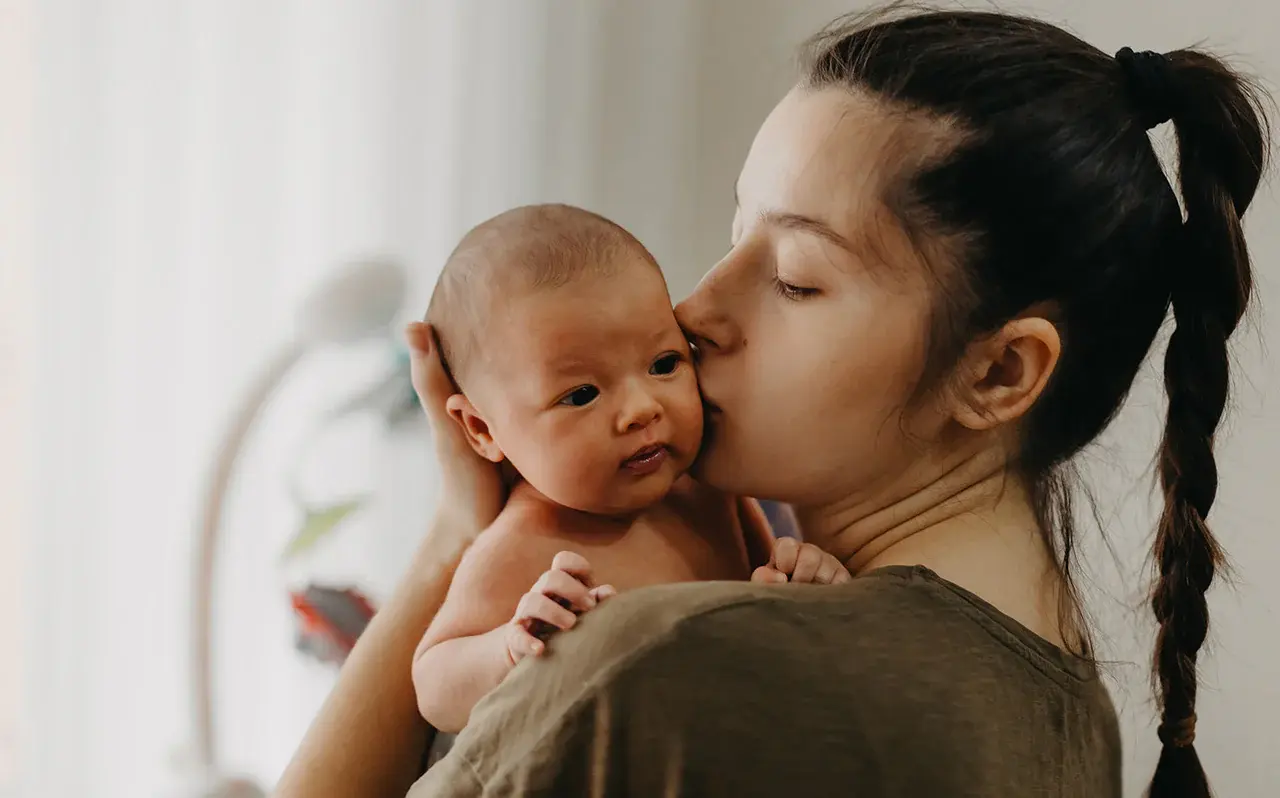
Post-partum hair loss is a common, temporary form of hair shedding that occurs after pregnancy due to hormonal changes. It typically begins a few months after delivery, follows a predictable timeline, and resolves on its own as the hair growth cycle normalizes.
The leading cause is a sudden hormonal shift that pushes more hairs into the shedding phase simultaneously. Treatment usually focuses on supportive care, gentle haircare practices, and addressing factors such as nutrition and stress rather than medical intervention.
The sections below explain the causes, timeline, and treatment options in precise detail so you know what to expect and when to seek guidance.
Key Takeaways
- Post-partum hair loss usually begins a few months after delivery and is most noticeable months after giving birth, when many hairs enter the shedding phase simultaneously due to hormonal shifts.
- The condition is temporary, and most people see gradual regrowth as the hair growth cycle resets, with new strands often leading to thicker hair over time.
- Shedding can look dramatic in daily routines, but it reflects the timing of follicle growth rather than damage to the follicles and does not mean permanent hair loss.
- Treatment focuses on supportive care, including gentle handling, proper nutrition, and habits that help protect existing strands while naturally stimulating hair regrowth.
What Causes Hair Loss After Giving Birth
Hormonal changes primarily drive postpartum hair loss. During pregnancy, estrogen prolongs the hair growth phase, often making hair look thicker.
After birth, estrogen levels fall, contributing to hair loss as many hairs shift phases at once. This process explains why hair thinning can feel sudden.
This condition, medically known as postpartum alopecia, is a form of telogen effluvium. In this state, many follicles enter the resting phase together rather than gradually.
As a result, hair falls more noticeably during daily activities. Seeing strands on a pillow or shower drain can feel intense, but it reflects timing, not damage.
Hormonal Changes and the Hair Growth Cycle
The hair growth cycle includes growth, transition, and rest. After pregnancy, many follicles enter the shedding phase at the same time. This shift explains why density changes without permanent follicle loss. The cycle typically resets on its own.
@trichogenics What to do if you are losing your hair after childbirth? Dr Asi Peretz explains. #trichogenics #childbirth #postpartum #postpartumhairloss #hairtransplant #hairtransplantturkey #hairtransplantgreece #hairfall #hairlosssolutions #hairloss #postpartumrecovery #postpartumjourney #postpartumbody #foryoupage
♬ original sound - Trichogenics
When Does Postpartum Hair Loss Start
A common question is when postpartum hair loss starts. Shedding usually begins two to four months after delivery.
This timing often surprises people who felt their hair was stable right after birth. The delay reflects how long it takes follicles to respond to hormonal changes.
Hair loss post birth may appear gradual at first. Over several weeks, more strands collect on brushes and clothing. This pattern aligns with what clinicians expect during the early months postpartum. It does not indicate a failure of recovery.
Hair Loss Post-Birth Timeline
Most people notice shedding during routine care. Common signs include:
- More hair in the shower drain
- Increased strands on pillows or clothing
- Reduced volume near the scalp
These changes are typical during the early postpartum period.
Understanding the broader hair transplant recovery timeline can also help contextualize why hair growth and shedding follow delayed biological cycles rather than immediate changes.
How Long Does Postpartum Hair Loss Last
Another frequent concern is how long postpartum hair loss lasts. Shedding often continues for three to six months.
In some cases, it can extend slightly longer under stress, poor sleep, or poor nutrition. Variation is expected and not a sign of disease.
When Does Postpartum Hair Loss Stop
For most individuals, shedding slows as hormone levels stabilize. By six to twelve months postpartum, many see improvement. New growth may feel fine or uneven at first. This stage reflects recovery, not ongoing loss.
Is Postpartum Hair Loss Permanent
Postnatal hair loss is usually temporary. The follicles remain alive and capable of producing new hair. Permanent loss is uncommon unless another condition is present. This distinction is essential for reassurance.
What Regrowth Usually Looks Like
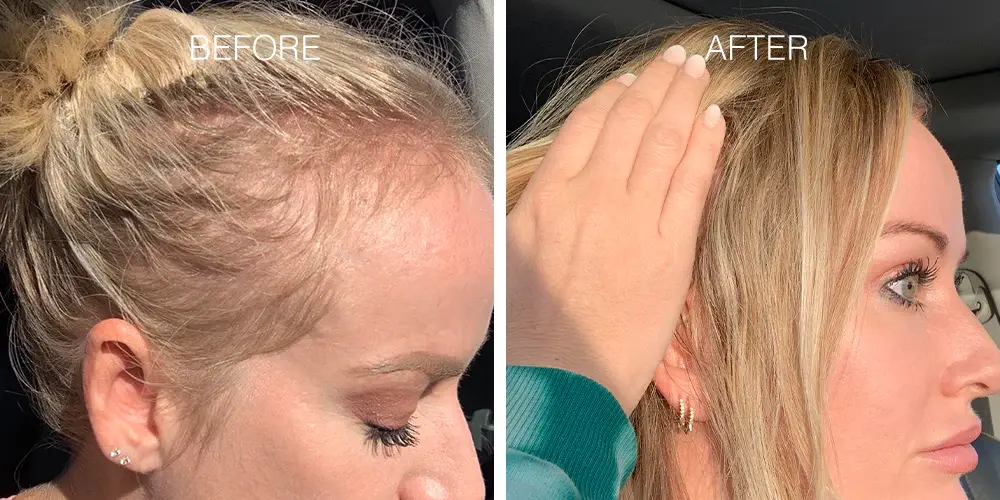
Regrowth often appears as short hairs along the hairline or the part line. Texture can differ at first, making it look lighter or softer. Over time, strands thicken as the hair growth cycle normalizes. Patience plays a key role in this phase.
How Do You Treat Postpartum Hair Loss
Postpartum hair loss treatment focuses on support rather than aggressive intervention. Because telogen effluvium resolves naturally, care focuses on reducing breakage and promoting hair growth.
Medical procedures are rarely needed during this phase. Surgery is not indicated for postpartum shedding.
Some people explore treatment abroad for unrelated hair concerns, but caution is advised. Countries with limited regulation, including parts of Turkey, may not provide consistent physician oversight.
Clinical care in regulated settings such as Greece and Israel emphasizes doctor-led procedures and structured follow-up, which supports patient safety.
Post Partum Hair Loss Shampoo and Products
Gentle care helps limit breakage during shedding. Helpful options include:
- Volumizing shampoos that reduce weight
- Mild shampoo and conditioner formulas
- Avoidance of tight ponytails that stress follicles
These steps do not stop shedding but support scalp comfort.
Postpartum Hair Loss Vitamins and Nutrients
Nutrition plays a supportive role. Some nutrients linked to hair health include:
- Omega-3 fatty acids
- Iron and zinc, when deficient
- Protein for structure and strength
Testing helps identify nutrient deficiencies rather than guessing.
When Postpartum Hair Loss Is Not Normal
In some cases, shedding persists beyond expected months postpartum. Ongoing hair thinning may suggest another condition contributing to hair loss.
Thyroid changes, anemia, or stress-related disorders are examples. Evaluation helps clarify the cause.
Signs You Should See a Specialist
Seek medical input if you notice:
- Shedding lasting beyond one year
- Patchy loss or scalp symptoms
- No signs of regrowth over time
A physician can assess patterns and guide next steps safely.
Why Choose Trichogenics?
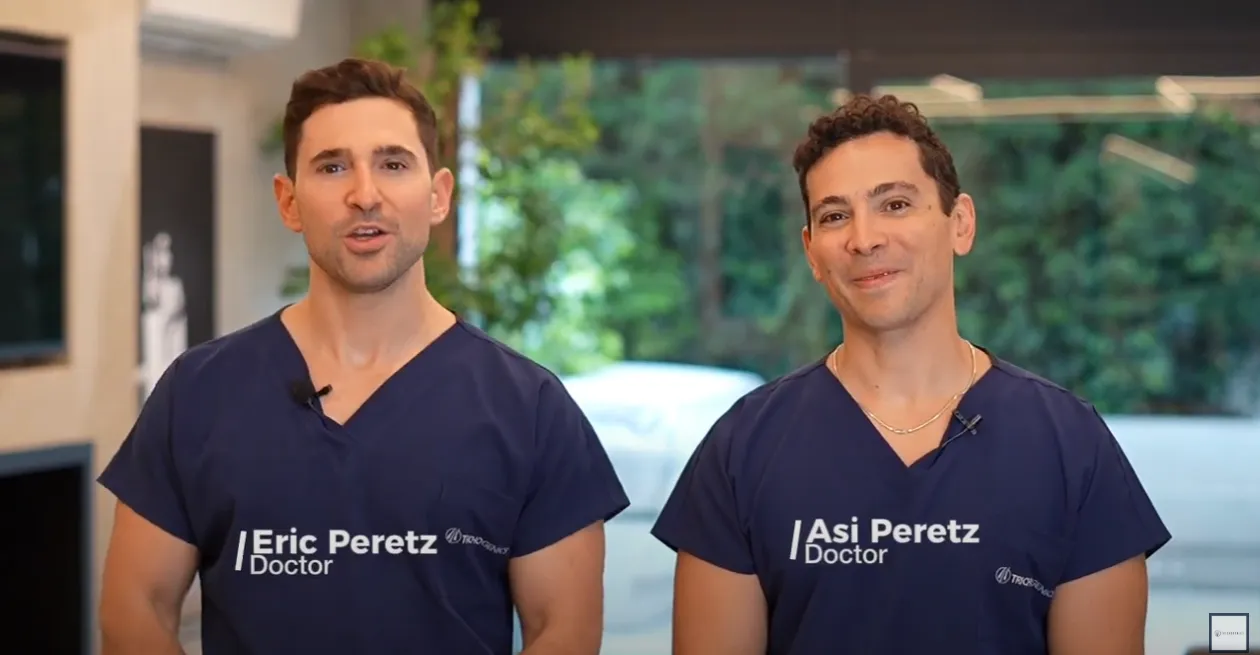
All procedures are performed only by doctors.
The uniqueness of Trichogenics lies in its strict medical process; only certified doctors perform every transplant. No technicians or unqualified assistants are involved. Choosing a clinic with proven experience in hair transplants can make all the difference.
Meet Dr. Asi and Dr. Eric Peretz
The two doctors leading Trichogenics, Dr. Asi Peretz and Dr. Eric Peretz, are recognized leaders in the field. Their extensive experience, attention to detail, and focus on natural results make Trichogenics the best choice.
Celebrity Hair Transplants
Who has undergone the procedure at Trichogenics? The answer is clear: a safe, professional clinic that delivers results that look great even under camera lights.
Contact Trichogenics today to schedule a personal consultation and get a clear, doctor-led plan for your hair restoration.


