

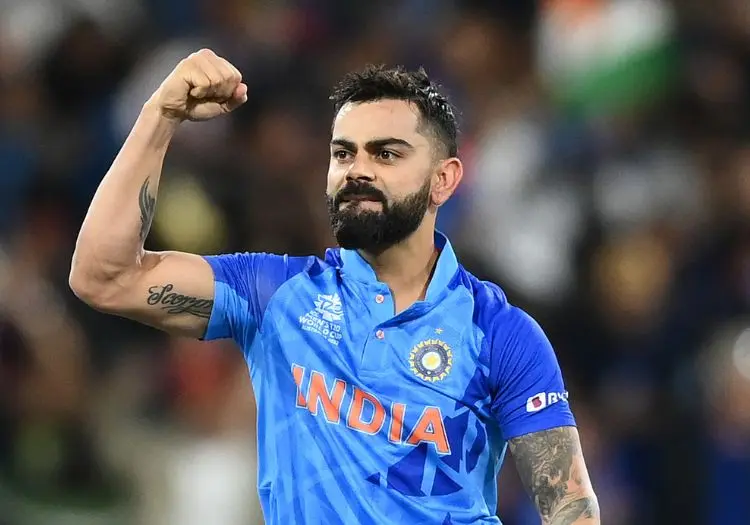
This case study looks at whether changes in Virat Kohli’s hairline suggest a hair restoration procedure and what the results may indicate. There is no public confirmation that he underwent surgery. Still, steady improvements in hairline shape and density are often compared to patterns seen in celebrities with hair transplants.
The results appear stable and natural, without signs of aggressive reconstruction. This pattern aligns with outcomes typically observed when hair changes are addressed early and planned conservatively, similar to cases reviewed in Norwood 2 hair transplant scenarios.
The sections below explain these observations, the techniques involved, and what readers can realistically learn from this case.
Key Takeaways
- There is no public confirmation that Kohli has undergone a hair transplant, but consistent changes in hairline shape and density explain why experts continue to analyze the case.
- Observations suggest that if a procedure occurred, it likely involved early planning and conservative hairline design rather than aggressive reconstruction.
- Many discussions around the Virat Kohli hair transplant focus on natural looking results, which are often linked to timing, graft placement, and protection of existing hair follicles.
- Public figure cases show that choosing to undergo a hair procedure early can support stable, long-term outcomes, but results vary based on individual factors and clinical care quality.
- The case highlights why readers should focus on medical planning and safety rather than assuming that what Kohli has undergone can be easily replicated by every patient.
Did Virat Kohli Transplant Hair?
There is no public statement confirming that Virat Kohli has undergone a hair transplant. Still, many professionals discuss Virat Kohli’s hair transplant patterns based on visible changes over time.
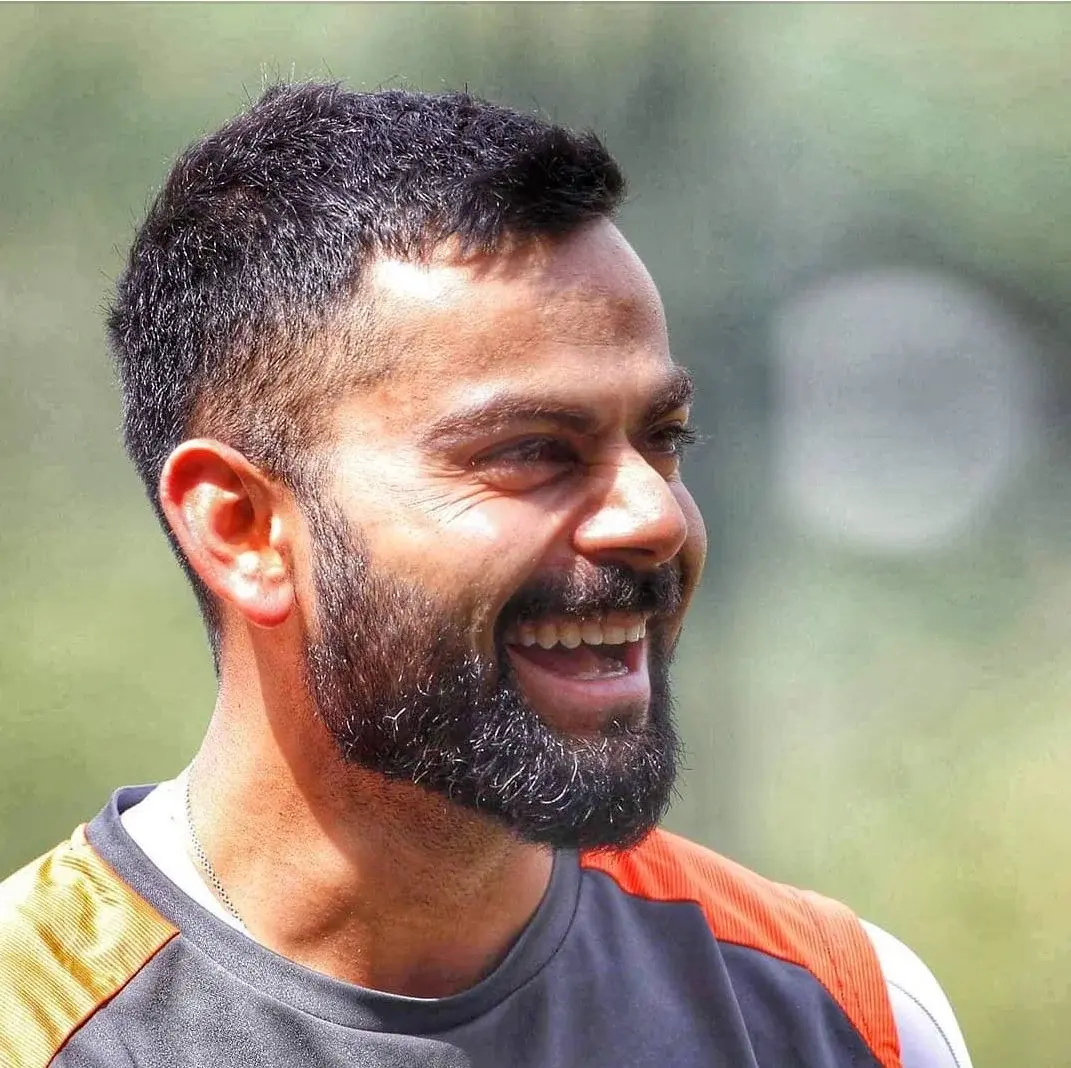
These discussions rely on image comparison, not medical records. This method is common when reviewing cases involving public figures.
When experts discuss Virat Kohli, they focus on hairline stability rather than major reconstruction. The appearance suggests a careful and early approach. This does not confirm treatment, but it explains why the topic remains active online.
Virat Kohli Hair Loss and Appearance Changes
Early Hair Thinning Signs
Earlier photos showed mild recession near the temples. This is a common pattern in adult men with hair loss. At this stage, hair follicles often thin but do not disappear. Many doctors see this phase as ideal for planning hair restoration.
Early thinning is easier to manage than advanced loss. It also allows doctors to work with existing density. This helps explain why changes appear gradual rather than sudden.
Many clinicians view this phase as ideal for planning, since density remains workable. This is one reason outcomes appear gradual rather than abrupt, similar to early cases of diffuse thinning hair transplant.
Hairline and Styling Over Time
Hair length and styling affect how hair density looks in photos. Kohli has used both short and longer styles over the years. Longer hair can hide thinning, while short hair shows structure more clearly.
This explains why some periods drew more attention. Styling does not change transplanted hair behavior, but it can change how results appear.
Virat Kohli Hair Transplant Before and After
Hairline Shape and Density
Before and after comparisons focus on the front hairline and temples. In Kohli’s case, the hairline appears conservative and age-appropriate. This matches a natural hairline design rather than an aggressive change.
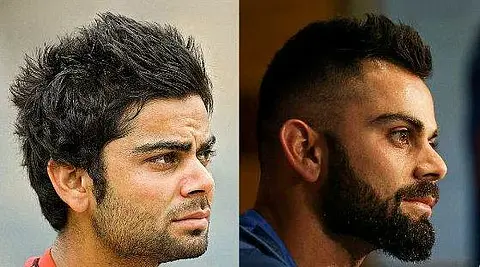
Density looks evenly distributed without harsh edges. These traits are often associated with well-planned outcomes discussed in hair transplant density evaluations.
Visible Natural Results
Many observers describe the results as subtle. Transplanted hair blends with existing strands. This reduces contrast and avoids drawing attention.
Natural-looking results often depend on spacing and angle. They also depend on how transplanted hair mixes with native hair. These factors explain why the change feels gradual.
Virat Kohli Hair Transplant Case Study
Timing and Early Intervention
The timeline suggests that any intervention happened early. Early action allows doctors to preserve existing hair. It also reduces the need for large graft numbers.
This approach supports long-term stability. Many clinicians prefer early planning for public figures. It helps maintain a natural appearance over time.
Medical Factors Behind Natural Results
Several medical factors shape outcomes:
- Careful graft placement
- Protection of existing hair follicles
- Gradual density changes
These steps help transplanted hair blend naturally. Dr. Asi Peretz has explained in educational settings that planning matters more than graft count.
Hair Transplant Procedure Explained
Follicular Unit Extraction (FUE)
Follicular unit extraction is a common modern technique. Doctors remove individual hair follicles from a donor area. They then place them into thinning areas.
FUE reduces visible scarring and allows flexible placement. It is often used with tools like Choi pens. DHI and FUE are both accepted methods, chosen based on patient needs.
Hairline Design Principles
Hairline design focuses on shape and balance. A natural hairline avoids straight edges. Doctors plan angles and spacing to match the face and age.
@trichogenics How do hair transplants actually work ? Dr Asi Peretz explains! #trichogenics #hairtransplant #hairtransplantturkey #hairloss #hairlosssolutions #hairfall #fypage
♬ swish_whoosh (large)(794558) - satak
Good design helps patients maintain a natural result. Poor planning often leads to visible transplant signs. This step is critical in any hair transplant case.
Cricketers Who Have Had Hair Transplant
Virender Sehwag
Virender Sehwag is often mentioned in hair restoration discussions. His appearance changed slowly over time. Observers note improved density without a drastic change.
This supports the idea that subtle work is common. It also shows how athletes prefer low-contrast results.
Hardik Pandya
Hardik Pandya is another name often discussed. His hairline appears more defined in later images. As with others, there is no public confirmation.
These examples show shared trends among public figures. They also explain why Virat Kohli’s hair transplant case study discussions remain popular.
What Patients Can Learn From Celebrity Hair Transplants
Realistic Expectations
Celebrity cases can create false expectations. Results depend on genetics, donor hair, and long-term hair loss patterns. Not every patient will get the same outcome.
Key factors include:
- Donor hair quality
- Ongoing hair loss
- Medical suitability
Understanding limits helps patients make informed choices.
Long-Term Hair Restoration Care
Hair restoration does not end after surgery. Follow-up care helps track growth and manage future loss. Structured monitoring is part of safe surgical care.
Patients should also consider where they seek treatment. Some countries, including Turkey and other low-regulation markets, allow limited oversight and non-physician involvement.
Greece and Israel follow stricter medical rules, with doctor-led care and clearer follow-up standards, which improve patient safety.
Why Choose Trichogenics?
All procedures are performed only by doctors
The uniqueness of Trichogenics lies in its strict medical process; only certified doctors perform every transplant. No technicians or unqualified assistants are involved. Choosing a clinic with proven experience in hair transplants can make all the difference.
Meet Dr. Asi and Dr. Eric Peretz
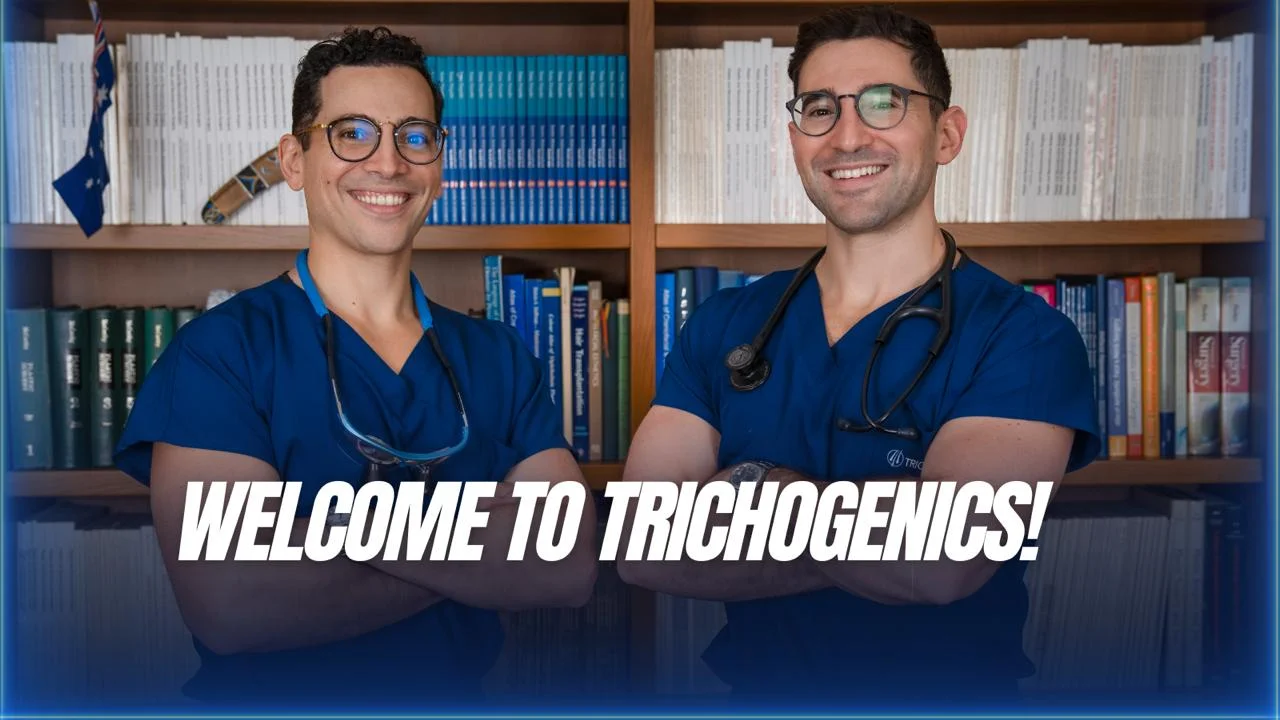
The two doctors leading Trichogenics, Dr. Asi Peretz and Dr. Eric Peretz, are recognized leaders in the field. Their extensive experience, attention to detail, and focus on natural results make Trichogenics the best choice.
Contact Trichogenics today to schedule a personal consultation and get a clear, doctor-led plan for your hair restoration.


