
Transplanted follicles typically resist pattern baldness, so whether hair transplants are permanent usually comes down to this: yes for the grafts, no for the hair around them.
Because the surrounding strands keep thinning while the grafts hold, an area can look thinner even when the transplant is intact. First, work out which hair is shedding.
Key Takeaways
- Shedding at the two-year mark usually does not mean the follicles failed. The usual cause is continued thinning of native hair or a growth-cycle change.
- Stress, telogen effluvium, hormonal imbalances, and scalp conditions can trigger late shedding. Early shedding after surgery is a different issue, covered in the shock loss hair transplant guide.
- Pattern baldness continues after surgery, so untreated areas can keep thinning while grafts stay stable. Finasteride and minoxidil can slow it.
- True failure is uncommon. Warning signs are poor growth, uneven density, or visible scarring.
Can Transplanted Hair Fall Out After 2 Years?
Yes, it can look that way, though grafts are not shielded from every cause of shedding. The answer depends on which hair is falling out, and the sections below help you sort that out.
Transplanted hair falling out after 3 years follows the same logic; pattern baldness simply has longer to progress.
What to Expect 1, 2, and 10 Years After a Hair Transplant
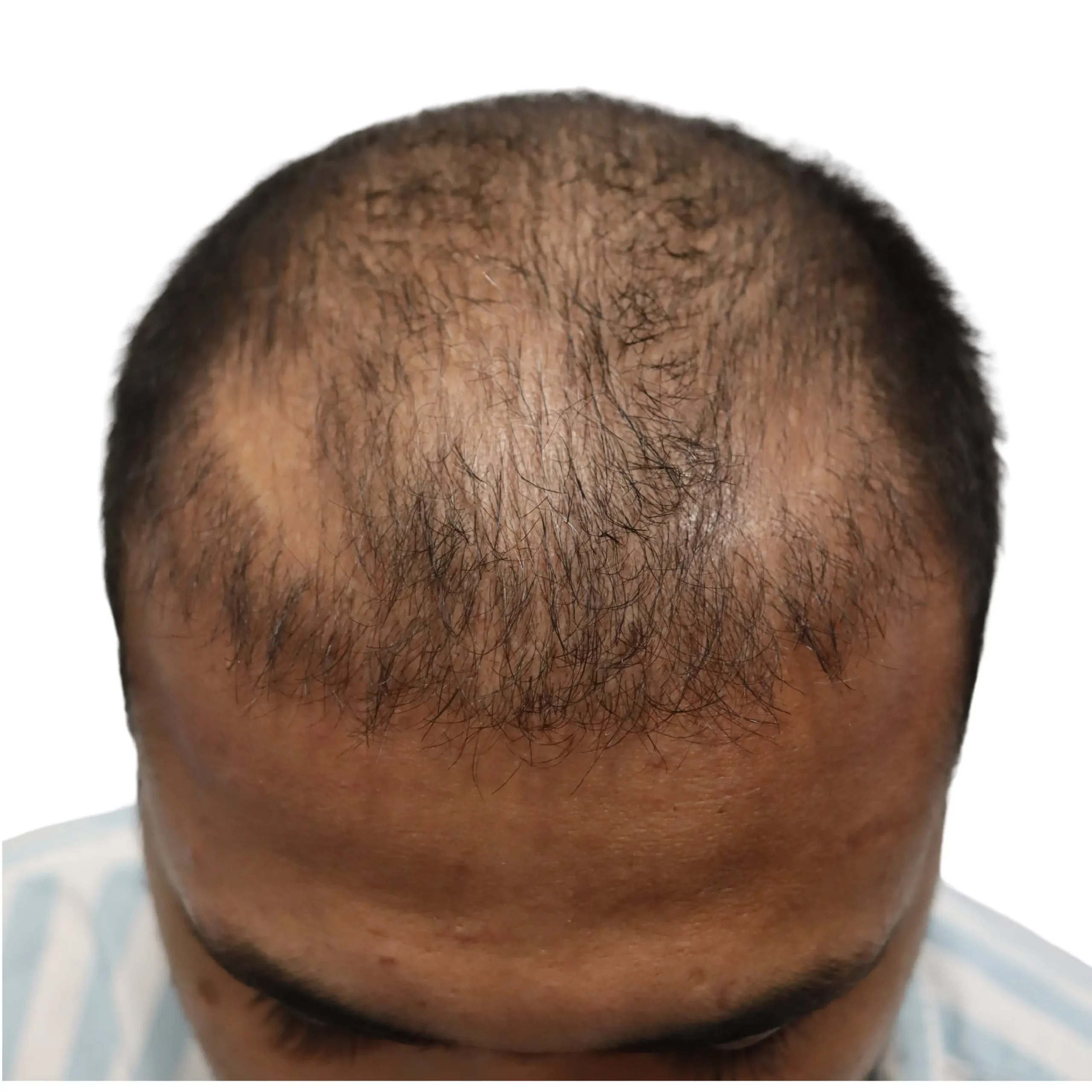
Does transplanted hair fall out after years? Usually the grafts hold, but what counts as normal depends on timing. The recovery timeline covers the early months in detail.
1 Year After Hair Transplant
Most growth is in by now, as the table shows. Transplanted hair falling out after 1 year is rarely graft loss, so look first at native hair, illness, or stress.
2 Years After Hair Transplant
The recovery timeline is complete by now, so changes usually come from native hair around the grafts. Sudden clumps, bald patches, or scalp symptoms warrant a check.
10 Years After Hair Transplant
Long-term follow-up beyond four years is sparse. The authors of one 4-year study of 112 men say no studies document the full lifespan of transplanted follicles. In that FUT group, about 91% had some drop in transplanted density, mostly slight to moderate.
The study was retrospective, found no clear statistical effect from medication, and covered FUT, which Trichogenics does not perform, so treat it as a signal, not a forecast. Ten-year outcomes depend on how far native hair loss progresses and whether medication continues.
Why Transplanted Hair Falls or Thins Over Time
Can transplanted hair fall out again once it has grown in? Not usually, though it can look that way. Grafts and native hair respond differently over time.
Common reasons include:
- Ongoing pattern baldness in untreated areas
- Telogen effluvium or shock loss after stress, illness, or surgery
- Hormonal or nutritional problems, such as thyroid disorders or low iron
- Scalp conditions such as dermatitis, folliculitis, or persistent crusting
- Heat styling or harsh chemical treatments that leave strands brittle
- Skipped aftercare or prescribed medication
- Poor technique in the original procedure
Most of these change how your results look; poor technique is the one that can reduce graft survival.
Telogen Effluvium, Stress, and Shock Loss
Telogen effluvium is a common cause of sudden shedding. Stress, illness, surgery, or major life events can push strands into a resting phase.
So when does transplanted hair fall out in these cases? Typically, weeks to a few months after the trigger. ISHRS reports that about 95% of cases settle on their own within several months once the trigger ends.
Because the timing is delayed, it is often mistaken for graft loss. The same mix-up happens earlier in recovery, as the ugly duckling phase hair transplant guide explains.
Shock loss can also follow physical stress; it usually improves but may reveal areas that were already thinning.
Hormonal Imbalances and Underlying Health Conditions
Hormonal imbalances can affect growth even years after surgery. Thyroid problems, hormone shifts, or metabolic conditions can slow growth or reduce density without damaging follicular units.
Nutrition matters too. ISHRS notes that low iron, vitamins B and D, zinc, protein, and essential fatty acids can make telogen effluvium more likely and longer-lasting.
Doctors often review:
- Thyroid function
- Iron and vitamin levels
- Overall health history
Scalp Inflammation and Local Conditions
Scalp inflammation can change how growth looks and feels. Dermatitis or folliculitis may cause redness, itching, or discomfort, and scabs that linger after healing can signal irritation or infection.
These problems rarely destroy follicles, but long-term inflammation can disrupt the growth cycle, so early treatment matters.
Density Change vs True Graft Loss
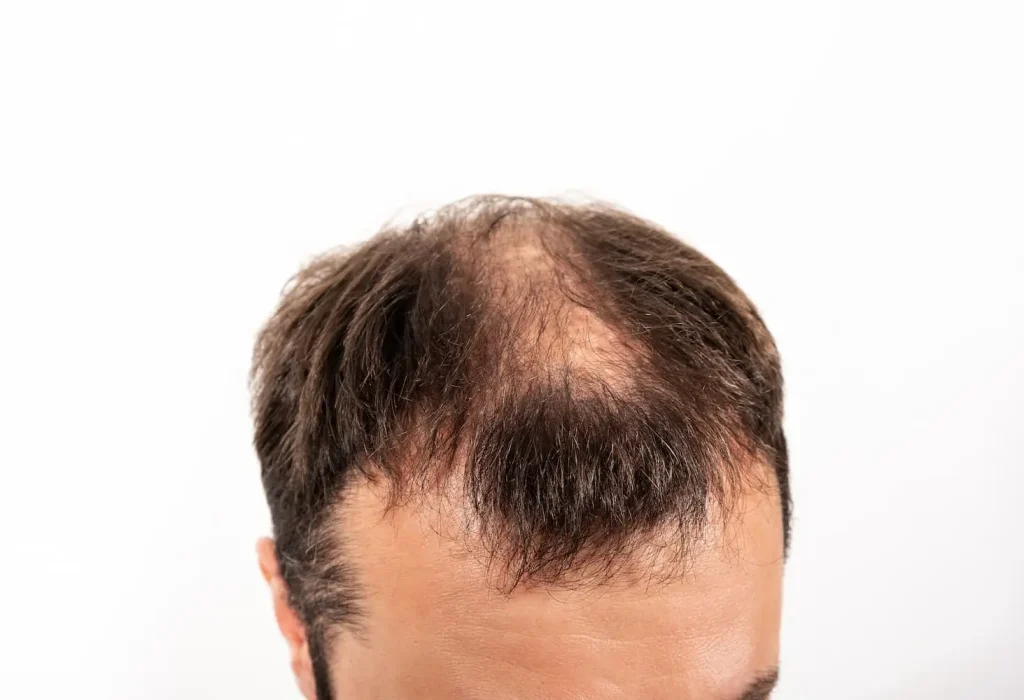
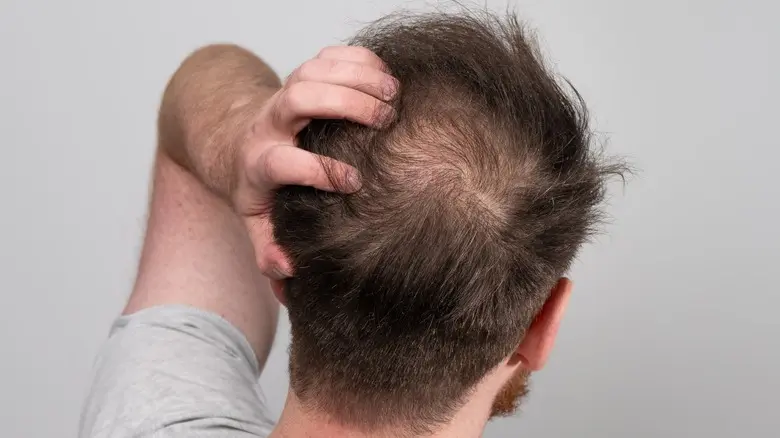
Not all thinning means graft loss. Hair density often changes when native hair keeps thinning around stable grafts, which exaggerates the look of loss. That pattern often explains hair transplant thinning after 2 years.
Grafts falling out after hair transplant surgery is uncommon once they have rooted and grown in; an exam can confirm whether follicular units remain.
Transplanted vs Native Hair Loss
Telling transplanted hair from native hair loss takes careful review. Follicles go in at planned patterns and depths, so loss outside those zones usually involves native hair.
Doctors look at:
- Where thinning occurs
- Whether the pattern matches genetic loss
- Photos from the early post-transplant months
What Reddit Threads Can and Can’t Tell You
Many patients turn to Reddit when thinning shows up at year two. The threads can reassure you, but a stranger’s photo can’t show which hair is shedding in your case.
Compare dated photos from your 12-month visit with today’s, and bring both to your surgeon.
Signs of a Failed Hair Transplant
Hair transplant failure after 2 years is rare but important to catch early. Poor growth or uneven density may raise concern, and these signs differ from slow thinning caused by genetics.
Warning signs include:
- Little or no growth in transplanted areas well past the first year
- Patchy or uneven density
- Ongoing redness or visible scarring
- Persistent pain, burning, or tenderness in the transplanted area
- Sudden shedding in clumps with no clear trigger
Does Surgical Technique Affect Long-Term Results?
Surgical technique affects how well grafts survive. Follicular unit extraction (FUE) depends on careful handling of follicular units during removal and placement, and too much trauma can lower survival. Surgeons follow strict steps to protect follicles and support healing.
For Men: Hair Loss After Transplant
Men often see continued thinning because of sensitivity to DHT. Transplanted hair falling out after 2 years in men usually points to male pattern baldness in the surrounding hair, which reflects genetics, not transplant failure.
Without medication, balding after hair transplant surgery can leave dense grafts surrounded by thinning native hair.
How to Prevent Hair Loss Years After Transplant
Prevention focuses on keeping your existing hair healthy and stable through physician-guided treatment and regular follow-up.
Long-term care often includes:
- Following aftercare and prescribed medication as directed
- Eating enough protein, iron, vitamin D, and zinc, and managing stress and sleep
- Keeping the scalp clean and limiting heat styling and harsh chemicals
- Tracking changes with dated photos
- Treating health-related triggers, such as thyroid or iron problems
Finasteride After a Hair Transplant: What ISHRS Says
A transplant does not stop future hair loss, so native hair keeps thinning around the grafts. ISHRS describes finasteride as a daily 1 mg prescription tablet that reduces loss or stimulates regrowth in most men who take it. It cites a 5-year study in which 65% of men with mild to moderate loss had a positive result.
It only works while you take it, and ISHRS notes that stopping finasteride or minoxidil abruptly is usually followed by shedding of the hair they preserved. Specialists often combine the two.
Some men report side effects, including lower libido, and finasteride is not for women who are or may become pregnant.
Choosing Where to Receive Care
Some patients travel abroad for surgery, including to Turkey, so ask who handles follow-up if thinning appears at year two. A surgeon-led procedure with a clear follow-up plan makes late problems easier to diagnose.
Clinics in Israel and Greece typically charge €4,000 to €15,000 ($5,000 to $18,000 USD); the country comparison explains the differences.
When to See a Hair Transplant Surgeon
Medical review is advised when shedding lasts more than six months, density drops quickly, or scalp symptoms appear, such as burning or scaling. ISHRS also advises a full health evaluation when telogen shedding runs past six months.
Surgeons review your history, hair patterns, and prior surgery details to determine whether changes are temporary or need treatment.
Frequently Asked Questions About Hair Falling
Is it normal for hair to fall out 1 year after a transplant?
Shedding in the first weeks is normal. At one year, native thinning, telogen shedding, or a scalp issue is more likely than graft loss. Get patches or missing growth checked.
Can thinning years later be fixed with a second procedure?
Sometimes. A second session can add density where native hair has receded, depending on your donor supply.
Why Choose Trichogenics?
All procedures are performed only by doctors
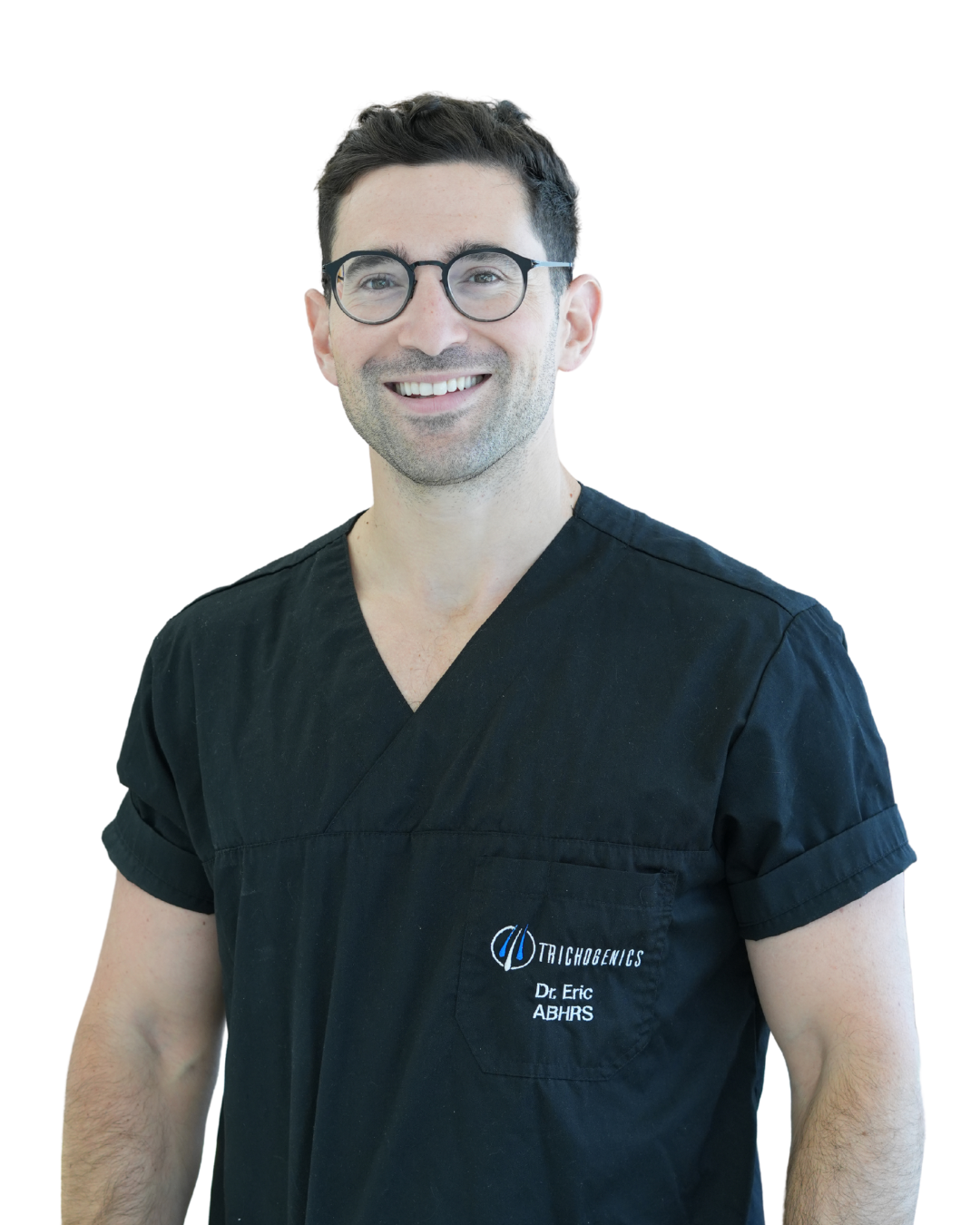
The uniqueness of Trichogenics lies in its strict medical process; only certified doctors perform every transplant. No technicians or unqualified assistants are involved.
Procedures use only FUE and DHI with Choi pen implantation, and Trichogenics does not perform FUT. Follow-up is a priority, so patients have a team to contact if changes appear years later.
Meet Dr. Asi and Dr. Eric Peretz
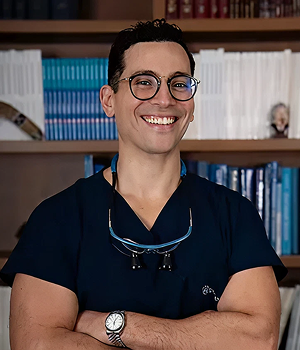
Care is led by Dr. Asi I. Peretz and Dr. Eric Peretz, both ABHRS Diplomates and Fellows of the World FUE Institute, a small group of hair restoration surgeons worldwide. See their credentials.
Contact Trichogenics today to schedule a personal consultation and get a clear, doctor-led plan for your hair restoration.