

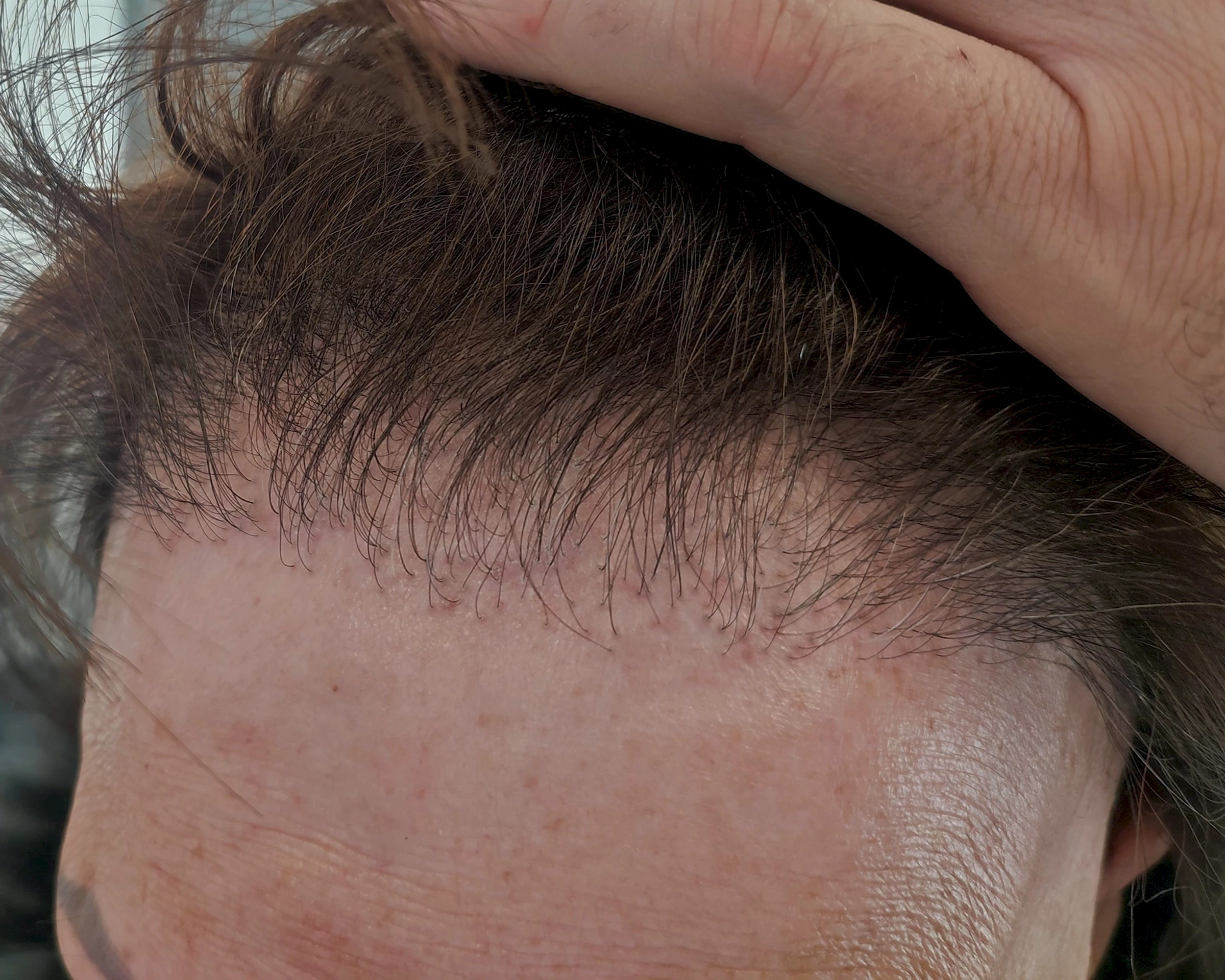
Post-hair transplant swelling is common, and it occurs when the scalp reacts to the surgery and the injected fluids. The body sends blood and fluid to the area to help it heal. In most patients, the swelling is short-lived and fades in a few days.
Doctors such as Dr. Asi Peretz and Dr. Eric Peretz, founders of Trichogenics, a clinic operating in Greece and Israel, often explain that understanding the recovery process helps patients know what is normal.
Hair transplant surgery is often performed to treat hair loss in men and women. During the hair transplant procedure, hair follicles are moved from a donor area to the area where hair growth is needed. This process creates small wounds in the scalp that must heal. Swelling can appear during this healing phase and usually subsides within a week.
Key Takeaways
- Post-hair transplant swelling is a normal and temporary reaction to surgery and injected fluids in the scalp.
- Swelling usually begins two to three days after surgery and often improves within about one week.
- Fluid can move under the scalp and cause swelling in nearby areas, which explains why some people see facial swelling after a hair transplant.
- Simple steps such as sleeping with the head raised, taking prescribed medication, and using anti-inflammatory treatments when advised can help reduce swelling.
- Contact a doctor if swelling worsens after the first week or if it is accompanied by fever, severe pain, or unusual fluid.
Is Swelling After A Hair Transplant Normal Or Dangerous?
Swelling after a hair transplant is usually normal. The body responds to small cuts on the scalp by increasing blood and fluid flow to the area. This helps the skin heal and supports the new hair grafts.
Many patients experience swelling on the forehead or around the eyes during the post-op recovery period. This often appears during the first few days after surgery. The swelling then improves as the body slowly absorbs the extra fluid.
Signs Of Infection Or Complications
Swelling alone is usually not a problem. However, some symptoms may indicate a complication. These signs can include severe pain, spreading redness, fever, or fluid from the graft sites.
Doctors check healing during follow-up visits after surgery. Early medical care can help prevent problems and protect the grafts.
When To Contact Your Doctor
Patients should contact their doctor if swelling becomes severe. Medical help is also needed if swelling continues to worsen after the first week or if it worsens suddenly.
Doctors also review healing during follow-up visits. These visits help confirm that the grafts and donor area are healing well.
Why Swelling Happens After Hair Transplant?
Swelling occurs because the scalp undergoes a minor surgical procedure. During the hair transplant process, doctors remove hair follicles and place them into the scalp. The body responds by sending fluid and immune cells to help repair the tissue.
Doctors also inject local anesthesia and saline during the procedure. These fluids help numb the scalp and make graft placement easier. Some of this fluid stays in the tissue for a short time after surgery.
Fluid Migration After Surgery
After the procedure, some fluid can move downward under the skin. Gravity causes the fluid to travel from the scalp to the forehead and eyelids.
This is why swelling often appears on the face rather than on the scalp. The body slowly absorbs the fluid over several days.
Hair Transplant Swelling Recovery Timeline
Swelling after surgery usually follows a simple pattern. Knowing this pattern helps patients understand what to expect during the hair transplant recovery timeline.
Typical Day-By-Day Swelling Progression
Swelling often starts two to three days after the procedure. It may become more visible before it begins to improve.
Typical recovery may look like this:
- Day 1 – 2: Little swelling and mild scalp soreness
- Day 3 – 4: Swelling may reach its highest level
- Day 5 – 7: Swelling slowly improves and usually subsides within a week
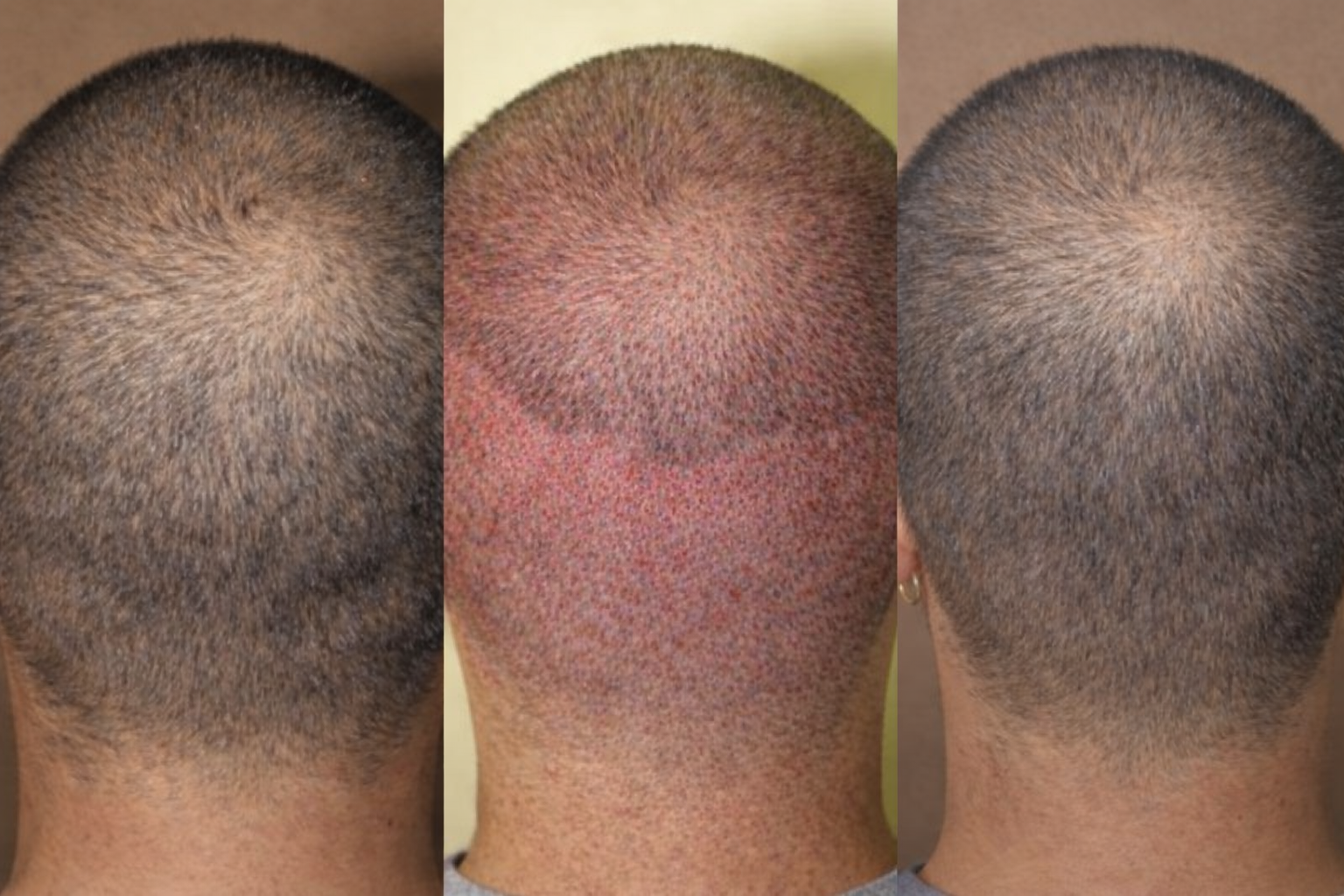
Each patient heals differently. Some people have very mild swelling, while others see more noticeable swelling.
Where Swelling Appears After Hair Transplant
Swelling does not always stay in the scalp. Fluid can move under the skin and appear in nearby areas.
Face Swelling After A Hair Transplant
Face swelling after a hair transplant often appears in the forehead. This happens when fluid moves downward from the scalp.
Patients may notice puffiness above the eyebrows. The swelling usually improves after a few days.
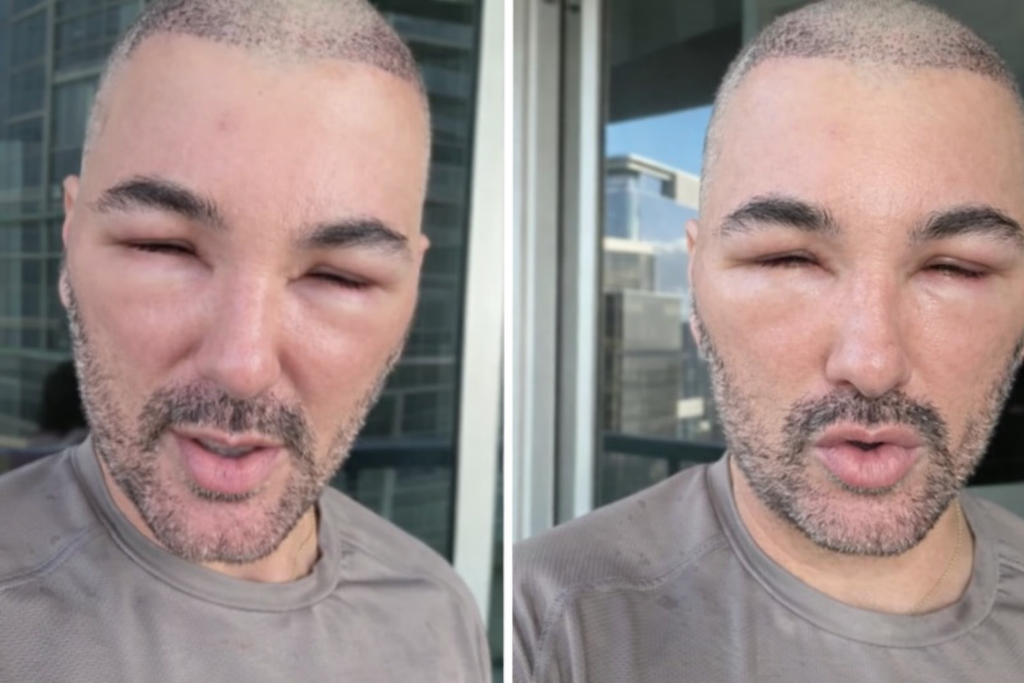
Post Hair Transplant Swelling Eyes
Some patients see swelling around the eyes. The skin around the eyes is thin, and fluid can easily collect there.
This swelling can make the eyelids look puffy. In most cases, it fades within a few days.
Post Hair Transplant Swelling Treatment
Most swelling improves with simple recovery steps and proper post-hair transplant care. Doctors give patients clear instructions after surgery.
How Do You Reduce Swelling After a Hair Transplant
Patients can help reduce swelling by following basic recovery advice. These steps support healing during the first week.
Common steps include:
- Sleep with the head raised
- Avoid heavy exercise
- Take the medications given by the doctor
Doctors may also prescribe medication to reduce inflammation. In some cases, an anti-inflammatory drug can help control swelling and improve comfort.
Sleep With Head Elevated
Sleeping with the head elevated can help reduce facial swelling. Patients often use extra pillows to keep their heads above their hearts.
This position helps fluid move away from the forehead and eyes. Proper elevation supports fluid drainage and reduces swelling during recovery.
Cold Compress On The Forehead
Doctors may recommend that patients apply cold compresses to the forehead during early recovery. This should be done above the eyebrows and not directly on the grafts.
Cold therapy can help reduce swelling and improve comfort during the first few days after surgery.
How Doctors Prevent Swelling After Hair Transplant
Doctors also take steps to reduce swelling during surgery. Careful technique helps limit damage to the scalp and protect the transplanted area.
Modern methods such as Follicular Unit Extraction (FUE) and Direct Hair Implantation (DHI) allow doctors to place grafts with precision. These techniques help reduce trauma to the scalp.
Some people travel abroad for surgery, but medical rules and doctor supervision may vary by country. Clinics operating in regulated medical systems, including those in Greece and Israel, often adhere to strict standards for physician care and patient follow-up.
If you are considering treatment for hair loss or want to learn more about recovery after hair transplant surgery, scheduling a consultation with a qualified physician can help you understand your options.During an evaluation, doctors review your scalp condition, explain the hair transplant procedure, and discuss what to expect during the post op healing period.


