

Low progesterone and hair loss are often linked through hormonal changes that affect the hair growth cycle and follicle stability. When progesterone levels drop, dihydrotestosterone (DHT) activity can increase; DHT is a hormone known to contribute to hair loss and follicle miniaturization.
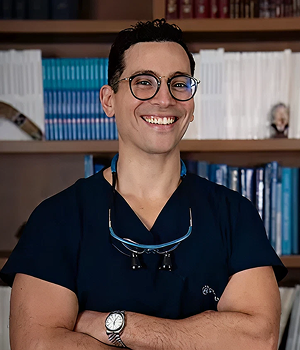
This process can lead to hair shedding, thinning, and changes in overall hair health, especially in women during hormonal transitions. At Trichogenics, founded by Dr. Asi Peretz and Dr. Eric Peretz, hormonal factors are often considered as part of a broader clinical evaluation of hair loss. Understanding the cause helps guide appropriate treatment and long-term management.
Key Takeaways
- Low progesterone can disrupt the hair growth cycle by increasing DHT activity, which may lead to hair shedding and gradual thinning.
- Hormonal hair loss often appears as diffuse thinning and is commonly linked to menopause, postpartum changes, or ongoing hormonal imbalance.
- Symptoms such as hair shedding, mood swings, and irregular menstrual cycles often occur together and point to a hormonal cause.
- Diagnosis involves evaluating hormone levels, thyroid function, and clinical patterns to confirm whether the hair loss is temporary or persistent.
- Treatment focuses on restoring hormonal balance, and in more advanced cases, may include medical therapies or hair restoration procedures.
Does Low Progesterone Cause Hair Loss or Shedding?
Low progesterone can lead to hair shedding rather than immediate permanent hair loss. This often appears as telogen effluvium, where more hairs enter the resting phase of the hair growth cycle. You may notice increased shedding during washing or brushing.
Hair shedding linked to hormonal imbalance is often temporary if hormone levels stabilize. However, persistent imbalance can lead to gradual thinning. Duration and interaction with other hormones determine long-term impact.
How to Know If Hormones Are Causing Your Hair Loss
Hormonal hair loss often follows recognizable patterns rather than sudden bald patches. You may see increased hair shedding, reduced density, and changes in menstrual cycles. These signs usually appear together with broader shifts in hormone levels.
Common indicators include:
- Increased hair shedding over several weeks
- Thinning along the part line or crown
- Irregular menstrual cycles
- Symptoms like mood swings or fatigue
Recognizing these patterns early helps identify hormonal imbalance and prevents prolonged disruption of hair health.
How Hormones Affect Hair Loss
Clinically, hormonal hair loss follows a clear sequence. When progesterone drops, the regulation of dihydrotestosterone DHT weakens. This allows DHT to act more strongly on hair follicles.
As DHT increases, it shortens the growth phase of the hair growth cycle and pushes follicles into resting phases. This leads to hair shedding and gradual thinning. Hormonal imbalance directly affects follicle stability and density.
Hormones regulate growth, rest, and shedding phases of hair. When hormone levels shift, follicles transition faster into shedding. This reduces density and consistency over time.
Key hormonal effects include:
- Progesterone helps regulate DHT
- Low progesterone increases follicle sensitivity
- A shortened growth phase leads to hair shedding
- Hormonal imbalance disrupts hair health
What Hormone Causes Hair Loss?
Androgens are the main hormones linked to hair loss. Dihydrotestosterone affects hair follicles by shrinking them and weakening the hair strands. This leads to thinner hair and reduced growth over time.
Hair loss also reflects interactions between multiple systems. Progesterone, estrogen levels, thyroid hormones, and stress-related hormones all influence the hair growth cycle. Chronic stress and thyroid function can further disrupt hair health.
How DHT Impacts Hair Follicles
DHT binds to receptors in the follicle, causing gradual miniaturization. This shortens growth cycles and reduces strand thickness. Over time, follicles may stop producing visible hair.
Progesterone helps limit DHT activity. When progesterone is low, this control weakens, allowing stronger androgen effects. This is a key mechanism linking hormonal imbalance to hair loss.
Low Progesterone and Hair Loss in Women
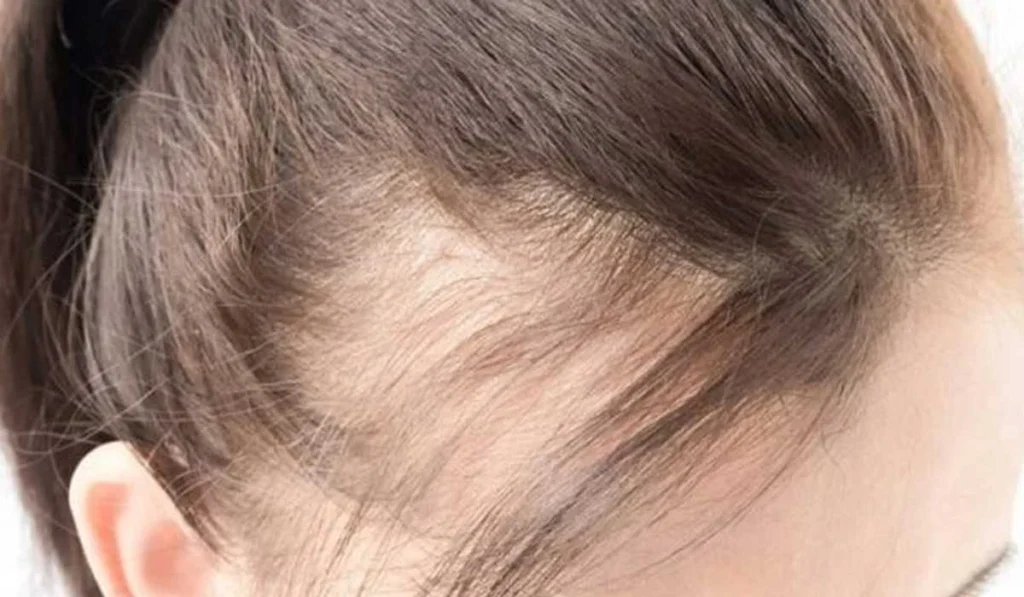
Low progesterone affects hair because it plays a key role in balancing sex hormone levels during menstrual cycles. When progesterone drops, especially relative to estrogen levels, hair follicles become more sensitive to dihydrotestosterone DHT. This shift can shorten the hair growth cycle and lead to increased hair shedding.
These changes are common during menopause, perimenopause, postpartum periods, and in some cases are related to birth control and hair loss.
Hormone levels fluctuate or decline, disrupting hormonal balance and pushing more hairs into the resting phase. This results in diffuse thinning rather than patchy hair loss.
Low Progesterone Hair Thinning and Symptoms
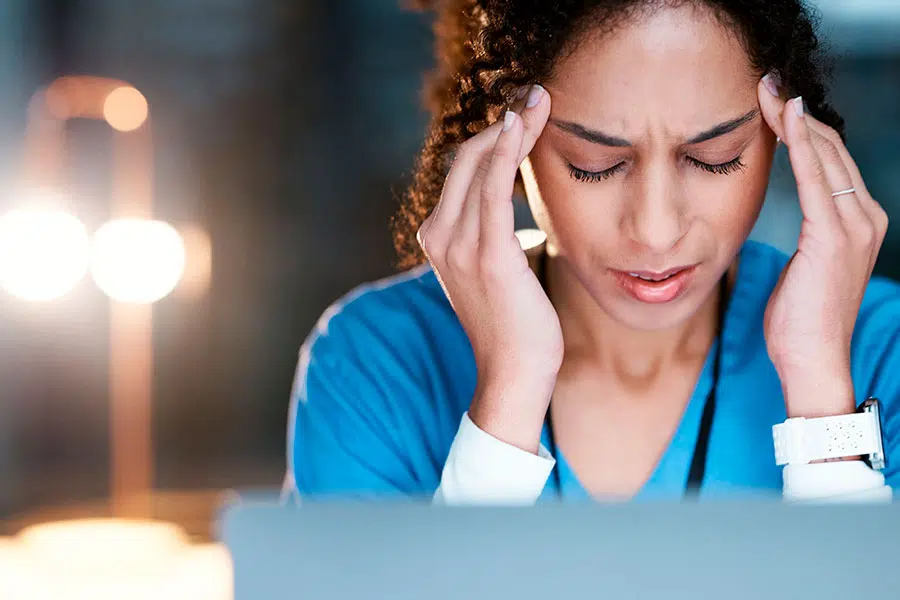
Hair thinning develops gradually when follicles produce weaker strands. You may notice reduced volume and slower regrowth rather than sudden shedding. These changes reflect disruption in the hair growth cycle.
Other symptoms often appear alongside hair changes. Common signs of hormonal imbalance include:
- Mood swings
- Fatigue
- Irregular menstrual cycles
Why Hair Becomes Thinner
Hair becomes thinner when growth phases shorten, and resting phases increase. This reduces density over time. Low progesterone increases androgen activity, which weakens follicles.
Early signs may include reduced hair volume or increased scalp visibility. These changes often appear before significant hair shedding develops.
When Hair Loss Is Not Hormonal
Not all hair loss is caused by a hormonal imbalance. Nutritional deficiencies, autoimmune conditions, and genetic factors can also contribute to hair loss, sometimes alongside hormonal changes. Each cause affects the hair growth cycle differently, which is why symptoms and patterns can vary.
For example, low iron or protein intake, or vitamin deficiencies that cause hair loss, can slow hair production and lead to diffuse shedding.
Autoimmune conditions such as alopecia areata can cause sudden, patchy hair loss due to immune system activity. Genetic factors can lead to gradual thinning driven by follicle sensitivity to DHT, even when hormone levels appear normal.
Accurate diagnosis helps avoid unnecessary or ineffective treatments. A comprehensive evaluation looks at hormone levels, nutritional status, medical history, and hair loss patterns. This approach ensures that all contributing factors are identified and addressed appropriately.
Diagnosis of Hormonal Hair Loss
Diagnosing hormonal hair loss involves assessing patterns, symptoms, and hormone levels. Patients often present with diffuse thinning rather than localized loss. Timing, such as postpartum or stress-related changes, helps identify causes.
Blood tests evaluate progesterone, estrogen levels, thyroid hormones, and androgen activity. These results help determine the role of hormonal imbalance in hair shedding.
Can Hair Loss Be Reversed?
Hair loss caused by hormonal imbalance is often reversible if treated early. Restoring hormonal balance can help follicles return to normal function. Results depend on duration and severity.
Long-term imbalance may lead to more persistent thinning. In such cases, additional treatments may be required.
Will Progesterone Help Hair Grow Back?
Progesterone may support regrowth by reducing DHT activity. This helps stabilize the hair growth cycle and reduce hair shedding.
However, treatment must address all contributing factors. A full evaluation is needed to determine suitability.
Treatment Options for Hair Loss
Treatment depends on the cause and severity. Early-stage hair shedding may improve with hormone correction. This helps stabilize hormone levels and restore hair health.
Persistent thinning may require additional approaches. These include medical therapies, lifestyle changes, and supportive products, such as a hair loss shampoo, as part of a broader clinical approach.
Hair Restoration Treatments
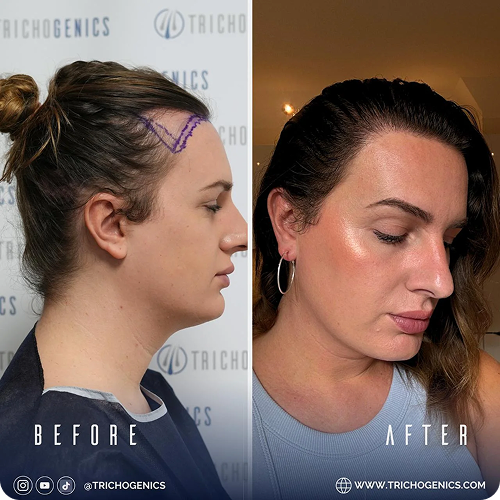
Hair restoration may be considered when follicles no longer respond to treatment. Techniques such as FUE (Follicular Unit Extraction) and DHI (Direct Hair Implantation) are widely used in modern practice. These involve precise extraction and placement of follicles.
Choi pen implantation allows controlled placement and direction. Doctor-led procedures and structured follow-up are important for consistency. In regulated environments such as Greece and Israel, clinical oversight is standardized, whereas some medical tourism settings may have fewer regulations.
Lifestyle and Nutritional Support
Lifestyle factors influence hormone levels and hair health. Managing chronic stress and supporting thyroid function can improve outcomes. Nutrition also plays a key role in maintaining hormonal balance, including nutrients such as biotin, which can help with hair loss.
Key areas include:
- Balanced diet
- Stress management
- Regular medical check-ups
These steps support long-term stability and reduce the risk of ongoing hair loss.
If you are experiencing ongoing hair shedding or thinning, a structured medical evaluation can help identify the underlying cause and guide the next steps. Clinics like Trichogenics offer doctor-led assessments that consider both hormonal factors and hair restoration options.
Scheduling a consultation can provide clarity on your condition and help determine whether medical management or procedural treatment is appropriate for your case.