
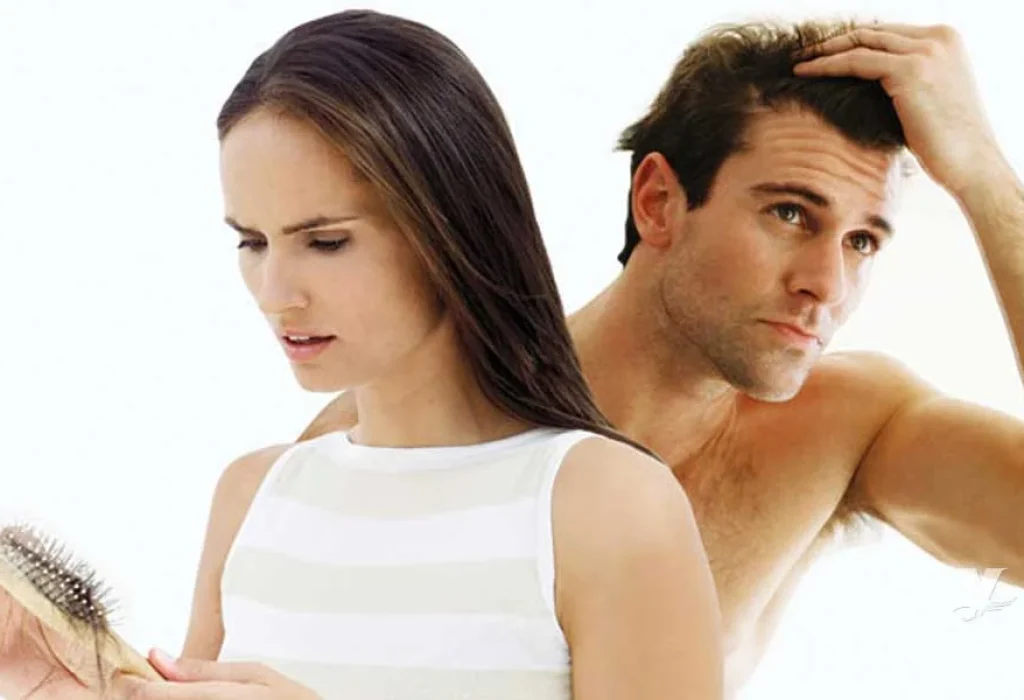
Hair thinning results from specific biological and external triggers that disrupt normal follicle function. The factors for hair loss include genetic sensitivity to DHT in androgenetic alopecia, hormonal changes such as pregnancy or menopause, and medical conditions like thyroid disorders or alopecia areata that affect the immune system.
Medications like chemotherapy, high stress, and repeated tension or chemical treatments can also damage hair follicles, leading to hair thinning, a receding hairline, or bald spots. Understanding the type of hair loss helps determine whether the condition is temporary or permanent and how it should be managed.
At Trichogenics, founded by Dr. Asi Peretz and Dr. Eric Peretz, hair restoration is approached through structured medical evaluation. This article explains the most common causes, how they affect men and women, and what options may be considered.
Key Takeaways
- Loss of hair results from a combination of genetic, hormonal, medical, and lifestyle factors that disrupt the hair growth cycle and affect follicle function.
- Identifying the specific type of hair shedding helps determine whether the condition is temporary or permanent.
- Early signs like increased shedding, thinning hair, or a receding hairline can help detect changes before they progress.
- Accurate diagnosis requires evaluating patterns, medical history, and possible deficiencies or conditions.
- Treatment options vary depending on the cause and may include lifestyle changes, medical therapies, or procedures such as FUE or DHI.
What Is the Reason for Hair Fall?
Hair fall occurs when the balance between growth and shedding shifts. Each strand follows a cycle of growth, transition, and rest, and disruption of this cycle can lead to hair thinning or a receding hairline. The underlying cause often depends on whether the trigger is internal, such as hormones, or external, such as stress or hair care habits. In many cases, more than one factor is involved.
Common Causes for Hair Loss
Thinning and shedding usually result from identifiable causes rather than a single factor.
- Genetic conditions: Male- and female-pattern baldness cause gradual thinning, a receding hairline, or bald spots.
- Hormonal changes: Pregnancy, menopause, and thyroid issues can lead to diffuse shedding or reduced density.
- Medical conditions: Alopecia areata and other immune-related conditions can cause patchy hair fall.
- Nutritional deficiencies: Low iron, vitamin D, or B12 can weaken hair and increase shedding.
- Stress and illness: High stress or physical events can trigger temporary shedding.
Early Signs and When to Worry
Changes often start subtly. Recognizing these signs helps address the condition early. These shifts may appear gradually or suddenly, depending on the cause.
Common early signs include:
- Increased shedding during washing or brushing
- Reduced density or widening part
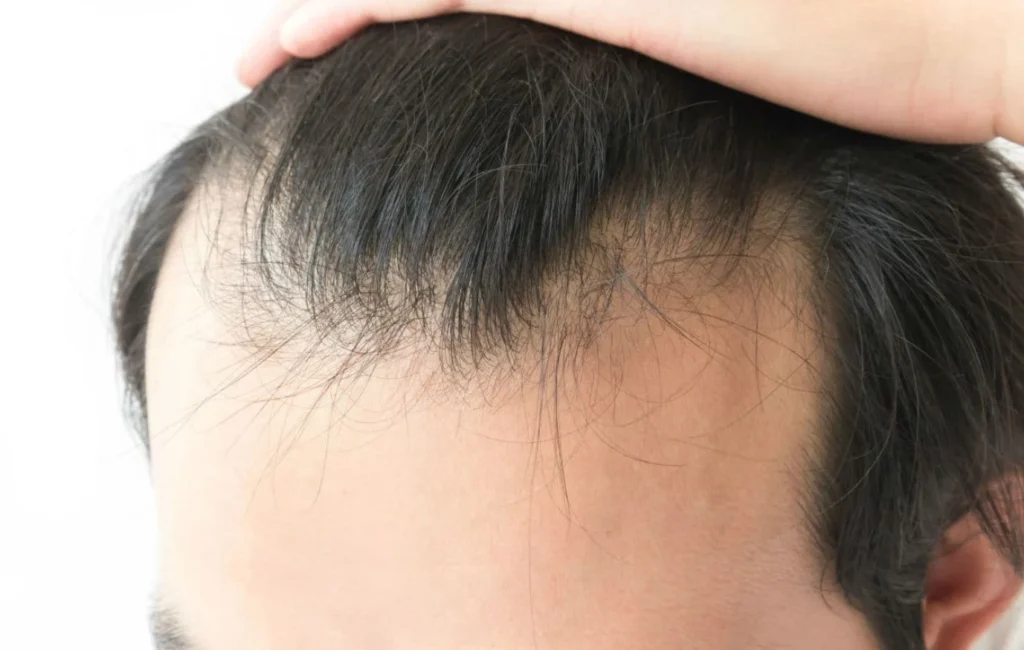
- A receding hairline or thinning at the crown
- A small bald spot
Sudden patchy baldness, rapid shedding, or scalp discomfort may require medical attention.
Temporary vs Permanent Baldness
Temporary shedding often results from stress, illness, or nutritional deficiency. Hair follicles remain active, and regrowth is possible once the trigger resolves. Permanent conditions involve structural damage to follicles, as seen in male pattern baldness or female pattern hair fall.
How the Hair Growth Cycle Works
Hair grows in a repeating cycle with three main phases:
- Anagen (growth): can last several years, hair actively grows from the follicle
- Catagen (transition): is short and marks a transition in which growth stops and the follicle shrinks
- Telogen (rest): hair rests for a few months before it naturally sheds, and a new strand begins to grow.
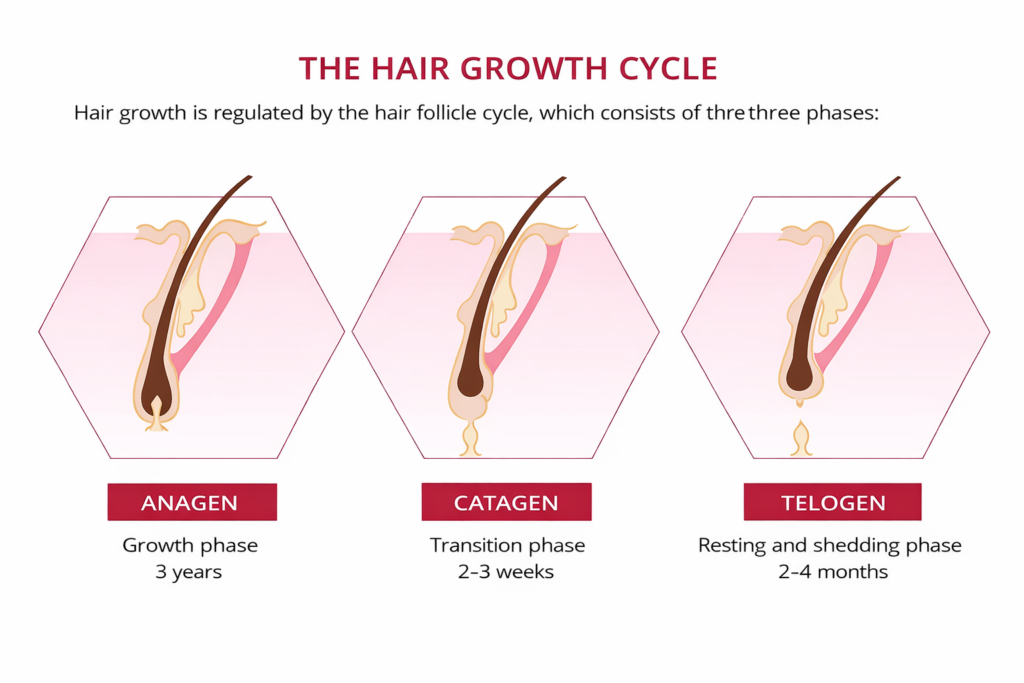
At any given time, most hairs are in the growth phase, which keeps overall density stable. When a disruption occurs, more strands shift into the resting phase at once, leading to noticeable hair shedding and thinning.
Clinical Types of Hair Loss
Hair thinning is classified into different types based on cause and pattern. This helps guide diagnosis and treatment decisions.
The most common types include:
- Androgenetic alopecia, also known as male pattern baldness or female pattern hair loss
- Telogen effluvium, a temporary shedding condition
- Alopecia areata, an autoimmune condition affecting hair follicles
Some types lead to gradual hair thinning, while others cause sudden or localized baldness.
Genetic and Hormonal Causes
Genetic and hormonal factors are among the most common drivers of thinning. These factors influence how sensitive hair follicles are to hormones such as DHT.
Reasons for Hair Fall in Men
In men, changes often present as a receding hairline or a bald spot at the crown. Male pattern baldness is driven by genetic sensitivity to DHT (dihydrotestosterone), a hormone derived from testosterone. This pattern progresses over time.
Reasons for Fall in Women
In women, changes usually appear as diffuse thinning across the scalp. Female pattern hair loss can develop due to hormonal changes, genetics, or aging. It often affects volume more than the hairline.
Reasons for Fall in Women Over 50
Hormonal shifts during menopause can lead to thinning, especially with low progesterone and hair changes. Reduced estrogen levels may alter the hair cycle and increase shedding. These changes often occur gradually.
Medical Conditions and Nutrient Deficiencies
Certain medical conditions, including circulatory issues like high blood pressure and hair thinning, can affect the scalp or disrupt normal hair growth. Nutritional deficiencies can also weaken hair structure.
Alopecia Areata and Autoimmune Causes
Alopecia areata occurs when the immune system targets hair follicles. This leads to sudden patchy loss of hair. The condition may resolve on its own or require treatment, depending on its severity.
Hormonal Disorders Like PCOS
Hormonal imbalances such as PCOS (polycystic ovary syndrome) can increase androgen levels. This may lead to thinning on the scalp. Thyroid disorders can also cause diffuse thinning and require testing.
Which Vitamin Deficiency Causes Loss of Hair
Deficiencies in iron, vitamin D, B12, or even low potassium are linked to shedding. These nutrients support follicle health. Low levels may lead to weak strands and increased shedding.
Lifestyle, Stress, and External Causes
External factors can trigger shedding even without genetic predisposition. These causes are often reversible.
Stress and Telogen Effluvium
High stress can push follicles into the resting phase. This leads to increased shedding known as telogen effluvium. It often appears a few months after a stressful event.
Illness, Surgery, and Sudden Baldness
Physical stress from illness or surgery can disrupt the cycle. Shedding may occur weeks after recovery begins. Regrowth usually happens once the body stabilizes.
Reasons for Hair Shedding in Teenagers
Teenagers may experience changes due to hormonal shifts, stress, or poor nutrition. Tight hairstyles and treatments can also damage hair follicles.
Hair Damage and Medications
Certain medications and treatments can weaken follicles. Heat styling and chemicals may reduce density over time.
How to Stop Hair Loss and Regrow Hair
Managing this condition requires identifying the underlying cause. Not all cases respond to the same approach.
Natural Methods and Lifestyle Changes
Some approaches focus on improving overall health:
- Balanced nutrition
- Stress management
- Avoiding damaging practices
These steps support hair health but may not reverse all conditions.
How to Diagnose the Cause of Hair Shedding
Accurate diagnosis helps determine the type involved. Without evaluation, treatment may not address the root cause.
A typical evaluation may include:
- Identifying the pattern, such as diffuse thinning or a bald spot
- Reviewing medical history
- Conducting tests such as blood work
Medical Tests and Scalp Evaluation
Doctors may use tests to check for deficiencies or hormonal issues. Scalp examination helps assess follicle health.
When to See a Hair Specialist
Medical advice is recommended when changes are sudden or persistent. Early evaluation often improves outcomes.
When Loss of Hair Becomes Permanent
Permanent loss occurs when hair follicles are damaged or inactive. This can happen in advanced stages of patterned conditions. Regrowth depends on follicle viability.
Treatment Options Based on Cause
Treatment depends on the type and underlying cause. Options range from medical therapies to surgical approaches.
Medical Treatments and Therapies
Medications may support growth or reduce hormonal effects on follicles. These treatments aim to stabilize shedding. Results vary based on the condition.
Common options include:
- Minoxidil: Helps stimulate hair growth
- Finasteride: Reduces DHT levels
- Spironolactone: Blocks hormone effects in women
- Corticosteroids: Reduce inflammation in autoimmune loss of hair
When Hair Transplant Is an Option
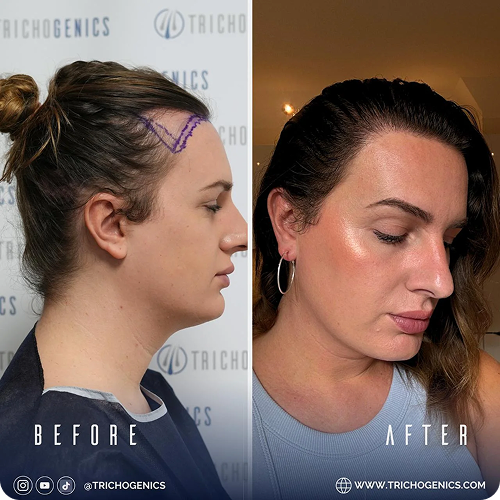
Hair transplant procedures may be considered when the condition is stable. Techniques such as FUE and DHI are widely used and often involve tools like the Choi pen. These procedures are doctor-led and require structured follow-up.
Techniques such as FUE (Follicular Unit Extraction) and DHI (Direct Hair Implantation) are widely used and often involve tools like the Choi pen. These procedures are doctor-led and require structured follow-up.
When evaluating treatment locations, some regions, including Turkey, may lack consistent regulatory oversight. Clinics in Israel and Greece operate within established medical frameworks with defined standards for physician training and patient care.
If you are exploring treatment options, you can schedule a consultation to evaluate your condition, review available techniques, and determine whether you are a suitable candidate.