

These conditions can limit oxygen and nutrient delivery to hair follicles, which may shorten the hair growth phase and increase shedding.
At Trichogenics, founded by Dr. Asi Peretz and Dr. Eric Peretz, these patterns are considered during clinical evaluation to better understand how systemic health impacts hair. The connection is not always direct, but it reflects how systemic health influences hair growth.
Key Takeaways
- Heart problems can contribute to hair loss by reducing blood flow, oxygen, and nutrient delivery to hair follicles, which may disrupt the normal hair growth phase.
- Hair loss may be a secondary sign of cardiovascular issues, especially when accompanied by other risk factors such as high blood pressure, fatigue, or systemic symptoms, many of which are outlined among the common contributing factors affecting hair health.
- The type of hair thinning varies: some cases are temporary, such as telogen effluvium following stress, while others involve gradual thinning associated with pattern hair loss.
- Medications used to treat heart conditions, including beta-blockers and statins, may affect hair growth in some individuals, although the effects are not universal.
- Early medical evaluation helps identify whether hair thinning is related to heart disease or another condition, improving the chances of effective management and potential regrowth.
Can Heart Problems Cause Hair Loss?
How Blood Flow Affects Hair Growth
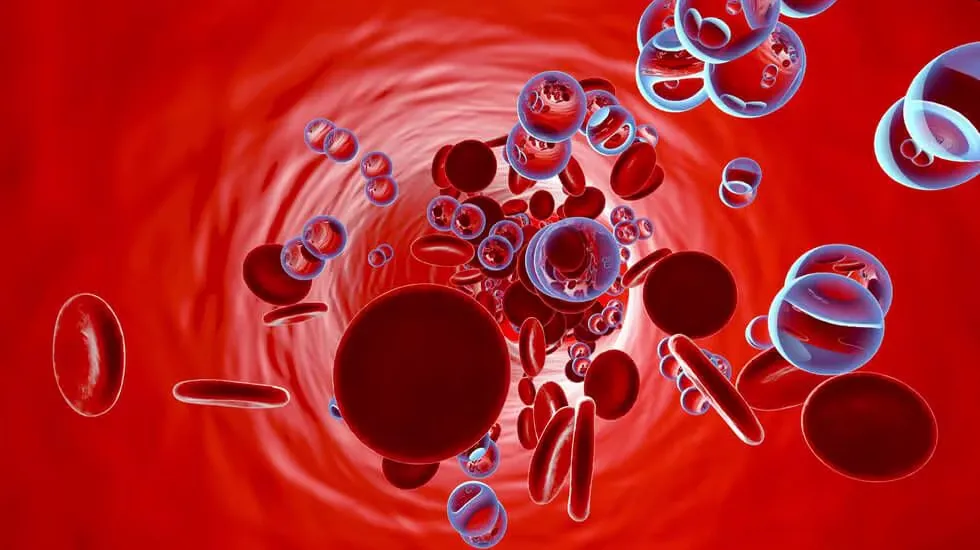
Hair follicles depend on oxygen and nutrients delivered through circulation. When heart disease or high blood pressure affects vascular function, follicles receive less support. This can shorten the hair growth phase, which is associated with an increased risk of hair thinning over time.
Reduced capillary blood flow can limit oxygen delivery at the microvascular level. This affects follicle metabolism and reduces the energy needed for growth. Over time, this may contribute to pattern hair loss, hair thinning, and reduced density.
Heart Problems and Hair Loss Causes
Poor Circulation and Reduced Oxygen
Reduced circulation limits nutrient delivery and weakens hair follicles. This often follows a sequence:
- Reduced circulation
- Lower oxygen delivery
- Shortened growth phase
- Increased shedding
These changes can lead to visible thinning and reduced density.
Chronic Inflammation
Inflammation linked to heart disease can disrupt the hair growth phase. This may increase shedding and affect long-term density. Managing inflammation is part of overall care.
Temporary vs Structural Reduced Hair Density Changes
Temporary shedding, such as telogen effluvium, occurs when hair follicles shift into a resting phase in response to stress. Follicles remain intact, and hair can regrow once the trigger is resolved. This type is often diffuse and may appear as a sign of heart-related stress.
Structural hair thinning, seen in male pattern baldness, involves gradual follicle shrinkage. Hair becomes thinner over time and may lead to a receding hairline. The key difference is that temporary loss affects the growth phase, while structural loss changes the follicle itself.
Do Heart Medications Cause Hair Loss?
Beta Blockers
Beta blockers may influence the hair growth phase by altering blood flow, as seen with other medications that cause hair loss. In some cases, this can lead to increased shedding. The effect varies depending on the individual.
Statins and Other Drugs
Statins may affect lipid metabolism, which plays a role in follicle function. This may contribute to mild thinning in some individuals. These effects are not universal.
Can Hair Loss Be Reversed?
Treating the Root Cause
Addressing underlying cardiovascular issues can support hair regrowth. A healthy lifestyle that improves circulation may also help.
Hair Restoration Options
When hair shedding persists, clinical treatments may be considered. Techniques such as FUE (Follicular Unit Extraction) and DHI (Direct Hair Implantation) are widely used, and Choi pen implantation is one method for precise placement, as explained in modern hair transplant techniques.
Hair restoration is typically performed by trained physicians with structured follow-up. Trichogenics operates in Greece and Israel, where doctor-led procedures are part of standard care. Patients should consider regulatory differences when seeking treatment abroad.
Diagnosis and When to See a Doctor
Medical Evaluation
Physicians review medical history, symptoms, and risk factors to identify causes, including nutritional issues such as B12 deficiency and its effect on hair health. They assess both cardiovascular health and hair loss patterns. This approach helps guide treatment.
Warning Signs to Watch
Seek medical advice if hair shedding is sudden or linked with other symptoms. Early evaluation helps reduce risk and supports better outcomes.