

Yes, in some cases. Hair loss from a B12 deficiency can occur when low vitamin levels reduce red blood cell production, limiting oxygen and nutrient delivery to hair follicles and disrupting the normal growth cycle.
This often leads to thinning hair, increased shedding, and weaker strands rather than patchy bald spots. It is more likely when deficiency is prolonged or absorption is impaired.
Fixing it depends on identifying the cause and restoring healthy B12 levels through diet, supplements, or injections when needed. In many cases, hair shedding improves once levels normalize, although recovery takes time and varies by individual.
Early treatment supports better outcomes, as hair follicles are more likely to recover if they remain active. A proper diagnosis is important to confirm that the hair loss is linked to a B12 deficiency rather than another condition.
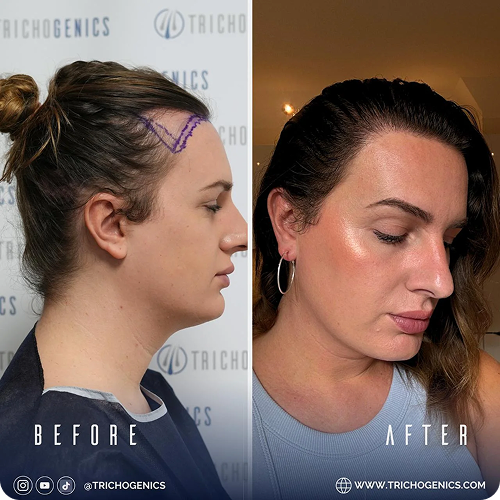
Trichogenics, a clinic based in Greece and Israel, founded by Dr. Asi Peretz and Dr. Eric Peretz, approaches hair loss through medical evaluation and individualized treatment planning.
Key Takeaways
- A B12 insufficiency can contribute to hair loss by affecting red blood cells and reducing oxygen delivery to hair follicles, which may lead to hair thinning and increased shedding.
- Hair loss from a B12 deficiency is often reversible if levels are restored early, though recovery depends on factors such as duration of deficiency and overall health.
- Diagnosis requires blood tests and clinical evaluation, as similar symptoms can result from other nutritional deficiencies, such as iron, zinc, or vitamin D.
- Treatment may include dietary changes, supplements, or B12 injections, depending on the cause and severity of the deficiency, particularly when absorption issues are involved.
- Hair regrowth takes time; reduced shedding often occurs before visible improvement, and full recovery varies based on individual response and treatment consistency.
How B12 Affects Hair Follicles
Vitamin B12 plays a key role in DNA synthesis and red blood cell production, both essential for healthy hair growth. When B12 levels are low, red blood cell production decreases, reducing oxygen delivery to hair follicles.
Hair follicles rely on a steady supply of oxygen and nutrients to maintain normal growth cycles. Without it, follicles can weaken, leading to increased hair shedding and gradual thinning.
In some cases, B12 deficiency may also contribute to anemia, further limiting oxygen supply and slowing cell activity in the scalp. Over time, this can negatively affect hair health, with changes that often develop gradually.
Signs of Hair Shedding From a B12 Deficiency
Common Hair Changes
Hair shedding from a B12 insufficiency usually appears as diffuse thinning rather than patchy loss. You may notice more hair shedding during washing or brushing. Hair strands can feel weaker and less dense. These changes are often subtle at first.
Is B12 Deficiency Hair Shedding Reversible?
Recovery and Regrowth
Yes, in many cases, hair shedding caused by a B12 deficiency is reversible, especially when the condition is identified and treated early. Hair can regrow once B12 levels return to normal, as long as the hair follicles remain active.
Recovery depends on how long the deficiency has been present, the condition of the follicles, and whether other nutrient deficiencies are involved. Many patients notice reduced shedding first, followed by gradual regrowth as follicles return to active growth phases. This process often takes several months and varies by individual.
When multiple deficiencies are present, recovery may be slower or less complete. Hair follicles require a consistent supply of oxygen, vitamins, and minerals to function properly, so addressing all underlying factors supports better outcomes.
Ongoing monitoring and treatment can help maintain long-term hair health.
How B12 Deficiency Is Diagnosed
Blood Tests and Evaluation
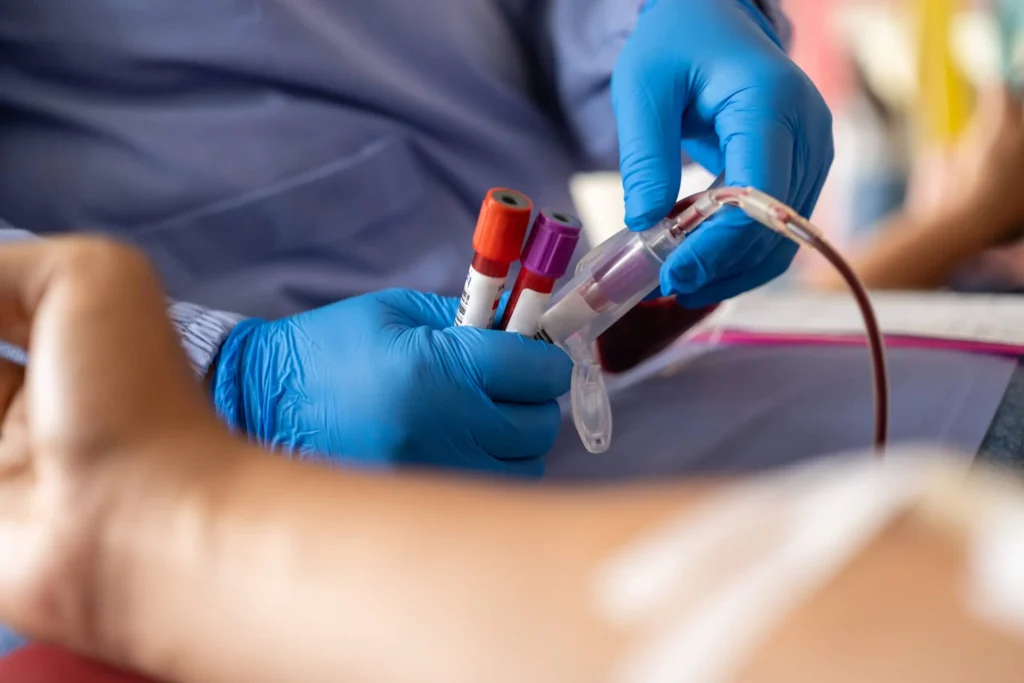
Diagnosis is based on blood tests that measure B12 levels. Lab-confirmed results are needed before starting treatment.
Some individuals experience symptoms of this deficiency even with borderline levels. Clinical evaluation helps confirm whether the condition is linked to hair shedding. This ensures accurate treatment.
Treatment Options for B12 Deficiency
Supplements and B12 Injections
Treatment depends on the cause and severity of the deficiency and may include supplements or oral treatments to support hair health.
B12 injections are often used when absorption is impaired or levels are very low. Oral supplements are typically used in mild cases where absorption is not affected; this may be effective in milder cases. Both approaches aim to restore red blood cells and support hair follicles.
Dietary Support
Dietary changes help maintain long-term hair health by restoring B12 levels and supporting hair follicles. Consistency in intake is important to prevent a lack of B12 and reduce the risk of hair thinning and shedding.
Foods rich in B12 include:
- Meat (beef, liver)
- Fish (salmon, tuna)
- Dairy products (milk, cheese, yogurt)
- Eggs
- Fortified foods (plant-based milk, cereals)

What Vitamin Deficiency Causes Hair Loss
Other Nutritional Deficiencies
Reduced hair density can also be linked to other nutritional deficiencies, such as iron, zinc, or vitamin D, as explained in this guide on which vitamins cause hair issues.
These deficiencies affect hair follicles in different ways. Testing helps identify the correct cause. Proper diagnosis improves outcomes.
When Hair Loss May Have Other Causes
Other Factors
Hair loss is not always caused by a lack of B12. Hormonal changes, genetics, medical conditions, and certain medications that affect hair growth can also contribute. Identifying the correct cause is essential for treatment, especially when considering multiple factors that can affect hair health.
In advanced cases, patients may consider hair restoration methods such as FUE (Follicular Unit Extraction) or DHI (Direct Hair Implantation), which involve doctor-led planning, Choi pen implantation, and structured follow-up care.
If you’re experiencing thinning hair or suspect a B12 deficiency, checking your levels of B12 can help identify the cause. You can schedule a consultation at Trichogenics to review your case and discuss appropriate options.