
Yes, a poor diet can cause hair loss, especially when nutrient deficiencies, rapid weight loss, or restrictive eating patterns are present. These factors can disrupt normal follicle function and affect the hair growth cycle, leading to increased shedding and thinning over time.
Diet-related hair loss often presents as diffuse shedding, although other medical conditions may also contribute. Clinical evaluation is important to identify the underlying cause before starting treatment.
Key Takeaways
- A poor diet can disrupt the hair growth cycle and lead to hair shedding, especially when nutrient deficiencies or rapid weight loss are involved.
- Hair loss caused by a poor diet often appears as diffuse thinning across the scalp and may begin several weeks after dietary changes.
- Common deficiencies such as low iron, inadequate protein intake, and a lack of essential vitamins can impair follicle function and reduce the ability to support hair growth.
- In most cases, diet-related hair thinning is temporary and improves once balanced nutrition is restored.
- Clinical evaluation helps confirm the cause and rule out other types of hair loss.
How Hair Loss From Poor Diet Happens
Hair follicles require a steady supply of nutrients to support normal growth. When intake is low, especially of protein, iron, zinc, and key vitamins, the body reduces follicle activity, leading to hair thinning and increased shedding.
This process often develops gradually and may go unnoticed at first. Over time, nutrient deficiency can shift more follicles into the resting phase, a condition known as telogen effluvium.
Hair shedding typically appears 2 to 3 months after triggers such as rapid weight loss or calorie restriction.
What Nutrition Deficiency Causes Hair Loss
Nutrient deficiencies can directly affect follicle function and lead to hair thinning, including cases linked to vitamin B12 deficiency and shedding. Common causes include iron deficiency, low protein intake, and a lack of vitamins, including vitamin D and the B-complex.
These deficiencies reduce the ability to support hair growth and maintain the hair growth cycle, and hormonal changes, such as low progesterone levels and their effects, may also contribute. The severity depends on how long the imbalance lasts.
Vitamins and Minerals That Matter
Key nutrients help promote hair growth and maintain follicle health. These include iron, zinc, protein, and vitamins.
A balanced diet rich in leafy green vegetables, whole grains, and lean proteins can help reduce the risk of hair volume loss.
Signs of Hair Loss From Poor Diet
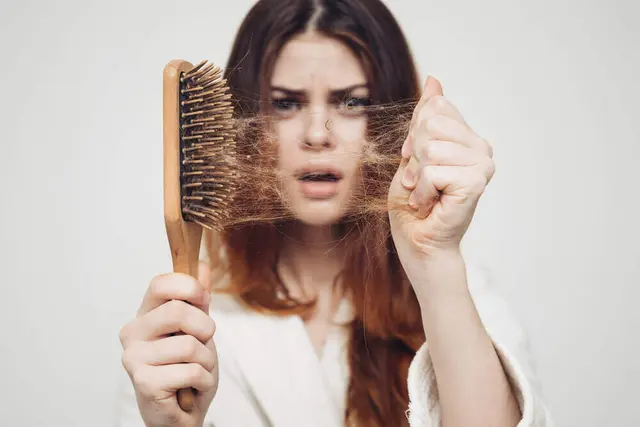
Reduced hair density caused by poor nutrition usually presents as diffuse thinning hair across the scalp. Many people notice increased hair shedding when brushing or washing their hair.
Hair-thinning symptoms due to nutritional deficiency may also include slower growth or weaker strands.
How to Tell If Your Diet Is Causing Hair Shedding
You may be experiencing diet-related hair thinning if shedding increases after dietary changes or weight loss. Thinning, evenly distributed hair is also a common sign.
Other indicators include recent changes in eating habits or reduced intake of key nutrients.
Will Hair Loss Due to a Poor Diet Grow Back?
Diet-related hair thinning is often temporary. Once nutrient intake improves, follicles can return to the growth phase and support hair growth again.
Recovery depends on the duration of the deficiency and whether other medical conditions contribute to hair shedding.
How to Fix Hair Loss From Poor Diet
Improving nutrition is the main step to addressing reduced hair density. A balanced intake of protein, vitamins, and minerals helps restore normal follicle function.
In some cases, a medical evaluation is needed to identify underlying issues that lead to hair thinning.
Top 5 Foods to Prevent Hair Shedding
Certain foods can help promote hair growth and support the hair growth cycle:
- Leafy green vegetables for iron
- Eggs for protein
- Fish for essential fats
- Nuts and seeds for zinc
- Legumes for plant-based protein
These foods help reduce nutrient deficiencies and support hair health.
How to Diagnose Diet-Related Hair Shedding
Diagnosis involves reviewing diet, symptoms, and the timing of hair thinning, as well as evaluating other common contributing factors of loss of hair. This helps determine whether diet is the main cause.
Blood Tests and Key Markers
Blood tests help identify nutrient deficiencies, such as low iron or vitamin levels. These markers support accurate diagnosis and treatment.
Clinical Thresholds for Nutrient Deficiencies
In clinical evaluation, low ferritin levels are often associated with hair shedding, as reduced iron stores can impair follicular function. Protein deficiency can also disrupt the hair growth cycle and lead to thinning hair.
These markers are reviewed alongside symptoms and dietary history to determine whether hair thinning is due to poor nutrition or other causes.
Diet vs Genetic Hair Loss
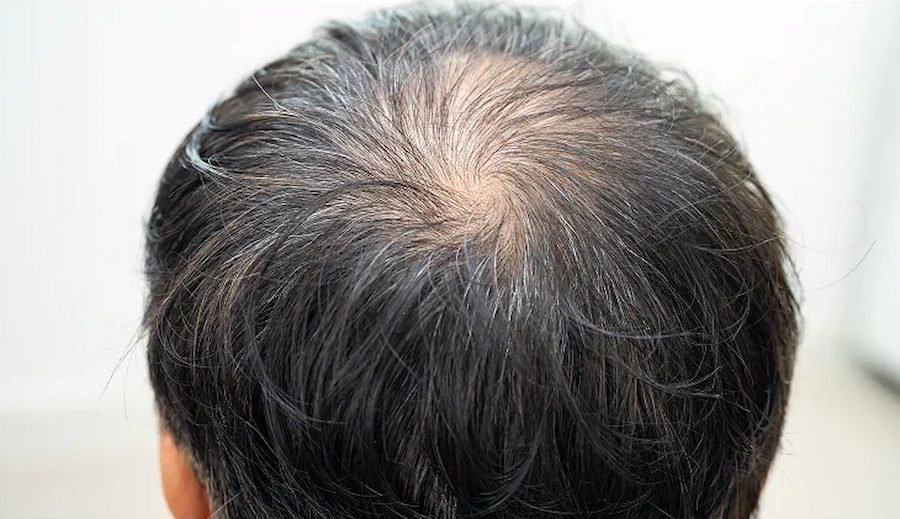
Diet-related reduced hair density is usually diffuse, with even thinning across the scalp and increased hair shedding, often linked to recent changes such as weight loss or nutrient deficiencies. In contrast, genetic conditions follow a defined pattern, affecting the crown and hairline in men and the crown or part line in women, as seen in female pattern thinning patterns.
Both types can occur simultaneously, making diagnosis more complex. Identifying the pattern, timing, and underlying factors helps determine whether poor nutrition is the main cause or if genetic factors contribute to hair thinning.
Red Flags That Require Medical Attention
Certain signs may indicate that hair thinning is not solely related to diet and may involve underlying medical conditions. Recognizing these patterns early can help guide timely evaluation and appropriate care.
- Sudden or excessive hair shedding
- Patchy or uneven hair thinning
- Rapid progression of thinning hair
- Reduced hair density accompanied by fatigue or other symptoms
In these cases, medical evaluation is recommended to determine the cause and appropriate care.
If hair thinning persists despite dietary improvements, a clinical evaluation can help identify the underlying cause and guide next steps. You can schedule a consultation to review your case and explore appropriate options based on your condition.