
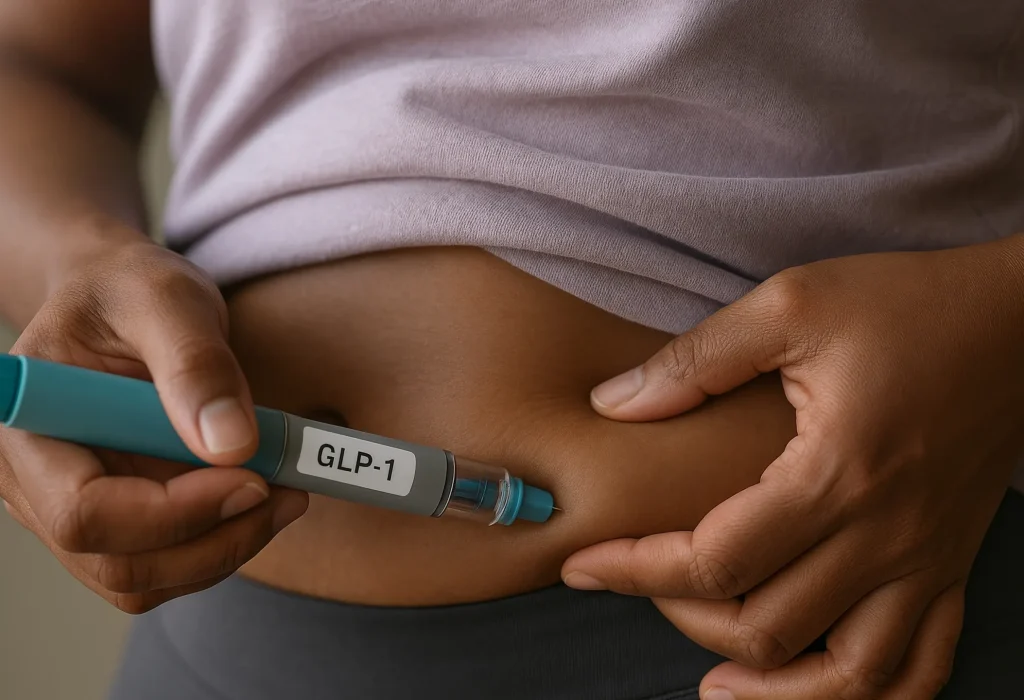
GLP-1 hair loss can occur during treatment with medications such as Ozempic, Wegovy, or Zepbound; however, it is typically a temporary response rather than direct follicle damage.
This type of hair shedding is most often associated with a condition called telogen effluvium, which occurs when rapid weight loss or metabolic stress causes a shift in the proportion of hair in the shedding phase. The effect typically appears a few months after starting treatment, peaks early, and can last several months before improving as the body adapts.
Prevention focuses on reducing stress on the hair growth cycle by maintaining adequate protein intake, correcting nutrition deficiencies, and avoiding extreme calorie restriction while you lose weight. In some cases, treatments such as topical therapies or other clinical options may support recovery, but most individuals see regrowth once weight stabilizes and internal balance returns.
Clinics such as Trichogenics, which operates in Greece and Israel, often evaluate these patterns in a clinical setting to guide appropriate care and determine whether supportive or procedural approaches are needed.
Key Takeaways
- GLP-1 hair loss is usually linked to rapid weight loss and metabolic stress rather than direct follicle damage.
- Most cases involve a condition called telogen effluvium, which causes temporary hair shedding but allows regrowth.
- Hair shedding often starts 2 to 3 months after weight loss and improves once weight stabilizes.
- Risk factors include rapid weight loss, nutritional deficiencies, and preexisting hair-thin patterns.
- Prevention focuses on nutrition, gradual weight loss, and clinical evaluation when needed.
Does GLP-1 Hair Loss Really Happen?
GLP-1-related hair loss has been reported by some patients taking medications such as semaglutide, including cases discussed in Does Ozempic cause shedding.
It is not usually a direct side effect, but a response to metabolic stress during weight changes. Hair follicles are sensitive to shifts in energy and nutrient availability.
This reflects a temporary change in the hair cycle rather than permanent damage. The good news is that most individuals recover once their bodies stabilize.
Why Do You Lose Hair on GLP-1?
Hair loss during GLP-1 use is usually linked to internal changes rather than the medication itself. Rapid weight loss can disrupt the hair growth cycle and increase hair shedding.
When people lose weight quickly, the body may shift resources away from nonessential functions like hair growth, especially when nutrition is unbalanced, as explained in how a poor diet affects hair.
This can contribute to hair loss, especially when combined with nutrition deficiencies.
Telogen Effluvium Explained
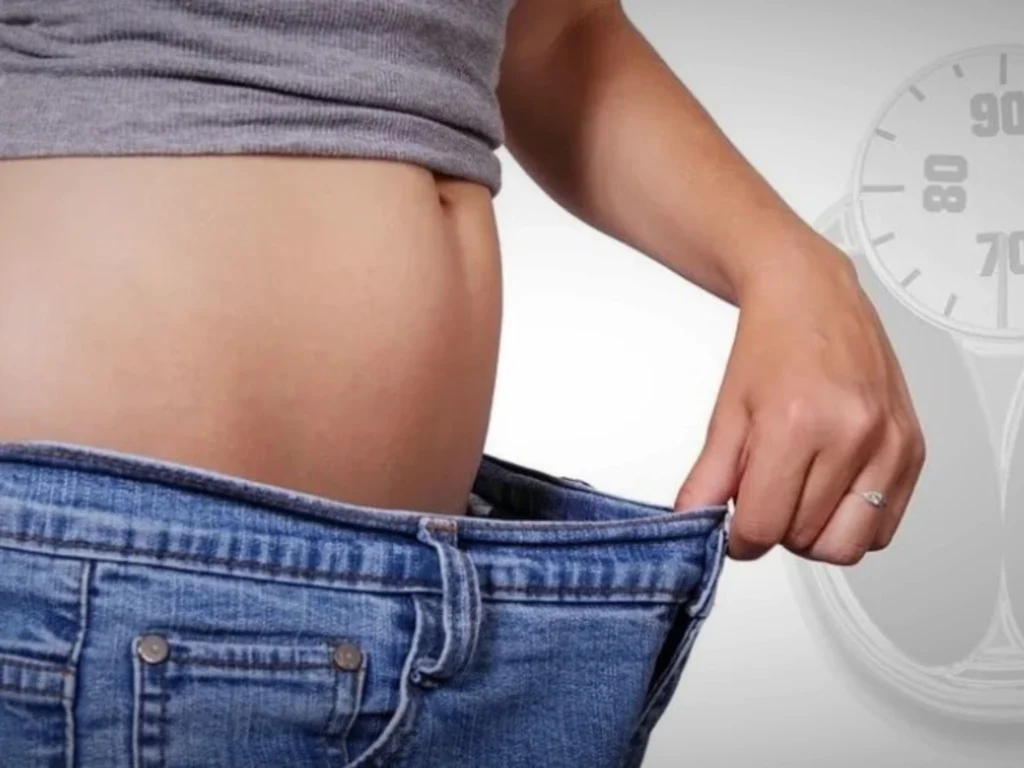
Telogen effluvium is a temporary condition where more hair follicles shift into the resting phase of the hair growth cycle at the same time. This shift usually occurs after stress on the body, such as rapid weight loss or nutrition deficiencies, and leads to increased hair shedding a few months later.
Hair follicles remain active, so regrowth is possible once the trigger resolves. As the body recovers and balance returns, the hair growth cycle normalizes, and new hair begins to grow again.
Nutrient Deficiencies and Hair Loss
Nutrition deficiencies affect hair health and growth. Low protein, iron, or vitamin intake can weaken hair follicles.
Correcting these deficiencies, including issues like vitamin B12 deficiency and thinning, supports healthy hair and reduces shedding.
Who Gets GLP-1 Hair Loss?
Some individuals have a higher risk of hair shedding. Factors such as rapid weight loss, poor nutrition, and existing hair-thin patterns contribute.
These factors affect how hair follicles respond to metabolic stress and can increase the likelihood of hair changes, as outlined in common contributing factors.
When GLP-1 Hair Loss Starts?
Hair shedding usually begins weeks after the initial trigger. This delay follows the natural timing of the hair cycle and is often seen in people using a GLP-1 medication for weight management.
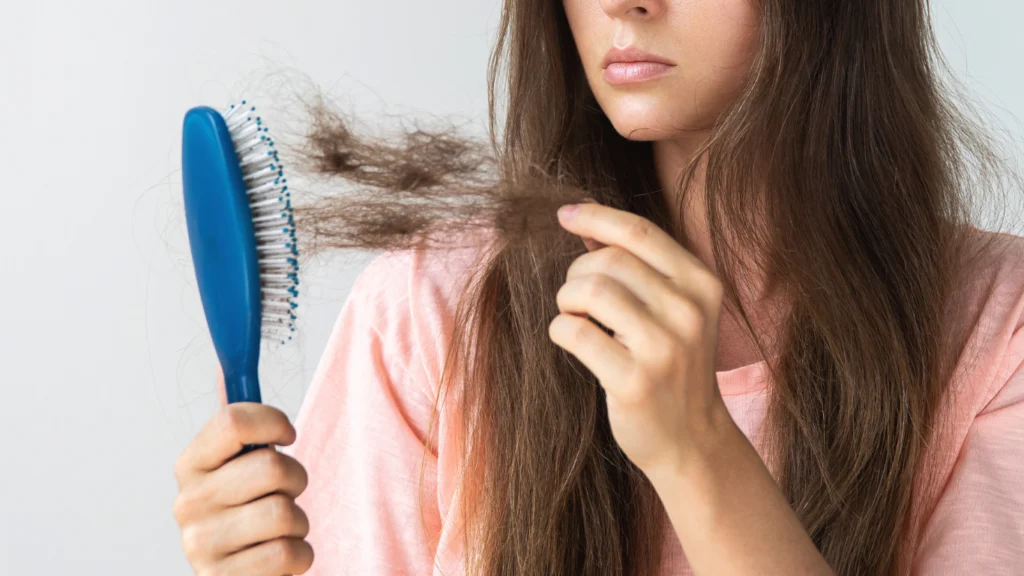
Most people notice increased shedding during washing or brushing, especially when rapid weight loss occurs with weight loss medications.
Is GLP-1 Hair Loss Reversible?
This effect is usually reversible. Hair follicles remain active, allowing regrowth once the underlying cause improves.
Recovery depends on stabilizing weight and correcting nutritional deficiencies, particularly in individuals using GLP-1 or other weight-loss medications.
How to Prevent and Treat GLP-1 Hair Loss
Prevention focuses on reducing stress on the body and supporting hair health. Early action helps limit hair shedding.
Key Strategies
- Maintain adequate protein intake to support the hair cycle
- Avoid rapid weight loss when possible
- Correct nutrition deficiencies through diet or supplements
- Monitor changes and seek medical advice if needed
Some patients explore options like platelet-rich plasma or topical support such as Nizoral shampoo for scalp health to support hair restoration. These treatments aim to improve follicle activity and overall hair health.
When to Worry About Hair Loss
Hair shedding becomes a concern if it is prolonged or severe. Shedding that continues after weight stabilizes may require further evaluation.
A specialist can assess the cause and recommend appropriate care. In some cases, hair restoration procedures such as FUE (Follicular Unit Extraction) or DHI (Direct Hair Implantation) may be considered by board-certified physicians or plastic surgeons.
You may consider scheduling a consultation to review your condition and discuss appropriate next steps based on your individual case.