
Trichogenics does not list a fixed price for an 8000-graft procedure. This volume usually requires multiple sessions, so the total cost is set after a consultation and donor assessment. It will sit above the 5,000-graft range in the table. The clinic also advises against transplanting a very high number of grafts in a single session.
Factors That Change Your Final Price
Several factors move the total cost up or down:
- Technique used, such as DHI or FUE
- Number of sessions needed
- Surgeon experience and certification
- Donor hair source and graft count
- Country and clinic standards
Very low prices abroad often hide a trade-off. Turkey and some other countries market unlimited-graft packages at low cost, but weaker medical regulation there raises the risk of poor results, unsafe conditions, and overharvesting. Trichogenics performs procedures in Greece and Israel, where surgery follows strict medical oversight and doctor-led care. A regulated clinic protects both your health and your long-term result, even when the upfront price is higher.
Results Timeline: Recovery, Before and After, and Long-Term Outcomes
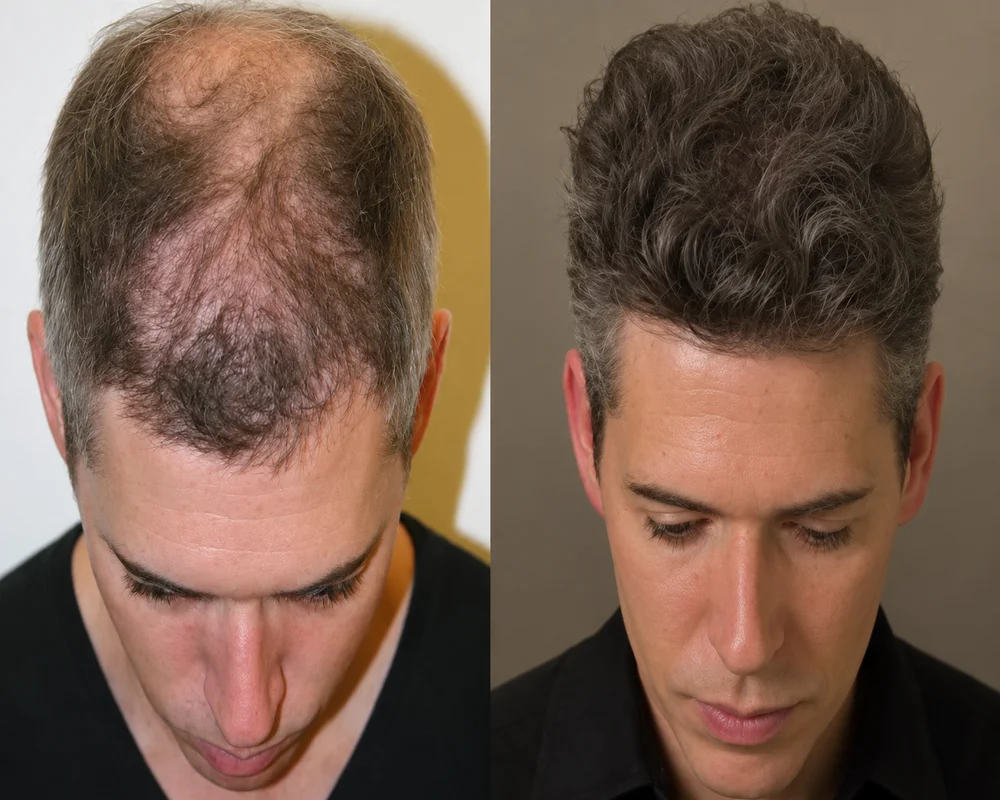
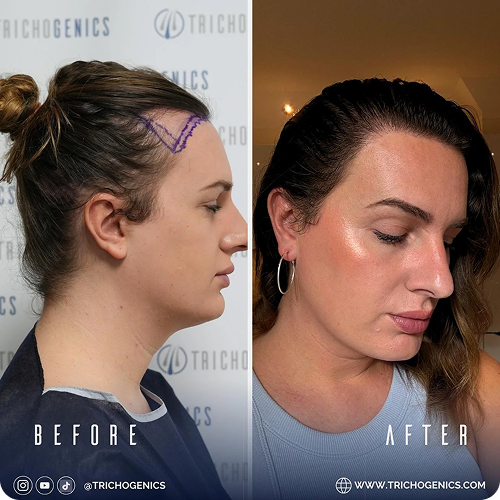
Hair transplant results take time to appear. Looking at 8000 grafts hair transplant before-and-after photos helps set expectations, but the real change unfolds across a full year.
Month-by-Month Recovery and Before-and-After Results
Recovery follows a predictable pattern. The scalp heals within the first month, with mild swelling, redness, and scabbing that fade on their own. Transplanted hair then sheds between months one and four, which is normal and expected. New growth begins around months four to eight, often thin at first, and thickens through months eight to twelve.
By the end of the first year, the full result becomes visible. This is when 8000 grafts hair transplant before-and-after comparisons show the true outcome. Trichogenics uses structured patient follow-up across this period, so a doctor can track healing and growth at each stage.
What Happens 10 Years After a Hair Transplant
Transplanted hair comes from the donor area, which resists the hormone that causes pattern hair loss. For this reason, transplanted grafts usually keep growing for the long term, often for life. Ten years after surgery, the moved hair normally stays in place.
Your original, non-transplanted hair can still thin over time. This is why a doctor may recommend ongoing medical treatment to protect the hair you keep. Planning for future loss is part of why surgeons avoid overharvesting the donor area in one procedure.
Procedure Risks and Session Planning
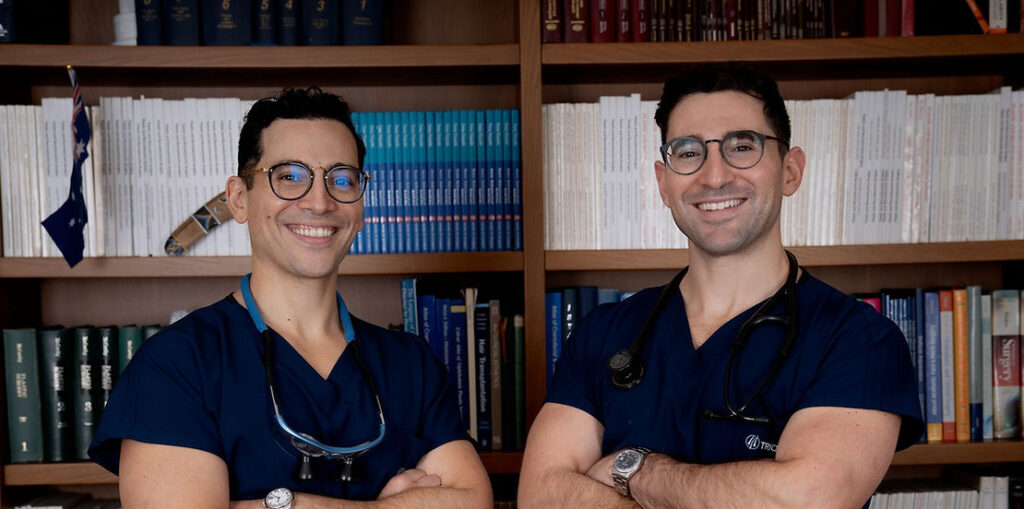
Large procedures carry more risk than small ones. Understanding the techniques, the surgeon’s role, and the session structure helps you plan surgical hair restoration safely.
Surgical Risks and Choosing an Experienced Surgeon
The main risks of high-graft-count surgery are poor graft survival, an unnatural hairline, infection, and donor-area thinning from overharvesting. Surgeon skill is the single biggest factor in avoiding them. A board-certified doctor with specific hair restoration training plans the hairline, angle, and density to match your face.
Technique also shapes the result. Follicular unit extraction, or FUE, removes individual follicles from the donor area, while follicular unit transplantation, or FUT, removes a strip of scalp.
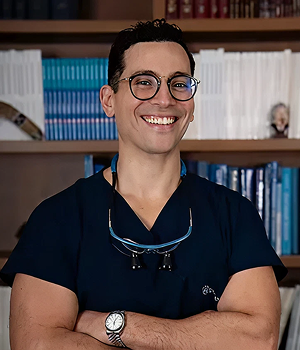
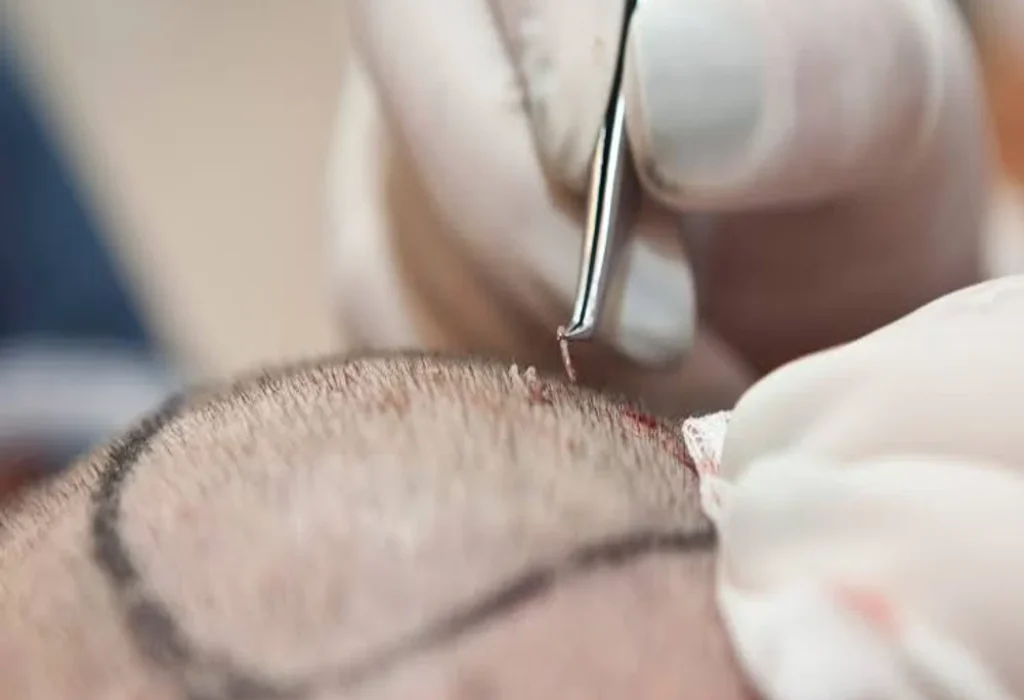
Technique also shapes the result. Follicular unit extraction, or FUE, removes individual follicles from the donor area, while follicular unit transplantation, or FUT, removes a strip of scalp. Many clinics now pair the FUE procedure with a Choi pen for direct hair implantation, known as DHI. Dr. Asi Peretz performs these procedures through doctor-led care, where the surgeon, not a technician, carries out the key surgical steps.
Single Session or Multiple Sessions
An 8000-graft transplant is rarely done in one sitting. A single session of this size can take 14 hours or more, which tires both patient and surgeon and can lower graft survival. Most doctors split the work across multiple sessions, either on consecutive days or months apart.
Splitting the procedure protects the donor hair and gives the scalp time to heal between stages. It also lets the surgeon check early growth before placing more grafts. Session count is one of the most frequently asked questions patients raise, and the answer depends on your donor supply and goals.
Frequently Asked Questions
Does an 8000-Graft Transplant Hurt
Surgeons use local anesthesia, so you feel pressure but not sharp pain during the procedure. Most patients report mild soreness, tightness, and swelling for a few days afterward. Your doctor can recommend pain relief and tell you which medicines to avoid.
How Long Should You Stay Near the Clinic After Surgery
Many patients stay a few days after surgery so the doctor can check healing before they travel. Ask when you can fly, return to work, and exercise, because timing depends on your session size and how you heal. Strenuous activity usually waits longer than desk work.
Who Should Not Get a Large Hair Transplant
Severe alopecia areata, such as alopecia totalis, generally rules out a transplant. Extensive scalp scarring can also limit graft survival. This procedure is rarely done for women, because female hair loss often thins the scalp evenly and leaves little stable donor hair.
What Happens at a Hair Transplant Consultation
A doctor examines your scalp, measures donor density, and reviews your medical history and family pattern of hair loss. You can ask about technique, graft count, session planning, and follow-up care. You should leave with a written graft estimate and a clear explanation of what the procedure can and cannot do.
Can You Repeat the Procedure If Results Fall Short
A repeat procedure is often possible if enough donor hair remains. Doctors usually wait a full year before judging the result, since growth takes that long to mature. Your remaining donor supply decides how much a second session can add.
What Age Is Best for a Large Hair Transplant
Most surgeons prefer to wait until hair loss has stabilized, which often means the mid-twenties or later. Operating too early can leave transplanted hair standing alone as the surrounding hair keeps thinning. A doctor can track your progression over time before recommending a large session.