
Key Takeaways
- Shedding in the first 2 to 8 weeks after surgery is normal. The hair shafts fall out, but the follicles stay alive and usually regrow hair from month 3 to 4.
- Full results take 12 to 15 months, so take progress photos every few weeks to track regrowth.
- Graft failure is rare. Warning signs include pain, swelling, discharge, fever, or no new growth by months 5 to 6.
- Thinning after the first year usually comes from untreated native hair, not the transplanted grafts. Medical therapy can help protect the native hair.
- Confirm that a licensed physician performs your procedure and that follow-up care is included, since oversight of clinics varies by country.
Yes, Transplanted Hair Can Fall Out: Shock Loss Explained
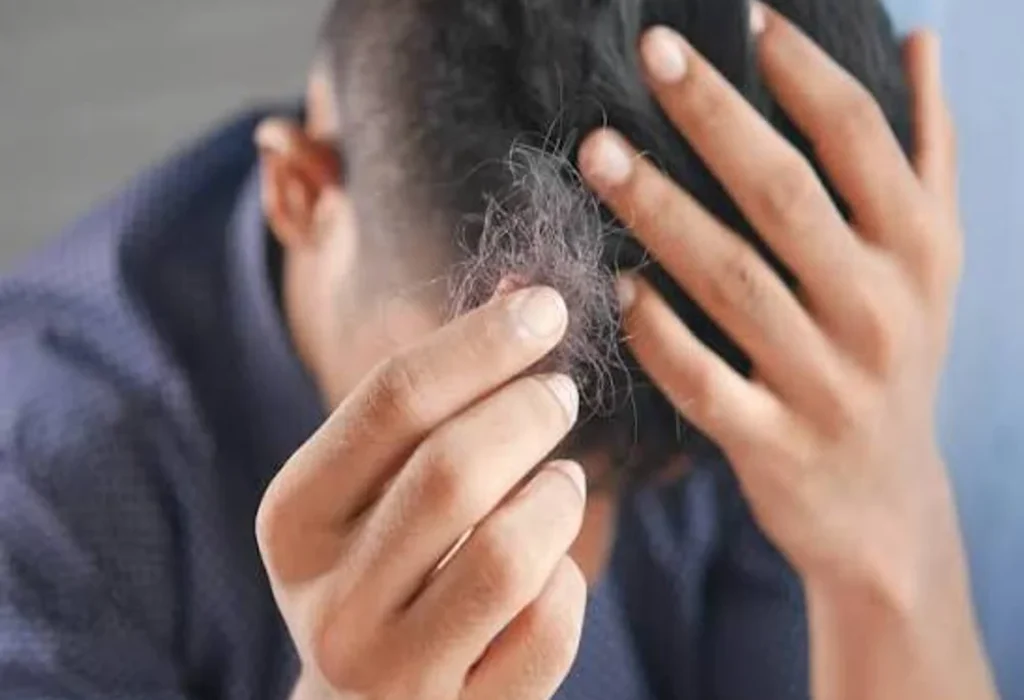
Transplanted hair often falls out within the first two months, and this event has a name: shock hair loss. During a hair transplant procedure, the surgeon moves hair follicles from the donor area to the thinning or balding region. The move briefly interrupts each follicle’s blood supply, so the follicle pushes out its existing hair shaft and enters a resting state.
Techniques such as follicular unit extraction (FUE) remove individual follicles from the donor site, and the follicles need time to settle once placed. Shock hair loss can also affect some native hairs near the transplanted area, which can briefly make thinning look worse before it improves. The hairs that fall out are not lost for good. The transplanted follicles remain in place and restart the hair growth cycle over the following months.
The Shedding and Regrowth Timeline Explained
Weeks 2 to 8: Early Shedding Begins
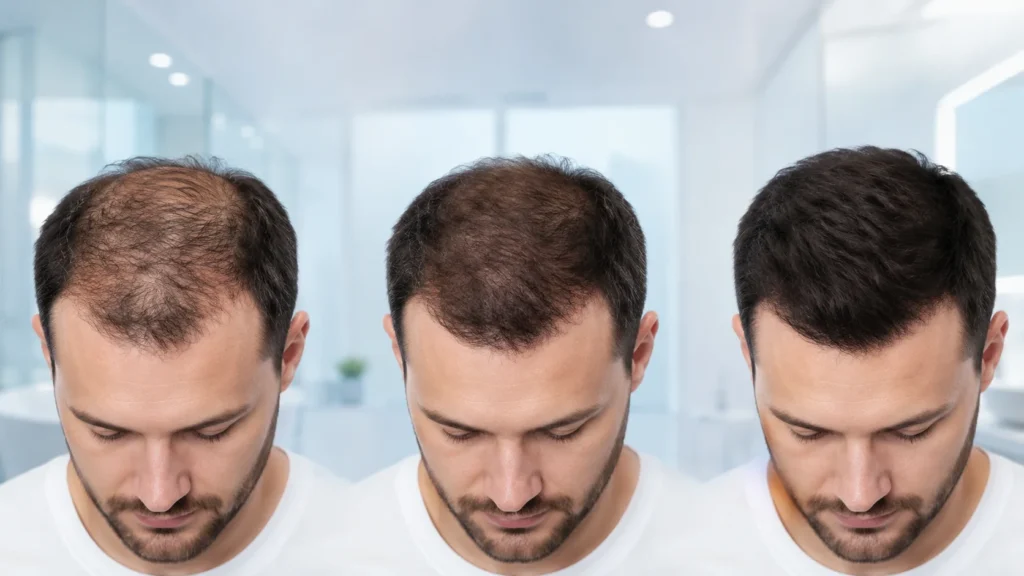
Most hair transplant shedding starts between two and eight weeks after surgery. Hair falling out after a transplant is most common in this window, and you may notice short hairs on your pillow or in the shower. The donor site and the transplanted area both heal during this time as scabs clear and the scalp settles. Seeing hair fall at this stage usually means the follicles are resetting, not failing.
Months 3 to 15: Regrowth and Final Density
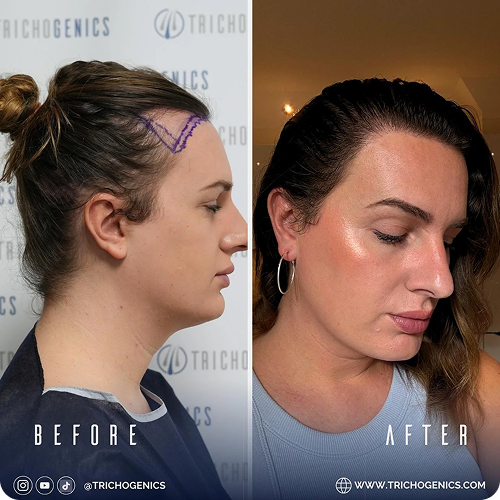
New hair growth typically begins around months three to four. The first hairs often look thin and fine at 5 months after a hair transplant, then thicken over the following months. By months six to nine, growth becomes more visible, and most people see close to final density between twelve and fifteen months. Hair restoration results take time, so patience through this period matters.
Normal Shedding vs Graft Failure: Warning Signs
Normal shedding is gradual, painless, and shows no signs of infection. Graft failure is far less common, and the most reliable way to tell the two apart is time. Warning signs that deserve attention include pain, swelling, discharge, spreading redness, fever, or no new growth by months five to six. If you notice these signs, contact your hair transplant surgeon rather than waiting.
How to Tell Native Hair From Transplanted Hair
Hair thinning after hair transplant can involve native hair, transplanted hair, or both. The two behave differently, and the pattern of loss usually points to the cause. The table below shows the main differences. Your surgeon can confirm the diagnosis with a scalp exam.
If thin hairs keep falling out after month six, native hair loss is the likelier cause. Thick hairs falling out late, or bald patches inside the transplanted area, need a medical review. Early shedding in both types can overlap, so photos taken every few weeks help your surgeon compare.
Is It Normal to Lose Hair Years After a Transplant
Some hair loss after a hair transplant years later is possible, but it usually comes from untreated native hair rather than the grafts. Transplanted follicles are taken from areas resistant to the hormone that drives pattern baldness, so they tend to stay stable. The native hair around them, however, can continue to thin with age.
3 to 5 Years Later
Losing hair three to five years after surgery is often a sign that native hair is thinning, not that the transplanted hair is failing. A planned medical therapy, such as finasteride or minoxidil, can help protect the surrounding native hair. Regular follow-up lets the surgeon track changes and adjust the plan.
Does Transplanted Hair Fall Out Permanently
Transplanted hair rarely falls out permanently when the procedure is performed correctly. The transplanted follicles keep their resistance to balding, so they usually continue to grow for many years. What changes over a decade is often the native hair, which is why long-term planning is part of good care.
What to Do if Transplanted Hair Keeps Falling Out
Ongoing transplanted hair falling out after the normal shedding phase deserves a closer look. The cause may be continued native hair loss, a health condition, a medication, or, less often, a problem with graft survival. A structured evaluation helps identify the reason and the right next step.
Other Causes of Late Hair Loss
Not every case of hair fall after healing comes from the grafts or pattern baldness. Several health and lifestyle factors can trigger shedding in native and transplanted hair. A doctor can check for these before blaming the hair transplant procedure. Common causes include:
- Thyroid disorders: An overactive or underactive thyroid can thin hair across the scalp.
- Medications: Some blood thinners, blood pressure drugs, and cancer treatments can cause shedding.
- Alopecia areata: This autoimmune condition causes patchy hair loss, including in transplanted areas.
- Telogen effluvium: Stress, illness, surgery, or fast weight loss can push many hairs into the shedding phase at once.
- Nutrient gaps: Low iron, vitamin D, or protein intake can weaken hair growth.
- Styling damage: Tight hairstyles, heat, chemicals, and extensions can break hair shafts and mimic hair loss.
Most of these causes are treatable once identified. Blood tests and a scalp exam usually narrow down the reason. Talk to your doctor before starting any new supplement or medication.
When to Contact Your Surgeon
Contact your hair transplant surgeon if you see heavy hair fall well past the expected shedding phase, no regrowth by month six, or any signs of infection. Return first to the clinic that performed your hair transplant surgery, since they hold your records. A physician can examine the scalp and order tests if needed.
Treatment Options for Ongoing Shedding
Treatment depends on the diagnosis. Hair loss treatments often discussed in hair restoration include minoxidil, finasteride, platelet-rich plasma, low-level laser therapy, and, in some cases, a follow-up transplant. A hair transplant surgeon can explain which options suit your situation and whether you are a candidate.
Hair Transplant or Going Bald: Which Is Better
Choosing between a hair transplant and accepting hair loss is personal, and both are valid choices. A transplant can restore a fuller hairline, while going bald avoids surgery and cost.
Candidacy depends on your donor hair supply, age, pattern of loss, and general health. A surgeon can tell you whether your donor area can cover the thinning area, and what results are realistic for you. Outcomes vary from patient to patient, and no surgeon can promise a specific result, so it helps to read about how successful hair transplants are in general.
How to Choose a Hair Transplant Surgeon
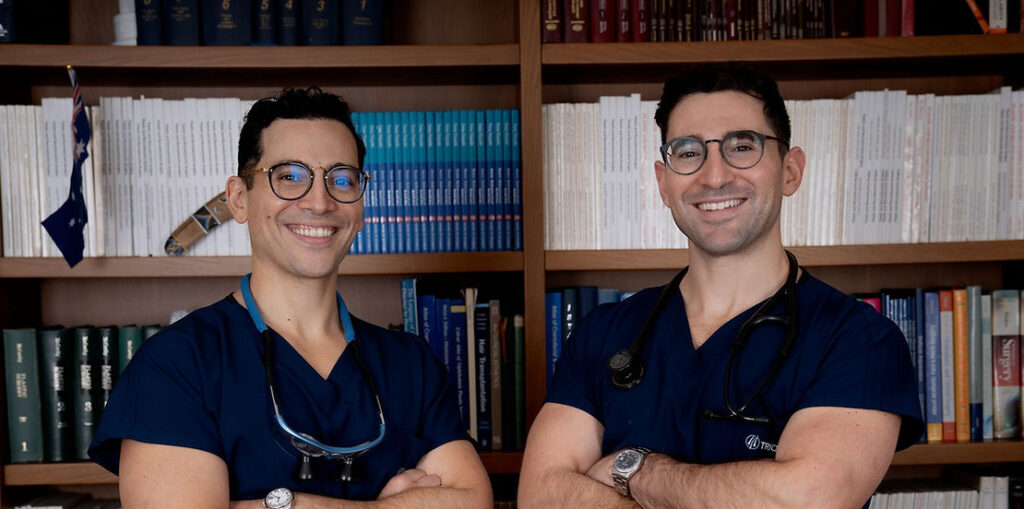
Who performs your hair transplant surgery affects follicle survival and recovery. Ask whether a licensed physician carries out the key steps, including incisions and implantation, or whether technicians do. Ask about the surgeon’s training and certification in hair restoration. A good surgeon explains follicular unit extraction (FUE), DHI, and Choi pen implantation, and says which suits your hair and goals.
Ask what follow-up care is included. A structured plan, with check-ups and photos over the first year, helps the surgeon catch problems early. Oversight of hair transplant clinics varies by country, so check credentials and licensing wherever you choose treatment. Trichogenics operates in Greece and Israel, and physicians perform its procedures.
Aftercare Tips to Protect Your Results
Good aftercare protects the donor site and the transplanted area while the follicles settle. Follow your clinic’s cleaning instructions, avoid scratching or picking the scalp, protect the area from the sun, and eat a balanced diet. These simple steps lower the risk of complications during the shedding phase.
Structured patient follow-up lets the surgeon monitor healing and catch problems early. Dr. Asi Peretz and his team treat consistent follow-up visits as part of responsible surgical care. Taking progress photos every few weeks also helps you and your surgeon track regrowth over the full hair growth cycle.
Hair Transplant Shedding FAQs
Does Shedding Mean the Transplant Failed
No. Shedding in the first 2 to 8 weeks is normal. The follicles stay alive and regrow hair from month 3 to 4. Failure is rare and shows as no growth by months 5 to 6, or signs of infection.
How Long Does the Shedding Phase Last
Most shedding runs from week 2 to about month 3. Regrowth then begins. Full results take 12 to 15 months.
Will Shock Hair Loss Affect My Native Hair
It can. Some native hairs near the transplanted area may shed for a while. Most regrow, but native hair hit by pattern baldness may need medical therapy.
Can I Prevent Hair Falling Out After a Transplant
Early shedding is part of the hair growth cycle, and aftercare cannot fully stop it. You can protect the grafts by following aftercare rules, avoiding scratching, and keeping follow-up visits. Medical therapy for native hair lowers the risk of later thinning.