
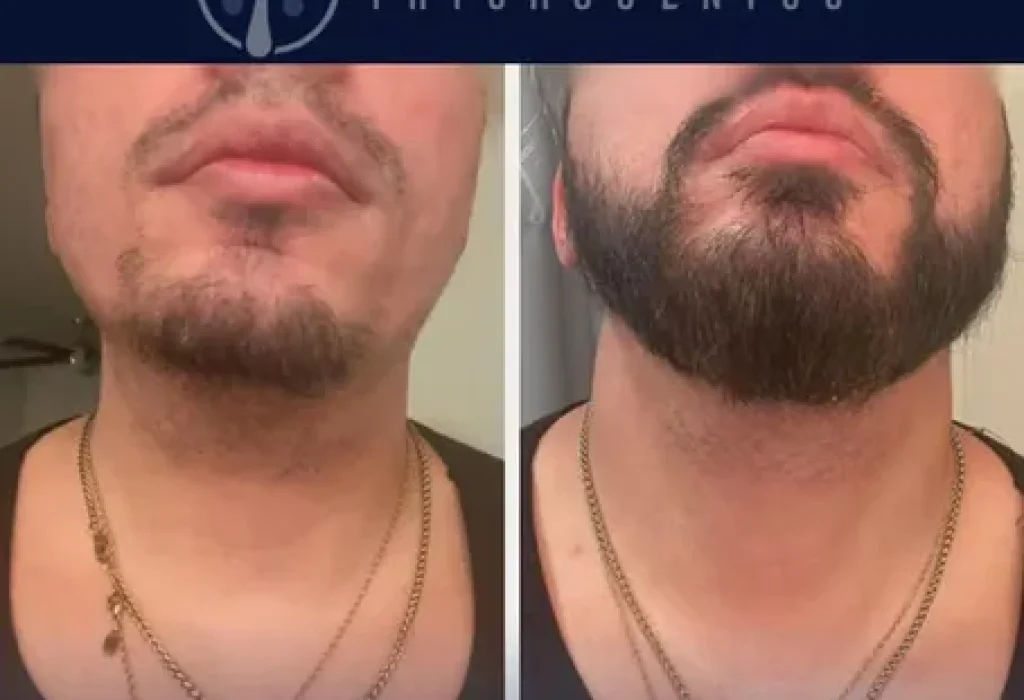
A beard transplant fixes that. It’s a surgical procedure that moves hair follicles from a donor area (usually the back of your scalp) to your face. The transplanted hair grows permanently, blends with your existing beard, and can be groomed and styled like any natural facial hair.
If you’ve been researching this procedure, you’ve probably come across everything from beard transplant costs in Turkey to the differences between FUE and DHI. This guide covers the full picture: how facial hair transplant surgery actually works, what determines your results, and how to pick the right clinic.
Key Takeaways
- A beard transplant moves hair follicles from your scalp to your face and produces permanent results that grow naturally for life. Unlike temporary solutions, transplanted hair cycles through natural growth phases and can be groomed and styled like natural facial hair.
- Beard transplant costs range from $1,500–$4,000 in Turkey to €4,000–€15,000 in Greece and Israel, with differences driven by the number of grafts needed, technique used, surgeon credentials, and aftercare support. Lower-cost clinics often prioritize volume over doctor involvement, while higher-cost clinics typically involve the surgeon at every step.
- The surgeon and clinic matter more than the country; prioritize doctor-led procedures from start to finish, techniques like FUE and DHI over the older FUT method, and clinics with strong follow-up care. High-volume operations with technician-heavy approaches deliver different results than clinics with fewer patients per day.
- Full results appear between 9-12 months, with initial hair growth visible around months 3-4 and continued density improvement through month 9. Graft survival rates exceed 90% when performed by a skilled, board-certified surgeon.
- You’re a good candidate if you have patchy or thin facial hair, stable hair loss, enough donor hair on your scalp, and realistic expectations about the outcome. Most surgeons recommend waiting until at least age 25 because facial hair growth patterns can still shift in your early twenties.
What Is a Beard Transplant and How Does It Work?
A beard transplant is a type of facial hair transplant surgery. A surgeon extracts individual hair follicles from a donor area and implants them into the beard, mustache, sideburns, or jawline. Similar precision is required during an eyebrow transplant, where graft angle and direction help create natural-looking growth.
The transplanted follicles keep the characteristics of the donor hair. They continue growing in their new location, cycling through natural growth phases just like the rest of your beard.
Two techniques dominate the field:
FUE (Follicular Unit Extraction): The surgeon removes individual follicles from the donor area one by one, then creates recipient sites on the face before placing each graft. FUE works well for larger areas that need broader coverage and a higher number of grafts. No linear scar. Minimal downtime.
DHI (Direct Hair Implantation): The surgeon uses a Choi pen to extract and implant follicles in one motion, without pre-making recipient sites. This gives more control over the angle, depth, and direction of each graft. DHI is ideal for smaller, detail-oriented areas like the beard line or mustache where precision matters most.
Both methods are considered the gold standard in hair restoration. FUT (the strip method) is an older technique that removes a strip of skin from the back of the head and leaves a linear scar. Clinics still focused on quality don’t use it for beard work.
Who Is a Good Candidate?
Not everyone needs the same number of grafts or the same approach. A good candidate typically has:
- Patchy or uneven beard growth they want to fill in
- Thin facial hair caused by genetics
- Scarring on the face (from injury, acne, or surgery) that prevents hair from growing
- Enough healthy donor hair on the back of the scalp
Age matters too. Most surgeons recommend waiting until at least 25, because facial hair growth patterns can still shift in your early twenties. Jumping in too early may mean you need a second procedure later.
A consultation helps sort this out. A doctor reviews your donor area, talks through realistic expectations, and maps a graft plan designed around your face shape.
What Happens During the Procedure
The entire process takes a few hours, depending on how many grafts you need. Here’s the general flow:
- Consultation and planning. Your surgeon evaluates your facial structure, discusses what you want, and determines the best technique (FUE or DHI) based on the size of the treatment area and the number of grafts required.
- Donor area preparation. The back of the scalp is prepped. Local anesthesia is applied, so you’re awake but feel no pain.
- Extraction. Hair follicles are removed one at a time from the donor area. Each graft is handled carefully to protect the follicle.
- Implantation. The surgeon places each graft into the recipient area on the face, controlling the angle and direction so the hair grows naturally and blends with existing facial hair. With DHI, the Choi pen handles both the site creation and graft placement in one step.
- Post-procedure instructions. You’ll get specific aftercare guidelines before you leave the clinic.
Most patients return to normal activity within a few days.
Recovery and Hair Growth Timeline
Recovery from a beard transplant is straightforward and follows a similar pattern to a general hair transplant recovery timeline. Expect some mild redness and swelling in the first week. These go away on their own.
Here’s what the growth timeline typically looks like:
- Weeks 2-4: The transplanted hair sheds. This is normal and expected. The follicles are settling in.
- Months 3-4: New facial hair growth starts to appear.
- Months 6-9: Density continues building as more follicles become active.
- Months 9-12: Full results are visible. Hair grows in natural cycles and can be styled, trimmed, and groomed however you want.
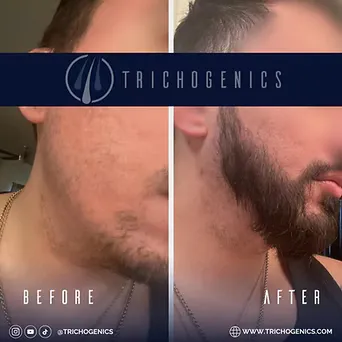
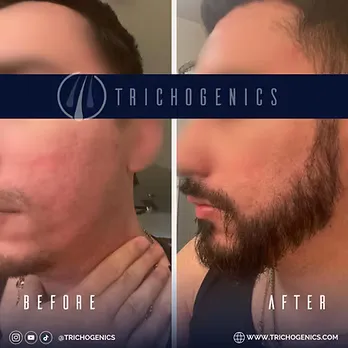
The results are permanent. Once the transplanted follicles take root, they keep growing for the rest of your life. Good aftercare during the first few weeks sets the foundation for strong graft survival.
Beard Transplant Costs: Turkey vs. Greece and Israel
Like any hair transplant cost decision, price is one of the first things most people research. And it’s where the conversation about a beard transplant in Turkey usually starts.
Turkey is the most affordable option. Clinics in Istanbul charge between $1,500 and $4,000 for a beard transplant, depending on the number of grafts and the technique. That price point attracts thousands of patients every year.
But lower cost comes with trade-offs. Many Turkish clinics run high-volume operations, treating dozens of patients per day. In some cases, technicians handle the graft placement rather than the surgeon. Regulatory standards vary from clinic to clinic. For some patients, that’s an acceptable trade-off. For others, it’s not.
Greece and Israel sit at a different level. Beard transplant costs in these countries range from €4,000 to €15,000 ($5,000 to $18,000 USD), depending on the complexity of the case and the number of grafts needed. The price reflects a different model: fewer patients per day, doctor-led procedures from start to finish, and closer follow-up after surgery.
What Drives the Price Difference?
- Number of grafts: A small patch fill needs far fewer grafts than a full beard construction. More grafts = higher cost.
- Technique: DHI using the Choi pen requires more precision and time than standard FUE, which can affect pricing.
- Surgeon credentials: Board-certified doctors with specialized training in hair restoration charge more than general practitioners or technician-heavy clinics.
- Follow-up care: Some clinics include post-procedure monitoring and support. Others don’t.
Why the Clinic You Choose Matters More Than the Country
It’s tempting to shop by price alone. But a beard transplant is a procedure you live with for the rest of your life. The quality of graft placement, the angle of each follicle, and the design of the beard line all determine whether the result looks natural or “off.”
Here’s what separates a good clinic from a great one:
Doctor involvement. In the best clinics, a surgeon leads every step of the procedure. They don’t supervise from another room while a technician does the actual work. They extract, place, and check every graft themselves.
Technique and tools. Clinics using DHI with the Choi pen can control the angle, depth, and direction of each implanted follicle with a level of precision that other methods don’t match. Combined with FUE extraction, this approach gives the most natural results with the least visible scarring.
Aftercare. Your results don’t end when you leave the operating room. Clinics with strong follow-up protocols catch potential issues early and help you get the best possible outcome from your grafts.
Why Trichogenics
Trichogenics offers care from trained physicians in the United States, where treatment is more controlled. Here, doctors guide planning, graft selection, and placement to protect long-term hair growth.
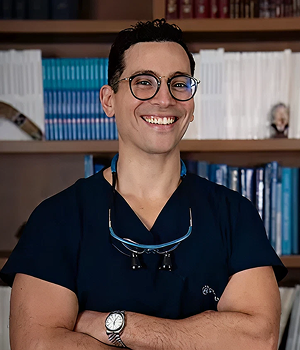
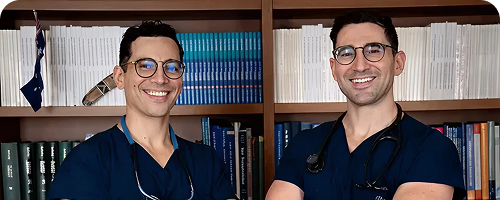
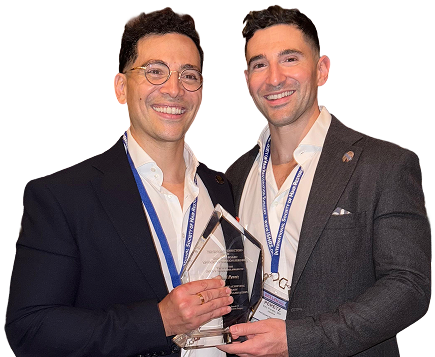
Care is led by Dr. Asi I. Peretz and Dr. Eric Peretz, both ABHRS Diplomates and Fellows of the World FUE Institute, a small group of hair restoration surgeons worldwide.
With clinics in Greece and Israel, Trichogenics takes a different approach than the high-volume model you’ll find at most overseas clinics:
- American board-certified doctors lead every procedure. Not technicians. Not assistants.
- Only FUE and DHI. These are the gold standard in hair restoration. Trichogenics doesn’t perform FUT (the strip method).
- Choi pen implantation for precise control over graft angle and direction.
- Fewer patients per day, which means more time and attention on each case.
- Best-in-class follow-up after your procedure, so you’re not on your own during recovery.
Greece also happens to be a great place to recover. The environment is calm, the pace is slower, and you can rest while your grafts settle in.
Risks and Side Effects
Beard transplant surgery is safe when performed by trained, experienced doctors. That said, every surgical procedure carries some risk. The most common side effects include:
- Mild swelling and redness around the recipient area (resolves within a week)
- Temporary scabbing where grafts were placed
- Minor discomfort at the donor site
Serious complications are rare when you’re working with a qualified surgeon in a properly regulated clinic. This is one of the reasons the clinic’s credentials and safety standards matter so much.
Limitations to Keep in Mind
A beard transplant can do a lot, but it has limits. The biggest constraint is your donor hair supply. If you don’t have enough healthy follicles on the back of your scalp, full coverage may not be possible in a single session.
Results also vary based on how your body heals and how well the follicles adapt to the recipient area. Some patients need a second procedure to add density or refine the shape.
A consultation helps you understand exactly what’s realistic for your specific case before you commit.
Beard Transplant FAQs
Is a beard transplant permanent?
Yes. Once the transplanted follicles settle in, they grow permanently. The hair keeps the traits of the donor area and continues growing through natural cycles.
Does it hurt?
The procedure uses local anesthesia, so there’s little to no pain during surgery. Some mild discomfort is normal in the days after, but it fades quickly.
How long until I see full results?
Initial growth appears around months 3-4. Full density typically shows by 9-12 months.
Can I shave and style my beard after a transplant?
Absolutely. Once healed, the transplanted hair behaves like natural facial hair. Trim it, shape it, grow it out. Your call.
Can beard hair be used as a donor for scalp transplants?
In some cases, yes. Patients with male pattern baldness who have limited scalp donor hair can sometimes use beard hair for scalp restoration.
What’s the success rate?
With a skilled surgeon, graft survival rates exceed 90%. The combination of technique, aftercare, and patient compliance determines the final outcome.
How do I prepare?
Avoid smoking and alcohol in the weeks leading up to your procedure. Follow any dietary or medication guidelines your surgeon provides. Make sure your donor area is healthy and ready for extraction.