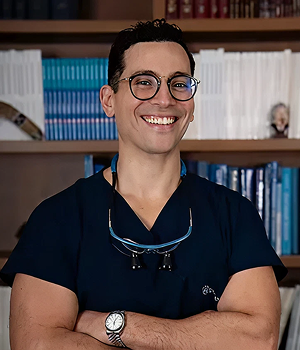


Dr. Asi Peretz and Dr. Eric Peretz, the founders of Trichogenics, perform each procedure themselves and guide patients through this recovery window.
Key Takeaways
- Most surgeons ask you to avoid alcohol for at least one to two weeks after surgery, and the exact window depends on how your scalp heals and which medications you take.
- Alcohol can slow wound and graft healing, thin the blood, and increase swelling and dehydration, which is why the early days matter most.
- Mixing alcohol with painkillers or antibiotics can intensify drowsiness and nausea and reduce how well the medicine works, so finish your prescriptions first.
- Avoid alcohol for several days before surgery as well, since it can raise bleeding risk during the procedure.
- Confirm your drinking timeline with your surgeon, and report any unusual swelling, spreading redness, or bleeding right away.
When Can I Drink Alcohol after Hair Transplant

The common question “when can I drink alcohol after a hair transplant” has a simple answer: wait at least 7 to 14 days. During the first few days after surgery, your grafts are fragile and depend on a stable blood supply to anchor.
Most clinics advise that you avoid alcohol for the first week, then drink only in moderation once your surgeon confirms your healing is on track. If you take prescribed medication, you may need to wait longer before any alcohol consumption.
Trichogenics operates in both Greece and Israel, where doctor-led care includes structured follow-up during this recovery window. Your surgeon reviews your progress and tells you when alcoholic beverages are safe again. This guidance is part of standard post op care and helps protect your hair graft survival.
Factors That Change Your Waiting Time
Your recovery sets your date, not a fixed number. Your surgeon looks at how your scalp is healing, which medications you take, and how much you usually drink. A larger session or a slower recovery can extend the wait. Ask for a date that fits your case.
- Scalp healing: Scabs, redness, and swelling should settle first.
- Medication: Finish antibiotics and painkillers before any drink.
- Procedure size: Larger sessions may need a longer wait.
- Health conditions: Liver issues or medicines that affect bleeding can extend it.
Example Recovery Timeline
This timeline shows how a typical recovery may look, and our guide to hair transplant phases covers shedding and regrowth in the months that follow.
- Days 1 to 3: No alcohol. Your grafts are settling, and swelling is at its peak.
- Days 4 to 7: No alcohol. Scabs form, and your scalp starts to calm down.
- Days 8 to 14: Ask your surgeon. Some patients get approval for one drink if healing looks normal and medication is finished.
- After day 14: Moderate drinking is usually fine with your surgeon’s approval.
Avoiding Alcohol before Your Procedure
You should also avoid alcohol before your procedure, not only after it. Surgeons typically ask you to stop drinking alcoholic beverages for several days before a hair transplant procedure. Alcohol can thin the blood and raise your blood pressure, which may cause excessive bleeding during surgery.
Stopping early supports a smoother fue hair transplant surgery and a cleaner start to your recovery.
Why Alcohol Is Bad for Hair Transplants
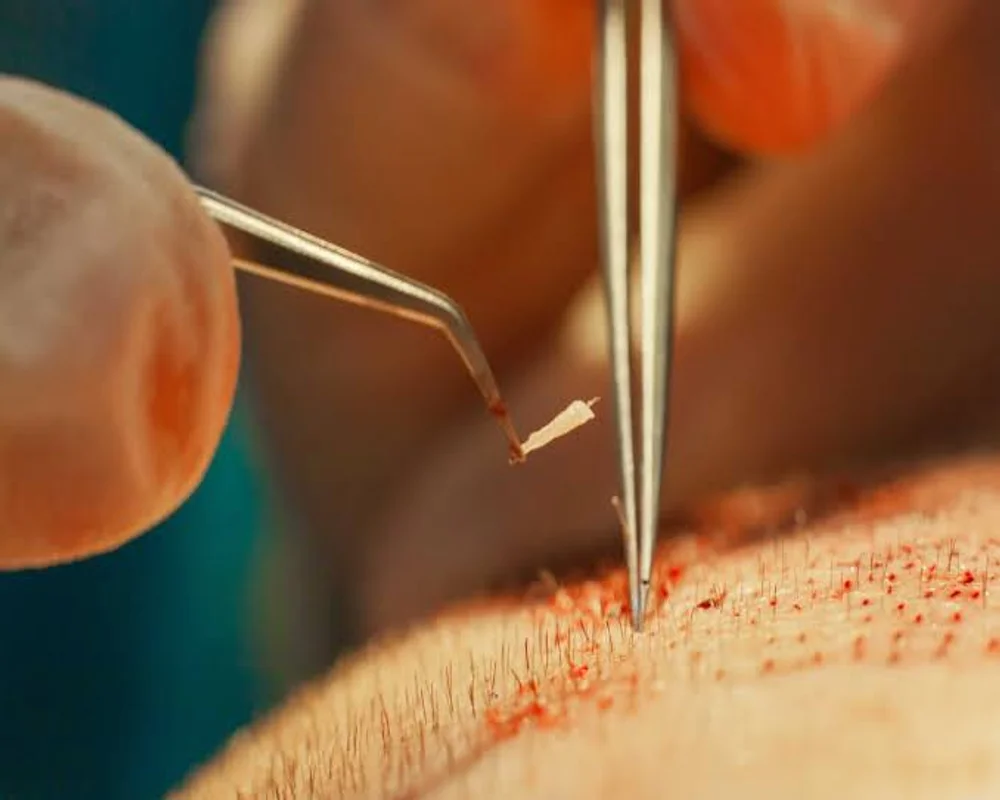
Alcohol and hair transplant recovery do not mix well, especially in the first two weeks. The effects of alcohol on hair transplant healing come from changes in wound repair, blood flow, hydration, and immune response. The way alcohol affects each of these explains the waiting period. Each risk below touches on how well your individual follicular units settle and grow.
Slower Wound and Graft Healing
Each graft site is a small wound, and alcohol slows how wounds heal. In mice, a single dose of ethanol significantly impaired new blood vessel growth in wounds, and those vessels carry oxygen to your grafts. ,Most of this evidence comes from wound-healing studies, not hair transplant trials, so surgeons combine it with clinical experience when they set timing.
Increased Bleeding and Clotting Risk
Alcohol affects how your blood clots. When you drink, it can thin the blood and slow normal clotting, which may increase the risk of excessive bleeding around fresh grafts. Bleeding can loosen a hair graft before it anchors into the scalp. Avoiding alcohol in the early days after surgery supports clotting and helps protect your grafts.
Swelling and Dehydration
Alcohol widens your blood vessels and can worsen swelling in the scalp and forehead. It also works as a diuretic, which pulls water from your body and leaves you dehydrated. Dehydration reduces blood flow and nutrient delivery to the scalp, and that slows the healing process.
Drinking water instead helps your grafts get the oxygen and nutrients they need.
Weaker Immune Response
Alcohol also weakens your defense against infection. NIAAA reports that people who drink to excess have more complications after surgery and often take longer to recover from illness.
Fresh graft sites need protection from infection, and much of this research covers heavy drinking, so your surgeon’s clearance matters more than any single number of days.
Interactions with Painkillers and Antibiotics
After surgery, your surgeon may prescribe painkillers and antibiotics. NIAAA warns that mixing alcohol with certain medications can cause nausea, vomiting, headaches, and drowsiness, and can make a medication less effective. Mixing alcohol consumption with these drugs can also irritate your stomach. For this reason, you should avoid drinking alcoholic beverages until you finish your medication.
Alcohol and Hair Transplant Recovery Warning Signs
Even with careful timing, you should watch your scalp during hair transplant recovery. Contact your surgeon if you notice unusual swelling, spreading redness, or bleeding that does not stop. These signs can point to a problem that needs attention. Structured follow-up is one reason doctor-led care matters during this period.
Aftercare also depends on where you have surgery. Oversight for hair transplant clinics differs by country, and patients who travel abroad, including to Turkey, can find that follow-up ends once they fly home.
Before you book anywhere, confirm who performs each step, what training and certification that person holds, and how the clinic answers questions during recovery, since hair transplant costs often reflect surgeon involvement and clinic standards. Trichogenics operates in Greece and Israel, where doctors perform the procedures and follow-up is part of the recovery plan.
Tips for Drinking Alcohol after Hair Transplant
Once your surgeon clears you, a few simple habits make drinking alcohol after fue hair transplant safer. Among hair loss treatments, surgical restoration needs the most careful aftercare, so moderation plays a real part in reducing the risk of setbacks. Use the list below as a starting point.
- Wait for approval: Confirm with your surgeon before your first drink.
- Start small: Have one drink and stay well within your limits.
- Stay hydrated: Drink water alongside any alcohol to offset dehydration.
- Finish medication first: Avoid alcohol until antibiotics and painkillers are done.
- Watch your scalp: Stop if you notice swelling or irritation.
Modern hair restoration techniques like DHI and FUE depend on careful aftercare. Methods such as Choi pen implantation place individual follicular units with precision, and good recovery habits help those grafts thrive. Your surgeon can explain how the technique used in your case affects your recovery.
Frequently Asked Questions
What Is the 20 Minute Rule for Alcohol
The 20-minute rule is a general drinking guideline, not a hair transplant rule. It suggests waiting about 20 minutes between drinks, since alcohol takes time to affect your body. Spacing drinks this way helps you drink more slowly and avoid overdoing it. After a transplant, slow and moderate alcohol consumption is always safer than drinking quickly.
Does the Type of Drink Matter
No. Beer, wine, spirits, hard seltzers, and mixed drinks all contain ethanol, so all of them count. A lighter drink still carries alcohol, and a bigger pour just adds more. If a label lists an alcohol percentage, treat that drink as off limits until your surgeon clears you.
Can I Drink Non-Alcoholic Beer during Recovery
Many non-alcoholic beers still contain trace alcohol, usually under 0.5 percent. That is a very small amount, but some surgeons prefer you skip them in the first days to keep the rules simple. Ask your surgeon before you try one. Water, herbal tea, and diluted juice work as easy alternatives.
What Happens after an Accidental Drink
One drink does not automatically undo your results, but it is worth reporting. Tell your surgeon at your next check-in so they can factor it into your follow-up. Drink water and rest for the day. If anything feels off, call the clinic and describe what you notice.
Does Alcohol Cause Hair Loss
Moderate drinking is not a proven cause of pattern hair loss, which comes mostly from genetics and hormones. Heavy, long-term drinking can lower nutrients such as zinc, iron, and B vitamins, and low levels of these can affect hair health.
Research on this link is limited, so treat alcohol as a possible contributor and not a confirmed cause, as explained in our guide on whether alcohol causes hair loss. Your surgeon can review your overall habits during a consultation.
Does Smoking Affect Recovery Too
Yes. Smoking narrows blood vessels and cuts oxygen delivery to the scalp, which your grafts rely on while they settle. Many surgeons ask patients to stop before surgery and stay off cigarettes as long as possible afterward. Nicotine patches and vapes still deliver nicotine, so ask your surgeon about those too.