
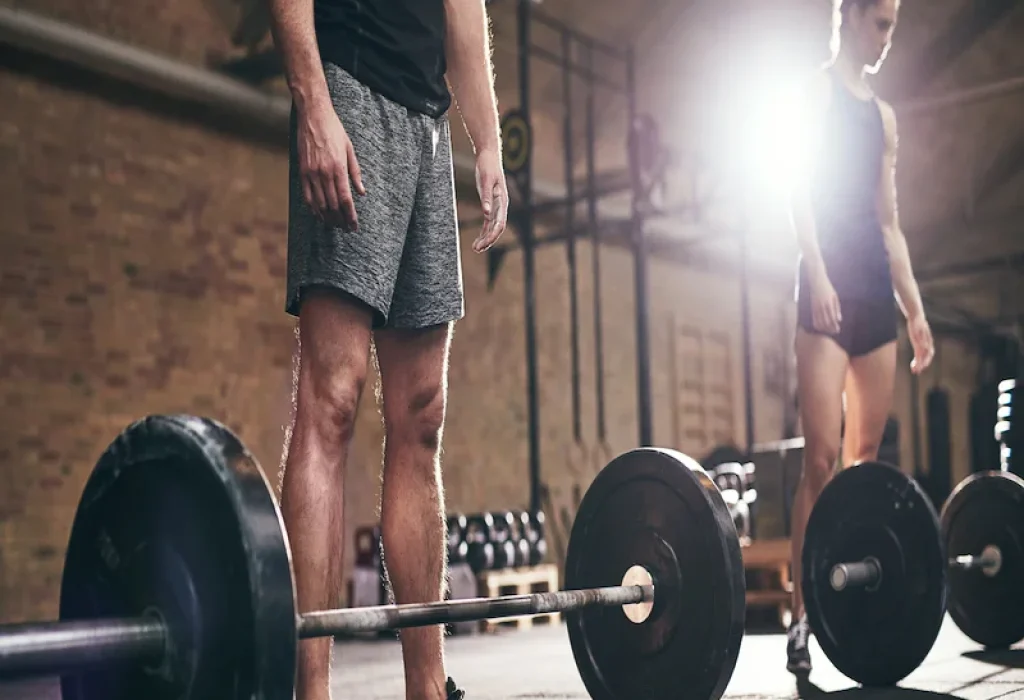
During the first week, keep your heart rate close to resting levels, since even moderate elevation increases pressure in the delicate scalp vasculature. After 14 days, most grafts tolerate supervised light activity, although vigorous training stays restricted. Advance only when the scalp feels comfortable, not strictly by the calendar, and read our guide to 1 month post hair transplant results and care to see what normal healing looks like at the first checkpoint.
Why No Exercise after Hair Transplant
Early exercise threatens graft survival in three ways. A raised heart rate and raised blood pressure increase scalp blood flow, and the American Society of Plastic Surgeons warns this may cause bleeding that displaces unanchored follicles. Sweat introduces bacteria to a healing wound, which increases the risk of irritation and infection. Friction from headwear, equipment, or training partners can pull out transplanted hair before it settles.
For roughly ten to fourteen days of the recovery period, implanted follicles sit in tiny channels that remain structurally immature. Interrupting this healing process may reduce the proportion of grafts that survive. These post-hair transplant restrictions are a short-term precaution that protects the entire hair transplant procedure.
Exercise Guide by Activity
Each activity stresses the scalp differently, so the guidance below addresses them individually. Intensity, duration, and the chance of head contact determine when each becomes appropriate. Confirm every recommendation with your treating physician.
Running after Hair Transplant
Light jogging can resume around 14 days after surgery, provided distances stay short and the pace stays easy. Running raises heart rate and causes sweating, so build up gradually over about three weeks. Blot perspiration with a clean tissue instead of rubbing the hairline.
Gym after Hair Transplant
Returning to the gym after a hair transplant works best in phases, starting with low-resistance equipment around week two. Stationary cycling, easy treadmill walking, and light machines avoid head-down positions. Free weights and overhead presses wait for your surgeon’s approval. Wipe shared equipment before and after use to limit infection risk.
Heavy Exercise after Hair Transplant
Heavy exercise after hair transplant, including maximal lifting and high-intensity interval training, generally waits until weeks four to six. These activities cause abrupt spikes in blood pressure and scalp tension that can disturb partially established grafts. Resume them only after your surgeon confirms the area has stabilized.
Swimming, Yoga, and Contact Sports
Swimming waits about four weeks, until every scab has detached, because pool chemicals and bacteria irritate the healing scalp. Gentle yoga may begin near day seven, but avoid poses that lower the head below the heart until week three. Contact sports such as rugby, football, and boxing wait four to six weeks, since one blow to the head can dislodge transplanted hair.
FUE and FUT Recovery Differences
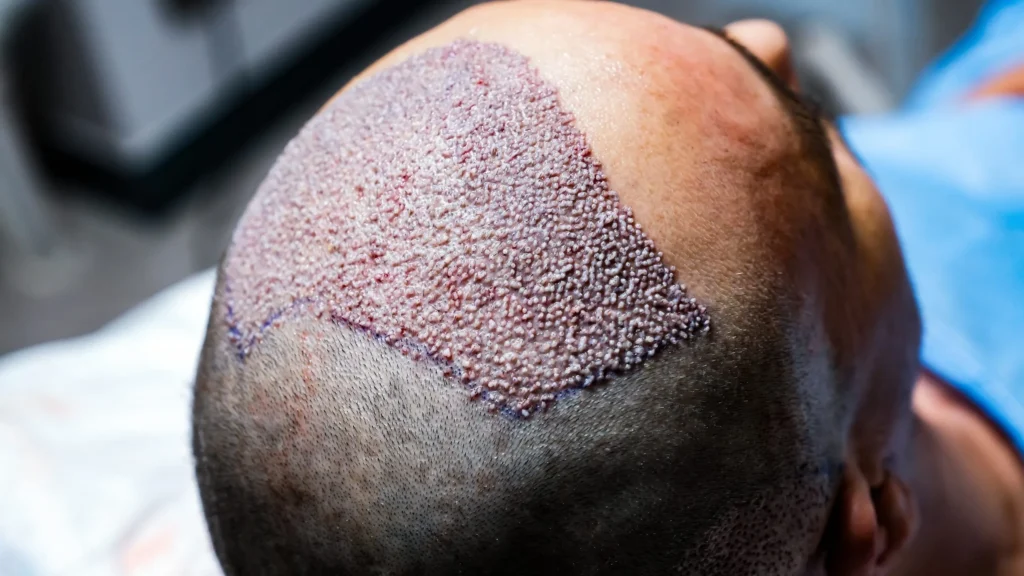
The extraction technique influences healing speed; FUT and FUE are the two donor harvesting methods. FUE removes individual follicular units and is an established harvesting method in modern hair restoration, which usually shortens recovery compared with strip harvesting. Implanter tools, such as the Choi pen, place grafts directly into the recipient site, and the ISHRS clarifies that DHI describes this implantation approach rather than a separate transplant method. No technique suits every patient, since suitability depends on hair characteristics, donor supply, and treatment area.
FUT removes a strip of scalp, and strip harvesting leaves a linear scar, so patients should avoid stretching the neck and shoulders for three to six months. In every technique, the donor areas need their own healing time. Restrictions therefore apply to the harvest site as well as the recipient region.
Safe Workout Tips and Warning Signs
Several habits protect the grafts as physical activity resumes:
- Stay hydrated and avoid alcohol early in recovery.
- Keep early walks cool and indoors to limit sweating.
- Avoid hats and tight headwear for at least 10 days.
- Skip saunas, steam rooms, and direct sun for two weeks.
- Wash towels and headbands regularly.
Stop and call your clinic if you notice:
- Bleeding or fluid at the graft sites
- A visibly dislodged graft
- Worsening pain, swelling, or redness
- Fever
Staying Motivated during Downtime
Pausing a training routine is frustrating, especially when fitness shapes your mood and daily structure. This pause is temporary, and it protects a result that develops over 10 to 18 months. Daily walking, allowed from day one, supports your mood and circulation while your hair moves through the hair transplant phases of shedding and regrowth. Because hair loss can continue after surgery, the AAD notes that a dermatologist may also recommend medication to protect your results, and our guide to hair transplant alternatives compares options such as minoxidil and finasteride.
Doctor-Led Aftercare at Trichogenics
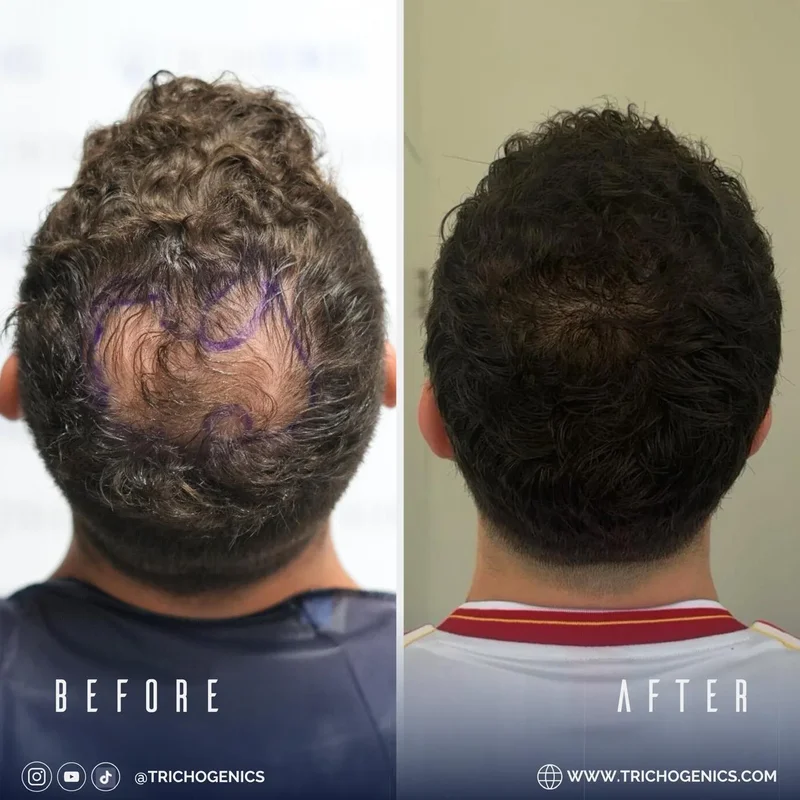
Structured follow-up is an essential part of surgical care, because it allows early detection of complications and timely changes to activity guidelines. Trichogenics operates in Greece and Israel, and every procedure is doctor-led, performed by physicians with formal training and certification.
Dr. Asi Peretz, a physician specializing in hair restoration, helps guide hair transplant aftercare, including when patients may resume exercise. Scheduled check-ups give the medical team a chance to review healing and answer questions as recovery progresses.
Where surgery takes place also affects recovery. Patients considering treatment abroad, particularly in Turkey, should confirm who performs each step of the procedure, since regulatory oversight and physician involvement vary between clinics and countries.
Ask whether a licensed physician is responsible for your treatment and what follow-up care is included. A regulated, doctor-performed clinic in Israel or Greece keeps a physician accountable for the whole recovery, not only the day of surgery.
Exercise and Hair Transplant FAQs
Can I walk after a hair transplant?
Yes. Gentle walking is safe from day one and counts as light activity.
When can I lift weights after hair transplant surgery?
Light weights return around week three, while heavy lifting waits until weeks four to six.
Can I sweat after a hair transplant?
Avoid heavy sweating for about two weeks, since perspiration can irritate grafts and raise infection risk.
When can I swim post hair transplant?
Swimming is usually allowed after about four weeks, once all scabs have detached.
Does exercise and hair transplant recovery differ by technique?
Yes. FUE generally heals faster than FUT, which needs extra precautions for several months.