
You’ll learn how to match your situation to the right treatment path based on cause, stage, and realistic goals.
Key Takeaways
- Hair loss treatment depends on the type and stage of loss, but the most effective approach usually combines medication, procedures, or both rather than relying on a single option alone. There is no one-size-fits-all solution.
- FDA-approved medications like minoxidil and finasteride work best when started early, before follicles become permanently dormant, and typically require at least six months of consistent use before visible results appear.
- A proper diagnosis from a board-certified dermatologist or hair restoration specialist is essential, as different types of hair loss respond to different treatments and some causes are reversible if caught early enough.
- Modern hair transplant surgery using FUE or DHI techniques offers permanent hair restoration for qualified candidates, with new growth beginning six to nine months after the procedure and full results visible by twelve to fifteen months.
- Natural remedies and supplements alone are insufficient for treating progressive hair loss, though they can support overall scalp and hair health when combined with evidence-based medical treatments prescribed by a doctor.
What Are the Most Effective Hair Loss Treatments?
The most effective hair loss treatment depends on the type of hair loss you have, your age, your gender, and how far the shedding has progressed.
FDA-approved medications like minoxidil and finasteride have decades of clinical trials behind them, while surgical options like FUE and DHI transplants offer permanent restoration for the right candidates. In-office procedures such as PRP therapy sit between these two categories and work best as add-ons rather than standalone fixes.
There is no single best hair loss treatment for every person. A board-certified dermatologist or hair restoration surgeon will look at your scalp, family history, and lab work to build a plan that fits. Treatment planning matters more than picking a single product, because most patients benefit from combining two or three approaches at once.
The rest of this guide breaks down each category so you can see how they compare. Keep in mind that stimulating hair growth takes time. Most treatments need several months of consistent use before results become visible, and some can take up to a year.
FDA-Approved Medications for Hair Loss
Prescription medication and over-the-counter drugs remain the first line of care for early to moderate hair loss. These treatments have the strongest safety data and are usually the least invasive way to start. A dermatologist for hair loss will often begin here before recommending anything more advanced.
Medication works best when hair follicles are still active. Once a follicle is fully dormant or scarred, no drug will bring it back, which is why timing matters. Starting hair loss medication earlier gives you better odds of holding onto the hair you have.
Minoxidil (Rogaine) for Men and Women
Minoxidil is a topical hair loss treatment approved by the FDA for both male and female pattern hair loss. Topical minoxidil comes in 2% and 5% strengths and works by extending the growth phase of hair follicles and widening blood vessels around them.
Application frequency depends on the formulation. The FDA labeling directs women to apply it twice a day and says results may take at least four months.
Minoxidil baldness treatment is available over the counter, which makes it one of the most accessible starting points. Side effects are usually mild and include scalp irritation, dryness, or unwanted facial hair in some women. Oral minoxidil, prescribed off-label in low doses, has grown in popularity as a new hair loss treatment for patients who cannot tolerate the topical version.
Finasteride (Propecia) for Men
Finasteride is an oral prescription medication that blocks the conversion of testosterone into DHT, the hormone responsible for male pattern hair loss. It is FDA-approved for men only and taken as a 1 mg daily pill. Many men who take finasteride see a slowing of hair loss, and some experience new hair growth, though results vary and can take several months to become noticeable.
Side effects are uncommon but can include reduced libido, sexual dysfunction, and mood changes, sometimes referred to as post-finasteride syndrome. Rare cases have also reported an increased risk of prostate cancer.
Topical finasteride is a newer option that some patients use to lower systemic exposure. This is one of the most studied hair loss treatments for men and remains a standard part of care for male pattern baldness.
Spironolactone and Oral Options for Women
Spironolactone is an oral hair loss treatment for women that blocks androgen receptors and reduces the hormonal signals that drive female pattern hair loss. It is often prescribed off-label at doses between 50 mg and 200 mg per day. Doctors typically pair it with topical minoxidil for stronger results.
Other oral options for women include low-dose minoxidil, finasteride at reduced doses in postmenopausal patients, and dutasteride in select cases. Blood tests are usually part of treatment planning to check hormone levels, iron, thyroid, and vitamin and mineral status before starting therapy. A dermatologist for hair loss will decide which combination fits your medical condition.
Topical and OTC Hair Loss Products

Topical products go beyond minoxidil and include shampoos, serums, and supplements marketed for improving hair growth. Many of these products help support scalp health, but not all of them are backed by strong clinical trials.
Reading labels and checking studies matters more than following trends, and dermatologist-recommended hair growth products tend to be the ones with published data behind them.
The best product for thinning hairline usually contains active ingredients with published research behind them. Marketing claims and celebrity endorsements are not evidence, so patients should treat OTC hair growth pills that actually work as a smaller category than most stores suggest.
Ketoconazole Shampoo
Ketoconazole is an antifungal shampoo that also reduces scalp inflammation and DHT activity at the follicle. Studies suggest it can support hair regrowth when used two to three times per week alongside other treatments. It is available over the counter as 1% Nizoral and by prescription at 2% strength.
Ketoconazole works best as part of a broader plan rather than as a solo treatment. It also helps patients who deal with seborrheic dermatitis or dandruff, which can worsen hair shedding. Regular use as a scalp treatment for hair growth is safe for most people.
Peptide and Growth Factor Serums
Peptide serums and growth factor products aim to signal follicles to stay in the growth phase longer. Ingredients like copper peptides, biomimetic peptides, and exosome-derived growth factors have shown early promise in small studies. The research is still limited compared to minoxidil or finasteride.
These serums are usually applied once or twice a day and paired with other topical hair loss treatment options. They tend to sit at the premium end of the market, which does not always match the strength of the evidence. Patients considering them should look for products backed by peer-reviewed data.
Supplements for Thinning Hair
Supplements for hair loss include biotin, iron, vitamin D, zinc, and specialty blends like Nutrafol or Viviscal. These help most when a nutritional deficiency is part of the picture. A blood test can confirm whether supplementation is worth adding to your plan.
Taking supplements without a documented deficiency rarely produces visible results. Biotin, in particular, is overprescribed and can interfere with lab tests for thyroid and heart markers. Women’s thinning hair remedies often include a supplement, but the strongest cases are ones tied to a diagnosed shortfall.
In-Office Hair Restoration Procedures
In-office procedures fill the space between medication and surgery, offering a middle-ground hair growth treatment for patients who need more than topicals. They are ideal for patients who want more than topicals but are not ready for a transplant. Most require a series of visits and consistent maintenance.
These procedures work best when paired with medication. A hair loss specialist can help decide which one fits your stage of loss and budget.
PRP (Platelet-Rich Plasma) Therapy
PRP therapy uses your own blood, spun in a centrifuge to concentrate platelets, then injected into the scalp. The growth factors in these platelets may stimulate dormant follicles and thicken existing hair. Most protocols involve three initial sessions spaced a month apart, followed by maintenance every four to six months.
Studies show mixed but generally positive results, with the best outcomes in patients who still have active follicles. PRP is often used as an add-on to minoxidil or finasteride rather than a replacement. Cost per session ranges from $500 to $1,500 in the United States.
Low-Level Laser Therapy
Low-level laser therapy uses red light at specific wavelengths to stimulate cellular activity in hair follicles. Devices include laser caps, helmets, and combs used at home for a few minutes several times a week. The FDA has cleared multiple laser devices for treating androgenetic alopecia.
Results are modest and require months of consistent use. Laser therapy is safest for patients who want a passive add-on to their routine. It pairs well with topical treatments and does not carry the side effects associated with oral drugs.
Microneedling for Hair Growth
Microneedling creates controlled micro-injuries in the scalp that trigger a wound-healing response. This process may release growth factors and improve absorption of topical medications like minoxidil. In-office treatments use professional devices, while home rollers offer a lighter version.
Small studies show that combining microneedling with minoxidil produces better results than minoxidil alone. Sessions are typically spaced three to four weeks apart. The procedure is a useful scalp treatment for hair growth in patients who want to boost the effect of their topicals.
Hair Transplant Surgery: The Long-Term Solution
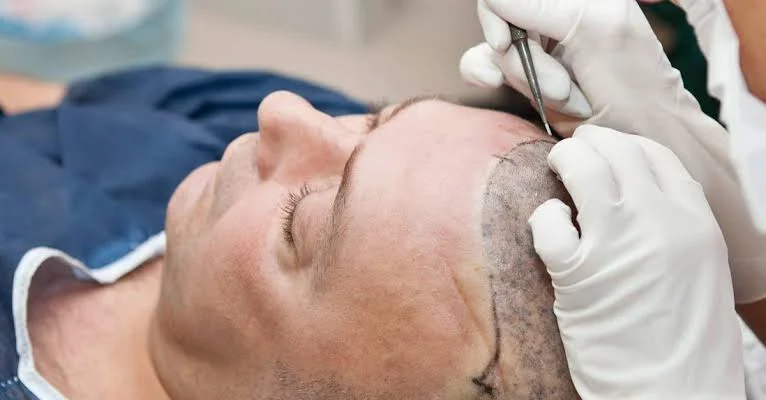
Hair transplant surgery is the only treatment that adds new, permanent hair to areas of loss. Modern methods take hair from the back of the scalp, where follicles are resistant to DHT, and move them to thinning zones. Results are long-lasting because the transplanted follicles keep their genetic resistance.
New hair growth typically begins six to nine months after either FUE or DHI, with full results visible at twelve to fifteen months. Growth follows this timeline because transplanted follicles go through a resting phase before producing visible hair. Patients should expect gradual results rather than an immediate change.
Trichogenics offers care from trained physicians in the United States, where treatment is more controlled. Here, doctors guide planning, graft selection, and placement to protect long-term hair growth. Care is led by Dr. Asi Peretz and Dr. Eric Peretz, both ABHRS Diplomates and Fellows of the World FUE Institute, a small group of hair restoration surgeons worldwide.
Not everyone is a candidate. Patients with active shedding, insufficient donor hair, or scarring conditions may need medical treatment first. A hair loss specialist will assess your donor area and pattern before recommending surgery.
FUE Hair Transplant
Follicular Unit Excision (FUE) removes individual follicular units from the donor area using a small punch tool. Each graft is then placed one at a time into the recipient site. FUE leaves minimal scarring and allows patients to wear their hair short after healing.
FUE is the gold standard for most hair transplant candidates today. Sessions can transfer 1,500 to 3,000 grafts in a single day depending on the case. Costs in Israel and Greece range from $4,000 to 15,000EUR(5,000 to $18,000 USD, while US pricing tends to run higher.
DHI With Choi Pen Implantation
Direct Hair Implantation (DHI) uses a Choi pen to place grafts directly into the scalp without pre-made incisions. This method gives the surgeon precise control over angle, depth, and direction of each hair. The result is a natural-looking hairline with tighter density in the placement zone.
DHI is particularly useful for hairline design and small to medium restoration cases. The Choi pen shortens the time each graft spends outside the body, which may improve survival rates. Dr. Asi Peretz uses DHI and FUE together for many patients depending on the area being treated.
Why We Don’t Do FUT
Follicular Unit Transplantation (FUT) removes a strip of scalp from the donor area and dissects it into grafts. It leaves a linear scar across the back of the head that limits future hairstyle choices. Recovery takes longer, and the risk of nerve damage is higher than with FUE.
Trichogenics only performs FUE and DHI because both methods produce better cosmetic outcomes and easier recoveries. FUT remains in use at some clinics for cost reasons, but the trade-off is a permanent scar. Patients researching the best hair loss treatment for surgical restoration should ask any clinic which methods they offer and why.
Hair Loss Treatments for Women
Hair loss looks different in women than in men. It usually presents as diffuse thinning across the crown rather than a receding hairline. Female patients need a treatment plan built around their hormones, iron levels, and thyroid function.
Treat thinning hair in women by starting with a proper workup. Blood tests, a scalp exam, and a family history review will point to the right combination of treatments.
Female Pattern Baldness Treatment
Female pattern baldness is the most common cause of hair loss, including diffuse thinning in women. Treatment usually starts with topical minoxidil at 2% or 5%, sometimes paired with oral spironolactone. Low-level laser therapy and PRP are common add-ons.
Hair transplant surgery is an option for women with stable donor hair and a clear pattern of loss. The good news is that hair regrowth for women is realistic when treatment starts before follicles go dormant. A hair loss treatment for women should be reviewed every six months to track progress.
Postpartum and Menopausal Hair Loss
Postpartum hair loss usually happens between three and six months after childbirth as estrogen levels drop. It typically resolves on its own within a year, though supplements and gentle scalp treatment for hair growth can help. Iron and vitamin D checks are worthwhile during this period.
Menopausal hair loss is driven by falling estrogen and rising relative androgen activity. Treatment often includes topical minoxidil, hormone-focused evaluation, and sometimes hormone replacement therapy. Both conditions respond well to early attention from a dermatologist for hair loss.
Hair Loss Treatments for Men
Men’s hair loss is most often driven by DHT sensitivity in genetically predisposed follicles. Male pattern hair loss typically follows a predictable pattern along the hairline, temples, and crown. Early action gives the best outcomes.
Men’s baldness treatment usually combines finasteride, minoxidil, and sometimes a procedure like PRP or a transplant later on. This layered approach has the strongest evidence base for improving hair regrowth for men.
Male Pattern Baldness Treatment
Male pattern hair loss responds well to finasteride and topical minoxidil started before major loss occurs. Most men see stabilization within six months and modest regrowth within a year. Ketoconazole shampoo and microneedling can improve outcomes as add-ons.
Hair transplant surgery becomes an option once the pattern stabilizes and the donor area is strong enough to support the case. A hair loss treatment for men should also include lifestyle factors like sleep, stress, and diet, which affect shedding cycles. Learning how to regrow hair starts with getting the diagnosis right.
Receding Hairline Treatment
A receding hairline is one of the earliest signs of male pattern baldness. Treatment focuses on stopping progression first with finasteride and minoxidil, then addressing cosmetic concerns with a transplant. Hairline design using DHI can restore a natural front line when medication alone is not enough.
Receding hairline treatment works better the earlier it starts. Waiting until the hairline has fully receded limits the density that can be achieved through surgery. Consulting a hair loss specialist within the first year of noticeable recession improves options significantly.
How to Prevent Hair Loss Before It Starts
How to prevent hair loss depends on the cause. Genetic hair loss cannot be fully prevented, but it can be slowed dramatically with early treatment. Nutritional, stress-related, and hormonal causes can often be corrected before permanent thinning sets in.
Prevention includes protecting the scalp from harsh chemicals, avoiding tight hairstyles, managing stress, and eating a balanced diet. How to stop hair loss also means catching medical conditions like thyroid disease or iron deficiency early through routine blood tests. How to stop hair thinning is easier than reversing it once it takes hold.
Some patients benefit from starting minoxidil at the first sign of shedding, even before a diagnosis. Others need a more targeted approach based on lab results. A hair shedding treatment plan should be personal, not one-size-fits-all.
How to Choose the Right Treatment for Your Hair Loss
Picking the right hair thinning treatment starts with a proper diagnosis. Not all thinning is the same, and the wrong treatment can waste months of effort. A visit to a hair loss specialist or board-certified dermatologist is the safest first step.
Look at the cause, the stage, and your goals together. Someone in the early stages of shedding may only need minoxidil, while someone with visible bald spots may need surgery. The best plans usually combine two or three approaches.
Diagnosing the Cause First
The first step is figuring out what type of hair loss you have. There are several types of hair loss, including androgenetic alopecia, telogen effluvium, alopecia areata, and scarring alopecias. Each responds to different treatments.
A scalp exam, dermoscopy, blood tests, and sometimes a biopsy can confirm the diagnosis. Skipping this step often leads to spending money on treatments that will not work for your case. Diagnosis also rules out reversible causes like nutritional deficiency or medication side effects.
Matching Treatment to Stage of Hair Loss
Early-stage hair loss responds best to medication and topical products. Moderate loss usually calls for a combination of medication, in-office procedures, and sometimes hair transplant surgery. Advanced loss may need surgery as the main solution with medication for maintenance.
The Norwood scale for men and the Ludwig scale for women help doctors match treatment intensity to the stage of loss. Trying to skip stages rarely works. A staged plan protects results and keeps expectations realistic.
When to See a Board-Certified Dermatologist or Surgeon
Book an appointment when you notice more than 100 hairs a day of shedding, visible scalp through your hair, or a receding hairline that is progressing. Sudden or patchy loss also needs professional evaluation. Dr. Asi Peretz and other board-certified dermatologists and surgeons can identify causes that home care will miss.
A dermatologist for hair loss can order blood tests, review your medications, and rule out systemic causes. A hair restoration surgeon focuses on candidacy for procedures and long-term planning. Many patients benefit from seeing both.
Hair Loss Treatment Cost Comparison
Costs vary widely by treatment type, geography, and clinic experience. Understanding the price ranges helps set realistic expectations before starting.
Average price ranges:
- Minoxidil (OTC): $10 to $50 per month
- Finasteride (generic): $10 to $30 per month
- Spironolactone: $10 to $40 per month
- Ketoconazole shampoo: $15 to $30 per bottle
- PRP therapy: $500 to $1,500 per session
- Low-level laser cap: $500 to $3,000 one-time
- FUE hair transplant: $6,000 to $20,000+ per session
- DHI hair transplant: $7,000 to $20,000+ per session
International pricing differs. FUE and DHI hair transplants in Israel and Greece typically range from $4,000 to 15,000EUR(5,000 to $18,000 USD). Lower prices sometimes reflect experienced surgeons in lower-cost markets, and sometimes reflect corner-cutting on graft handling or physician involvement. Ask who performs the procedure and whether a board-certified physician leads the case.
Real Patient Results: Before and After Photos
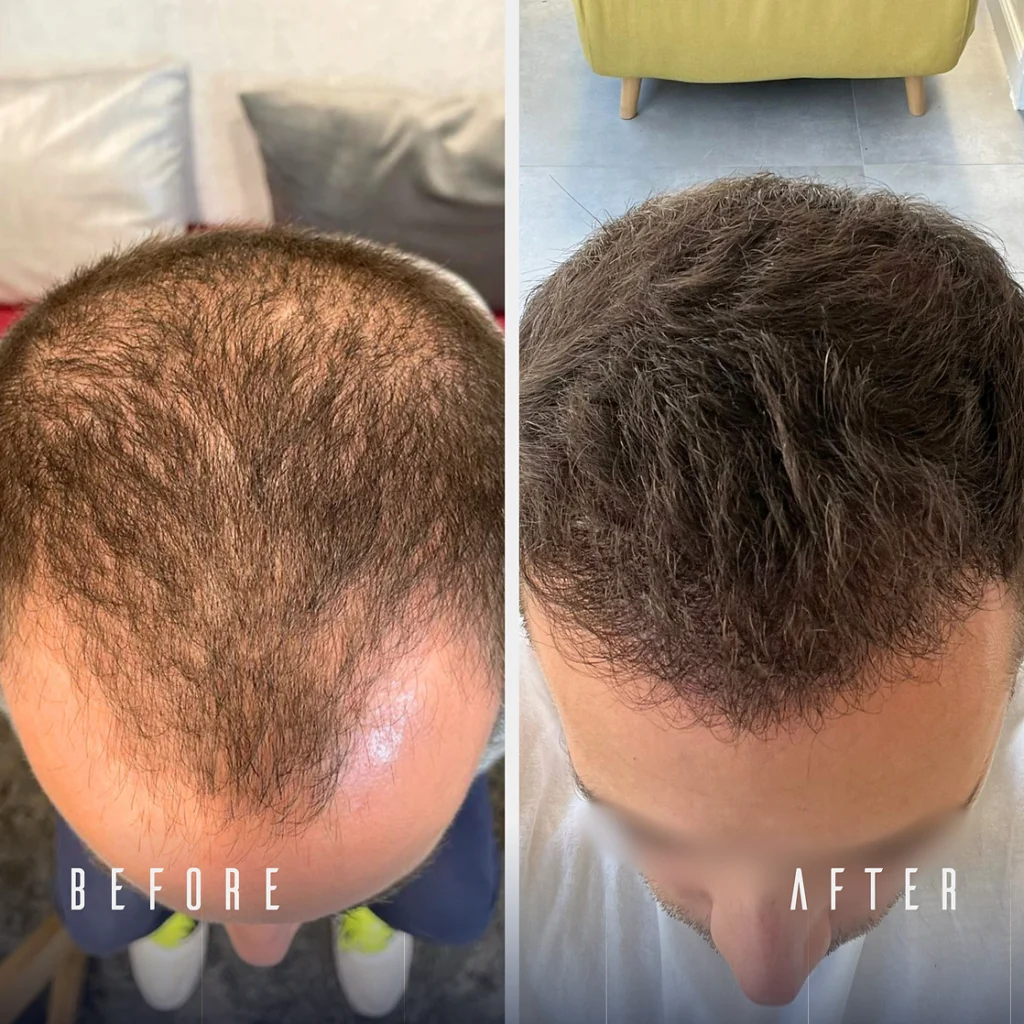
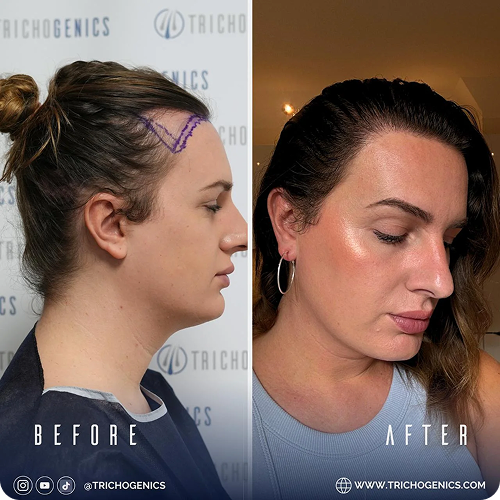
Before and after photos are one of the most useful tools for setting expectations. Real results show the range of density, timing, and hairline design that patients achieve with different treatments. They also help you evaluate a clinic’s actual work rather than marketing renders.
Trichogenics publishes patient results on the results page, showing outcomes across different case types. Reviewing these photos before a consultation gives you a clearer sense of what is achievable in your case. Ask any clinic to show recent, unretouched photos with consistent lighting and angles.
Not every result will look the same as the photos you see. Genetics, donor quality, and the surgeon’s approach all shape the final outcome. Set expectations with your doctor based on your own scan and plan, not on someone else’s photos.
Natural Remedies and Lifestyle Changes for Hair Loss
Natural remedies for hair loss include scalp massage, rosemary oil, onion juice, saw palmetto, and pumpkin seed oil. Evidence is limited, though a small 2015 clinical trial found that rosemary oil produced hair count improvements comparable to 2% topical minoxidil over six months.
Most other natural remedies have little research behind them and should be treated as unproven rather than effective. None of these replace medical treatment for progressive hair loss.
Lifestyle changes support any treatment plan. Sleep, stress management, quitting smoking, and a diet rich in protein, iron, zinc, and healthy fats all affect the growth cycle. These changes will not reverse genetic hair loss on their own, but they will make every other treatment work better.
Realistic expectations matter here. Natural approaches work best as complements to medical care rather than replacements. Patients who rely only on natural remedies often lose valuable time when they could be starting proven therapies.
New and Emerging Hair Loss Treatments
New treatments are moving through clinical trials, and some are already available at specialized clinics. JAK inhibitors like baricitinib have been approved for severe alopecia areata and are being studied for other forms of hair loss.
Exosome therapy, stem cell-derived treatments, and next-generation growth factor products are in earlier stages of research.
Robotic FUE systems and improved implanter pens are also changing surgical care. These tools help experienced surgeons work with more precision and shorter graft handling times. Emerging medications include topical formulations that aim to deliver finasteride and minoxidil with fewer systemic side effects.