
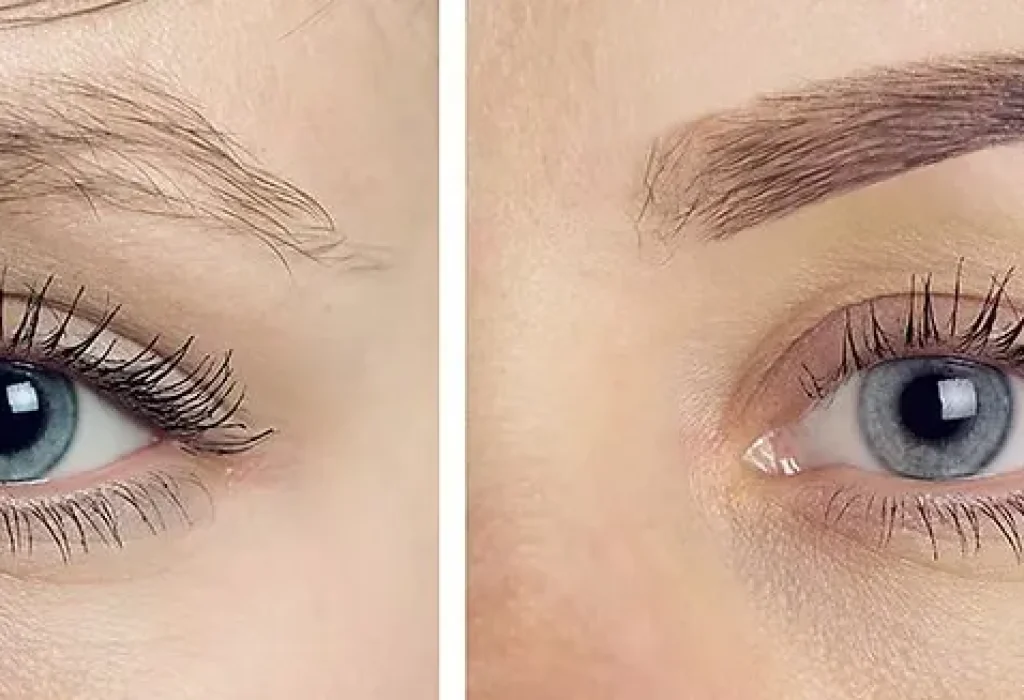
An eyebrow transplant moves healthy hair follicles from a donor area, usually the back of your scalp, into your brow line. In some cases, surgeons can also use beard hair as donor grafts when scalp hair isn’t ideal.
Key Takeaways
- Eyebrow transplants are a permanent solution that uses hair follicles from your scalp to restore fullness and natural shape. Once healed, the transplanted hair grows and behaves like your natural eyebrows.
- Shedding occurs in the first few weeks after surgery and is completely normal-new growth starts at 2–3 months, with full results visible around 6 months.
- Surgeon experience is critical, especially in eyebrows where the angle and direction of each graft determine whether results look natural or transplanted. Board-certified physicians with specialized training deliver better outcomes than technician-led clinics.
- Recovery is quick-most patients return to work within a few days, and you only need to avoid washing or touching the area for about 8 days post-op.
- Cost varies widely based on physician involvement and graft count. Turkey offers lower prices ($1,200–$2,500), but physician-led clinics ($4,000–$15,000) ensure the doctor performs the procedure rather than handing it off to technicians.
Who gets an eyebrow transplant?
You don’t need a medical reason to want fuller brows, but plenty of patients do have one. Common causes of brow loss include:
- Over-plucking or years of waxing that damaged the follicles
- Alopecia areata or trichotillomania
- Burns, scars, or injury to the brow area
- Natural thinning with age
Whatever the cause, the procedure works the same way: extract, place, heal, grow.
How the procedure works
At Trichogenics, we only perform FUE and DHI, the two techniques considered the gold standard in hair restoration right now. We don’t do FUT, and here’s why: FUT relies on strip harvesting, which leaves a linear scar. FUE and DHI extract individual follicles one at a time, so there’s no strip, no linear scar, just tiny dot marks that heal fast.
With DHI specifically, we use a Choi pen to implant each follicle directly, which gives more control over angle and direction. That control matters more in eyebrows than almost anywhere else on the body. Get the angle wrong, and the brow looks fake. Get it right, and nobody can tell it’s transplanted.
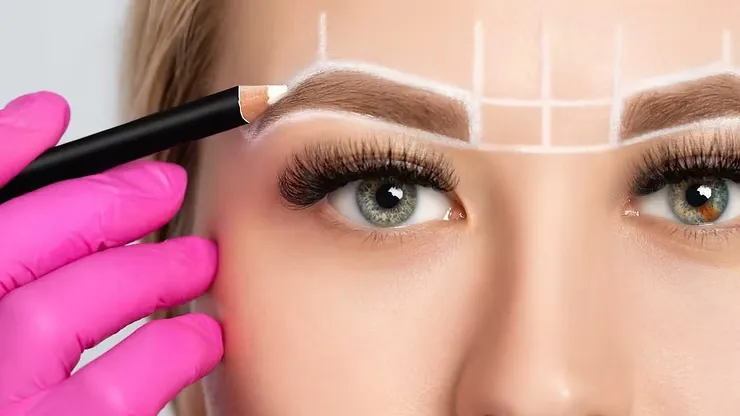
Your surgeon maps out the shape first, based on your face, your bone structure, and what you actually want. Then donor hairs get selected one by one to match the texture of your existing brow hair as closely as possible.
Recovery and timeline
Right after surgery, you’ll see the new hairs sitting in place, but don’t expect instant results. Here’s the honest timeline:
- First 1-2 weeks: Small crusts form where each graft went in. These fall off on their own. Most patients go back to work within a few days.
- 2-3 weeks after: Many transplanted hairs actually fall out. This is normal and expected, not a failure. It’s called shedding, and it happens because the follicle is resetting before it starts a new growth cycle.
- 2-3 months: New growth starts coming in.
- 6 months: Full results. Hair fills in, takes the natural direction your surgeon planned, and needs only light trimming to hold its shape.
Avoid touching or washing the eyebrows for about 8 days post-op, and skip any chemical treatments or laser near the area until your doctor clears you.
What it costs, and why the price varies so much
Cost is where things get confusing, because eyebrow transplant pricing swings wildly depending on where you go.
In Turkey, prices are often advertised between $1,200 and $2,500. That’s a real draw for anyone comparing options on price alone. But medical tourism to Turkey comes with a tradeoff: quality control is inconsistent. Some clinics are excellent. Others hand the procedure off to technicians instead of trained physicians, and patients don’t always know the difference until the results come in uneven or the grafts don’t take.
At Trichogenics, procedures are priced between $4,000 and $15,000 (roughly €4,000 to €13,800), depending on graft count and complexity. That range reflects something specific: every procedure is planned and performed under physician supervision, not handed off to a technician team.
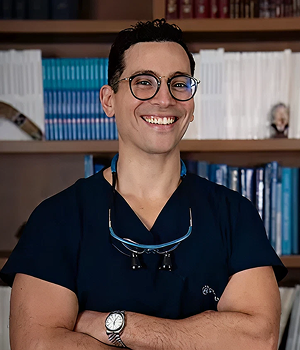
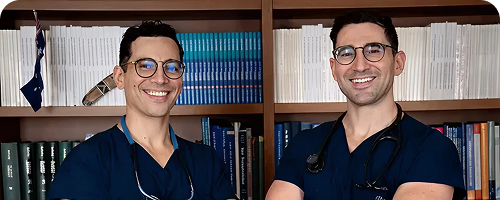
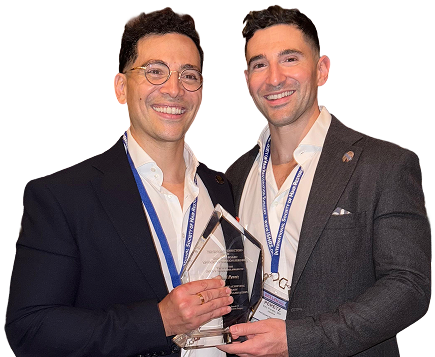
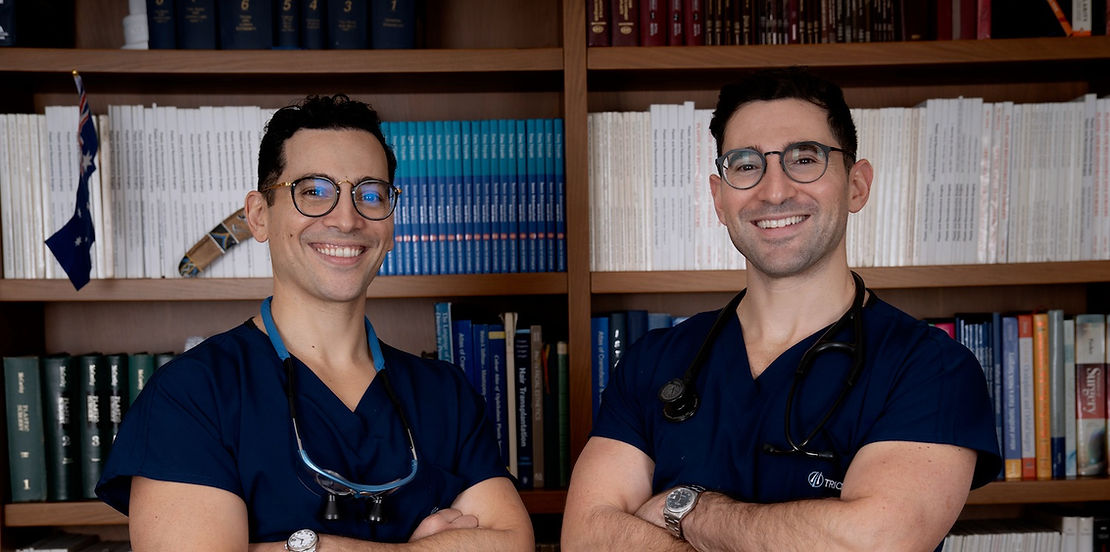
Dr. Asi I. Peretz and Dr. Eric Peretz, both ABHRS Diplomates and Fellows of the World FUE Institute, are part of a small group of surgeons worldwide with that credential. Board certification isn’t a marketing detail. It reflects the level of surgical training and safety standards a doctor had to meet to earn it.
If you’re comparing Turkey against a US-based, doctor-led practice, the question isn’t just “what’s cheaper.” It’s “who’s actually doing my procedure, and what happens if something goes wrong.”
Brows aren’t the only facial hair people restore
If you’re already looking into eyebrow transplants, there’s a good chance facial hair loss in general is on your mind, not just brows. Facial hair transplant surgery uses the same FUE and DHI techniques to fill in patchy beards and other areas.
We cover the full process, from graft planning to the shedding phase to final results, in our guide on beard transplants: everything you need to know. Worth a read if you’re dealing with thin patches along the jawline or cheeks too.
Is it worth it?
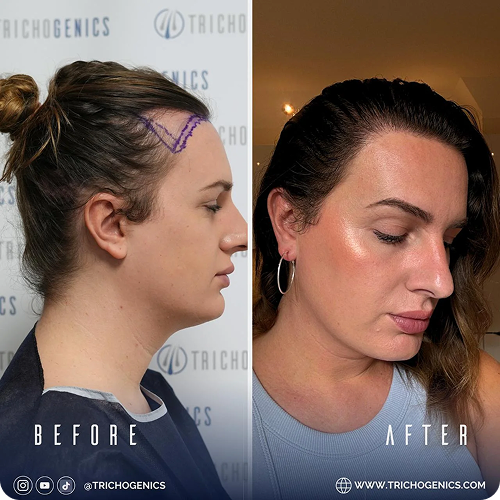
For most people who’ve tried everything else, yes. The results are permanent, natural-looking, and once healed, need almost no maintenance beyond the occasional trim. You can see real hair transplant results from patients who’ve been through the process.
If you’re ready to talk through what your brows could look like, book a consultation with Trichogenics. We’ll walk you through graft count, timeline, and cost before you commit to anything.