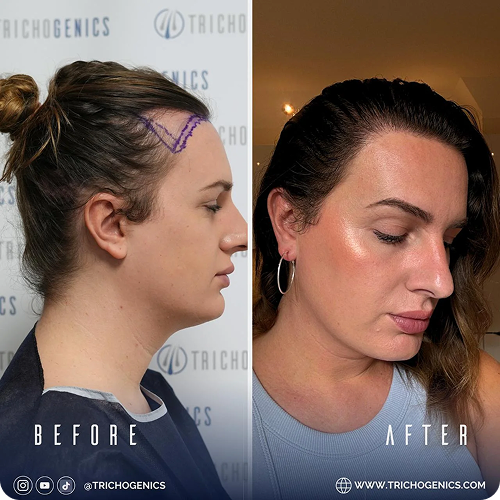

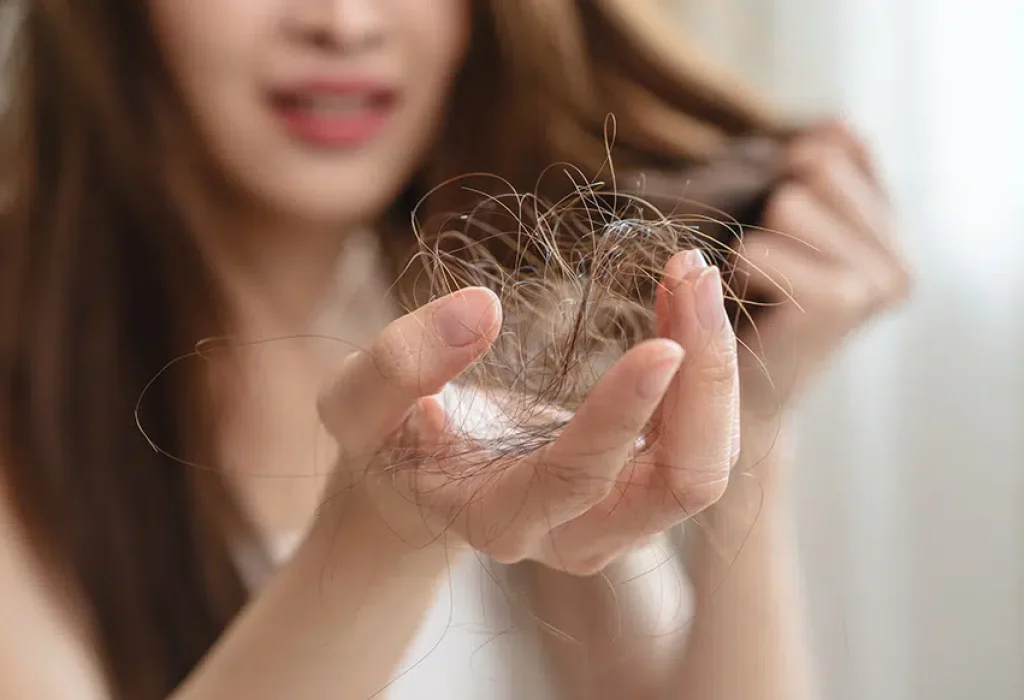
Trichogenics put together this guide to walk you through the medical, genetic, and lifestyle triggers behind shedding and thinning, so you can figure out what applies to your situation. You’ll learn how to identify types of hair loss, spot early signs of hair loss, and know when it’s time to talk to a specialist.
Key Takeaways
- Losing 50 to 100 hairs daily is normal, but persistent thinning over weeks or visible bald patches warrant evaluation from a dermatologist to identify the underlying cause.
- Hair loss stems from four main categories: genetics (most common), hormonal shifts, medical conditions or autoimmune disease, and lifestyle factors like stress, poor nutrition, or tight hairstyles.
- Early diagnosis is critical because treatment options vary widely by cause, and catching loss before significant follicle miniaturization preserves more long-term solutions, including surgical options if needed.
- Gender-specific triggers matter: women face postpartum shedding (temporary), menopause-related thinning, and female pattern loss, while men predominantly experience male pattern baldness driven by DHT sensitivity.
- Nutritional deficiencies (iron, vitamin D, zinc, biotin) and lifestyle stressors often contribute to or worsen hair loss, making blood work and stress assessment part of any thorough evaluation.
What Causes Hair Loss?
Hair loss happens when the natural growth cycle breaks down. Every follicle goes through phases of growth, rest, and shedding, and losing between 50 and 100 strands a day sits within the normal range, according to the American Academy of Dermatology.
When something interferes with that cycle, whether it’s a hormone shift, an illness, or a family trait, follicles either stop producing new hair or push out strands earlier than they should. The question of why my hair is falling out usually comes down to one of four culprits: genes, hormones, medical conditions, or lifestyle.
Genetics and Family History
The single biggest factor in long-term hair loss is genetics. If your parents or grandparents experienced pattern hair loss, you carry a higher chance of the same outcome. This inherited form is called androgenetic alopecia, and it affects both sexes, though the pattern differs. Genetic hair loss tends to show up gradually, giving you time to notice hair loss early and act on it.
Hormonal Shifts and Imbalances
Hormones control much of your hair production, and shifts in testosterone, estrogen, or thyroid levels often lead to hair loss. Dihydrotestosterone (DHT), a byproduct of testosterone, shrinks follicles in genetically predisposed people. Women often see thinning during pregnancy, postpartum, and menopause because estrogen levels swing.
A blood panel from a hair loss doctor can pinpoint hormonal causes that mimic other conditions.
Medical Conditions and Autoimmune Disease
Certain illnesses attack hair follicles directly. An autoimmune disease like alopecia areata causes the body to treat follicles as foreign tissue, leading to patchy hair loss. Thyroid disorders, lupus, iron-deficiency anemia, and polycystic ovary syndrome all disrupt the growth cycle.
When patients ask what causes alopecia in a broader sense, these systemic conditions are often the answer alongside genetic factors.
Medications and Treatments
Prescription drugs can trigger shedding as a side effect. Blood thinners, beta blockers, antidepressants, retinoids, and certain birth control pills are common examples. Medical treatments like chemotherapy and radiation cause temporary loss that usually reverses once treatment ends.
If you started a new medication and began losing hair within three months, ask your doctor whether the timing lines up.
Common Types of Hair Loss
Not all shedding looks or behaves the same way. The types of hair loss you’ll encounter fall into a handful of medical categories, each with its own pattern and cause. Identifying which one you have matters, because the treatment for hair loss depends entirely on the diagnosis.
Androgenetic Alopecia (Male and Female Pattern)
This is the most widespread form and answers the question of what alopecia is for most patients. In men, male pattern hair loss starts at the temples and crown, often producing a receding hairline first. In women, it shows up as a widening part and diffuse thinning across the top of the scalp without full baldness.
Genetics and DHT sensitivity drive both patterns, and this is often what causes balding in men well before they reach middle age.
Alopecia Areata
Alopecia areata is an autoimmune condition where the immune system targets healthy follicles. Alopecia symptoms include smooth, round bald patches that can appear anywhere on the body, sometimes overnight.
The condition can progress to full scalp loss (alopecia totalis) or full body loss (alopecia universalis), though many cases resolve on their own. A dermatologist typically confirms the diagnosis through a scalp exam and, in some cases, a biopsy.
Telogen Effluvium
This form is triggered by physical or emotional stress, illness, surgery, childbirth, or rapid weight loss. Roughly two to three months after the trigger, large numbers of follicles enter the resting phase at once, then shed together.
The result is diffuse hair shedding across the whole scalp rather than in patches. Most people recover fully within six to nine months once the underlying stressor is resolved.
Traction Alopecia
Traction alopecia comes from repeated pulling on the hair, usually from tight ponytails, braids, extensions, or weaves. Over time, the tension damages follicles at the hairline and temples, and if the habit continues, the loss becomes permanent. Early cases reverse when the pulling stops.
Left untreated, traction alopecia can develop into scarring alopecia, where follicles are replaced by scar tissue and no longer produce hair.
Hair Loss Causes in Women
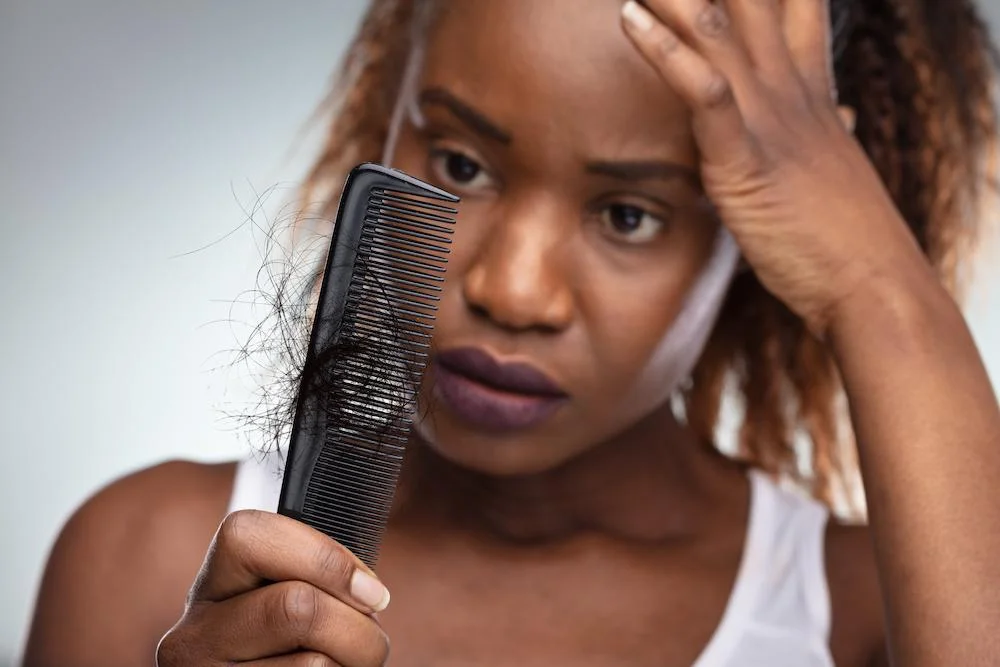
Women face a specific set of triggers that men don’t, and hormonal or nutritional issues often play a larger role than genetics in causes of hair loss in women. Female pattern loss usually appears as widening at the part or a thinner ponytail, not receding lines.
If you’d like a deeper look at this topic, our detailed guide on hair loss in women covers diagnosis and options in more detail.
Postpartum Hair Shedding
After giving birth, estrogen levels drop quickly, which pushes a large percentage of follicles into the shedding phase. New mothers often see clumps of hair coming out in the shower or on their pillow around three to five months postpartum. This shedding is temporary and resolves within a year for most women. Hair loss treatment for women in the postpartum period usually focuses on nutrition and reassurance rather than medication.
Menopause and Hormonal Decline
As estrogen and progesterone drop during perimenopause and menopause, hair often becomes finer, drier, and slower to grow. The same hormonal shift can trigger female pattern hair loss that was previously masked. Thinning hair in women in their 40s and 50s frequently starts here, and it tends to progress unless addressed. Bloodwork and hormone assessment help clarify whether menopause is the primary driver.
Hair Loss Causes in Men

For men, what causes hair loss in men is almost always genetic sensitivity to DHT. The pattern is predictable, though the timing varies widely from late teens to late middle age. Men usually respond well to early intervention when treatment starts before follicles miniaturize completely.
Male Pattern Baldness Explained
Male pattern baldness follows the Norwood scale, which maps how loss progresses from a receding hairline to a bald crown to full baldness on top. The follicles most sensitive to DHT sit along the front and crown, while those on the back and sides of the scalp are far less sensitive to it.
That relative resistance is what makes hair transplant surgery possible: donor hair from the sides typically keeps growing after it’s moved. Hair loss treatment for men typically combines DHT-blocking medication with topical treatment.
Receding Hairline Causes
A receding hairline is often the first visible sign of male pattern loss. It usually begins at the temples in an M-shape and moves backward over months or years. Not every mature hairline signals aggressive loss, though, and a doctor can measure follicle density to distinguish normal maturation from progressive baldness.
Thinning hair men in their 20s and 30s should get evaluated early, since early treatment produces the best long-term results.
Lifestyle Triggers Behind Hair Loss
Genetics load the gun, but lifestyle often pulls the trigger. Diet, stress, sleep, and scalp care all influence how quickly hair loss shows up and how severe it becomes. When patients ask what the causes of hair thinning outside of genetics are, these daily habits are usually where the answer lies, which is good news for anyone trying to slow their progression.
Stress, Sleep, and Cortisol
Chronic stress may disrupt the hair growth cycle and keep follicles in a resting phase, as research on stress and hair loss suggests. Poor sleep may add to the strain on the body.
If you find yourself asking why am I losing so much hair after a stressful period, telogen effluvium is a likely explanation. The shedding usually resolves once stress is addressed and sleep normalizes.
Diet and Nutritional Deficiencies
Nutritional deficiencies can affect hair health. Low iron levels and insufficient vitamin D, zinc, biotin, or protein may contribute to hair thinning or shedding. Crash diets, restrictive eating, and gastric surgery can also trigger shedding months later.
A blood test that checks vitamins and minerals can identify gaps you can correct with diet or supplementation.
Scalp Health and Care Habits
Your scalp is skin, and it needs the same care as the rest of your face and body. Buildup from product residue, dandruff, and inflammation all interfere with healthy hair production. Regular cleansing, gentle handling, and avoiding tight styles protect follicles from mechanical damage. For a closer look at how blood flow affects the scalp, see our article on scalp massage and hair loss.
Signs and Symptoms of Hair Loss
Catching hair loss early gives you far more options. Most people don’t realize they’re losing hair until they’ve already lost 20 to 30 percent of their density, because the change happens so gradually. Knowing what to look for helps you act sooner.
How Much Hair Loss Is Normal
If you’ve wondered how much hair loss is normal, the answer is 50 to 100 strands per day for most adults. That amount of hair on your pillow, in the shower drain, or in your brush falls within the normal range.
Losing more than that over several weeks, or seeing visibly thinner areas, is worth investigating. Track it over a couple of weeks before drawing conclusions, since shedding fluctuates day to day.
Early Signs You’re Losing Hair
The first signs of hair loss are usually subtle. You might notice more strands than usual on your pillow, a wider part, or a thinner ponytail. Men often see their hairline change shape before density drops noticeably. Photos taken every few months from the same angle are the most reliable way to track early changes.
Bald Spots and Patchy Loss
A bald spot or patchy hair loss usually points to alopecia areata, fungal infection, or traction damage. Round, smooth patches with no visible inflammation typically suggest autoimmune activity. Patches with redness, scaling, or itching more often indicate infection or an inflammatory condition.
Any new patch should be evaluated by a dermatologist within a few weeks.
How to Tell if Your Hair Is Thinning
How to tell if hair is thinning comes down to comparing what you see today to older photos and paying attention to your scalp visibility in bright light. If more scalp shows through than it used to, especially at the crown or part, thinning is likely underway. A pull test, done by a physician, gives another data point.
Consistent monitoring beats a single snapshot.
When to See a Hair Loss Doctor
 Waiting to see a hair loss doctor is one of the most common mistakes patients make. By the time thinning is obvious in a mirror, follicles have already been miniaturizing for months or years. Early evaluation opens up more options and better long-term outcomes.
Consider booking an appointment if you notice hair loss that lasts longer than three months, sudden shedding after an illness or new medication, patchy bald areas, or a receding hairline that seems to be moving quickly.
A specialist can order bloodwork, examine your scalp under magnification, and rule out medical causes before recommending treatment. At Trichogenics, evaluations are led by board-certified physicians, giving patients a controlled clinical process from the start.
Treatment Options by Cause
The right treatment depends on why your hair is thinning in the first place, not on which product happens to be trending. There’s no single fix that works for everyone, and matching treatment to cause is where a specialist adds the most value. Below is a general overview of what tends to help for each category.
For genetic pattern loss:
- Minoxidil (Rogaine) applied topically to stimulate hair growth
- Finasteride or dutasteride to block DHT (men)
- Low-level laser therapy
- Platelet-rich plasma (PRP) injections
- Hair transplant surgery for advanced cases
For hormonal loss:
- Treatment of the underlying thyroid or hormonal condition
- Spironolactone for women with androgen-driven loss
- Hormone replacement in some menopausal cases
For nutritional loss:
- Correcting iron, vitamin D, or zinc deficiencies
- Adequate protein intake
- Supplementation guided by bloodwork
For autoimmune loss:
- Corticosteroid injections
- Topical immunotherapy
- JAK inhibitors for severe cases
For stress-related loss:
- Time and stress reduction
- Sleep and nutritional support
- Reassurance, since most cases resolve on their own
Figuring out how to stop hair thinning and hair loss starts with the right diagnosis. Hair loss therapy that works for one person may do nothing for another, which is why guesswork with over-the-counter products often wastes time and money. Trichogenics offers care from trained physicians in the United States, where treatment is more controlled.
Care is led by Dr. Asi Peretz and Dr. Eric Peretz, both ABHRS Diplomates and Fellows of the World FUE Institute, a small group of hair restoration surgeons worldwide.
Early evaluation matters more than any single product on the market, since it protects long-term density and keeps more treatment options open.
Whether your loss stems from genes, hormones, illness, or lifestyle, the path forward starts with a clear diagnosis from a specialist who can guide you through what works and what doesn’t.