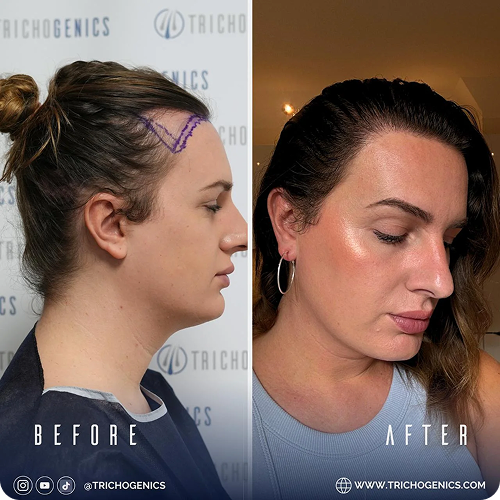

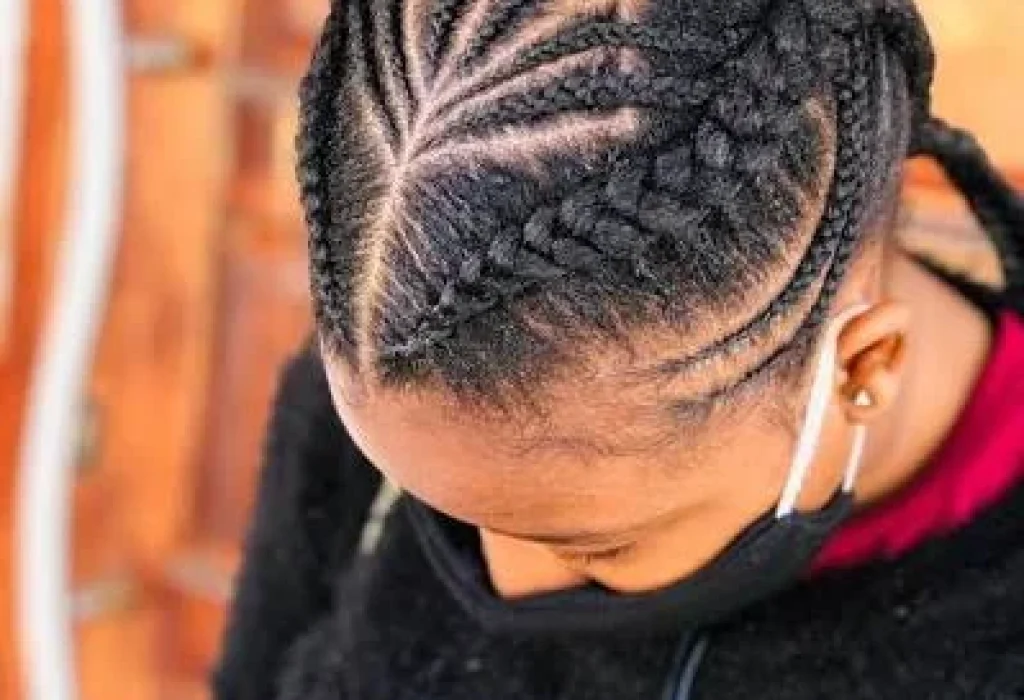
But what happens when your actual hairline starts thinning from tension or genetics? Dr. Asi Peretz and Dr. Eric Peretz, founders of Trichogenics and both ABHRS Diplomates, help patients in Greece and Israel restore hairlines that styling alone can no longer protect.
Key Takeaways
- Natural hair lines (cornrows) are one of the most protective styling options for textured hair, reducing daily manipulation and supporting length retention when installed with proper tension and care.
- The longevity and health of lines depend on maintenance—regular scalp oiling, moisturizing, and nighttime protection with satin can extend wear time to six weeks while preventing breakage.
- Traction alopecia is preventable with low-tension styles and edge care, but if hairline thinning persists after months of rest, the follicles may be permanently damaged and require medical evaluation.
- Hair transplants using FUE or DHI techniques can restore a hairline lost to permanent damage, but results depend on choosing a clinic where board-certified physicians lead the procedure from start to finish.
- Regions like Greece and Israel offer stricter medical oversight for hair restoration than countries with limited regulatory standards, making them safer choices for transplant procedures.
What Are Natural Hair Lines
Plain Lines Versus Cornrows
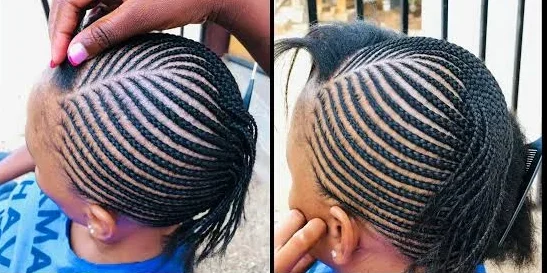
Plain lines and cornrows describe the same technique. Hair is braided flat against the scalp in raised rows from front to back or side to side. “Plain lines” is the common term across Africa, while “cornrows” is standard in the United States and Caribbean. The difference is regional language, not technique.
Why Lines Suit Natural Hair
Lines reduce how often you touch, comb, and restyle your hair. Daily manipulation is one of the top causes of breakage in textured hair. Once installed, lines can last weeks with minimal upkeep while tucking your ends away from friction, which supports hair growth and length retention.
Latest Plain Lines Hairstyles for Natural Hair
Straight-Back and Side-Swept Lines
Straight-back lines are the classic starting point. Hair is braided in parallel rows from the front hairline to the nape, and the look works for every hair length. Side-swept lines, sometimes called lemonade braids, angle the rows diagonally across the scalp to frame the face.
Curved, Stitch, and Feed-In Lines
Curved lines follow rounded parting patterns instead of straight rows, softening the overall shape for oval and round faces. Stitch braids stand out for their sharp, precise partings with small horizontal lines between each row. Feed-in cornrows use extension hair added gradually along the braid, reducing tension at the roots.
Lines with Buns and Ponytails
Hairstyles with lines don’t have to end at the nape. You can gather the braids into a high bun at the top of the head, a low ponytail, or a side-swept puff. These combination styles are popular hairstyles for work and events because they add versatility to the classic cornrow look.
Who Can Wear Natural Hair Lines
Natural Hair Lines for Ladies and Adults
Plain lines for adults work across all ages and settings. The style scales from four chunky braids to fifteen mini cornrows. Your hair type and hair texture guide the size and pattern, but the technique works on all coily and curly textures.
Natural Hair Lines for Men
Men wear natural hair lines just as often. Clean, sharp cornrows are a go-to for men who want a low-maintenance look lasting two to four weeks. Tapered sides with lines on top give a modern finish.
Natural Hair Lines for Short Hair
Short natural hair works well with mini cornrows and flat twists. You need at least two inches of length for a stylist to grip and braid. Shorter lengths benefit from lines because the braids protect new growth and reduce daily manipulation.
How to Choose Hairstyles with Lines
Hair Length and Texture
Longer hair gives you more options for buns, ponytails, and extensions. Shorter hair works best with mini or chunky cornrows worn flat. Coarser textures hold braids longer, while finer curls need lighter tension.
Face Shape and Lifestyle
Side-swept lines suit oval and heart-shaped faces. Straight-back lines look clean on round and square faces. If your day involves physical activity, choose smaller braids that stay put. For events, curved lines with a low bun give you that flexibility.
How to Care for Natural Hair Lines
Washing and Moisturizing
Wash your lines every one to two weeks with a diluted shampoo applied to the scalp. Rinse gently and follow with a light conditioner. Leave-in conditioners keep the braids soft between washes. Avoid heavy products that cause buildup along the parts.
Good Hair Care Lines for Natural Hair
A solid natural hair care line includes a sulfate-free shampoo, a lightweight leave-in, and a scalp oil. Look for natural hair products with natural ingredients like jojoba oil and essential oils. Choose cruelty-free care products that skip harsh chemicals. These basics cover what most hair naturals need to keep their hair and scalp healthy under braids.
Scalp and Nighttime Care
Oil your scalp two to three times a week. Rosemary and castor oil both support hair growth and soothe dryness. Sleep with a satin bonnet or silk scarf every night to reduce friction and keep your parts clean for an extra week of wear.
How Long Lines Last
Plain cornrows last two to four weeks. Feed-in lines and stitch braids can last up to six weeks with proper hair care. After that, new growth loosens the braids and increases matting risk. Take the style down before it gets to that point.
How to Find Your Natural Hairline
Your hairline tells you two different things depending on what you’re looking at. Its natural shape comes down to genetics, while a visible part or line usually comes from how you style your hair. Here’s how to tell the difference between the two.
What Is the Prettiest Hairline
Hairline shape is genetic. Round, M-shaped, and straight hairlines are all common. What makes a hairline look its best is fullness and definition at the edges.
Why Is There a Line on My Hair
A visible line or part in your hair usually comes from repeated styling in the same direction. Constant tension on the same spot can thin the hair over time. If the line stays visible after changing your style, it may be early traction alopecia.
Protecting Your Hairline from Tension
Low-Tension Style Options
Knotless braids, chunky cornrows, and flat twists put less stress on your edges than micro braids or tight ponytails. Start your braids slightly behind the hairline instead of anchoring into the baby hairs. Use fabric-wrapped bands instead of rubber bands.
Signs of Traction Alopecia
Watch for thinning along your hairline, small bumps at the roots, or soreness after installation. If you catch it early, switching to low-tension styles can reverse the damage. If thinning doesn’t recover after several months of rest, the loss may be permanent.
When to See a Hair Restoration Doctor
Hairline Thinning That Does Not Recover
When edges stop growing back despite months of gentle care, the follicles may be permanently damaged. A board-certified hair restoration physician can evaluate whether a procedure like FUE or DHI transplantation is appropriate, and you can schedule a consultation to get that assessment.
If you are considering a hair transplant, choose a clinic where doctors lead the procedure from start to finish. Some countries, including Turkey, have limited regulatory oversight for hair transplant clinics, which raises safety concerns. Regions like Greece and Israel offer more controlled medical environments with stricter standards for physician involvement.
Doctor-Led Care at Trichogenics
Care is led by Dr. Asi I. Peretz and Dr. Eric Peretz, both ABHRS Diplomates and Fellows of the World FUE Institute. Their procedures use Choi pen implantation and only DHI and FUE techniques, considered the gold standard in hair restoration.
Every patient receives structured follow-up through each hair transplant phase, from graft planning through long-term recovery. Procedures are performed at clinics in Greece and Israel, with costs typically ranging from €4,000 to €15,000 ($5,000 to $18,000 USD).
Hair Transplant Restoration
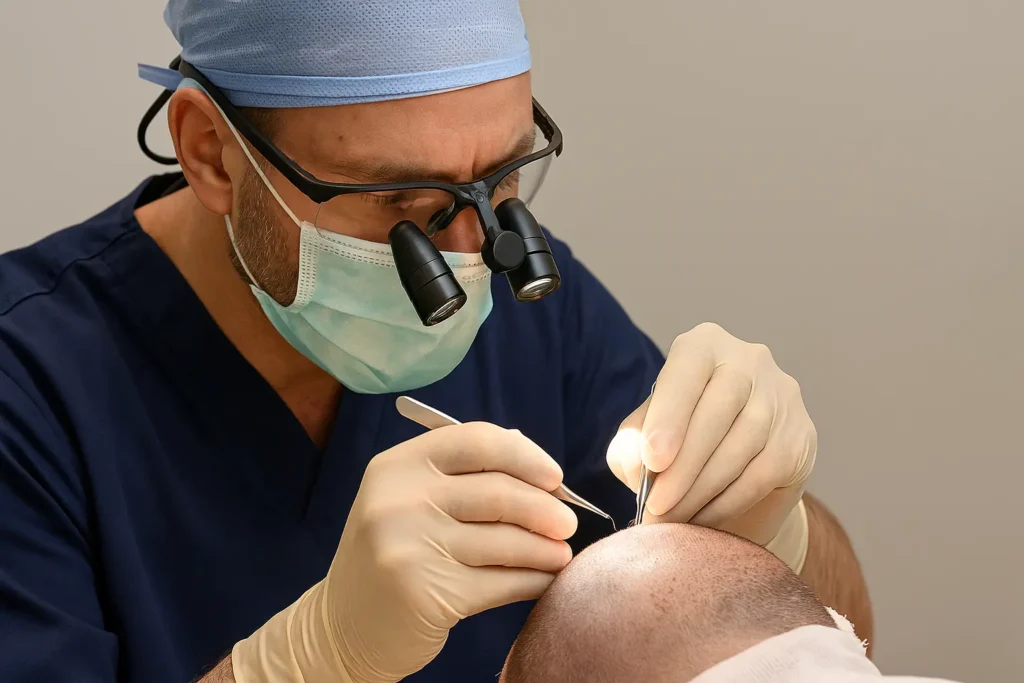
When traction alopecia or genetic thinning causes permanent hair loss along the hairline, styling changes are no longer enough. A hair transplant moves healthy follicles from a donor area at the back of the scalp to the affected hairline, restoring density where it has been lost.
https://www.trichogenics.com/the-hair-transplant-process-guide/?utm_source=chatgpt.comZThe two methods used at the highest standard are FUE (Follicular Unit Extraction) and DHI (Direct Hair Implantation). FUE removes individual follicles one by one and places them in the recipient area.
DHI uses a Choi pen to implant grafts directly without creating pre-made channels, which gives the surgeon more control over angle and direction. Both are minimally invasive and leave no linear scar.
Results depend heavily on who performs the procedure. In some countries, including Turkey, hair transplants are carried out by technicians rather than physicians, with limited medical oversight. Greece and Israel operate under stricter standards, where qualified doctors lead the procedure from consultation through implantation.
At Trichogenics, Dr. Asi I. Peretz and Dr. Eric Peretz perform every procedure personally. Both hold ABHRS Diplomate credentials and are Fellows of the World FUE Institute. Procedures are available at their clinics in Greece and Israel, with costs ranging from €4,000 to €15,000 ($5,000 to $18,000 USD) depending on the number of grafts required.
Natural Hair Line FAQs
Do Natural Hair Lines Damage Hair
No, not when installed correctly. Lines are a protective style. Damage comes from excessive tension, leaving braids in too long, or skipping moisture.
Can You Add Extensions to Lines
Yes. Feed-in extensions add length and volume without heavy tension. Ask your stylist to add them gradually along the braid rather than knotting at the base.