
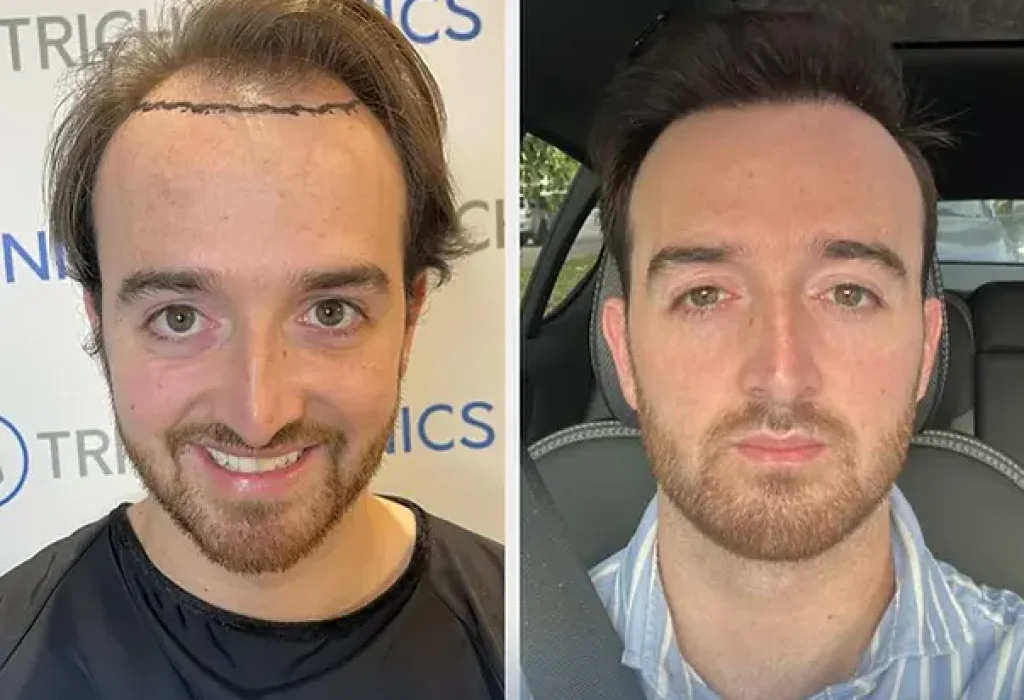
At 9 months after a hair transplant, patients want clear answers about progress and final results. Trichogenics, founded by Dr. Asi and Eric Peretz, guides patients through this stage with expert support and safe medical practices.
Our clinics in Greece and Israel offer doctor-led procedures, avoiding the risks seen in Turkey due to weak safety regulations.
Key Takeaways
- Most patients reach 70%–80% of their final results at 9 months after a hair transplant, with improvements in density, texture, and styling each month.
- Low density or patchiness at this stage is common because follicles grow at different speeds, and many areas continue to mature up to 12–18 months.
- Medical treatments like minoxidil, finasteride, PRP, and LLLT can support growth, especially for patients who feel progress is slower than expected.
- Patients should contact their surgeon if they notice persistent redness, sudden widespread shedding, or visible empty patches, as these signs may require professional evaluation.
Results to Expect 9 Months After a Hair Transplant
9 months post hair transplant: key milestones
Most patients see major progress at this point in their hair transplant surgery. Transplanted hair follicles have completed early shedding and entered steady growth.
Coverage improves, and the transplanted area looks fuller. Many feel comfortable styling their hair again.
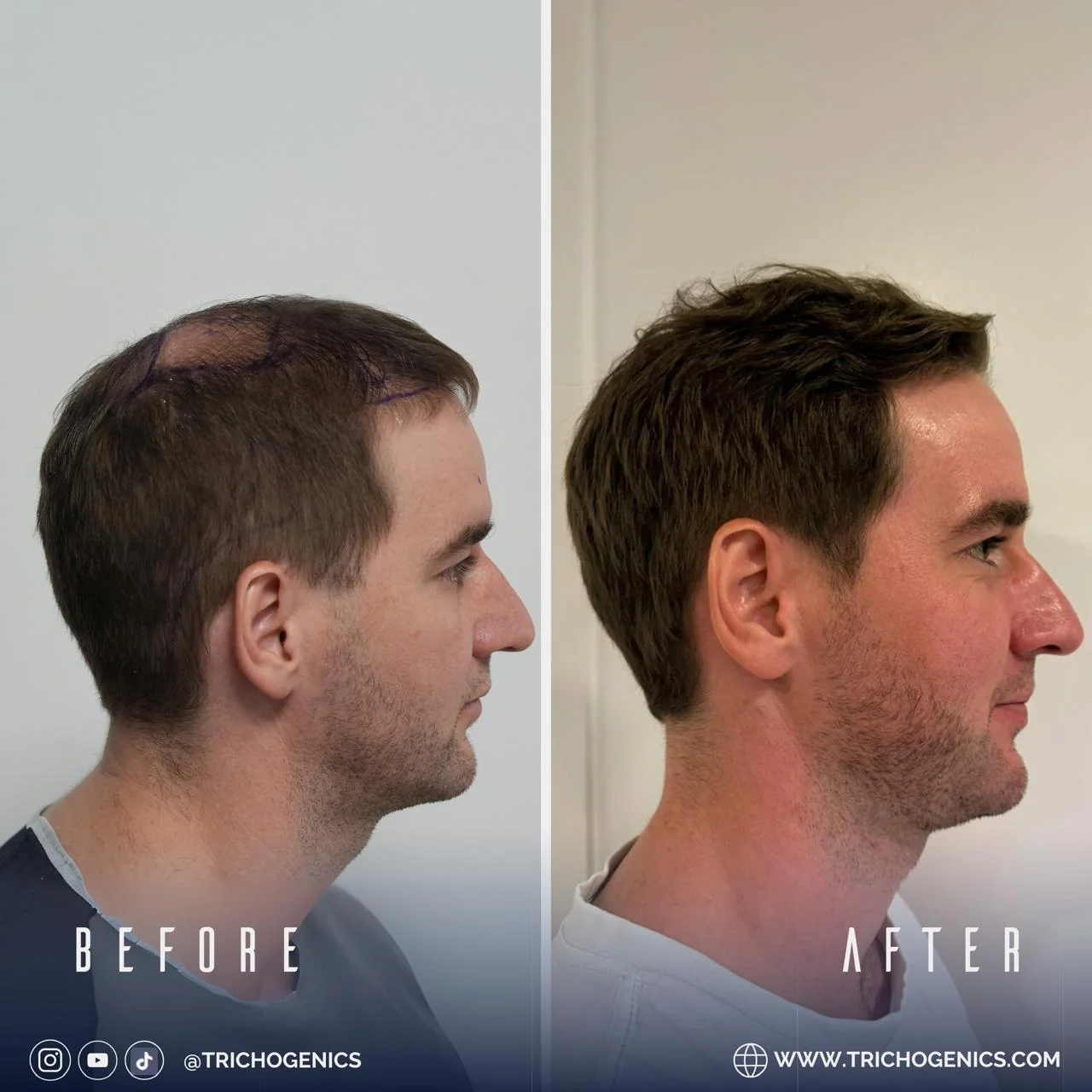
Typical growth patterns and coverage
Growth continues in cycles, so steady improvement is normal month after surgery. By month nine, the recipient area shows visible fullness, though some zones may still lag.
Large cases often mature at different speeds. These differences balance out over time.
Density, texture, and styling at this stage
Hair density usually reaches around 70%–80% of full results at this point. Texture becomes softer as the hair grows longer. Most patients can style their hair with little effort. Minor variations in thickness remain normal.
How dense is a hair transplant after 9 months?
Density improves steadily but may not yet reflect final results. Some strands remain in early growth and appear softer.
Patients with finer hair might still feel volume is low, but density continues to increase. Full results often appear closer to 12–18 months.
Why can progress vary between patients
Progress depends on donor area quality, hair thickness, and healing speed. Some patients simply grow hair faster than others. Genetics also shapes growth patterns. These variations do not signal failure.
Hair transplant results after 9 months
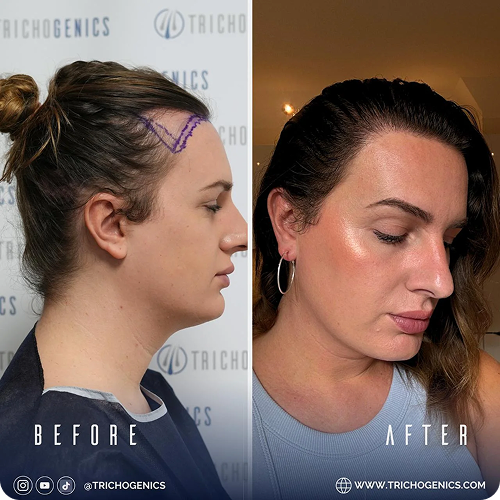
Hair transplant results after 9 months show strong coverage, maturing texture, and faster monthly growth. This stage gives a clear idea of final coverage but does not reflect complete development.
More refinement appears in the next months. Most patients remain on track for full results.
@trichogenics #hairloss #balding #hairtransplant #hairtransformation
♬ original sound - Trichogenics
Hair Transplant Stages and Growth Timeline
Hair transplant stages and early shedding
The first month involves shedding, which is normal in all hair transplant stages. This phase allows follicles to reset before new hair grows. Redness fades as the scalp heals. Early growth begins in the following months.
Hair transplant progress month by month
Hair transplant progress increases steadily. Months three to five show thin, early strands. Months six to eight reveal thicker coverage. By month nine, hair appears fuller and more stable.
How long does a hair implant take to grow
Hair implants take time to mature, which is why the hair transplantation timeline lasts over a year. New hairs often start growing between months four and six. Progress continues in monthly cycles. Full results appear between 12 and 18 months.
9 Months After FUE Hair Transplant: Low Density and Hair Loss
Is a hair transplant patchy after 9 months?
Patchiness can occur because follicles grow at different speeds. Areas with more grafts may fill sooner. Thin zones often improve during the next months. Patchiness alone is not a warning sign.
9 months after hair transplant, no density: main causes
Low density at this stage may result from:
- Limited donor area capacity
- Slow follicle activation
- Temporary shock loss
- Minor inflammation
- Naturally fine texture
These causes often improve with time.
@trichogenics Hair Transplant Dense packing. What is it? And should you get it done? My microphone dies half way but it’s worth a listen even with the bad sound! #trichogenics #hairtransplant #hairtransplantturkey #hairtransplantgreece #hairloss #densepacking #fyp #hairfall #hairtok #hairlosssolutions #hairfallsolution
♬ original sound - Trichogenics
9 months after hair transplant, hair loss: is it normal?
Mild shedding may still appear due to native hair thinning or stress. This shedding does not affect transplanted hair follicles. Most cases resolve without treatment. Heavy loss should be reviewed by a hair transplant surgeon.
Signs that growth is still on track
Normal signs include:
- Steady thickening
- Softer texture
- Baby hairs filling gaps
- No inflammation
- Better styling control
These patterns indicate healthy progress.
Why Some Patients See Slow Progress
Graft survival and surgical technique
Graft survival depends on careful harvesting and placement. Turkey often uses untrained technicians, which increases risk. Trichogenics performs every step with trained doctors for safer outcomes. This improves long-term density.
Donor area characteristics and hair texture
A strong donor area supports better coverage. Thick or wavy hairs create more volume. Fine hair may need more grafts. Donor capacity shapes final density.
Health, medication, and lifestyle factors
Smoking, stress, or poor nutrition can slow growth. Good postoperative care helps follicles settle. Following medical advice reduces complications. Healthy habits improve overall progress.
How to Improve Density After 9 Months
Medical treatments and supportive therapies
Helpful options include:
- Minoxidil for early regrowth
- Finasteride for ongoing thinning
- Anti-inflammatory treatments
These support a stronger result around the transplanted area.
Scalp care, nutrition, and daily habits
Patients should keep the scalp clean and avoid harsh products. A balanced diet supports hair growth. Gentle grooming protects newly transplanted hair. These habits strengthen long-term results.
When PRP or LLLT can help
PRP increases blood flow to the transplanted area. LLLT supports steady growth in slow zones. These therapies work well when progress seems delayed. A doctor will decide the best option.
When to Follow Up With Your Surgeon
Red flags worth discussing at 9 months
Patients should seek help for:
- Persistent redness
- Visible swelling
- Empty patches
- Sudden large-area shedding
- Increasing pain
These may require a professional review.
What to review during your checkup
The surgeon examines the donor area and the transplanted area. Photos help compare earlier stages. The surgeon may recommend supportive treatments. This guidance ensures safe progress.
Considering a Second Hair Transplant
Who qualifies for revision surgery?
Patients may qualify if graft survival was low or initial goals were high. Donor area strength determines eligibility. Most revisions occur after full results appear. This protects scalp health.
Planning donor and recipient areas safely
Surgeons create a plan that protects the donor area. The recipient area is mapped based on density needs. This approach ensures natural, long-lasting results. Safety stays the priority.
Expert Care With Trichogenics
Doctor-performed FUE in Greece and Israel
Trichogenics performs FUE (Follicular Unit Extraction) hair transplants directly by doctors, not technicians. This ensures precise placement and better graft survival. Our clinics in Greece and Israel follow strict medical standards. This is far safer than treatment in Turkey.
Long-term support from Dr. Asi and Dr. Eric Peretz
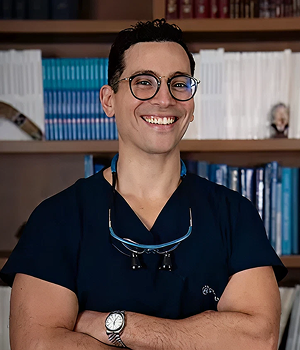
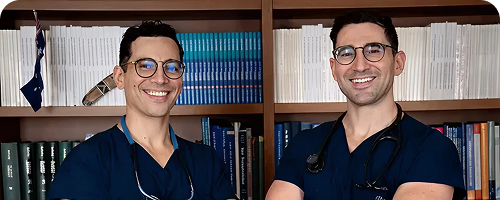
Dr. Asi Peretz and Dr. Eric Peretz guide patients through every step of treatment. Their expertise helps patients understand their hair transplant surgery and long-term expectations.
Their involvement builds confidence. Patients receive clear, personalized direction.
Personalized plans for delayed results and low density
Patients receive custom plans when growth is slow. These may include medication, PRP, or lifestyle changes. Each plan supports steady progress toward full results. Our team stays involved until improvement is complete.
Why Choose Trichogenics?
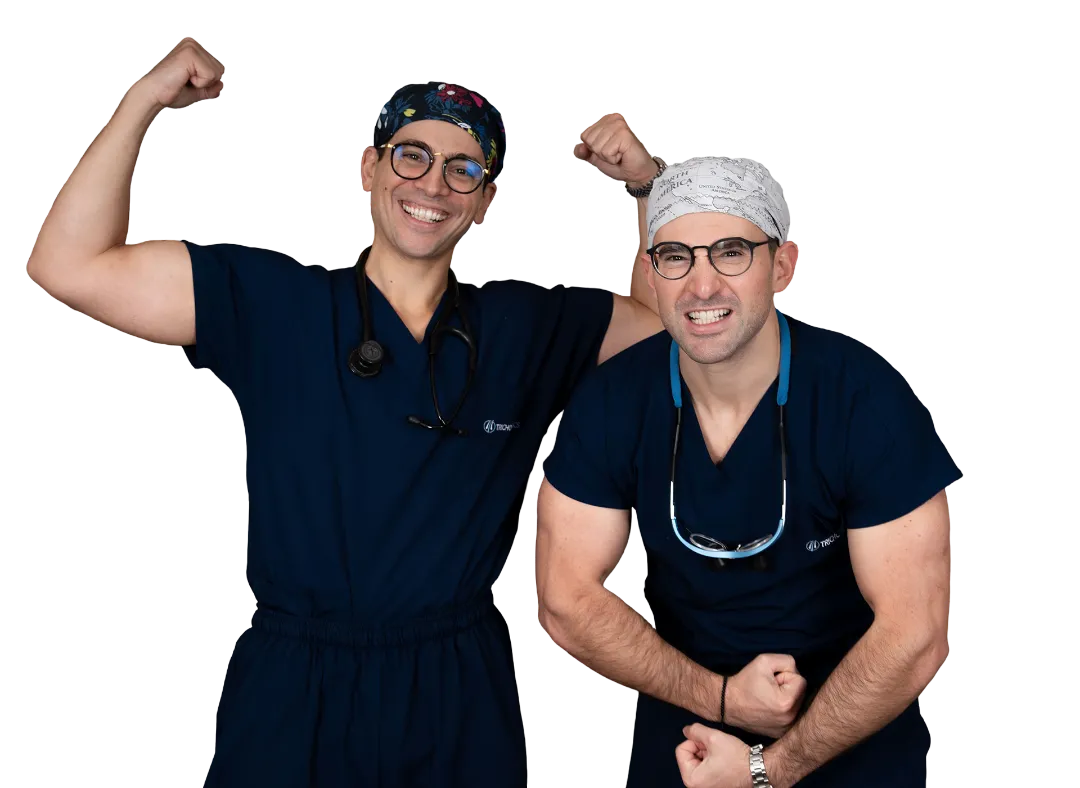
All procedures are performed only by doctors
The uniqueness of Trichogenics lies in its strict medical process—only certified doctors perform every transplant. No technicians or unqualified assistants are involved. Choosing a clinic with proven experience in hair transplants can make all the difference.
Meet Dr. Asi and Dr. Eric Peretz
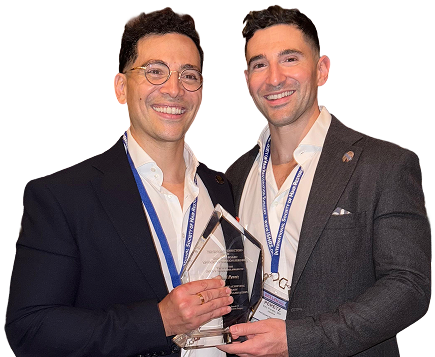
The two doctors leading Trichogenics Dr. Asi Peretz and Dr. Eric Peretz are recognized leaders in the field. Their extensive experience, attention to detail, and focus on natural results make Trichogenics the best choice.
Celebrity Hair Transplants
Who has undergone the procedure at Trichogenics? The answer is clear: a safe, professional clinic that delivers results that look great even under camera lights.
Contact Trichogenics today to schedule a personal consultation and get a clear, doctor-led plan for your hair restoration.