
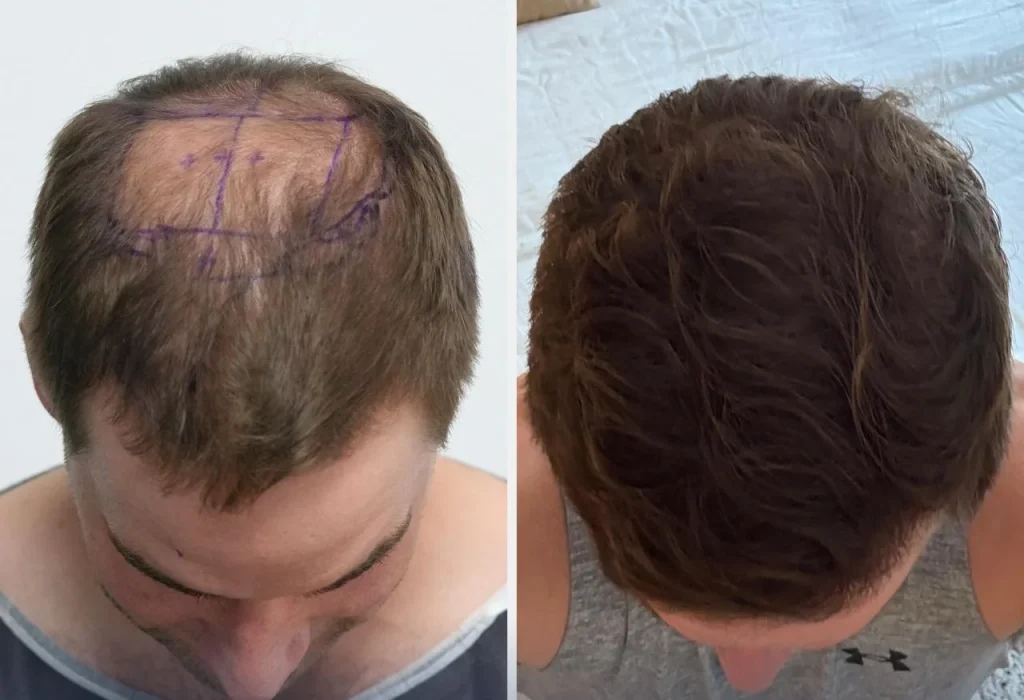
An extensive hair transplant is often discussed by people with advanced hair loss who want visible improvement. A 5000-graft hair transplant involves moving a high number of grafts from one part of the scalp to areas with thinning or loss. Results depend on donor supply, surgical planning, and the placement of grafts.
Understanding how a large session fits within the broader hair transplant recovery timeline helps patients set realistic expectations for healing, shedding, and long-term growth.
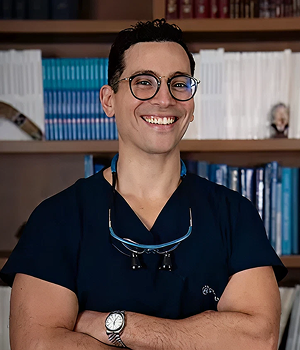
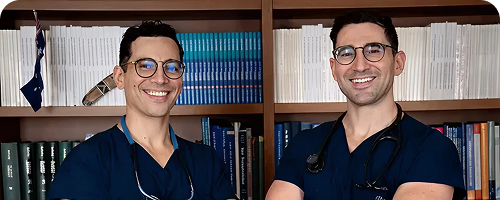
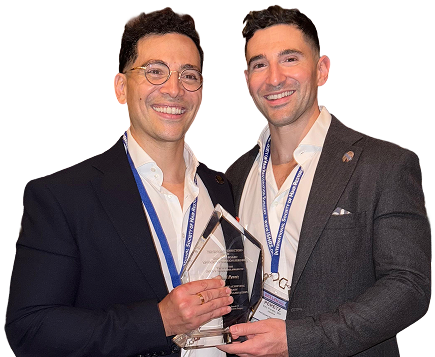
Trichogenics was founded by Dr. Asi Peretz and Dr. Eric Peretz and operates in Greece and Israel under regulated medical systems. This article explains how large graft sessions work and what patients should understand before choosing this approach.
Key Takeaways
- A 5000-graft hair transplant is considered a large session. It is typically used to cover a wide area of hair loss, with results depending on donor supply, graft placement, and overall planning.
- Each graft contains one to four hairs, so understanding graft count versus total hair count helps set realistic expectations for coverage and density.
- Not all patients are suitable candidates, as donor area quality, extent of hair loss, and future progression must be evaluated before deciding on a high graft number.
- Cost and safety vary by clinic and location, and procedures performed under stricter medical regulations with structured follow-up tend to focus more on long-term patient care.
How Much Will 5000 Grafts Cover?
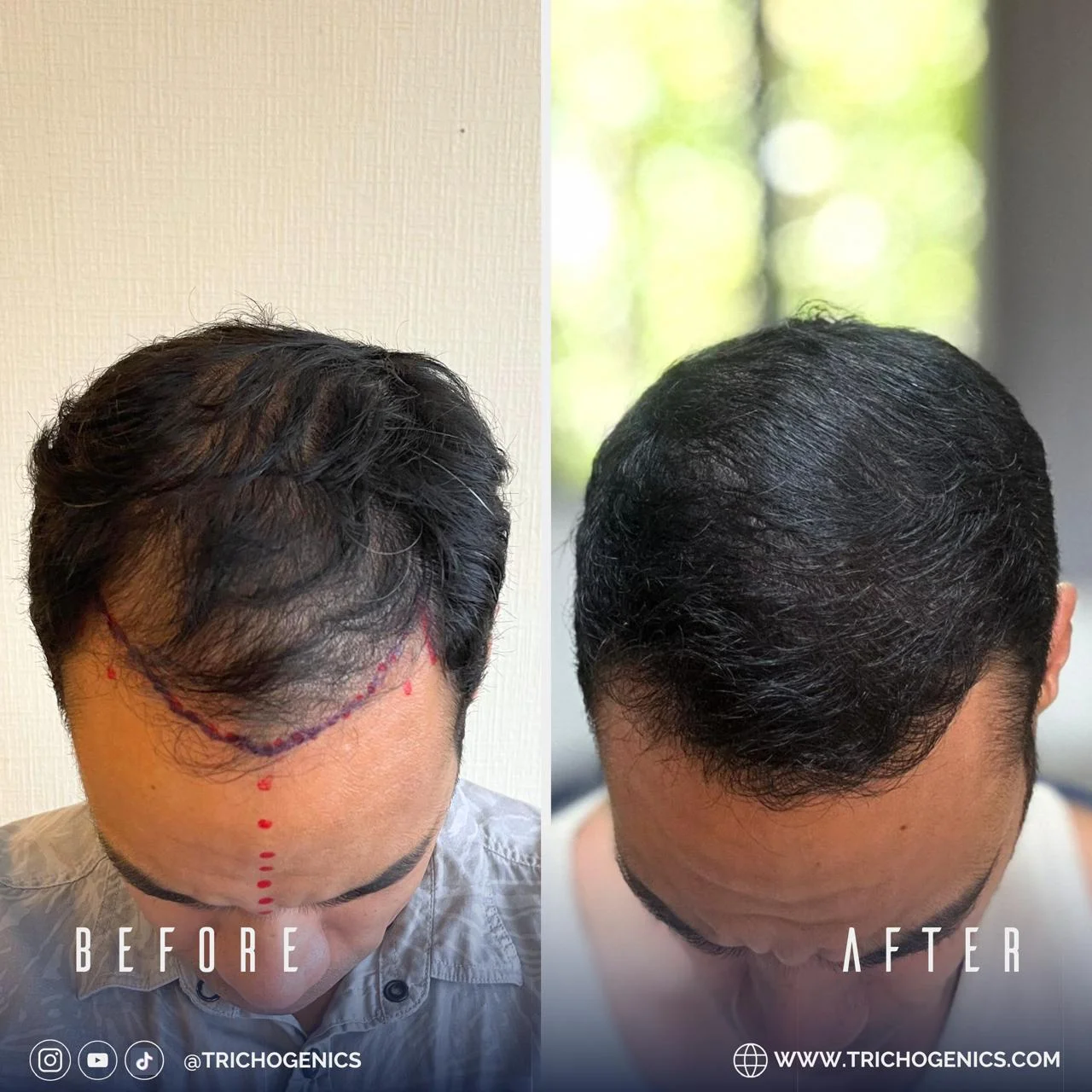
The coverage from 5000 grafts depends on how many hairs each graft contains and where they are placed. Grafts are small groups of hair follicles, not single hairs. Scalp size, hair type, and the pattern of hair loss also affect results.
Patients typically use 5000 grafts to treat a large surface area such as the frontal hairline, mid-scalp, and part of the crown. The goal is balanced coverage rather than extreme density.
These principles are closely tied to hair transplant density, which emphasizes strategic placement rather than maximizing graft usage.
How Many Hairs per Graft
Each graft can contain a different number of hairs. This affects how full the hair looks after surgery.
- Single-hair grafts help create a natural hairline
- Two- and three-hair grafts add volume behind the hairline
- Some grafts contain four hairs, though these are less common
Because of this variation, the total number of hairs transplanted exceeds the number of grafts required.
Coverage vs Density Expectations
Coverage refers to the amount of scalp surface treated. Density refers to how thick the hair appears in a given area. Large sessions often focus on covering more ground first.
For some patients, 3000 grafts may be enough. Others need more because hair loss affects a broader region. Adding density may be possible later if the donor area allows.
Is 5000 Grafts a Large Hair Transplant?
Yes, 5000 grafts is considered an extensive hair transplant. It usually takes more time and careful planning than smaller sessions. These cases need close medical supervision during and after surgery.
Not every hair transplant clinic performs large sessions. They require longer procedures, coordinated teams, and structured follow-up care.
What Defines a Large Session
A large session involves many hours of graft extraction and placement. Some clinics divide the work across multiple days.
The scalp needs enough blood flow to heal properly. Poor spacing or rushed work can reduce growth and affect results.
Donor Area Limits
Hair follicles are extracted from the donor area, usually the back and sides of the scalp. This area has a limited supply.
Removing too many grafts can thin the donor zone and increase the risk of visible scarring.
Donor preservation is a key principle discussed in guides about hair transplant scars, causes, prevention and treatment, especially in high-graft sessions.
@trichogenics Hair transplant basics. The concept of coverage value for proper donor area management. #hairtransplant #hairtransplantgreece #hairtransplantturkey #hairlosssolutions #hairloss #hairfall #finasteride #trichogenics #minoxidil #finastride #coveragevalue #fue #fyp
♬ original sound - Trichogenics
Who Is a Suitable Candidate for 5000 Grafts?
Not everyone with hair loss needs or qualifies for 5000 grafts. The decision depends on the pattern of hair loss and donor strength.
Patients typically considered for large sessions have extensive thinning and a stable donor zone. Age and expected future hair loss also matter.
Extent of Hair Loss
Large sessions are often used for advanced loss in the frontal and mid-scalp regions. Small or early thinning does not require this many grafts.
Using more grafts than needed does not improve results. Treatment should match the true size of the affected area.
Donor Area Quality and Capacity
Donor quality includes hair thickness, density, and texture. Capacity refers to the number of grafts that can be safely removed.
A limited donor area requires careful planning. Preserving grafts helps protect long-term options.
How Doctors Decide the Number of Grafts Required
Doctors determine graft count through medical evaluation, not preference. They assess scalp size, donor density, and expected future hair loss.
This approach aligns with guidance on when you should get a hair transplant, where timing and progression are central to long-term success.
Key factors doctors review include:
- Size of the thinning or bald area
- Density and strength of the donor zone
- Expected future hair loss
Medical Evaluation and Long-Term Planning
Medical evaluation is an essential step before any large session. It helps set realistic goals and clear limits.
Long-term planning looks beyond one surgery. It considers how hair loss may continue over time.
Donor Assessment
Doctors examine donor density, scalp condition, and prior procedures. They also check for signs of overharvesting.
This step helps protect the donor area and supports healthy regrowth.
Planning for Future Hair Loss
Hair loss often progresses over years. Planning must include areas that may thin later.
Using grafts wisely helps maintain balance over the long term.
How a 5000-Graft Procedure Is Performed
Most large sessions use follicular unit extraction as the primary method. This technique removes grafts one by one.
The procedure can last many hours and requires careful pacing. This protects graft quality and patient comfort.
Follicular Unit Extraction (FUE)
FUE follicular unit extraction uses small tools to extract grafts. It avoids a long scar and allows even removal.
Follicular unit extraction is widely used in modern hair restoration.
Graft Extraction and Placement Strategy
Graft extraction follows a planned pattern to protect the donor area. Placement focuses on angle, direction, and spacing.
Some clinics use tools such as Choi pens to guide implantation. These tools help control depth and direction.
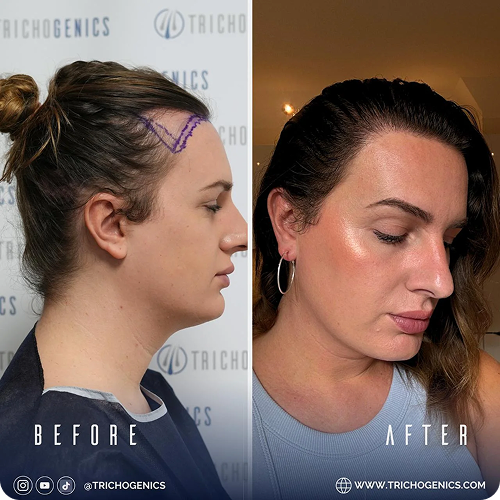
5000 Hair Grafts Before and After Results
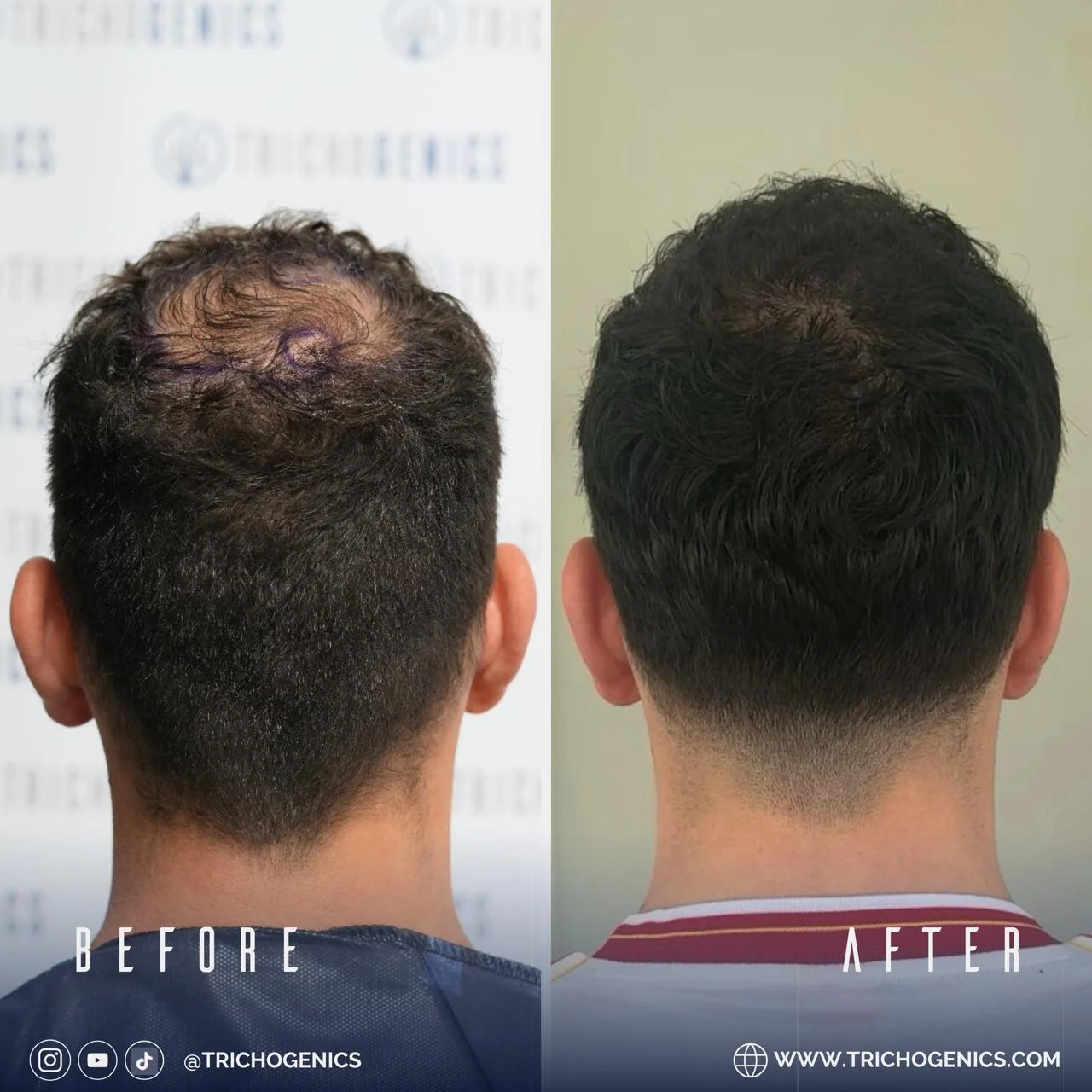
Photos showing 5000 hair grafts before and after usually highlight better coverage rather than extreme density. Results vary by patient.
Hair growth takes time. Early appearance does not reflect final results.
What Results Typically Look Like
Most patients report improved facial framing and a less visible scalp. The goal is a natural look.
Hair color, curl, and texture affect how full the hair appears.
Timeline for Visible Growth
Shedding often happens in the first weeks. New hair growth usually begins after 3 to 4 months.
Final results often appear between nine and twelve months.
Post-Procedure Care and Follow-Up
Recovery extends beyond surgery day. Patients need clear instructions on washing, activity, and scalp care.
Large sessions often require closer monitoring. Guidance found in the hair transplant aftercare guide helps support healing and early growth.
Post-procedure care often includes:
- Scheduled clinical check-ins
- Guidance on shedding and regrowth
- Review of donor and recipient healing
5000 Grafts Hair Transplant Cost
Hair transplant cost varies by location, technique, and medical involvement. Large sessions often cost more due to the time and complexity involved.
Cost should be reviewed alongside safety standards and follow-up care.
What Affects Pricing
Several factors influence price:
- Number of grafts
- Length of the procedure
- Level of doctor involvement
Lower prices may reflect limited regulation or reduced follow-up.
Doctor-Performed vs High-Volume Clinics
In some countries, including Turkey and others abroad, medical regulations may allow limited physician involvement. This can affect oversight during large sessions and follow-up care.
Countries such as Greece and Israel operate under stricter medical frameworks. These systems emphasize training, accountability, and patient safety.
Safety, Regulation, and Clinic Standards
Large hair transplant sessions place higher demands on medical oversight. Regulations vary by country and affect who performs the procedure and how care is supervised.
In some medical tourism destinations, rules may allow reduced doctor involvement.
Greece and Israel follow stricter medical regulations. These require physician licensing, defined responsibility, and structured follow-up. For large sessions, this environment supports patient safety and long-term outcomes.
Regulatory differences may influence:
- Doctor involvement during surgery
- Post-operative monitoring
- Response to complications
Risks and Safety Considerations
Large sessions increase scalp stress. Risks rise when donor limits are ignored.
Understanding these risks helps patients make informed decisions.
Donor Preservation
Overharvesting can cause permanent thinning in the donor area. Preserving donor density protects future options.
Careful graft extraction reduces damage.
Balancing Current and Future Coverage
Using all grafts at once may limit future treatments. Hair loss can continue over time.
Balanced planning helps manage current needs and future change.
Is 5000 Grafts the Right Choice for You?
A 5000-graft procedure may suit patients with wide hair loss and strong donor capacity. It is not the right option for everyone.
A medical evaluation helps decide if this approach fits your hair pattern and long-term goals. Clear guidance supports safer and more stable outcomes.
Why Choose Trichogenics?
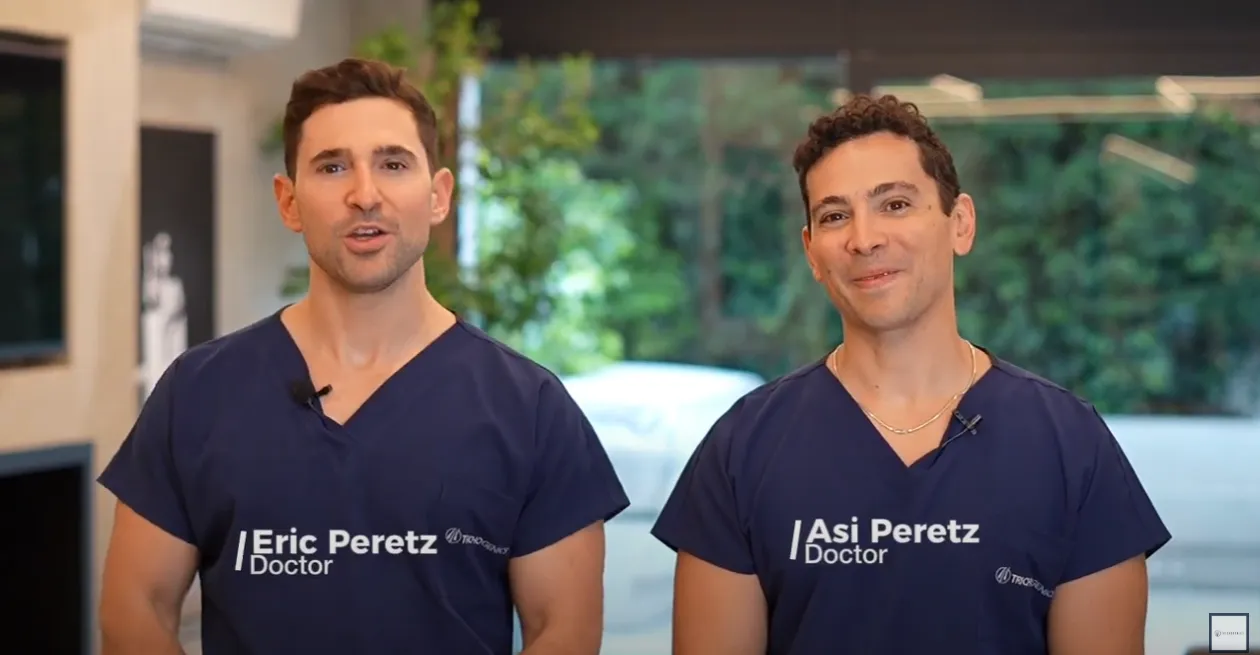
All procedures are performed only by doctors.
The uniqueness of Trichogenics lies in its strict medical process; only certified doctors perform every transplant. No technicians or unqualified assistants are involved. Choosing a clinic with proven experience in hair transplants can make all the difference.
Meet Dr. Asi and Dr. Eric Peretz
The two doctors leading Trichogenics, Dr. Asi Peretz and Dr. Eric Peretz, are recognized leaders in the field. Their extensive experience, attention to detail, and focus on natural results make Trichogenics the best choice.
Celebrity Hair Transplants
Who has undergone the procedure at Trichogenics? The answer is clear: a safe, professional clinic that delivers results that look great even under camera lights.
Contact Trichogenics today to schedule a personal consultation and get a clear, doctor-led plan for your hair restoration.