
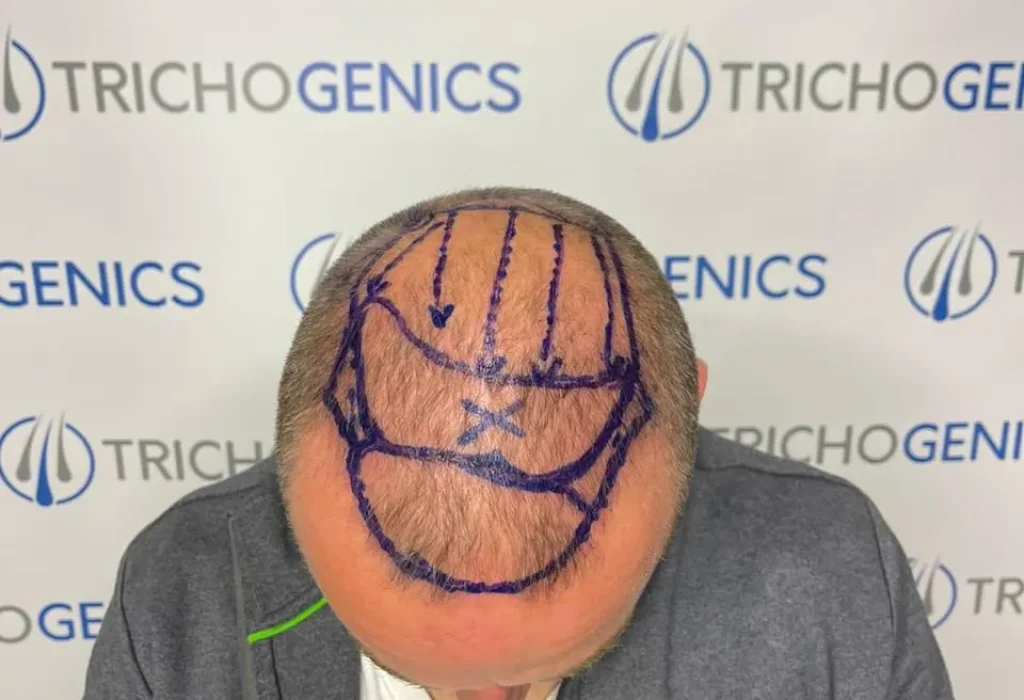
A Norwood 7 hair transplant can show clear improvement. However, results depend on the supply of donor hair. The cost varies based on how many grafts you need.
The options mainly focus on strategic coverage, not full restoration, as explained in what happens to the donor area after a hair transplant.
This advanced stage of hair loss usually means the top of the head is completely bald, with only a thin band of stable hair available for transplant. A Norwood 7 hair transplant typically prioritizes framing the face and improving appearance instead of recreating high density.
Costs depend on the number of grafts, the technique used, and whether additional methods like scalp micropigmentation are included. The sections below explain what outcomes are realistic, how planning works, and which options may be appropriate.
Key Takeaways
- A Norwood 7 hair transplant can improve appearance, but results are limited by donor supply and focus on strategic coverage rather than full density restoration.
- Norwood 7 represents an advanced stage of male pattern baldness, where the top of the head is often completely bald and only a thin band of stable donor hair remains.
- Graft numbers, cost, and outcomes vary by individual factors such as donor area quality, hair characteristics, and whether beard or body hair is used, as outlined in beard hair for hair transplant.
- Support options like scalp micropigmentation can enhance visual results when donor hair is limited, especially in advanced cases.
Is a Hair Transplant Possible for Norwood 7?
Yes, a hair transplant Norwood 7 can be performed, but it has clear limits. At this stage of hair loss, the bald area usually spans from the hairline to the crown, leaving limited donor hair to work with.
Surgeons often plan partial coverage that improves framing rather than aiming for full density. Clear medical counseling is essential before moving forward.
Understanding Norwood 7 Hair Loss
Norwood hair loss scale and classification
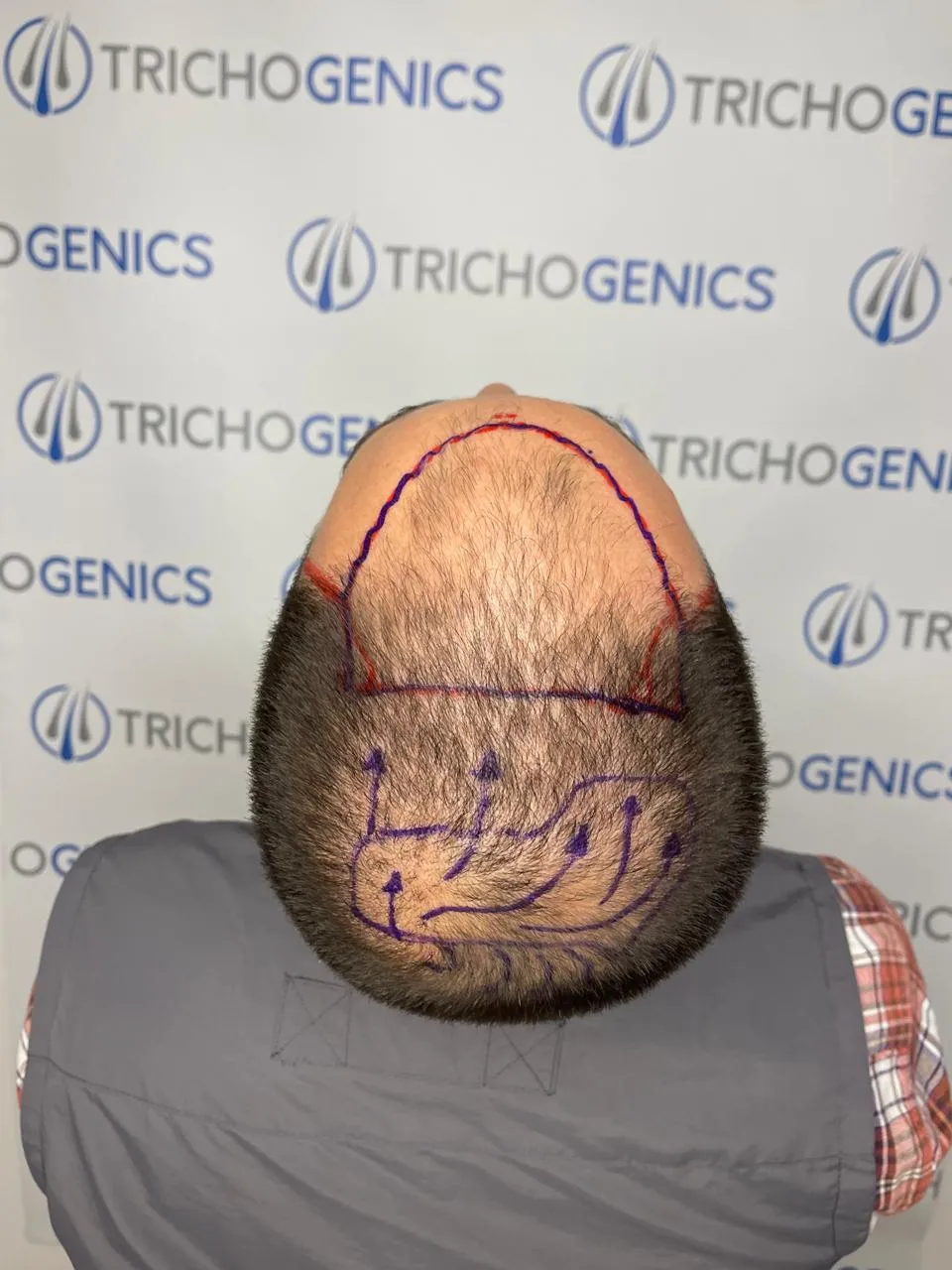
The Norwood scale is a standard system used to describe the progression of male pattern baldness. Norwood 7 is the final Norwood stage, marked by a horseshoe-shaped pattern of hair.
Hair remains only along the sides and back of the scalp. This thin band of hair defines the available donor area.
Does everyone reach Norwood 7?
Not everyone progresses to Norwood 7. Genetics, age, and hormonal factors influence how hair loss develops over time.
Many people stop at an earlier stage. Reaching this advanced stage is not inevitable, as discussed when you should get a hair transplant.
Donor Hair Limits and Graft Planning
Scalp donor area limits
In Norwood 7 cases, the donor area is often narrow. Only a thin section of stable hair is available for harvesting. This limits how much of the scalp can be covered safely. Preserving donor hair is a key clinical concern.
How many grafts are needed for Norwood 7?
The number of grafts varies by patient, but planning is conservative. Surgeons often focus on priority zones rather than full coverage. Factors include scalp laxity, hair caliber, and donor density.
- Size of the bald area
- Density of remaining donor hair
- Target coverage goals
When beard or body hair is used
When scalp donor hair is limited, beard or body hair may be considered. These hairs differ in growth cycle and texture. They are often used to support density rather than create a hairline.
This approach requires careful technique and experience, similar to cases explained in hair transplant from another person.
Norwood 7 Hair Transplant Results
What results realistically show
Results for Norwood 7 focus on visible improvement, not reversal of hair loss. Coverage is often concentrated at the front or mid scalp. Density remains lower than in early-stage cases. Expectations should reflect these limits.
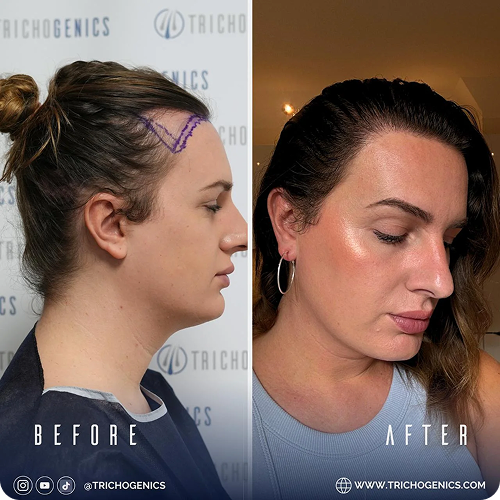
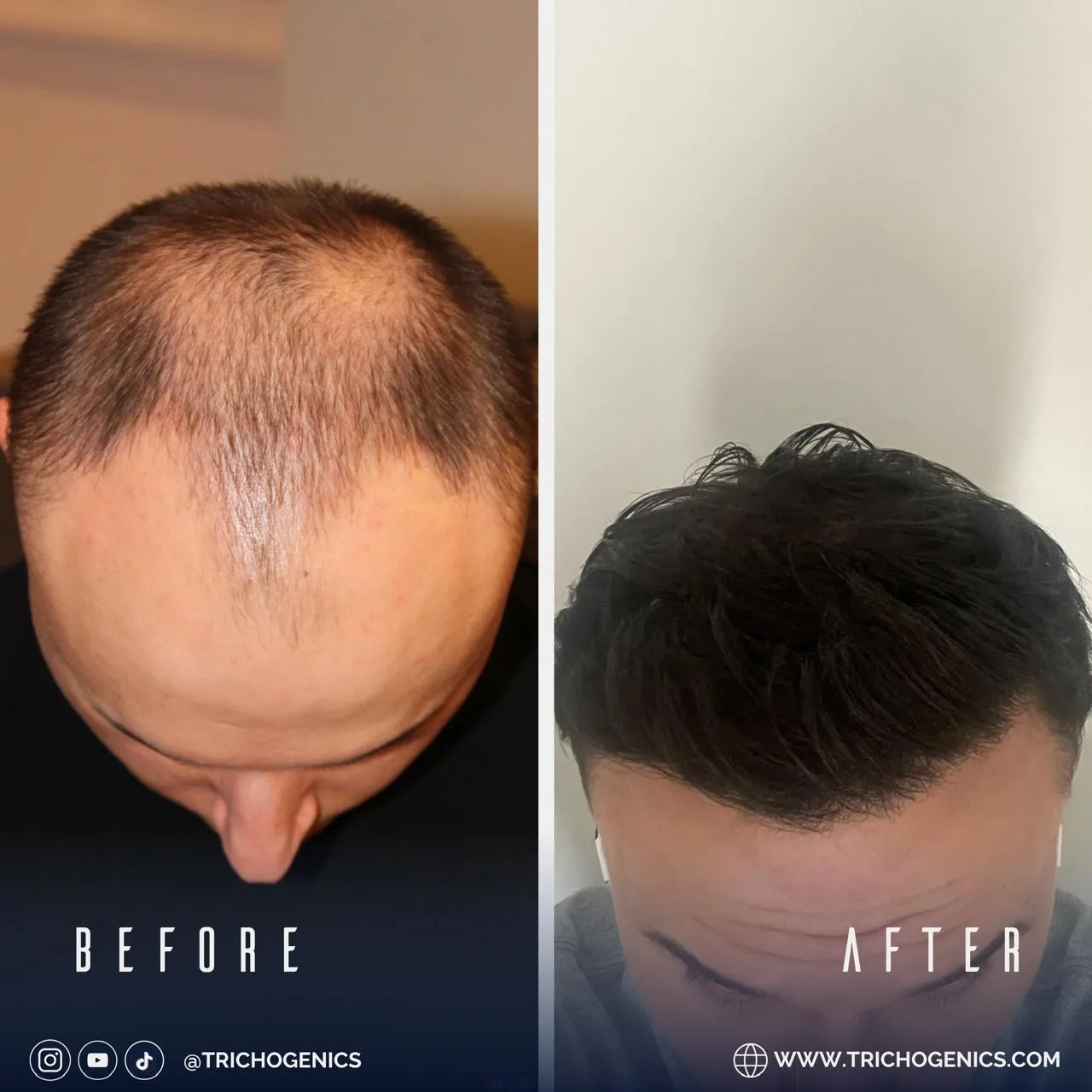
Norwood 7 hair transplant before and after
Norwood 7 hair transplant before and after photos often show better framing of the face. The scalp may still appear thinner under bright light. Improvement is usually noticeable but subtle. These comparisons help set realistic goals.
Norwood 7 Hair Transplant Cost
Grade 7 hair transplant cost factors
Grade 7 hair transplant cost depends on several variables. The extent of hair loss and the number of grafts required play a major role. Technique choice also affects pricing, similar to the breakdown in hair transplant costs explained what you’re really paying for.
Real cost examples
- United States clinic: A Norwood 7 case needing around 3,000–4,000 grafts can range from $15,000 to $24,000 USD, depending on graft price and facility fees.
- Europe clinic (Greece/Israel): The same scope often falls between €9,000 and €15,000 (about $9,800–$16,500 USD) with doctor-led surgery.
- Mexico-based clinic (premium): For advanced coverage plus possible beard/body hair use, prices can be $7,000–$12,000 USD based on experience level and aftercare.
These examples reflect typical pricing ranges but individual quotes vary by clinic, graft count, and technique used.
What affects total pricing
Cost is influenced by planning complexity and follow-up care:
- Number of grafts harvested
- Use of beard or body donor hair
- Surgical sessions and aftercare
Some clinics offer a free consultation to review these factors in detail.
Norwood 7 SMP and Support Options
When SMP improves appearance
Scalp micropigmentation can help when the scalp is completely bald or thin. It creates the look of short hair or added density. SMP does not replace hair but can improve contrast. It is often used in advanced cases.
Combining SMP with transplant
SMP may be combined with surgery to improve visual results. Transplanted hair adds texture, while pigmentation reduces scalp visibility. This combined approach can be useful when donor hair is limited. It requires coordinated planning.
Who Is a Suitable Candidate?
Medical suitability and expectations
Candidates must understand the limits of hair restoration at Norwood 7. Overall health, scalp condition, and donor quality matter. A physician-led evaluation is essential for safety. Unrealistic expectations should be addressed early.
Long-term restoration planning
Long-term planning considers future hair loss and donor preservation. Follow-up care and monitoring are part of responsible treatment. Some patients choose staged procedures over time. This approach supports more stable outcomes.
@trichogenics An incredible hair transformation for one of our favorite patients. #trichogenics #hairloss #hairtransplant #hairtransplantturkey #hairfall #hairfallsolution #hairtransplantgreece #hairtransplantresult #hairtransformation
♬ original sound - Trichogenics
Safety and treatment location considerations
Traveling abroad for surgery carries risks when regulation and follow-up are limited. Some countries, including Turkey, have reported gaps in oversight and physician involvement.
In contrast, regulated environments like Israel and Greece emphasize doctor-led care and structured follow-up. Location should be considered as part of the overall patient safety.
Why Choose Trichogenics?
All procedures are performed only by doctors
The uniqueness of Trichogenics lies in its strict medical process; only certified doctors perform every transplant. No technicians or unqualified assistants are involved. Choosing a clinic with proven experience in hair transplants can make all the difference.
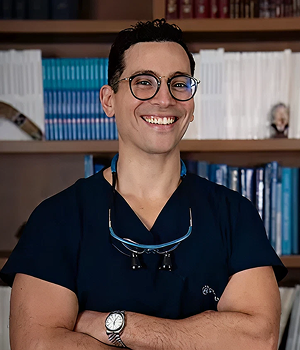
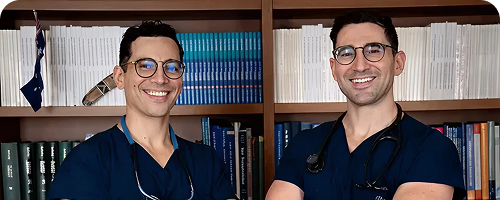
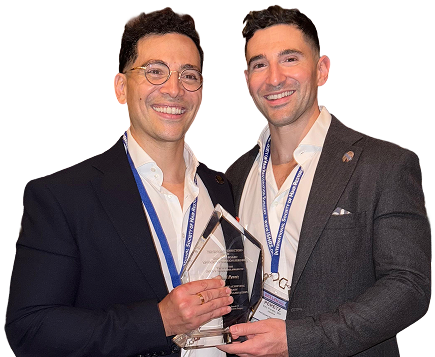
Meet Dr. Asi and Dr. Eric Peretz
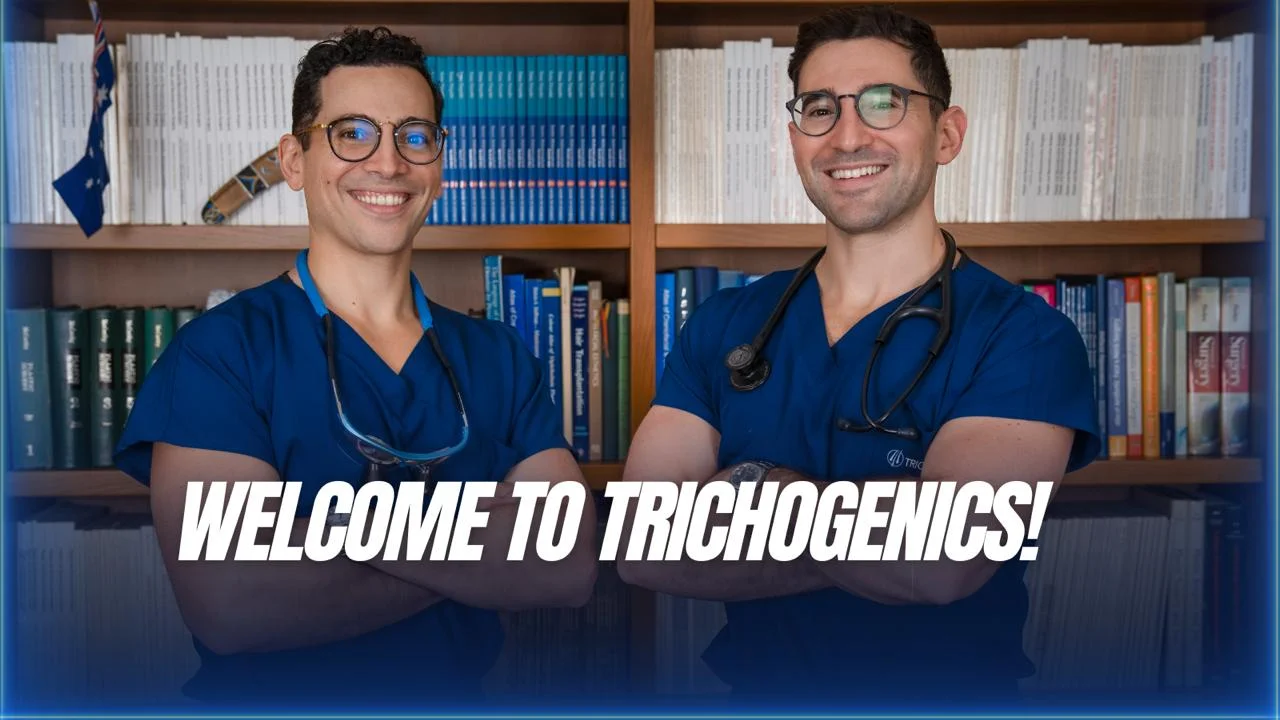
The two doctors leading Trichogenics, Dr. Asi Peretz and Dr. Eric Peretz, are recognized leaders in the field. Their extensive experience, attention to detail, and focus on natural results make Trichogenics the best choice.
Contact Trichogenics today to schedule a personal consultation and get a clear, doctor-led plan for your hair restoration.