
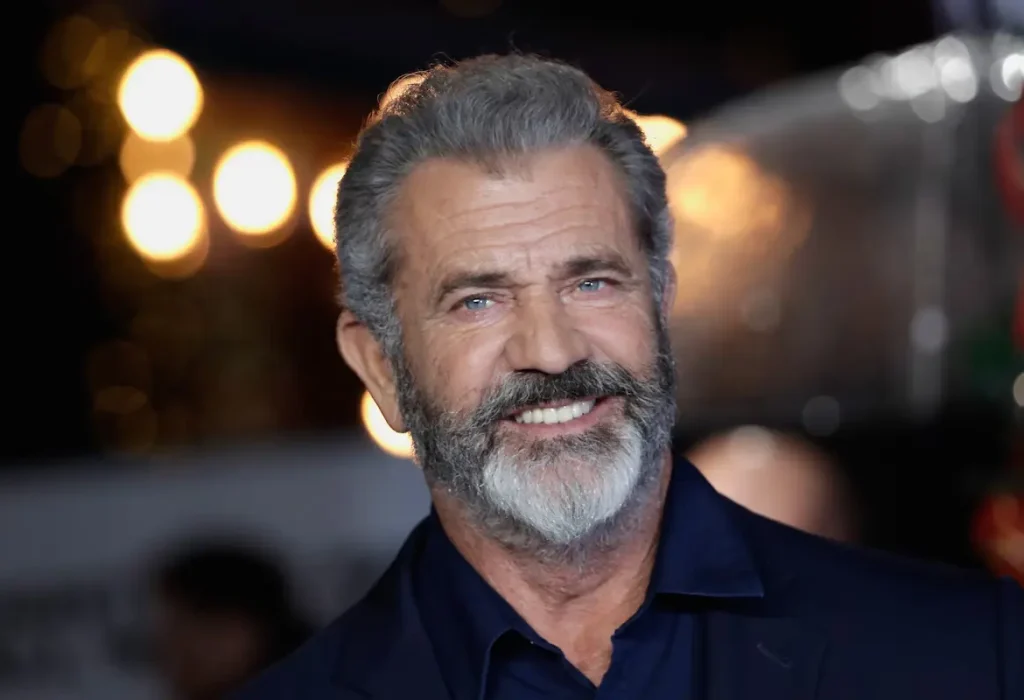
Over time, Mel Gibson’s appearance shows a clear shift from a receding hairline and visible thinning to a fuller and more stable look. Many people point to a possible Mel Gibson´s hair transplant, although he has never confirmed having surgery.
Similar public interest often appears in cases involving celebrities with hair transplants, where visible change fuels speculation.
The difference can be seen in hairline shape, density at the front, and overall scalp coverage in later years. These changes are similar to results seen with modern hair restoration methods.
However, they can also be affected by styling, lighting, and natural differences. The sections below explain what likely changed and how similar results are achieved in clinical practice.
Key Takeaways
- Changes in Mel Gibson’s hair over time suggest a visible hair transformation, marked by improved density and a more stable hairline in later years, even without public confirmation of surgery.
- A fuller head of hair can result from modern hair restoration methods, though styling, lighting, and natural variation also affect how results appear on screen.
- Many people in the public eye draw attention to hair changes earlier because cameras and lighting make thinning easier to notice.
- Similar outcomes depend on factors such as hair loss pattern, donor hair quality, technique choice, and long-term follow-up rather than a single procedure alone.
Did Mel Gibson Have a Hair Transplant?
There is no public statement confirming whether Mel Gibson had a hair transplant. Mel Gibson has never said that he had hair transplant surgery.
Most opinions are based on photos from different years, not medical proof. For that reason, this topic remains based on observation.
From a clinical view, changes in hair can happen for several reasons. These may include:
- Medical hair restoration treatment
- Changes in haircut or styling
- A surgical hair transplant procedure
Without confirmation, the best approach is to explain what treatments could explain these changes. This keeps the discussion accurate and responsible.
Mel Gibson’s Hair Loss and Early Hairline
Male hair loss often follows predictable patterns. Recession at the temples and thinning near the crown are common early signs.
Doctors see these patterns frequently, especially in men who later explore options like Norwood 2 hair transplant planning.
For actors, hair loss is noticed faster. Cameras, lights, and close shots make thinning easier to see. Common factors that increase visibility include:
- Bright studio lighting
- High-definition cameras
- Repeated close-up filming
This explains why small changes can draw public attention.
Mel Gibson Young: Hair in the 80s
In the 1980s, Mel Gibson appeared with thick hair and strong coverage. His hairline was low and even. There were no clear signs of thinning. This stage provides a clear reference point for later changes.
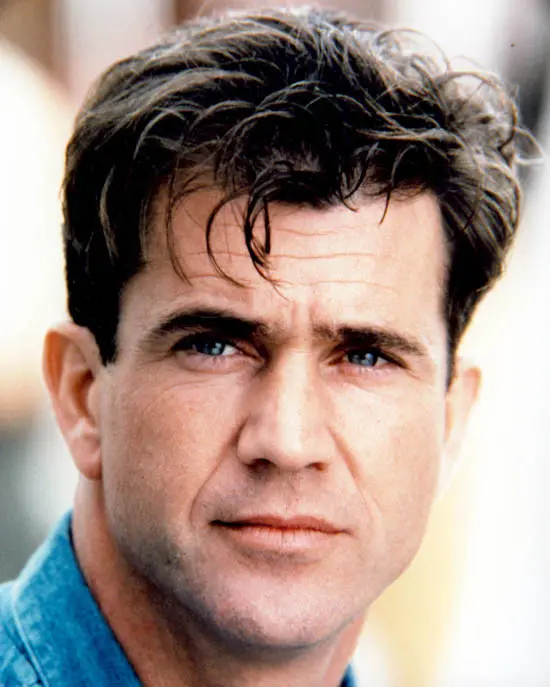
Having a full head of hair at a young age does not prevent future loss. Hormone-related changes can affect hair growth over time. Many men see thinning years later. This contrast explains why his hair became a topic of interest.
When Hair Loss Became Noticeable
As Mel Gibson got older, thinning became easier to see, mainly at the temples. His frontal hairline appeared higher in some appearances. These are common signs of androgen-related hair loss. Many people begin to look into treatment options at this stage.
At this point, patients often meet with a hair transplant surgeon to review options such as:
- When should start
- How much donor hair is available
- How to plan for long-term care
Early evaluation helps keep results natural and balanced.
Mel Gibson Hair Transplant Before and After
Searches for Mel Gibson’s hair transplant before and after focus on visual differences over time. In later years, his hairline appears fuller and more even.
The front of the scalp also looks denser. These changes are similar to results seen after modern hair restoration procedures.
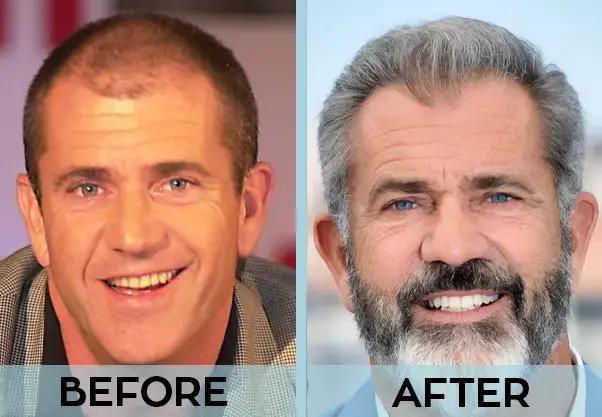
In medical practice, results like this may come from a FUE hair transplant or related methods. Outcomes depend on several factors, including:
- Donor hair quality
- Hair placement and direction
- Ongoing follow-up care
Hair length, lighting, and styling can also affect how results look. Photos alone cannot confirm surgery.
Hair Transplants Among Famous Actors
Hair transplant procedures for famous actors are often discussed because appearance plays a role in long careers under constant exposure. Small changes in hair density or hairline shape become noticeable quickly when someone is always in the public eye.
For this reason, actors and other public figures tend to explore hair restoration earlier than most people. Their cases help explain how modern hair transplant surgery focuses on subtle improvement rather than dramatic change.
Several well-known figures have openly talked about their hair restoration choices, which has helped normalize these procedures.
Examples often mentioned include Wayne Rooney and Gordon Ramsay, both of whom acknowledged undergoing treatment.
These cases show that hair restoration is not limited to actors and that results aim to support a natural appearance over time. They also highlight that hair loss management is often a long-term process.
Common reasons famous actors and public figures consider hair restoration include:
- Ongoing visibility in film, television, and media appearances
- Early signs of a receding hairline or thinning that affects on-screen roles
- The desire for a consistent appearance across different stages of their career
These examples help readers understand that a hair restoration procedure is usually planned carefully and adjusted over time. Outcomes depend on hair loss pattern, technique selection, and follow-up care, not on a single session.
Which Actor Has Done the Most Hair Transplants?
There is no reliable way to know which actor has had the most procedures. Some people have more than one session over time. Hair loss continues with age, so follow-up treatment is common. This is part of long-term care.
Multiple procedures often support:
- Managing ongoing hair loss
- Protecting donor hair
- Keeping a stable hairline
This approach is common for many patients, not only celebrities.
Why FUE Is Common for Actors
FUE follicular unit extraction is popular because it does not leave a long scar. Each hair follicle is removed and placed one at a time. This allows better control over hair placement. It works well for short hairstyles.
FUE offers clear benefits, including:
- Faster healing
- Less visible scarring
- Flexible styling choices
When done correctly, it helps achieve a natural-looking result.
Celebrities With Hair Transplants
Celebrities with hair transplants shape how the public views hair restoration. Their results often look subtle and age-appropriate. The goal is usually a fuller hairline, not a dramatic change. This approach matches natural aging.
@trichogenics #onthisday throwback to Dr Eric and Celebrity hair transplants. #trichogenics #hairtransplant #hairtransplantturkey #fypage
♬ original sound - Trichogenics
Careful planning is key and often includes:
- Following natural hair direction
- Spreading density evenly
- Keeping facial balance
This reduces the risk of an artificial look.
Does Brad Pitt Have Hair Transplants?
There is no confirmed proof that Brad Pitt has had a hair transplant procedure. His hair has changed slowly over time. Styling, grooming, and normal aging explain much of what people see. Claims remain unconfirmed.
This shows an important point. Not every change means surgery. Hair growth cycles and cosmetic choices also matter. Careful review is always needed.
What This Case Shows About Modern Hair Restoration
Cases like this help explain how hair restoration procedures work in real life. Results depend on timing, genetics, and technique. No treatment stops hair loss forever. Long-term care is still needed.
Modern hair restoration focuses on doctor-led care and follow-up. Commonly used methods include:
- FUE follicular unit extraction
- DHI with Choi pen implantation
- Medical support for hair growth
Some patients travel abroad for surgery, including to Turkey, where rules and follow-up can differ between clinics.
Countries such as Israel and Greece follow clearer medical regulations and physician oversight. This helps support patient safety and continuity of care.
Why Choose Trichogenics?
All procedures are performed only by doctors
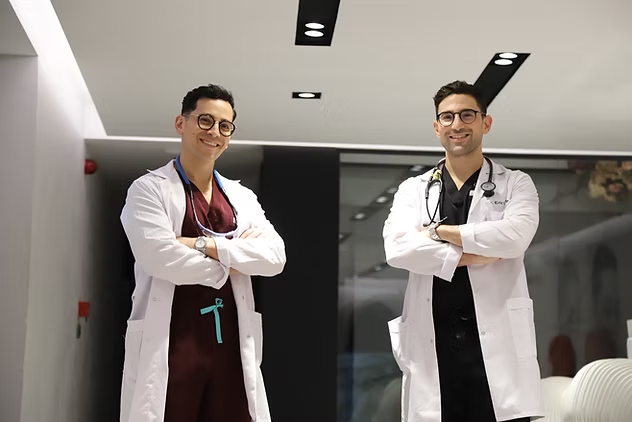
The uniqueness of Trichogenics lies in its strict medical process; only certified doctors perform every transplant. No technicians or unqualified assistants are involved. Choosing a clinic with proven experience in hair transplants can make all the difference.
Meet Dr. Asi and Dr. Eric Peretz
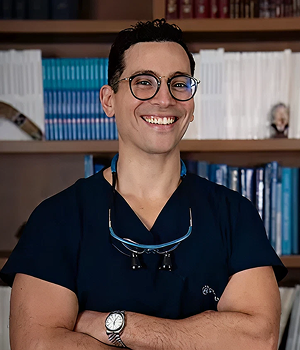
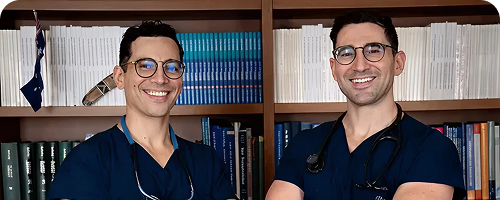
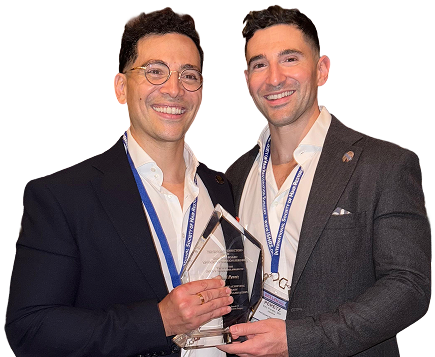
The two doctors leading Trichogenics, Dr. Asi Peretz and Dr. Eric Peretz, are recognized leaders in the field. Their extensive experience, attention to detail, and focus on natural results make Trichogenics the best choice.
Contact Trichogenics today to schedule a personal consultation and get a clear, doctor-led plan for your hair restoration.