

Sex after a hair transplant is generally safe once the scalp has passed the early healing phase and the grafts have stabilized. Most doctors suggest waiting 7 to 10 days before having sex. This helps protect the new grafts.
In the early stages, physical strain can increase blood pressure and heart rate, which may interfere with healing. This is why guidance around sex after a hair transplant focuses on timing rather than discomfort alone. The sections below explain how recovery progresses and what factors influence when it is safe for you.
Key Takeaways
- Sex after a hair transplant is usually safe once the early healing phase has passed, which for most patients means waiting about 7 to 10 days so hair grafts can stabilize.
- Sexual activity too soon can raise blood pressure and heart rate, increase sweating, and create friction, all of which may affect hair transplant recovery during the most sensitive period.
- Masturbation after a hair transplant causes similar physical responses as intercourse, so doctors often recommend following the same waiting guidelines.
- If you had sex after a hair transplant earlier than advised, monitoring the scalp for pain, swelling, or redness and contacting your clinic if symptoms appear helps protect long-term results.
Sex After Hair Transplant Next Day: Is It Safe?
Sex after a hair transplant the next day is not considered safe in standard medical practice. During the first days, grafts are fragile and rely on a stable blood supply.
Increased heart rate and physical tension may interfere with recovery before grafts are secure. Even if you feel well, internal healing continues, as described in the hair transplant recovery timeline.
When Can You Resume Sex After Hair Transplant Surgery?
Most clinics advise waiting at least 7 to 10 days before resuming sex after hair transplant surgery. This allows early scabbing to resolve and reduces the risk of graft displacement.
Doctors assess readiness based on signs of healing rather than a fixed number of days. Swelling, tenderness, and visible scabs should be minimal before resuming activity. These stages often overlap with guidance around post-hair transplant care.
Why Is There a No-Sex Rule After a Hair Transplant?
The no-sex rule exists to reduce physical stress on newly placed grafts. Sexual activity causes body changes that can affect hair transplant outcomes if introduced too early.
Increased blood pressure and heart rate
Sex raises heart rate and leads to increased blood pressure. This can intensify scalp swelling and increase pressure around graft sites. Sudden changes in circulation may affect hair transplant recovery during the most sensitive phase.
Sweating, friction, and graft movement
Sweating softens scabs and increases scalp moisture. Friction from movement or contact may disrupt hair grafts before they are securely anchored. Even minor rubbing can affect the success of hair transplantation during early healing.
Healing process and graft stability
The healing process involves graft anchoring and tissue repair. During this stage, transplanted hair follicles rely on stable conditions to survive. Interruptions during healing may influence hair loss in the transplanted area.
@trichogenics How long to you have to wait to have intercourse after hair transplant surgery. Dr Eric Peretz explains #hairtransplant #hairloss #hairtransplantturkey #hairtransplantation #trichogenics
♬ original sound - Trichogenics
I Had Sex After Hair Transplant: What Should You Do?
Many patients worry after realizing they had sex after a hair transplant earlier than advised. In most cases, brief activity does not cause immediate damage if no pain, bleeding, or swelling occurs.
Patients should inspect the scalp for redness, tenderness, or displaced scabs. Contacting the clinic is recommended if symptoms appear.
Physicians may advise rest, hydration, and avoidance of further strain. Monitoring transplanted hair during the following days helps detect issues early. Calm follow-up often prevents unnecessary anxiety.
Masturbation After Hair Transplant: Is It Different From Sex?
Masturbation after a hair transplant triggers similar physical responses as intercourse, including increased heart rate and blood pressure. For this reason, physicians usually recommend adhering to the same waiting guidelines.
Even in the absence of direct contact, physiological stress can affect graft stability during early recovery, similar to factors implicated in shock loss in hair transplant procedures.
What Happens If Sexual Activity Starts Too Early
Starting sex after a hair transplant too soon may lead to swelling, prolonged redness, or discomfort. In rare cases, graft survival may be compromised by trauma.
Early strain can affect hair transplant results by interrupting the blood supply to healing follicles.
Possible short-term effects include:
- Increased scalp sensitivity
- Prolonged scabbing
- Temporary shedding of transplanted hair
These effects do not always mean graft failure. They do signal that rest is needed.
Signs Your Transplanted Hair Is Healing Properly
@trichogenics How to ensure you get assessed properly for a hair transplant and ensure the best possible outcomes. Dr Asi Peretz explains #trichogenics #hairloss #hairlosssolutions #hairtransplant #hairtransplantgreece #hairtransplantturkey #fyp #hairfall #fuesurgery #hairplugs #finasteride #minoxidil
♬ swish_whoosh (large)(794558) - satak
Healing signs help determine when normal activity can resume. Patients should observe the scalp daily during recovery.
Common positive signs include:
- Reduced redness and swelling
- Scabs falling off naturally
- No pain during gentle washing
These changes suggest the healing process is progressing as expected. Sexual intercourse after a hair transplant is safer once these signs appear.
Doctor-Performed Aftercare Guidance at Trichogenics
Structured follow-up is a key part of modern hair restoration care. Clinics that rely on doctor-led procedures focus on monitoring healing and managing risk.
Techniques such as FUE, DHI, and Choi pen implantation require careful aftercare to protect hair follicles.
In some countries, including Turkey and other destinations abroad, limited regulation and technician-led models may increase medical risk. Israel and Greece operate under stricter medical oversight, which supports patient safety during recovery.
Dr. Asi Peretz emphasizes that aftercare planning is as important as surgical technique when managing hair transplant recovery.
Practical recovery reminders
- Avoid engaging in sexual activity during early healing
- Follow guidance for days after a hair transplant procedure
- Protect transplanted hair from friction and sweat
Clinical factors doctors monitor
- Stability of hair grafts
- Scalp inflammation levels
- Progress of the healing process
When to seek medical advice
- Persistent pain or swelling
- Signs of infection
- Unexpected hair loss in grafted areas
Why Choose Trichogenics?
All procedures are performed only by doctors
The uniqueness of Trichogenics lies in its strict medical process; only certified doctors perform every transplant. No technicians or unqualified assistants are involved. Choosing a clinic with proven experience in hair transplants can make all the difference.
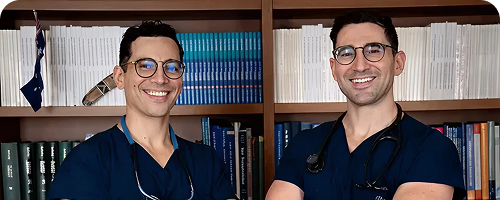
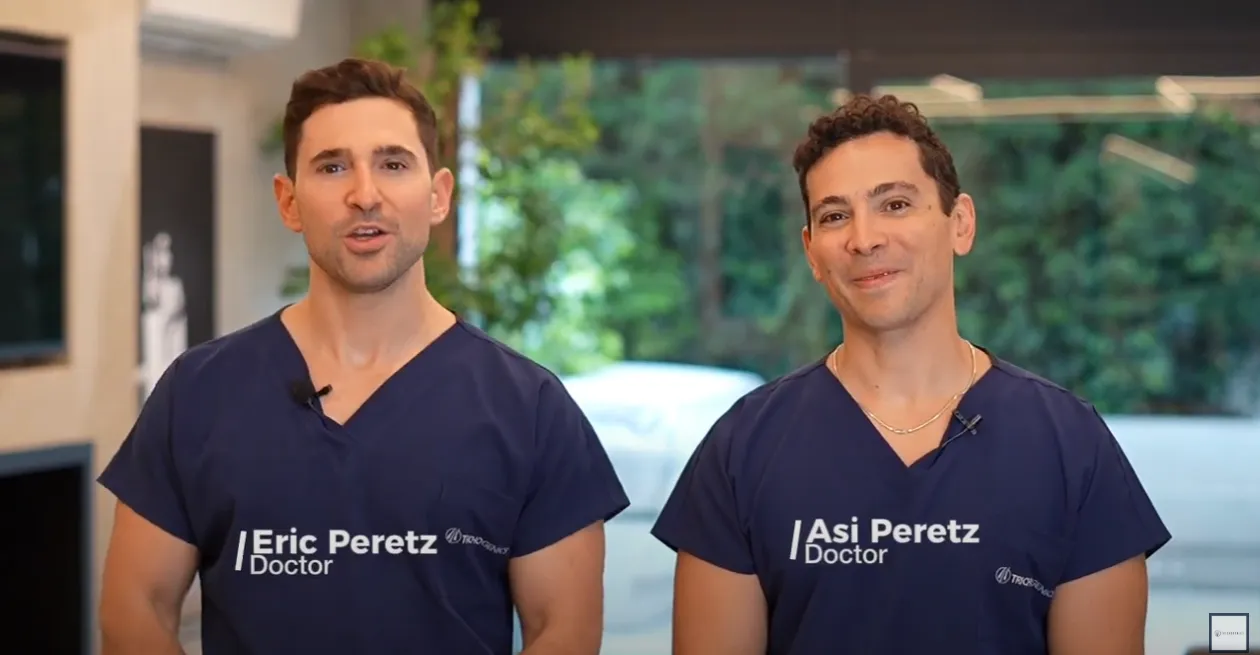
Meet Dr. Asi and Dr. Eric Peretz
The two doctors leading Trichogenics, Drs. Asi and Eric Peretz are recognized leaders in the field. Their extensive experience, attention to detail, and focus on natural results make Trichogenics the best choice.
Contact Trichogenics today to schedule a personal consultation and get a clear, doctor-led plan for your hair restoration.