
A second hair transplant is indicated if hair loss persists after the first. It is also necessary if the initial results do not provide sufficient density or coverage. It is often considered that once healing is complete and hair growth has stabilized, so doctors can assess real outcomes.
This approach helps address newly thinning areas, refine earlier work, or improve balance in regions such as the crown. A second hair transplant does not necessarily indicate that the first surgery failed; it typically reflects the chronic nature of hair loss.
The sections below explain when it is appropriate, how timing works, and what factors physicians review before recommending another procedure.
Key Takeaways
- A second hair transplant is considered when hair loss continues, density is insufficient, or new areas thin after healing, reflecting the long-term nature of hair loss rather than failure of the first procedure.
- Timing is important, as physicians typically wait 12 to 18 months to assess true growth, scalp health, and the number of hairs that have stabilized before planning further hair restoration surgery.
- The donor area sets clear limits, as the available donor hair and the total number of hair follicles determine how many grafts can be safely used across multiple procedures.
- Outcomes from two procedures focus on improved density and balance, with success rates depending on planning, technique, and realistic expectations rather than dramatic changes.
What a Second Hair Transplant Is and When It’s Necessary
A second hair transplant is a hair transplantation procedure performed after a single hair transplant. It is typically planned to increase density, cover newly thinned areas, or adjust earlier results.
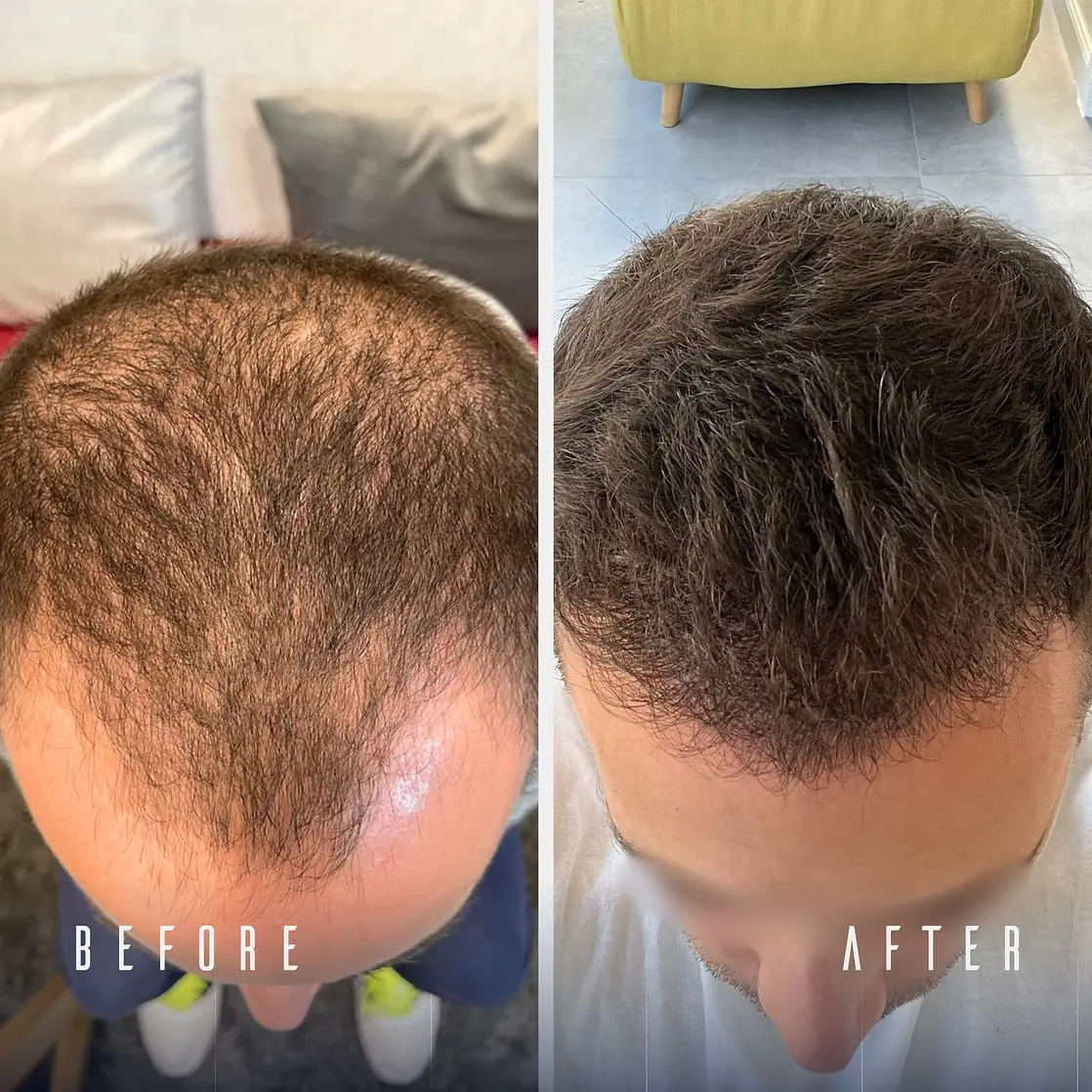
Many patients with male pattern baldness lose hair over many years, not all at once.
Doctors review how the first surgery healed and how hair follicles responded. They assess donor hair quality, the number of prior grafts, and scalp health.
Multiple hair transplantation is not always needed, but it can be useful when hair loss continues long-term.
Is a Second Hair Transplant Safe
A second hair transplant surgery is often safe when enough time has passed. Safety depends on scalp healing, donor site condition, and the timing of the transplant procedure.
Spacing hair transplantation sessions helps protect the skin and hair follicles.
Doctors also review blood flow and scar tissue. They assess how the previously transplanted grafts have survived. These steps help reduce risk and guide safe planning.
Can a Second Hair Transplant Damage the First
In most cases, a second procedure does not damage existing hair grafts. Surgeons work with implanted hair and avoid cutting existing hair follicles. Careful planning helps protect earlier work.
Problems can occur if too many grafts are placed or if the donor area is overused. This is why timing and technique matter. Proper spacing helps protect both surgeries.
How Many Hair Transplants Can a Person Have
There is no single answer to how many hair transplants a person can have. It depends on donor area size, hair density, and scalp condition. Some individuals require 2 hair transplants, while others require only one.
Each hair transplantation procedure uses part of the donor hair supply. Doctors plan carefully to protect future options. Overuse of the donor area can limit later treatment.
Second Hair Transplant Donor Area Limits
The donor area contains hair follicles that are resistant to thinning. This area is limited and must be protected. Doctors review density, healing, and past extractions before planning more surgery.
Key donor area factors include:
- Total number of grafts available
- Quality of hair follicles
- Healing from past sessions
Respecting these limits helps protect scalp health.
When to Consider a Second Hair Transplant
Timing plays a critical role. Doctors usually wait until the growth from the first procedure is complete before planning another surgery.
Waiting allows a clear assessment of density, coverage, and remaining donor supply. This approach aligns with standard guidance in the hair transplant recovery timeline, which emphasizes patience before judging results.
@trichogenics Another incredible hair transformation! #hairloss #hairlossremedy #minoxidil #hairtransformation #hairtransplant #hairtransplantsurgery #hairtransplantturkey #hairtransplantjourney #trichogenics #hairtransplantgreece #hairtransplantresult #fyp
♬ original sound - Trichogenics
How Soon Can You Do a Second Hair Transplant
Most patients are advised to wait at least 12 months before another procedure. This allows full growth and scalp recovery. Some patients may need to wait up to 18 months.
Waiting helps with:
- Clear growth assessment
- Stable scalp condition
- Better planning for grafts
Early surgery can reduce clarity and results.
Medical Reasons for a Second Hair Transplant
Doctors recommend another procedure based on medical need, not solely on preference. Each case is reviewed based on hair loss pattern and donor supply.
Common reasons include:
- Hair loss continues in new areas
- Low density after healing
- Uneven coverage
Not all patients need another surgery.
Second Hair Transplant to Add Density
The crown often thins later than the front. Hair loss in this area may continue even after initial surgery.
A second hair transplant for the crown is often planned once hair loss stabilizes. Crown-focused procedures prioritize balance over complete coverage, following principles used in crown hair transplant planning.
Second Hair Transplant for Crown Coverage
The crown often thins later than the front. Hair loss here can keep progressing. A second hair transplant for the crown area may be planned once hair loss slows.
Crown work focuses on balance rather than full coverage. Doctors adjust the number of grafts and the direction of growth.
Results and Success Rates
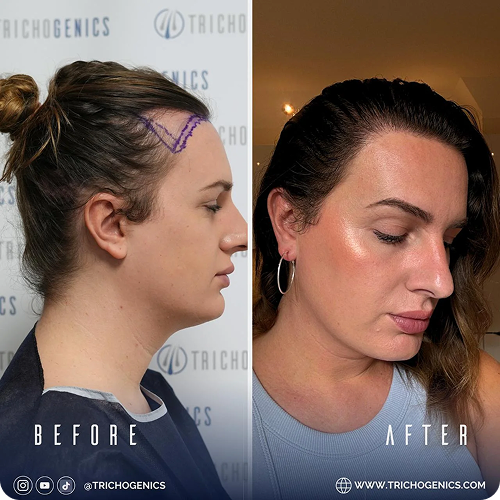
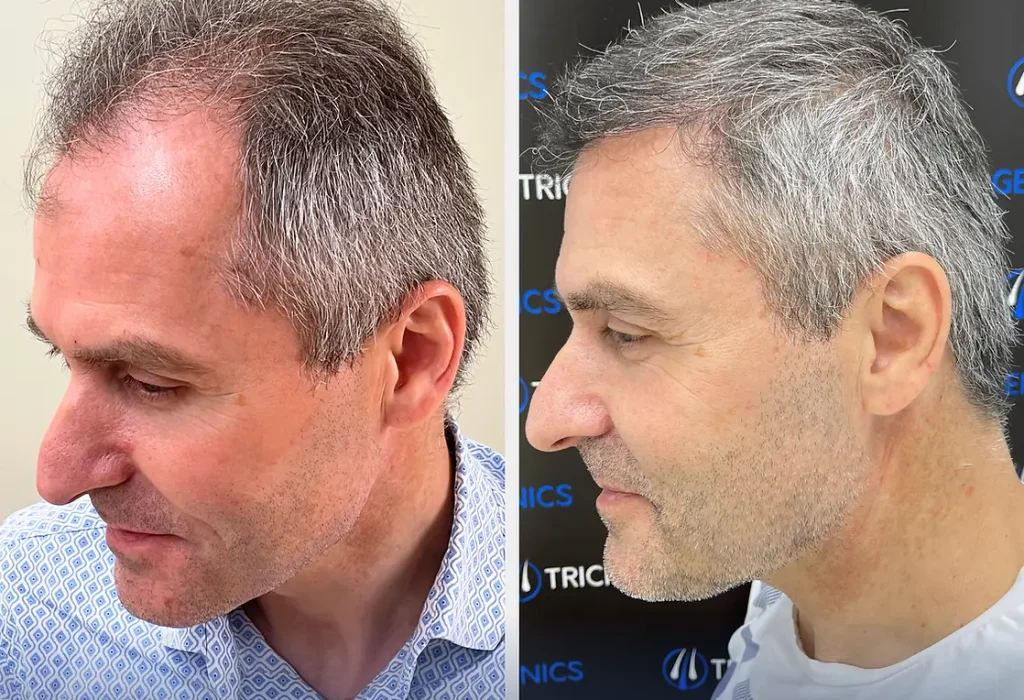
Results vary for each patient. A second procedure usually improves density rather than creating large changes. Growth happens slowly over time.
Long-term results depend on hair loss patterns and follow-up care. Doctors track progress during recovery.
What to Expect From 2 Hair Transplant Results
With 2 hair transplant results, patients often see better blending and fullness. Hair follows the same growth cycle as before. Shedding happens before regrowth.
Typical growth phases include:
- Early shedding
- New growth after several months
- Gradual thickening over time
Patience is important.
Success Rate of a Second Hair Transplant
Success rates depend on donor quality, planning, and technique. When conducted carefully, outcomes can match those of earlier procedures. Previous graft survival helps guide expectations.
Doctors review hair graft survival and overall appearance. Follow-up visits help manage progress.
Second Hair Transplant Cost
The cost of the second hair transplant depends on the number of grafts transplanted, the technique, and the location. A second procedure may cost less if fewer grafts are used. Pricing reflects time, planning, and care.
Lower prices abroad can involve risk. In some countries, including Turkey, regulation and doctor involvement can vary. Limited oversight may affect safety.
Choosing the Right Clinic for Repeat Surgery
@trichogenics What to look out for when choosing a hair transplant clinic! Dr Asi Peretz explains. #hairtransplant #hairtransplantsurgery #hairtransplantturkey #hairtransplantgreece #hairtransformation #hairloss #hairlosssolutions #trichogenics #fyp
♬ original sound - Trichogenics
Repeat procedures need careful medical review. Clinics with doctor-led care and follow-up offer clearer oversight. Trichogenics operates in Greece and Israel, where medical standards and regulations are established.
When choosing a clinic, consider:
- Physician training and certification
- Use of methods like DHI and FUE hair transplant
- Structured follow-up care
Strong regulation helps protect patient safety.
Why Choose Trichogenics?
All procedures are performed only by doctors
The uniqueness of Trichogenics lies in its strict medical process; only certified doctors perform every transplant. No technicians or unqualified assistants are involved. Choosing a clinic with proven experience in hair transplants can make all the difference.
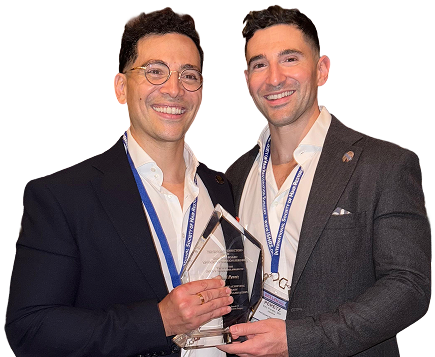
Meet Dr. Asi and Dr. Eric Peretz
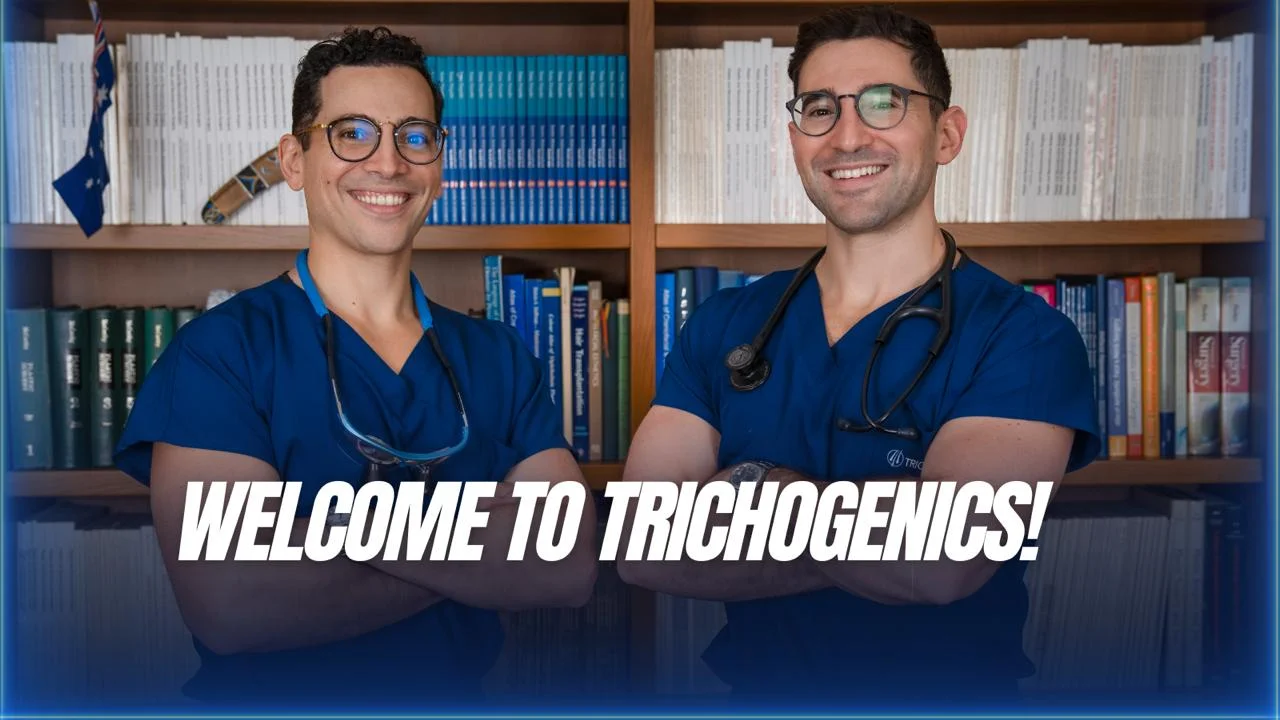
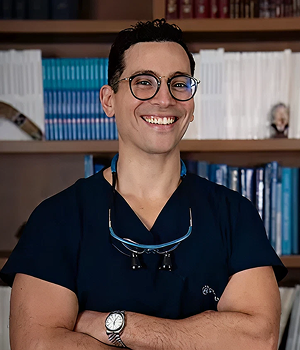
The two doctors leading Trichogenics, Dr. Asi Peretz and Dr. Eric Peretz, are recognized leaders in the field. Their extensive experience, attention to detail, and focus on natural results make Trichogenics the best choice.
Contact Trichogenics today to schedule a personal consultation and get a clear, doctor-led plan for your hair restoration.