
Real surgery footage shows the actual medical steps involved in treating hair loss through transplantation. A hair transplant video often shows local anesthesia, graft extraction, recipient site creation, and careful implantation in a clinic.
It lets viewers see how hair transplant procedures are set up. It also shows how surgeons handle follicular units to support natural growth. Watching real surgical footage helps patients understand safety standards, technique, and realistic recovery expectations. The following sections explain each stage in more detail.
Key Takeaways
- A hair transplant video shows the full surgical process, including anesthesia, FUE graft extraction, and implantation, helping patients understand how hair transplant surgery is performed in a clinical setting.
- Cost differences between countries such as Greece, Israel, and Turkey often reflect who performs the procedure, how many patients are treated per day, and the level of medical supervision provided.
- Techniques like FUE and Choi pen implantation allow precise control over graft placement, which directly affects hairline design, density, and long-term natural appearance.
- Long-term results depend on donor hair stability, proper surgical planning, and continued management of progressive hair loss over time.
What Happens in a Hair Transplant Video?
A hair transplant operation video follows a clear order. Most doctor-led clinics perform these steps:
- Local anesthesia
- Donor area trimming
- FUE graft extraction
- Creation of small recipient sites
- Graft implantation
- Final inspection
This order shows how hair transplant procedures are done safely and in a controlled way.
Anesthesia and Preparation
Doctors use local anesthesia to numb the scalp. Patients stay awake during the procedure. A hair surgery video often shows the doctor marking the new hairline before starting.
This planning step is important for natural results and proper hair transplant density control.
FUE Hair Transplant Operation Video
An FUE hair transplant video shows how doctors remove single hair follicles using a small punch tool. FUE does not require a large incision.
This helps reduce visible scarring. A hair grafting video usually focuses on careful removal to protect the donor area, following principles outlined in FUE hair transplant.
Clinical Cost Comparison by Country
When watching a hair replacement surgery video, it helps to understand price differences.
- Greece – USD 3,500 to 6,000 for 2,500 grafts, performed fully by a physician, including anesthesia and follow-up visits
- Israel – Similar pricing, with surgery in licensed medical facilities
- Turkey – USD 1,800 to 2,800 in high-volume clinics, often with technicians performing much of the procedure
Lower prices often mean:
- Less physician time per patient
- More patients treated per day
- Limited follow-up care
In clinics where doctors perform every step, the risk of overharvesting and poor angle control is lower.
Implantation and Choi Pen Technique
Implantation decides how natural the hair will look. Many hair transplant videos highlight this part of surgery.
Common methods include:
- Forceps placement after site creation
- Choi pen implantation, also called DHI
- Sapphire blade incisions combined with FUE
The Choi pen allows doctors to control depth and angle during placement. This helps create a natural hairline and follows principles described in modern hair transplant phases planning.
Is Hair Transplant Surgery Painful?
Most patients feel little pain during hair transplant surgery. The scalp is numb. The first injections may cause brief discomfort.
After surgery, patients may notice:
- Mild swelling for two to three days
- Small scabs around grafts
- Temporary tightness in the donor area
In licensed clinics in Greece and Israel, doctors monitor patients during and after the procedure. Proper supervision lowers the risk of infection and is reinforced through structured hair transplant aftercare guide protocols.
Hair Transplant Video Before and After
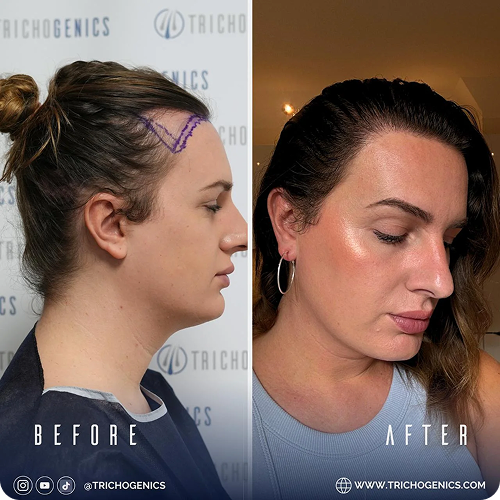
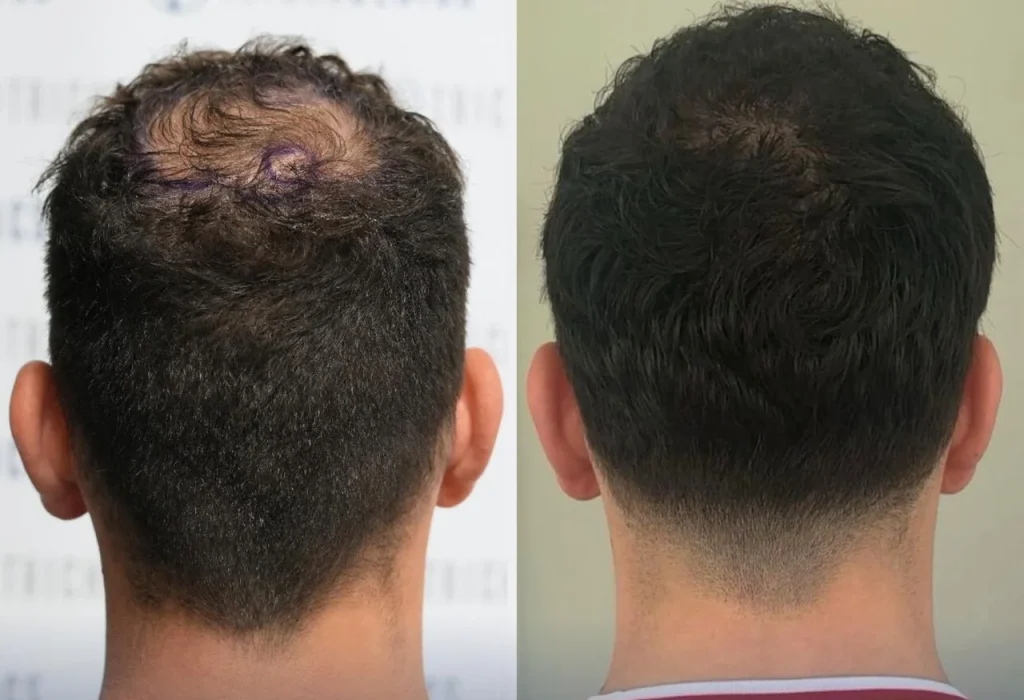
A hair transplant video before and after shows the growth process clearly.
Typical timeline:
- Week 1 – Redness and small scabs
- Month 1 – Shedding of transplanted hairs
- Month 3 to 4 – New growth begins
- Month 10 to 12 – Final visible results
Growth speed depends on age, donor strength, and overall health.
What Does It Look Like After 20 Years?
Transplanted hair usually lasts many years. Doctors take grafts from the back of the scalp, where hair is more resistant to balding.
Studies show:
- More than 85 percent of grafts survive when placed correctly
- Natural hair may still thin with age
- Future sessions may be needed if hair loss continues
Long-term planning is important, especially for younger patients.
Hair Transplant Video Male Results
A male hair transplant video often shows treatment for frontal recession and crown thinning.
Common graft numbers include:
- 1,500 grafts for the front hairline
- 2,000 to 2,500 grafts for front and mid-scalp
- 3,000 or more grafts for crown coverage
Correct angle and direction are key for a natural look.
How to Evaluate a Hair Surgery Video
Not all hair surgery video content shows the same standards. When watching a video of hair transplant surgery, check for:
- A licensed doctor performing extraction and incision
- A certified operating room
- Clear graft handling
- Structured follow-up care
In countries with stronger regulation, such as Greece and Israel, licensed physicians oversee surgery. In some high-volume clinics in Turkey and other countries abroad, technicians may perform most steps with limited regulation.
Understanding these differences helps patients interpret what they see in a hair transplant video and make informed decisions about hair loss treatment.
Why Choose Trichogenics?
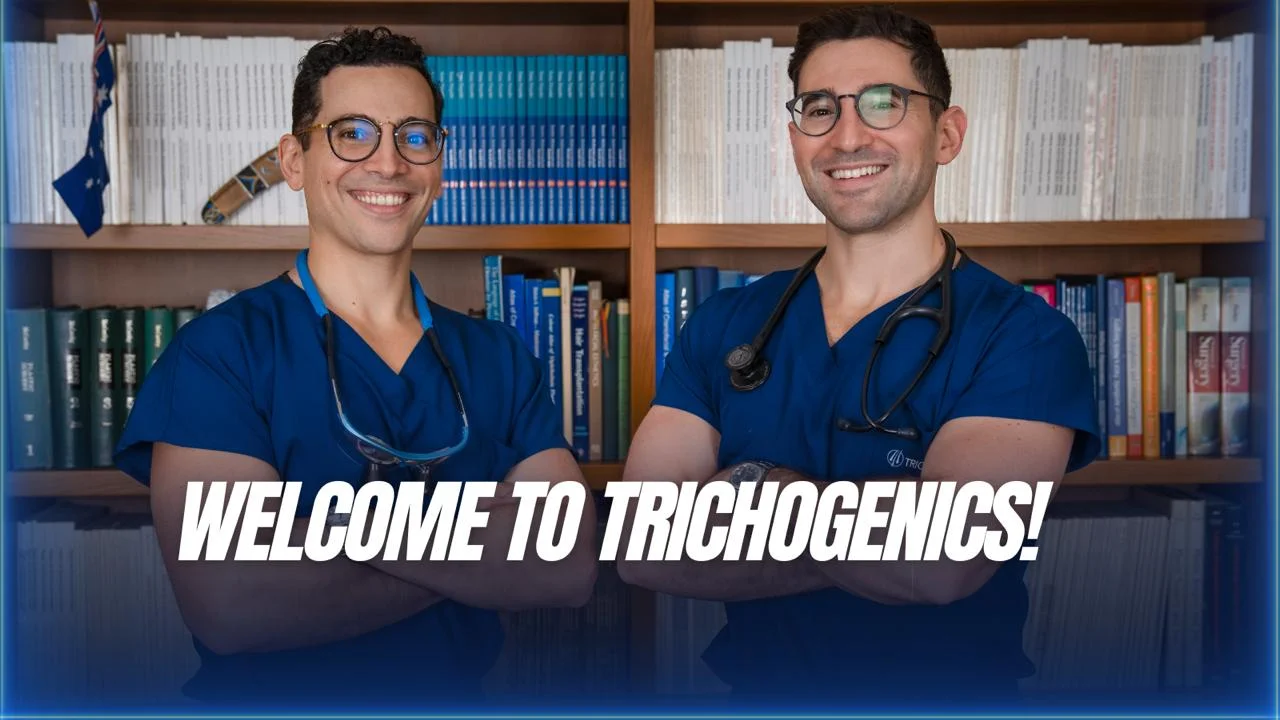
All procedures are performed only by doctors
The uniqueness of Trichogenics lies in its strict medical process; only certified doctors perform every transplant. No technicians or unqualified assistants are involved. Choosing a clinic with proven experience in hair transplants can make all the difference.
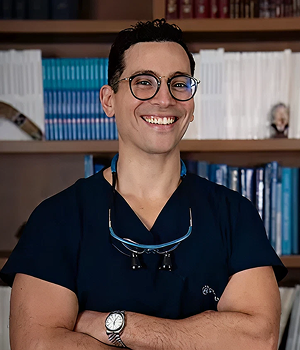
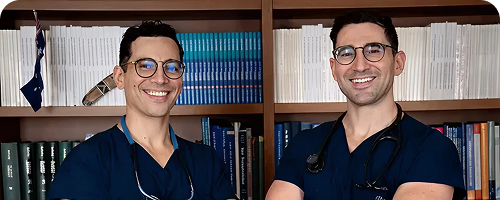
Meet Dr. Asi and Dr. Eric Peretz
The two doctors leading Trichogenics, Dr. Asi Peretz and Dr. Eric Peretz, are recognized leaders in the field. Their extensive experience, attention to detail, and focus on natural results make Trichogenics the best choice.
Contact Trichogenics today to schedule a personal consultation and get a clear, doctor-led plan for your hair restoration.