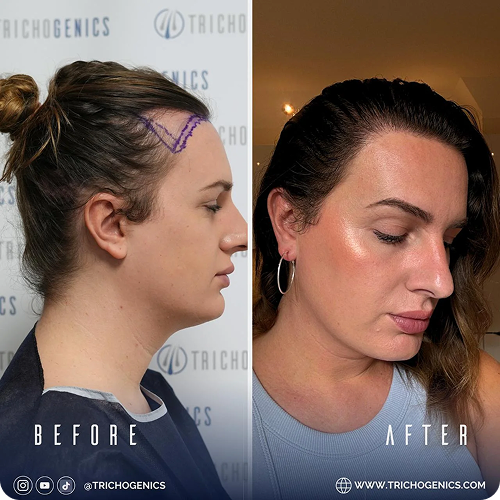


Hair transplant alternatives can slow hair loss and improve the appearance of the scalp, but they do not permanently replace lost follicles. Options like minoxidil, finasteride, PRP, laser therapy, and cosmetic coverage may boost hair growth. They can also make hair look fuller.
These treatments work best in early thinning hair and in patients with active follicles. In advanced baldness, they often preserve remaining hair rather than restore large areas of hair loss.
Knowing how hair transplant alternatives compare with surgery helps patients pick the right choice for their hair loss stage.
Key Takeaways
- Hair transplant alternatives such as minoxidil, finasteride, PRP, laser therapy, and cosmetic options can help slow thinning hair, but they do not permanently restore lost follicles.
- Medical treatments work best in early-stage androgenetic alopecia, while advanced bald areas usually require surgical procedures like FUE hair transplant for meaningful density improvement.
- Costs vary widely by country and clinic structure, with physician-performed procedures in regulated settings typically including anesthesia, graft planning, and structured follow-up care.
- Men and women experiencing hair loss should base their decision on disease stage, donor availability, long-term maintenance commitment, and the level of medical supervision provided.
What Is the Best Alternative to a Hair Transplant?
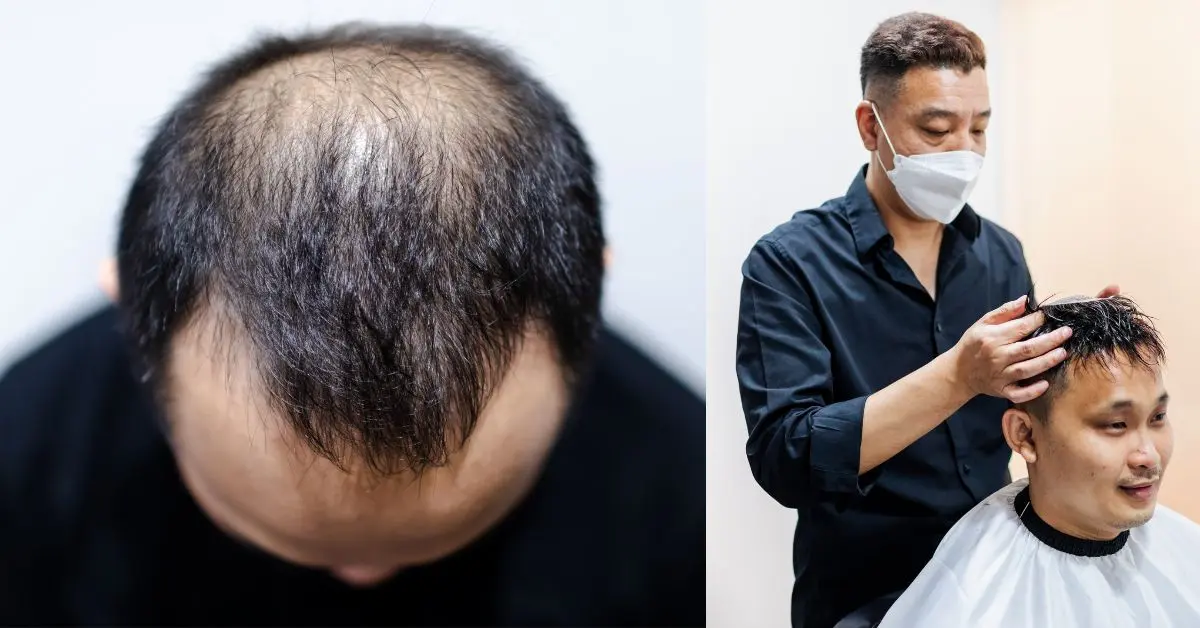
There is no single hair transplant surgery alternative that works for everyone. The best alternatives to surgical hair restoration depend on the stage of hair loss and the patient’s goals.
Some treatments stimulate hair growth in existing hair. Others only improve scalp appearance.
If a patient has early thinning areas, medication may promote hair regrowth. If a patient has large bald areas, non-surgical treatments will not restore full density. In those cases, surgical treatments may be more effective.
Medical Hair Loss Alternatives
Medical hair loss alternatives aim to slow androgenetic alopecia and protect existing hair. These treatments focus on living hair follicles.
Minoxidil and Finasteride
Minoxidil is a topical treatment that stimulates hair growth by increasing blood flow to the hair follicles. Finasteride lowers DHT levels, which are linked to hair thinning in many men. Studies show many patients see slower loss or mild regrowth after one year.
Possible side effects include:
- Scalp redness or itching
- Early shedding during the first months
- Reduced libido in a small number of users
These drugs must be used long-term. When hair loss stops, it usually continues.
Some patients exploring medication also review treatments like dutasteride for hair loss, which target similar hormonal pathways.
PRP and Regenerative Therapy
PRP uses a patient’s blood. A doctor separates growth factor proteins and injects them into areas of thinning hair. Some studies show improved density in early-stage hair loss.
A common PRP plan includes:
- Three sessions, one month apart
- Maintenance sessions every 6 to 12 months
- Photos to track progress
PRP helps living follicles. It does not create new ones.
Low-Level Laser Therapy
Laser therapy uses red light to stimulate hair growth. Patients use a laser cap at home or visit a clinic. Results are usually mild and require months of use.
Laser therapy does not change hormone levels. It works best with other treatments. Some patients combine it with approaches such as red light therapy for hair loss to support follicle activity.
Hair Replacement Alternatives and Options
Hair replacement alternatives improve appearance but do not treat hair loss.
Scalp Micropigmentation SMP
Scalp micropigmentation SMP places pigment in the scalp. It creates the look of shaved hair or more density. It does not grow new hair.
SMP provides:
- Fast visual improvement
- A non-surgical solution
- Compatibility with future surgery
Touch-ups are needed every few years.
Modern Hair Systems
Hair systems are custom-made units attached to the scalp. They match natural hair color and texture. They provide instant coverage.
Maintenance includes:
- Adjustments every 4 to 6 weeks
- Adhesive changes
- Unit replacement over time
Hair systems are cosmetic hair replacement options. They do not promote hair regrowth.
Hair Transplant Alternatives for Men
Hair transplant alternatives for men depend on the stage of androgenetic alopecia.
Early-Stage Thinning
Men with mild thinning may benefit from medication. These treatments help protect natural hair and slow further loss.
Patients evaluating long-term options often research how successful are hair transplants to understand when surgery becomes more effective than medication.
Advanced Hair Loss
In advanced baldness, follicles may no longer exist in some areas. In these cases, non-surgical treatments cannot restore density. A hair transplant procedure using FUE or DHI may be required.
FUE removes individual grafts from the donor area. DHI uses a Choi pen to implant grafts directly into the scalp. Both techniques are common in modern hair restoration.
Cheaper Hair Loss Alternatives
Cost matters to many patients. Cheaper alternatives to hair transplants often include medication or cosmetic solutions.
@trichogenics Minoxidil, does it actually have any benefit? And how does it work? #hairtransplant #trichogenics #hairloss #hairtransplantturkey #minoxidil #finasteride #hairfall #hairfallsolution
♬ original sound - Trichogenics
Lower-Cost Treatments
Typical price examples:
- Minoxidil: USD 20 to 40 per month
- Finasteride: USD 10 to 30 per month
- PRP in Greece or Israel: USD 300 to 700 per session
Over several years, ongoing treatment costs can add up.
Cosmetic Coverage Solutions
Price examples:
- Scalp micropigmentation: USD 1,500 to 3,000
- Hair systems: USD 800 to 2,000 per year
These hair replacement alternatives improve appearance but require long-term upkeep.
Alternatives to Hair Transplant vs Surgery
Alternatives to hair transplant mainly slow hair loss or improve scalp appearance. Treatments such as minoxidil, finasteride, PRP, and laser therapy can stimulate hair growth in existing hair follicles. These options work best in early thinning hair but cannot restore density in bald areas.
Cosmetic hair replacement alternatives like scalp micropigmentation SMP or hair systems create the appearance of fuller hair. They provide fast visual improvement but require regular maintenance and do not treat the underlying cause of hair loss.
A hair transplant procedure works differently. Techniques such as FUE or DHI move permanent donor follicles to bald areas, allowing natural hair to grow again. This makes surgical treatments more suitable for moderate or advanced hair loss.
Effectiveness and Permanence
A hair transplant procedure moves permanent donor follicles. These hairs resist DHT and continue to grow.
In Greece, physician-performed FUE for 2,500 grafts may cost USD 3,500 to 6,000. This often includes anesthesia, graft placement, and follow-up visits.
In Turkey, some clinics advertise packages ranging from USD 1,800 to USD 2,800. In high-volume settings, technicians may perform large parts of the procedure.
Some clinics treat many patients per day. Less physician involvement can increase the risk of overharvesting or unnatural hairline design.
Side Effects and Risks
Non-surgical treatments usually have mild side effects. Surgical procedures can cause swelling, infection, or temporary shedding, though risks are low in licensed medical clinics.
@trichogenics Dr Eric Peretz talks about side effects of Finasteride and how to avoid them. #finasteride #finasteridesideeffects #minoxidil #dutasteride #topicalfinasteride #hairloss #hairlossremedy #hairlosssolutions #hairlosstreatment #hairlossjourney #trichogenics #hairtransplant #hairtransplantturkey #hairtransplantgreece #fyp
♬ original sound - Trichogenics
Patients should confirm:
- A licensed doctor performs key surgical steps
- The clinic operates in a certified medical facility
- Structured follow-up visits are included
Regulation standards differ between countries.
Maintenance and Long-Term Commitment
Medication must be used continuously. SMP and hair systems require ongoing care. A properly performed FUE or DHI procedure offers long-term stability because transplanted follicles retain donor traits.
How Much Do 3,000 Grafts Cost in the USA?
In the United States, 3,000 grafts often cost USD 9,000 to 15,000. This usually includes physician fees, anesthesia, graft planning, and follow-up care.
Price differences depend on:
- Physician involvement
- Number of patients treated per day
- Clinic regulation standards
- Time spent per case
Who Is a Good Candidate
Good candidates have stable donor hair and realistic expectations. Patients with early thinning may start with medical therapy. Dr. Asi Peretz emphasizes careful donor evaluation to reduce the risk of overharvesting.
When Surgery Is the Better Option
When hair follicles are absent in bald areas, non-surgical treatments cannot restore density. In these cases, surgical redistribution using FUE or DHI provides natural-looking results with natural hair growth patterns.
Clinics in regulated medical environments such as Greece and Israel typically operate in certified settings with full physician supervision and structured follow-up care.
Why Choose Trichogenics?
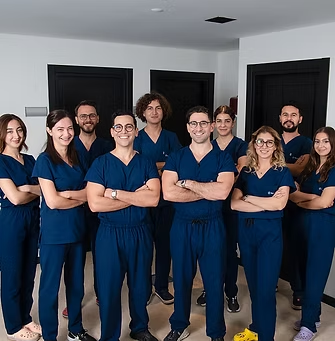
All procedures are performed only by doctors
The uniqueness of Trichogenics lies in its strict medical process; only certified doctors perform every transplant. No technicians or unqualified assistants are involved. Choosing a clinic with proven experience in hair transplants can make all the difference.
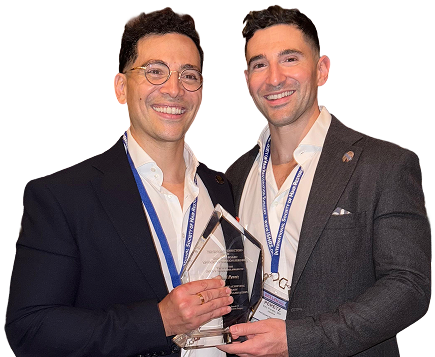
Meet Dr. Asi and Dr. Eric Peretz
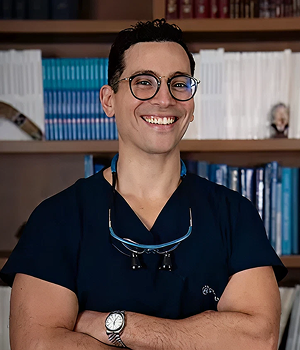
The two doctors leading Trichogenics, Drs. Asi and Eric Peretz are recognized leaders in the field. Their extensive experience, attention to detail, and focus on natural results make Trichogenics the best choice.
Contact Trichogenics today to schedule a personal consultation and get a clear, doctor-led plan for your hair restoration.