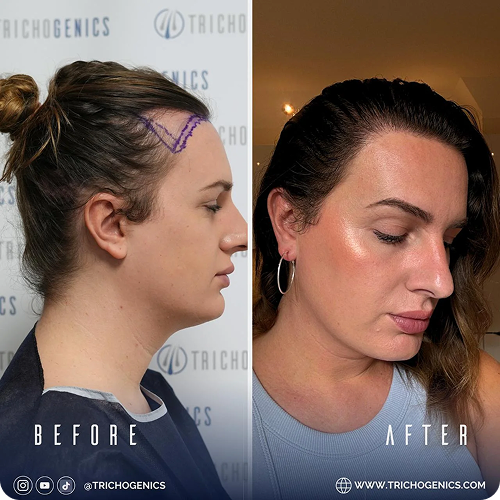

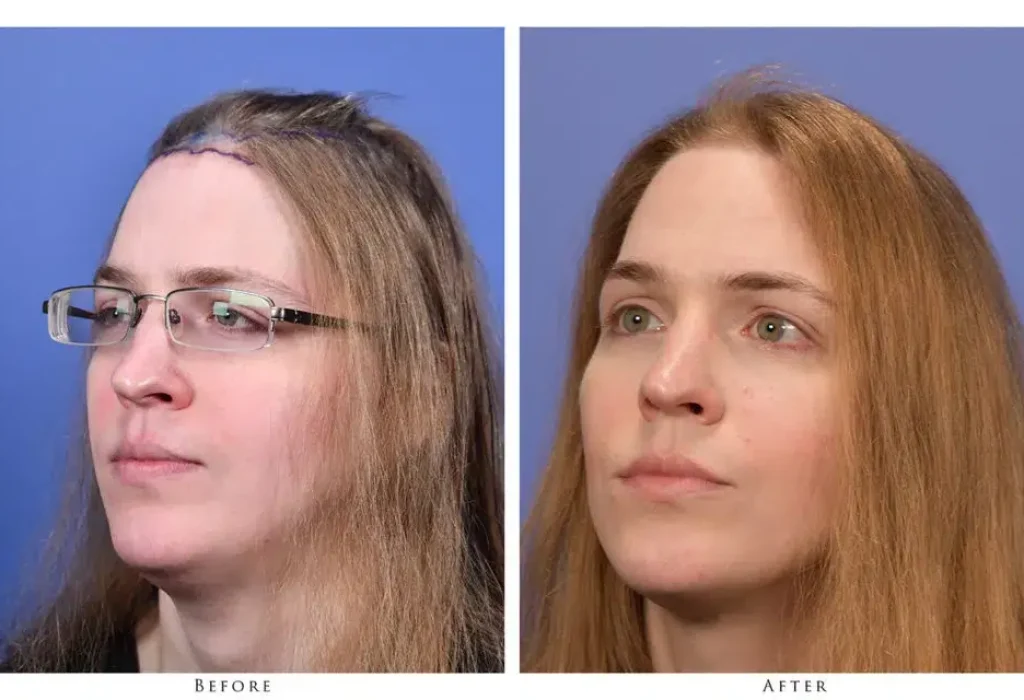
Transgender hair transplant surgery is a medical procedure that redistributes a patient’s own hair follicles to create a hairline or facial hair pattern that aligns with their gender identity. A transgender hair transplant uses donor hair from stable areas of the scalp and implants it in carefully planned zones to support long-term hair growth.
Surgeons adjust hairline shape, density, and graft angle to match feminine or masculine facial features. The procedure follows established techniques such as FUE or FUT and is performed under local anesthesia in a clinical setting. Results develop gradually over several months as transplanted follicles enter a new growth cycle.
Key Takeaways
- Transgender hair transplant surgery redistributes donor hair to reshape the hairline or restore facial hair in alignment with gender identity using established methods such as FUE hair transplant or FUT.
- Proper planning requires evaluation of hormone therapy status, male pattern baldness stage, donor hair density, and realistic expectations to achieve stable, long-term hair growth.
- Safety depends on physician-led procedures performed in licensed medical settings with structured follow-up to reduce risks such as overharvesting or improper graft placement.
- Transgender hair replacement options vary by country and provider, with cost differences often reflecting physician involvement, number of grafts, and level of medical supervision.
What Is a Transgender Hair Transplant?
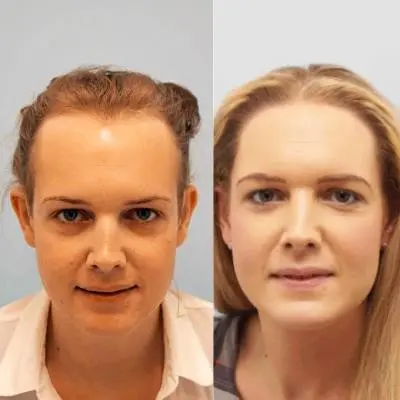
A transgender hair transplant is a surgical procedure designed to modify hair distribution for gender affirmation. In male-to-female hair transplantation, the surgeon lowers and rounds the frontal hairline to create a feminine hairline.
In female-to-male cases, the surgeon may reinforce the temples or construct facial hair such as a beard or mustache.
The transgender hair transplant procedure uses the patient’s existing hair from the donor area, usually the occipital scalp. Hair follicles are extracted and implanted at precise angles to achieve natural-looking results.
The procedure does not create new hair follicles; it redistributes healthy hair.
Best Techniques for Transgender Hair Restoration
Modern transgender hair restoration relies on two primary surgical methods:
- Follicular unit extraction FUE
- Follicular unit transplantation FUT
Both techniques move grafts containing 1–4 hair follicles from a stable donor region.
FUE involves extracting individual grafts using micro punches, often 0.8–0.9 mm in diameter.
FUT removes a linear strip of scalp and separates grafts under magnification. Patients often compare these approaches using FUT vs FUE hair transplant key guide before selecting a method.
FUE vs FUT for Natural Results
Follicular unit extraction FUE is commonly used in hair transplant transgender cases because it avoids a linear scar. It allows flexible hairline shaping, which is important in feminine hairline planning.
FUT may be considered in patients requiring 3,000 or more grafts when maximum graft yield is necessary.
@trichogenics What is the difference between FUE and FUT hair transplants? What method of hair transplant is best? Dr Asi Peretz explains #trichogenics #hairtransplant #hairtransplantsurgery #hairtransplantturkey #hairtransplantgreece #hairtransplantcolombia #FUE #fue #fut #fuehairtransplant #futhairtransplant #hairloss #hairfall #hairlosssolutions
♬ original sound - Trichogenics
For example, in a patient needing 2,500 grafts for frontal feminization, FUE is often sufficient. In patients with advanced male-pattern baldness requiring 3,500–4,000 grafts, FUT may increase the availability of grafts.
MTF and FTM Hairline Design
MTF hairline planning focuses on a lower, rounded female hairline with soft temporal angles. FTM design recreates a mature male hairline with defined recession points. Precise graft angulation determines density and direction.
Surgeons often use DHI and Choi pen implantation methods to control placement depth and angle. These tools help ensure structured density and consistent hair growth patterns.
Facial Hair Transplant Options
Hair transplant for transgender men may include beard or mustache restoration. Each graft is placed to mimic the natural direction of the beard.
This technique requires careful spacing to avoid patchy density. Some patients also explore beard transplant when planning facial hair restoration.
Who Is a Good Candidate?
Transgender patients considering hair replacement should have stable donor hair and realistic expectations. A surgeon evaluates scalp laxity, density, and the presence of healthy hair in the donor region.
Hormone Therapy Timing
Hormone therapy can influence hair growth patterns. In MTF patients, estrogen may reduce ongoing male pattern baldness but does not reverse permanent loss. Surgeons often recommend stabilizing hormone therapy for 6–12 months before surgery.
Male Pattern Baldness Patterns
Patients with advanced Norwood stage V–VI hair loss may require staged procedures. Strategic graft allocation prevents overharvesting and protects long-term density.
Donor Hair Evaluation
A typical donor area contains 6,000–8,000 available grafts in suitable candidates. Surgeons must avoid extracting more than 25–35 percent from a single zone to preserve scalp coverage.
Patients often research what happens to the donor area after a hair transplant to better understand this process.
@trichogenics What happens to the hair In your donor area after a hair transplant. Dr Eric Peretz explains. #trichogenics #hairtransplant #hairtransplantturkey #hairtransplantgreece #hairtransplantation #hairtransplantsurgery #hairloss #hairlosssolutions #hairlossremedy #hairtransformation #hairfall #fyp
♬ original sound - Trichogenics
Safety, Recovery, and Results
Hair restoration surgery is performed under local anesthesia in licensed medical settings. Certified operating rooms and structured follow-up reduce infection risk.
Surgical Risks and Scarring
Possible risks include swelling, temporary shedding, and minor scarring. FUE produces small dot scars. FUT leaves a linear scar that is usually concealed under surrounding hair.
First Week After Surgery
Patients may experience mild redness and crusting for 7–10 days. Most return to work within one week. Structured follow-up appointments monitor healing.
Hair Growth Timeline
Shedding often occurs within 2–6 weeks. Visible hair growth typically begins at month three. Full maturation may take 9–12 months.
This early shedding stage is part of the normal hair transplant shedding phase.
Long-Term Permanence
Transplanted hair follicles from the occipital region are genetically resistant to androgen loss. When properly planned, they can support a full head of hair long term.
Transgender Hair Transplant Cost
The cost of a transgender hair transplant varies by country, graft count, and physician involvement.
- Greece and Israel: USD 3,500–6,000 for 2,000–3,000 grafts in physician-performed procedures.
- Turkey: USD 1,800–2,800 in high-volume clinics.
Lower prices often reflect technician-led extraction and multiple surgeries per day. Physician-performed procedures typically limit the number of daily cases to maintain precision.
MTF Hair Transplant Cost
In MTF cases requiring 2,500 grafts for frontal feminization, costs in Greece may average USD 4,500, including anesthesia and follow-up. In technician-heavy clinics abroad, pricing may exclude structured aftercare.
What Affects Pricing
Cost depends on:
- Number of grafts
- Technique used
- Physician involvement
- Facility standards
Insurance and Financing
Most insurers classify hair transplant surgery as cosmetic. Financing plans may be available depending on clinic policies.
Choosing a Clinic for Transgender Hair Replacement Near Me
When searching for transgender hair replacement near me, patients should verify licensing, surgeon credentials, and case volume.
Doctor-Performed Surgery
Physician-led procedures allow precise hairline planning and reduce the risk of overharvesting. In regulated environments such as Greece and Israel, surgeons operate under the standards of their respective medical boards.
Experience in Gender-Affirming Procedures
Experience in male-to-female hair transplantation and beard restoration improves design accuracy. Gender-affirming planning requires understanding facial proportions and transition goals.
Why Surgical Expertise Matters
Clinics performing 4–6 surgeries daily may allocate limited physician time per patient. In contrast, single-case physician involvement allows detailed graft placement and structured follow-up.
Some patients travel to Turkey for a lower upfront cost. However, regulatory oversight and physician involvement vary significantly between clinics. Patients should evaluate licensing standards, access to follow-up, and medical accountability before traveling abroad.
Why Choose Trichogenics?
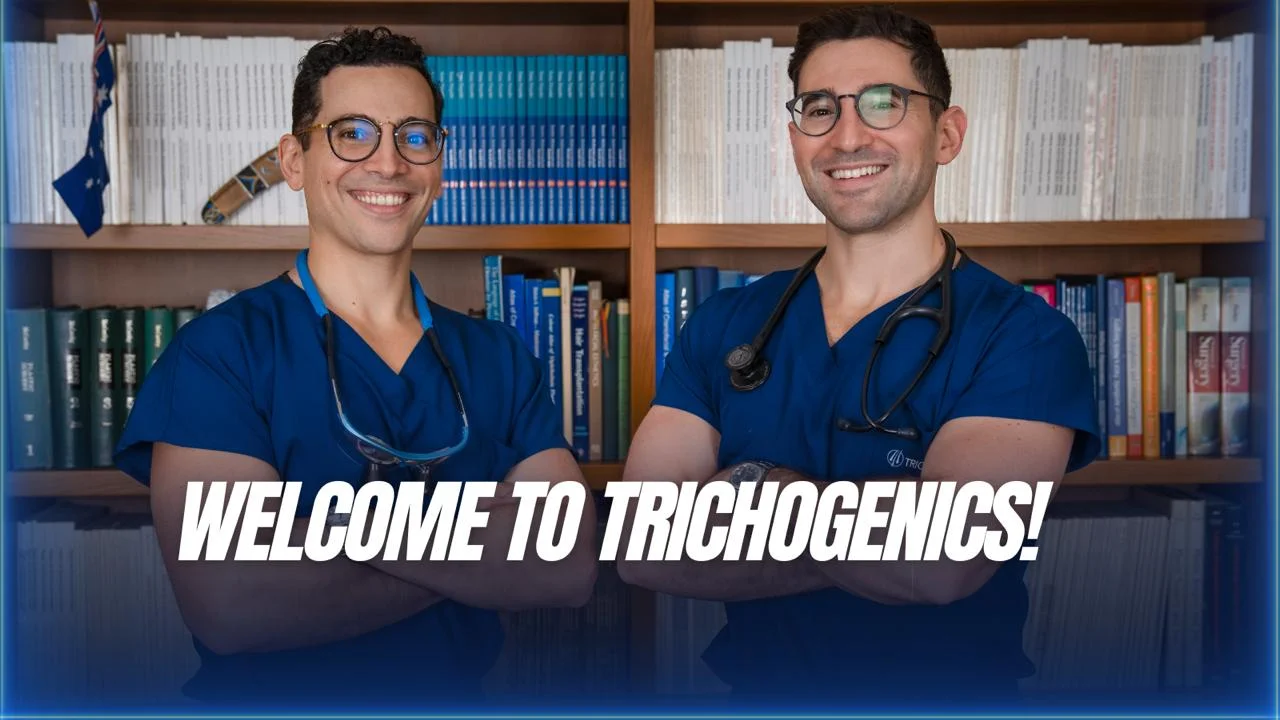
All procedures are performed only by doctors
The uniqueness of Trichogenics lies in its strict medical process; only certified doctors perform every transplant. No technicians or unqualified assistants are involved. Choosing a clinic with proven experience in hair transplants can make all the difference.
Meet Dr. Asi and Dr. Eric Peretz
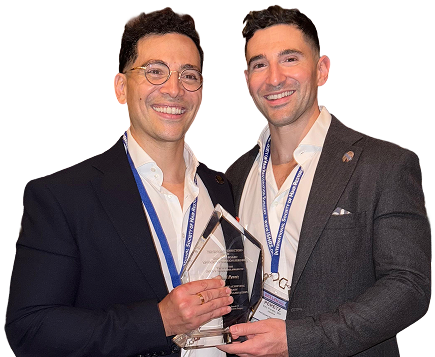
The two doctors leading Trichogenics, Drs. Asi and Eric Peretz are recognized leaders in the field. Their extensive experience, attention to detail, and focus on natural results make Trichogenics the best choice.
Contact Trichogenics today to schedule a personal consultation and get a clear, doctor-led plan for your hair restoration.