
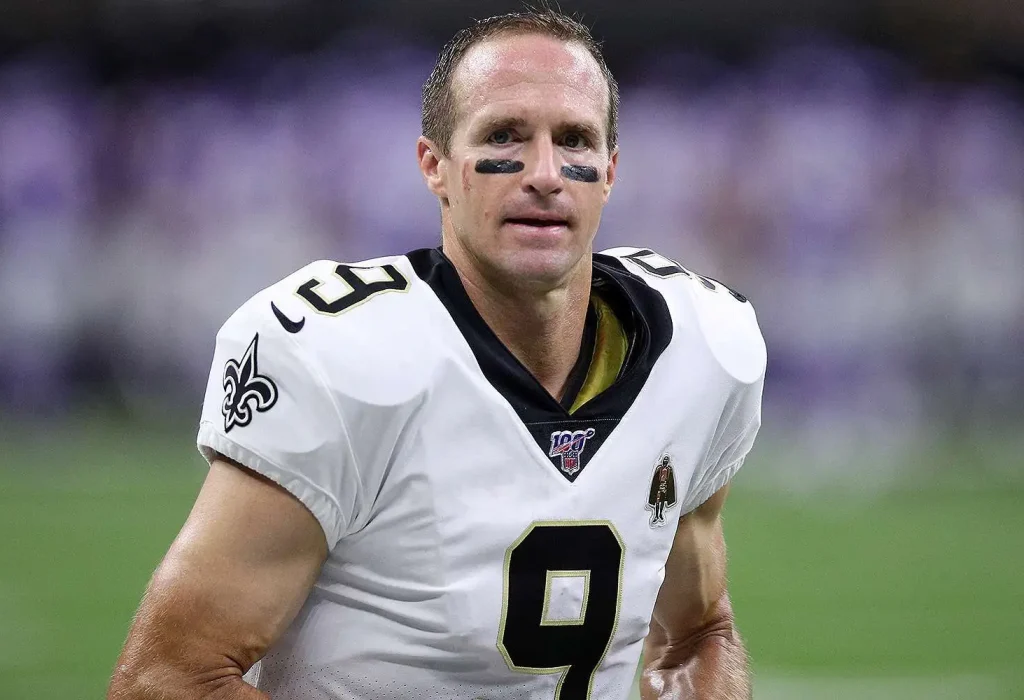
Public discussion about Drew Brees’ hair transplant began when fans noticed changes in his hairline during television appearances following his NFL career. Many viewers compared older photos with newer ones and wondered if he had a hair restoration procedure.
Drew Brees, a former NFL quarterback, has not confirmed surgery, but the fuller look of his hairline resembles results often seen after modern hair restoration.
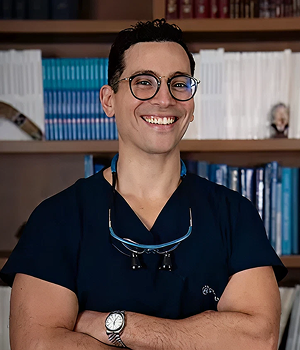
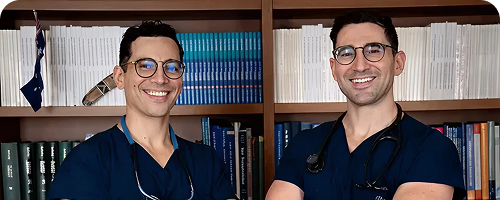
Clinics led by physicians, like the one founded by Dr. Asi Peretz and Dr. Eric Peretz at Trichogenics, sometimes analyze cases like this to explain how transplant methods can improve hair density.
Key Takeaways
- Drew Brees has not confirmed a hair transplant, but comparisons between earlier NFL photos and later television appearances suggest possible hair restoration.
- Changes in the frontal hairline and temple density are common clues used when evaluating a possible transplant.
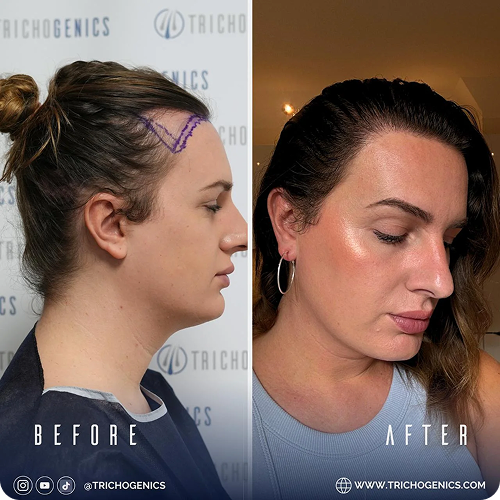
- Modern procedures, such as FUE (Follicular Unit Extraction) and DHI (Direct Hair Implantation), transfer healthy follicles from a donor area to thinning regions, helping to rebuild natural hair growth.
- Anyone considering hair restoration should consult with a qualified physician to understand their hair loss patterns and treatment options.
Did Drew Brees Have a Hair Transplant?
Drew Brees has never confirmed having a hair transplant. Still, many people believe he may have had one because his hairline appears fuller in recent years. Earlier photos show signs of a receding hairline, while newer images show thicker coverage along the front.
Hair transplants move healthy follicles from the back of the scalp to areas of thinning. These follicles keep their natural resistance to hair loss. Over time, they grow new hair and help restore a natural head of hair.
Drew Brees Hair Loss Timeline
Photos from Drew Brees’ NFL career help show how his hairline changed over time. Early images often show strong hair density along the front and temples. Later photos suggest mild recession near the corners of the hairline.
Brees played most of his career with the New Orleans Saints, where he became one of the most recognizable players in the league. As a successful football star and Super Bowl champion, he frequently appeared on television and in sports media. Over time, fans noticed small changes in his hairline and began discussing possible Drew Brees hair restoration.
Early Career Hairline
In the early years of his career as an NFL quarterback, Drew Brees appeared to have a thick, balanced hairline. Photos from that time show strong density across the front of the scalp.
This pattern is common among many athletes in their twenties before signs of hair loss begin to appear.
Signs of Hair Thinning
Later photos from his career show slight thinning near the temples. This early recession can cause the hairline to appear less even.
A receding hairline is one of the first signs of male pattern hair loss. Many men begin to notice it in the front corners of the scalp.
Drew Brees Hair Before and After
When people compare older photos with more recent ones, they often see a difference in hair density. Earlier images show mild thinning around the temples. Later photos show stronger coverage across the front.
Even small improvements in the hairline can make a big visual difference. Restoring density in the front of the scalp can create the appearance of a fuller head of hair.

Hairline Density Changes
Recent public appearances show stronger hair density along the front of the scalp. The hairline appears more even and defined.
Many hair transplant procedures focus on the frontal third of the scalp. This area frames the face and has the biggest visual impact.
Evidence of Hair Restoration
Photos alone cannot confirm surgery. Lighting, styling, and hair products can significantly alter the appearance of hair.
Still, the pattern of increased density seen in recent photos resembles results often seen after hair restoration procedures.
Hairline Changes During Television Appearances
After retiring from the NFL, Drew Brees began working in television as a sports analyst. High-definition cameras and bright studio lighting can make hairline changes easier to notice.

When viewers saw his improved hair density on television, many began discussing the possibility of a hair transplant for Drew Brees.
What Surgery Did Drew Brees Have?
If a transplant took place, the most likely methods would be FUE or DHI. These techniques move individual hair follicles from the donor area to the hairline.
Doctors can use tools such as the Choi pen to place grafts at specific angles. This helps the transplanted hair grow in a natural direction.
Hair restoration has become increasingly common among public figures and celebrities, with many well-known personalities featured in discussions about celebrities with hair transplants.
For example, well-known personalities like Wayne Rooney and Jimmy Carr have openly discussed hair restoration treatments. Their cases helped increase public awareness of hair transplant procedures.
FUE Hair Transplant Method
Follicular Unit Extraction (FUE) is one of the most common hair transplant techniques used today. During the procedure, a surgeon removes individual follicular units from the donor area, usually the back of the scalp, using a small punch tool.
Each follicular unit contains one to four hairs. The surgeon then implants these grafts into the thinning areas of the scalp, controlling the angle and direction of growth. This careful placement helps rebuild a natural hairline and improve overall density.
Estimated Grafts Used
If a Drew Brees hair transplant were to occur, the improvement suggests a moderate graft count. Hairline restoration often requires between 1,500 and 3,000 grafts.
The number depends on the donor hair density and how much of the hairline needs to be restored. Patients should also understand the typical hair transplant recovery timeline before surgery.
Why Celebrity Hair Transplants Look Natural
Modern hair restoration focuses on natural-looking results. Surgeons place grafts carefully so the hair grows at the same angle as natural follicles.
The physician’s skill also matters. Dr. Asi Peretz, who works in hair restoration research and practice, has explained that hairline design and graft placement require careful medical planning.
Patients researching treatment options should review the medical regulations and standards of the country where the surgery is performed, especially when considering which country may be safest for a hair transplant.
Some medical tourism locations, including Turkey, have faced concerns about uneven regulation in certain clinics. Countries such as Greece and Israel operate under different medical oversight systems.
What Patients Can Learn From This Case
The discussion about a possible hair transplant for Drew Brees shows how small changes in hair density can affect appearance. Even moderate hairline restoration can make someone look like they have a fuller head of hair.
Hair restoration results depend on several factors:
- Donor hair density
- Hair loss pattern
- Surgical technique
- Physician expertise
Scheduling a consultation with a qualified physician helps determine if treatment is appropriate. The doctor can also explain realistic expectations for hair restoration.
Scheduling a consultation with a qualified physician helps determine if treatment is appropriate. The doctor can also explain realistic expectations for hair restoration.